
Searching "deck builders near me" can produce a long list of names, yet a deck is not a casual weekend project. In Salt Lake and Utah County, it has to survive punishing UV exposure, dry air, deep snow, and freeze-thaw cycles, while fitting your home, yard, and budget. We believe the right contractor should make the process feel straightforward: practical guidance, thoughtful design, transparent pricing, and a finished outdoor space you'll actually use.
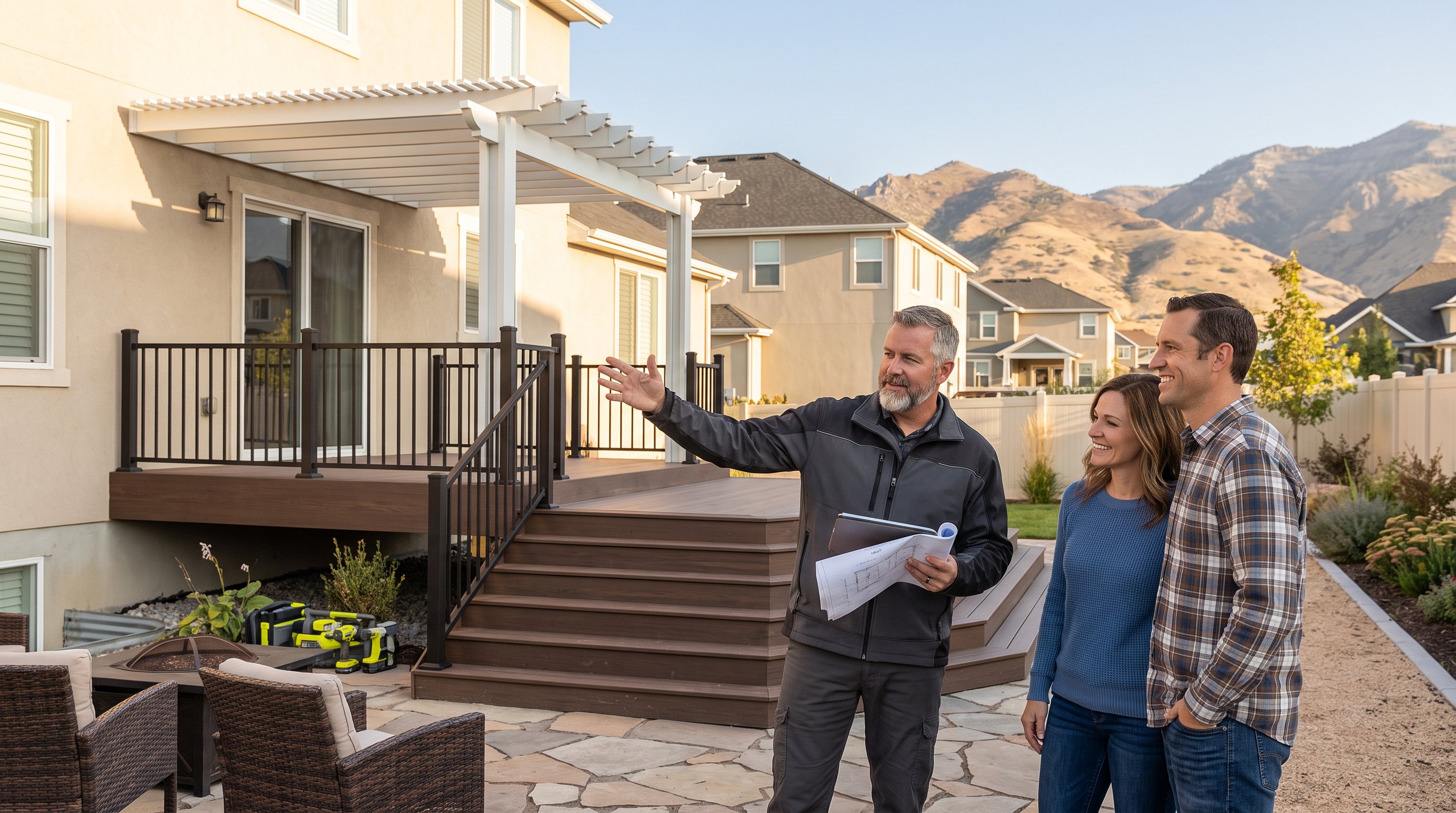
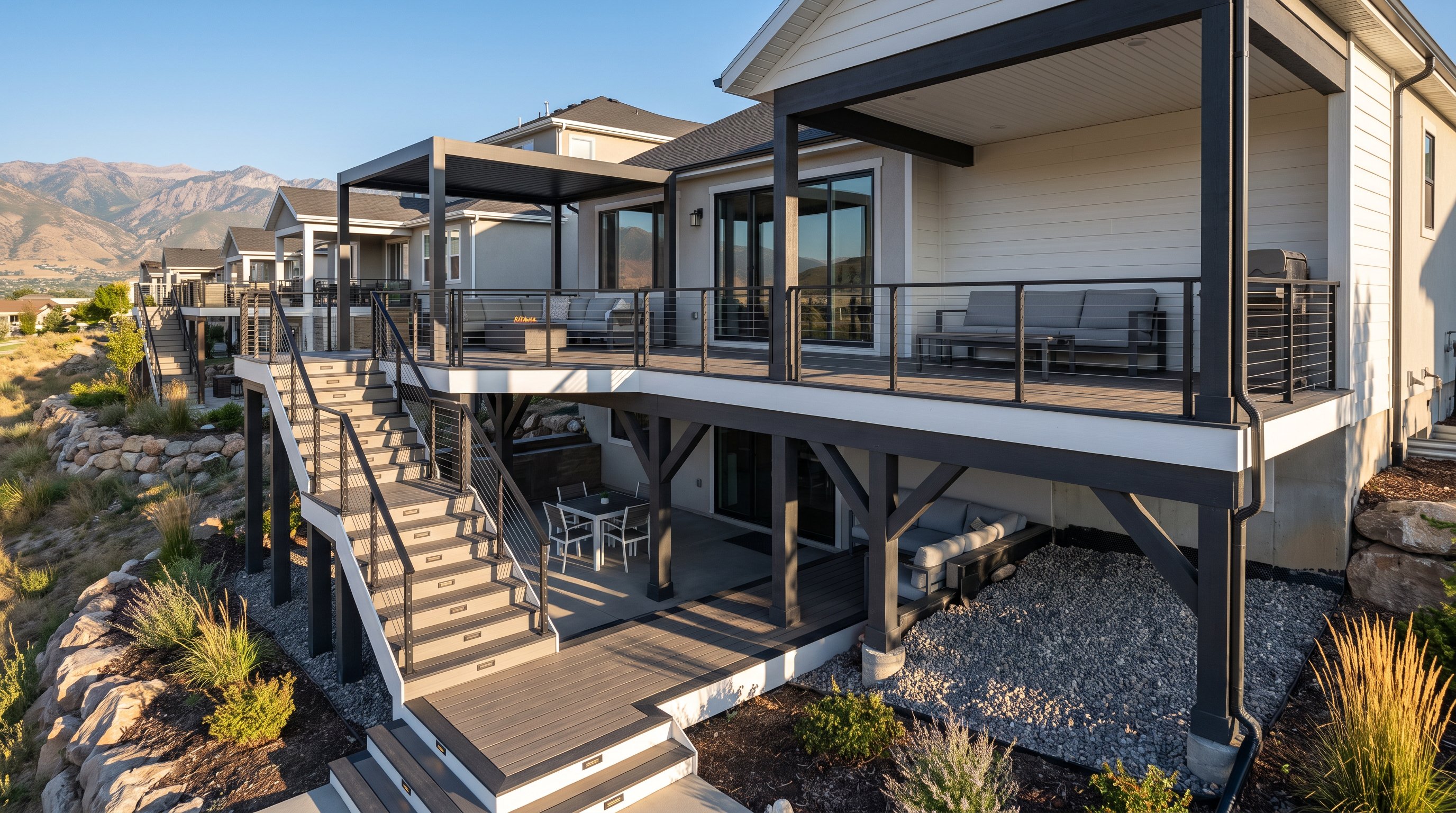
Start local, but don't stop at a map listing. Look for a deck builder with recent projects similar to yours: elevated decks on sloped lots, multi-level layouts, resurfacing work, or integrated shade structures. Their portfolio should show clean railing details, stairs that feel intentional, and decks that relate well to the house rather than appearing bolted on as an afterthought.
Ask where the team regularly works and whether it understands the approvals in your city or neighborhood. A contractor familiar with Utah County deck builders will recognize that an HOA review in Daybreak can look very different from a permit process in Provo or Eagle Mountain. We also recommend reading reviews for communication and job-site care, not merely whether the deck looked good on installation day.
Finally, meet the person who will guide the work. A good conversation should include your yard's challenges, how you spend time outside, and what will happen beneath the deck, not just board colors.
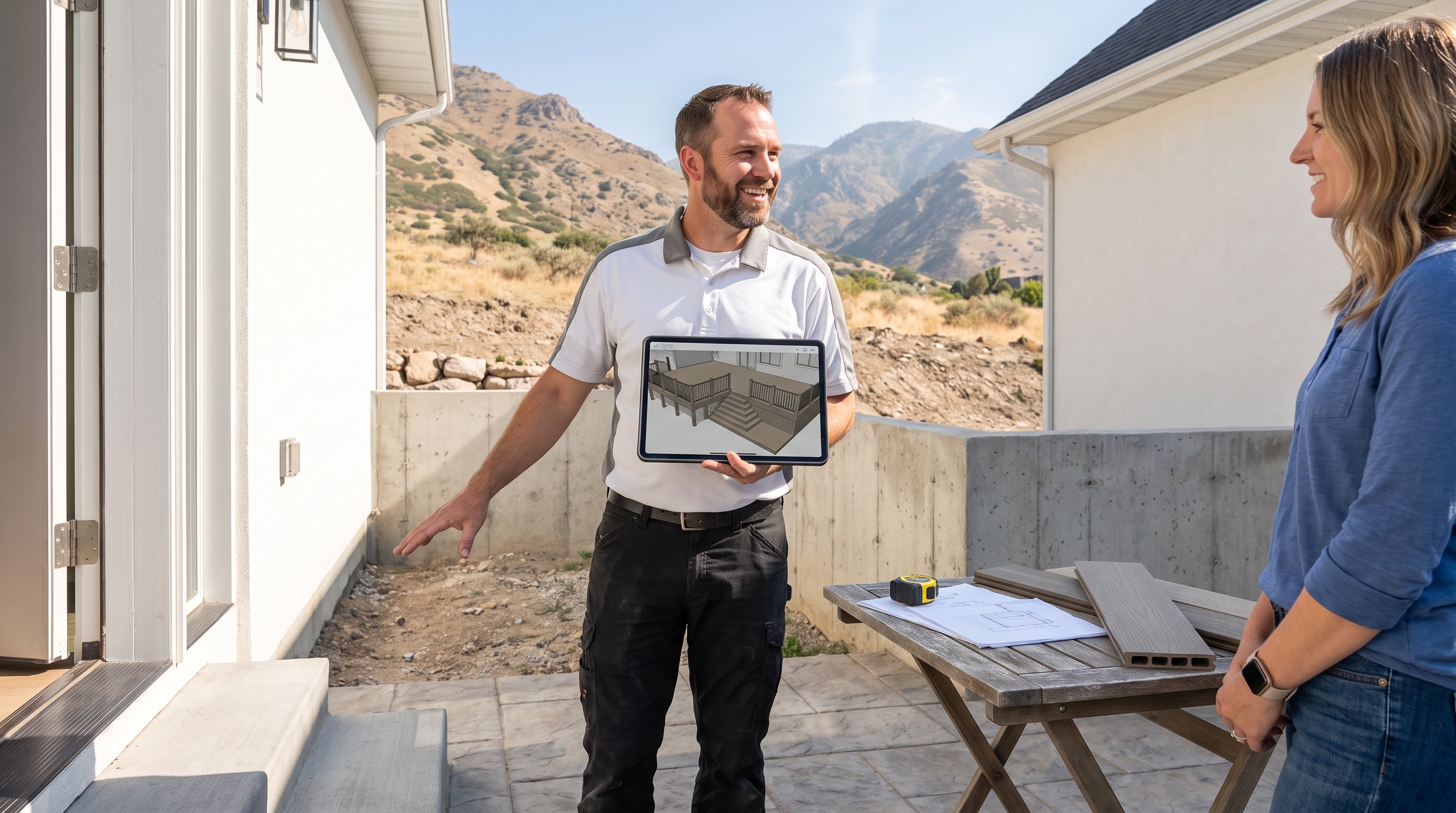
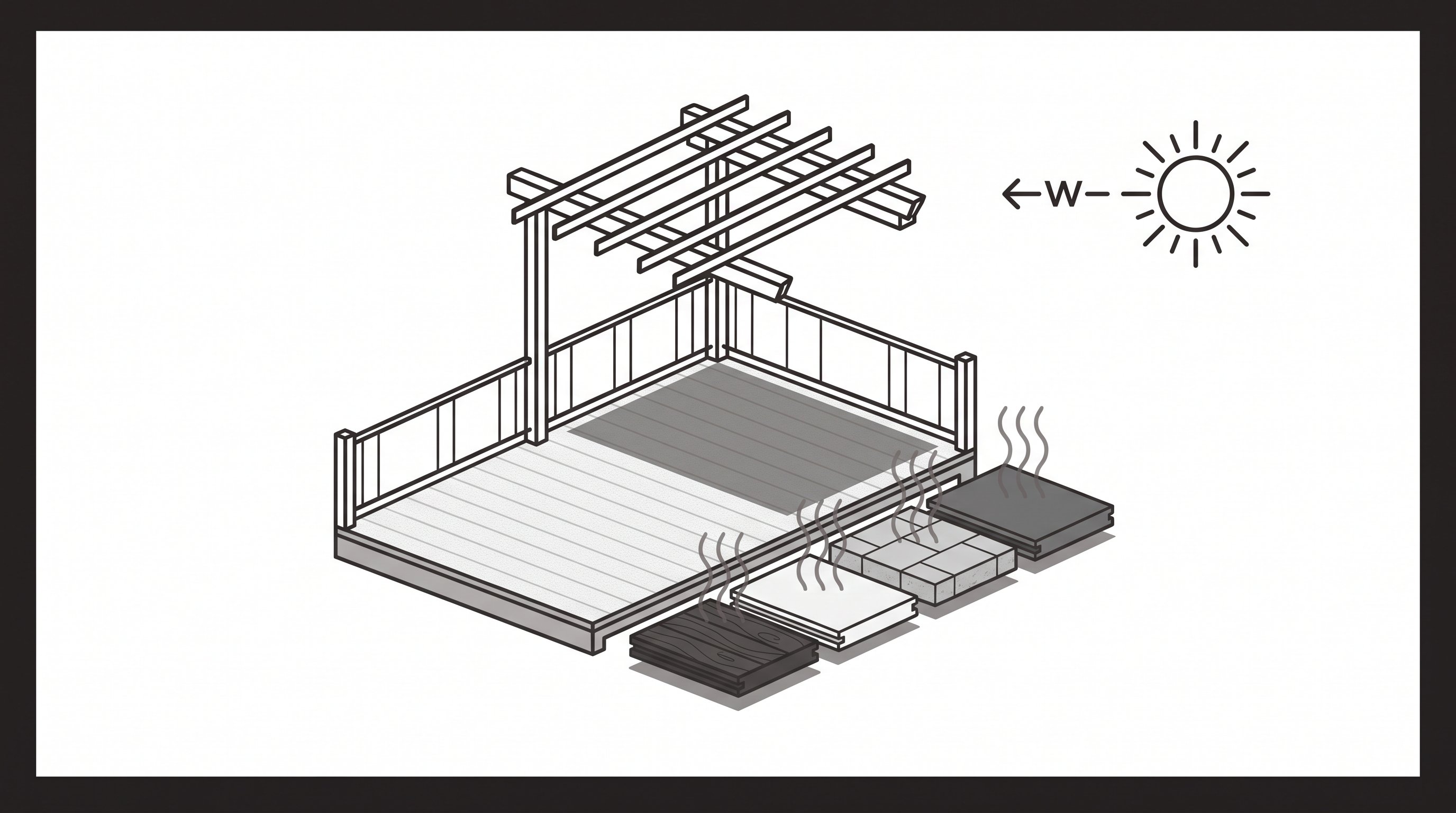
Utah is not a one-material, one-detail market. South- and west-facing decks absorb intense summer sun, while winter snow can linger in shaded areas. A local builder should assess sun direction, drainage, grade, door height, existing framing, privacy, views, and the way snow sheds from the roof before drawing a plan.
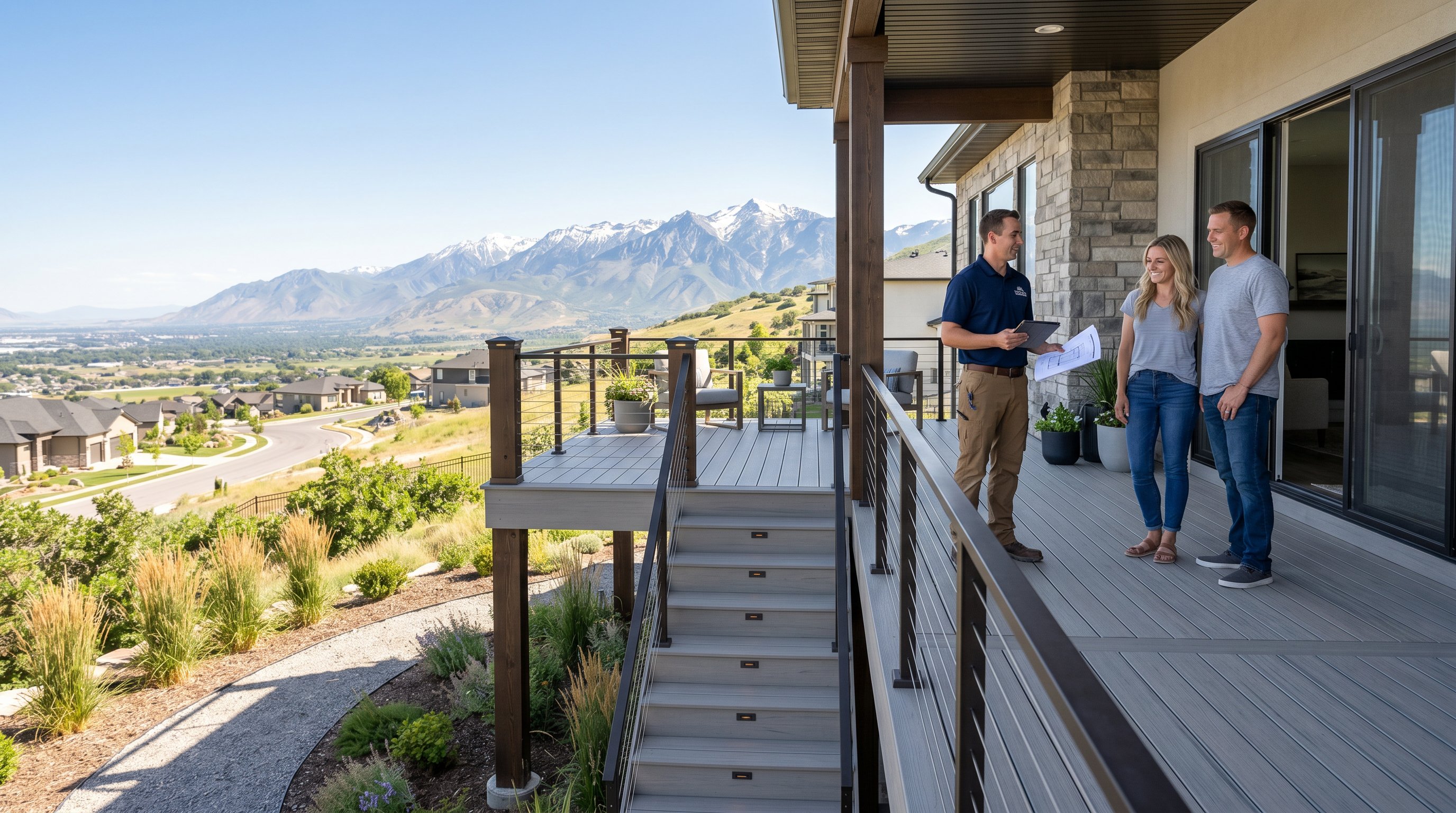
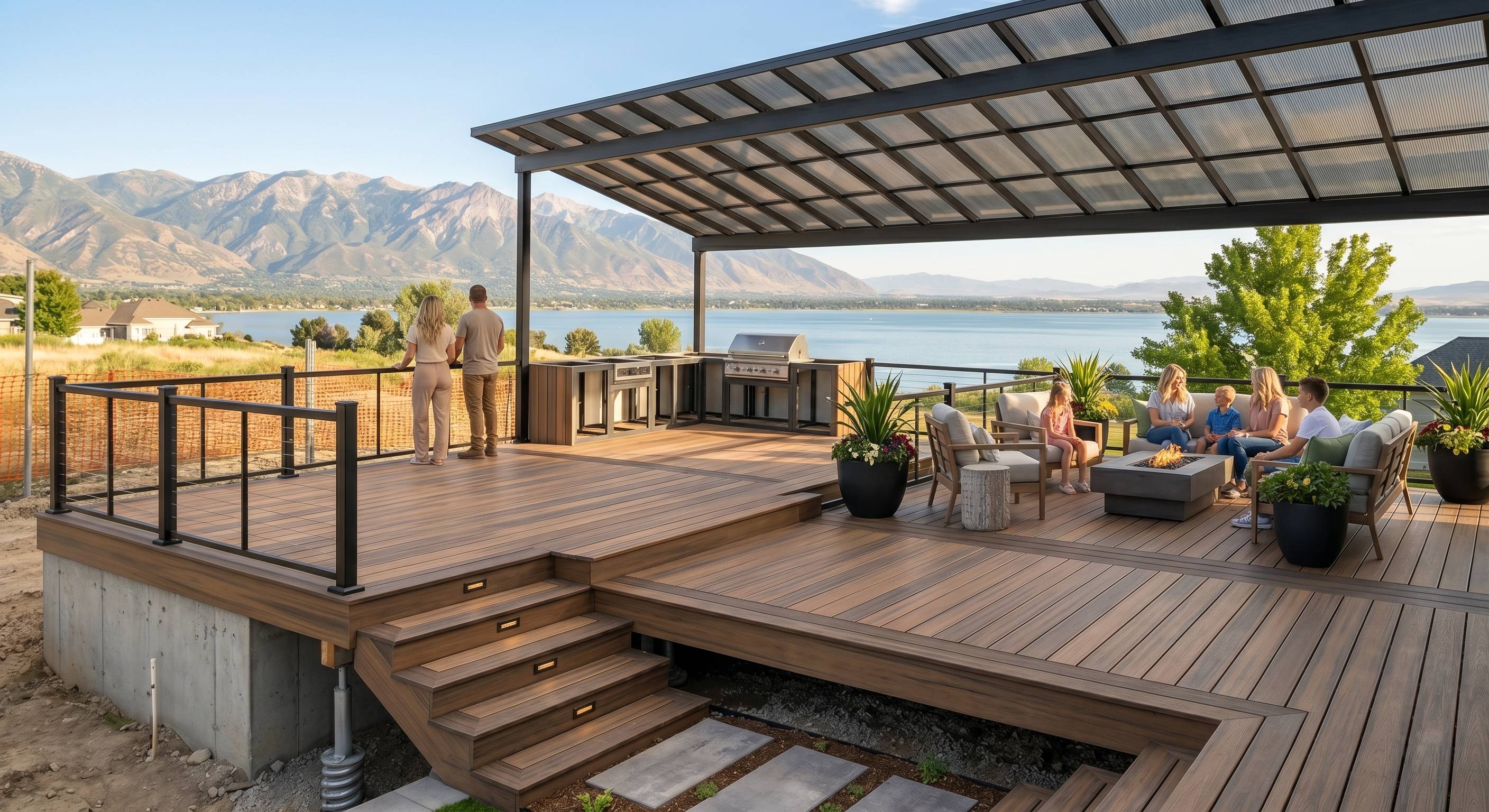
That knowledge matters especially in foothill communities and newer developments with varied terrain. Homeowners considering Draper composite deck installers should expect a discussion about retaining conditions, view-preserving railings, and the elevation of the finished deck.
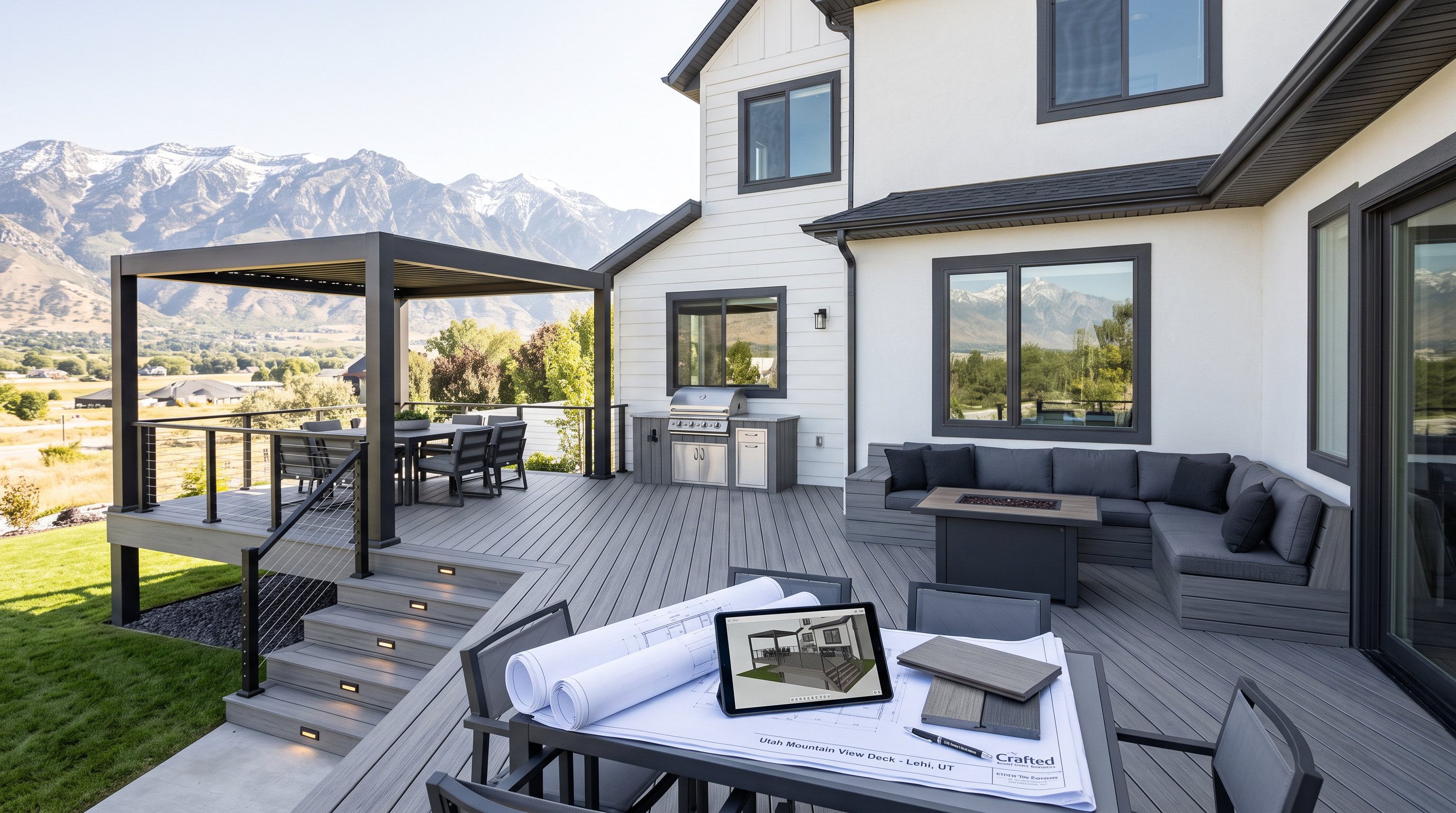
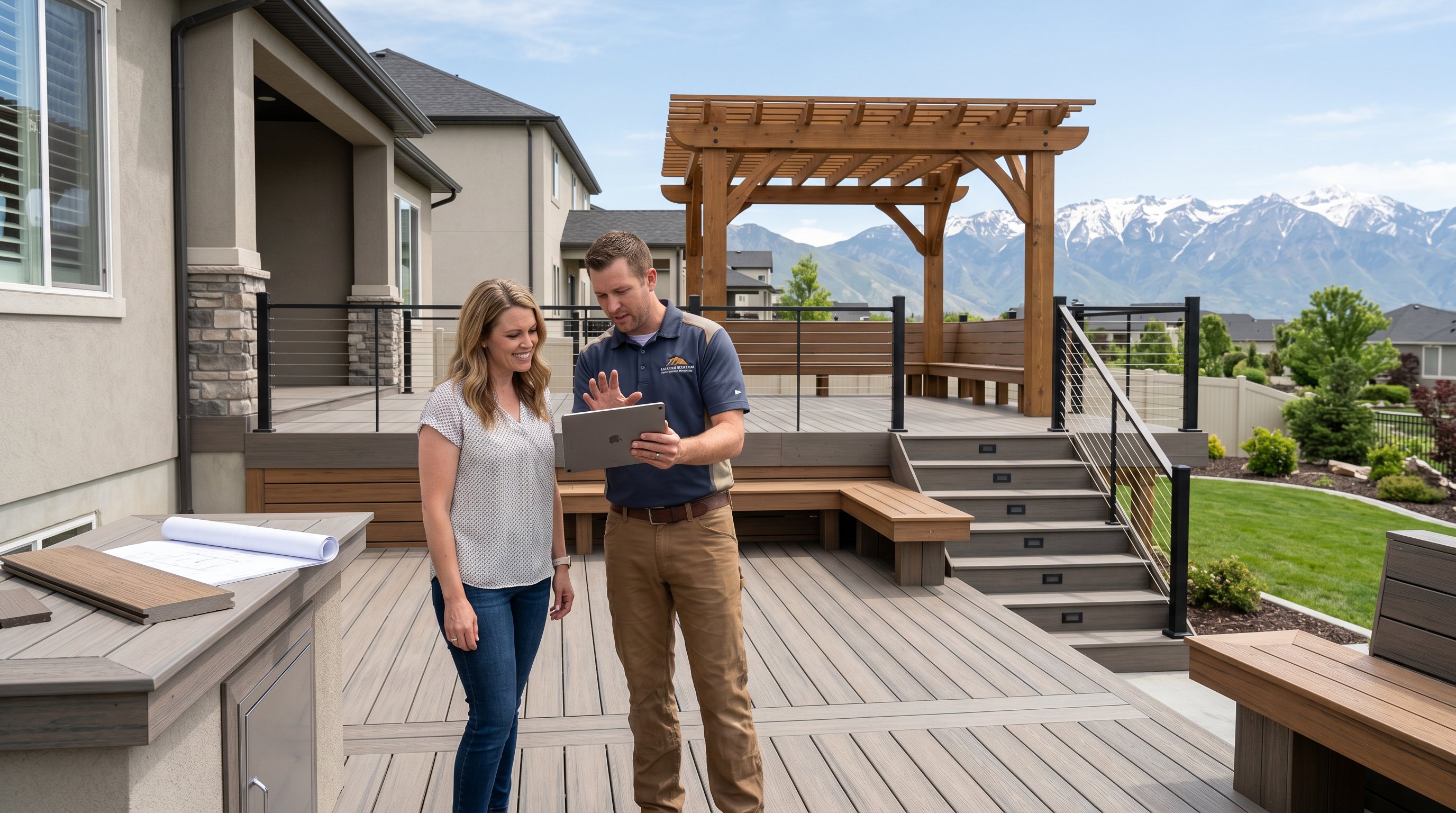
At 3sixty, we begin with an in-home conversation and 3D mockup so proportions, stairs, and traffic flow make sense before construction begins. We also plan for the realities people often remember too late: a grill landing, hot-tub reinforcement, a gate for kids or pets, and shade for those July afternoons when the patio feels like a skillet.
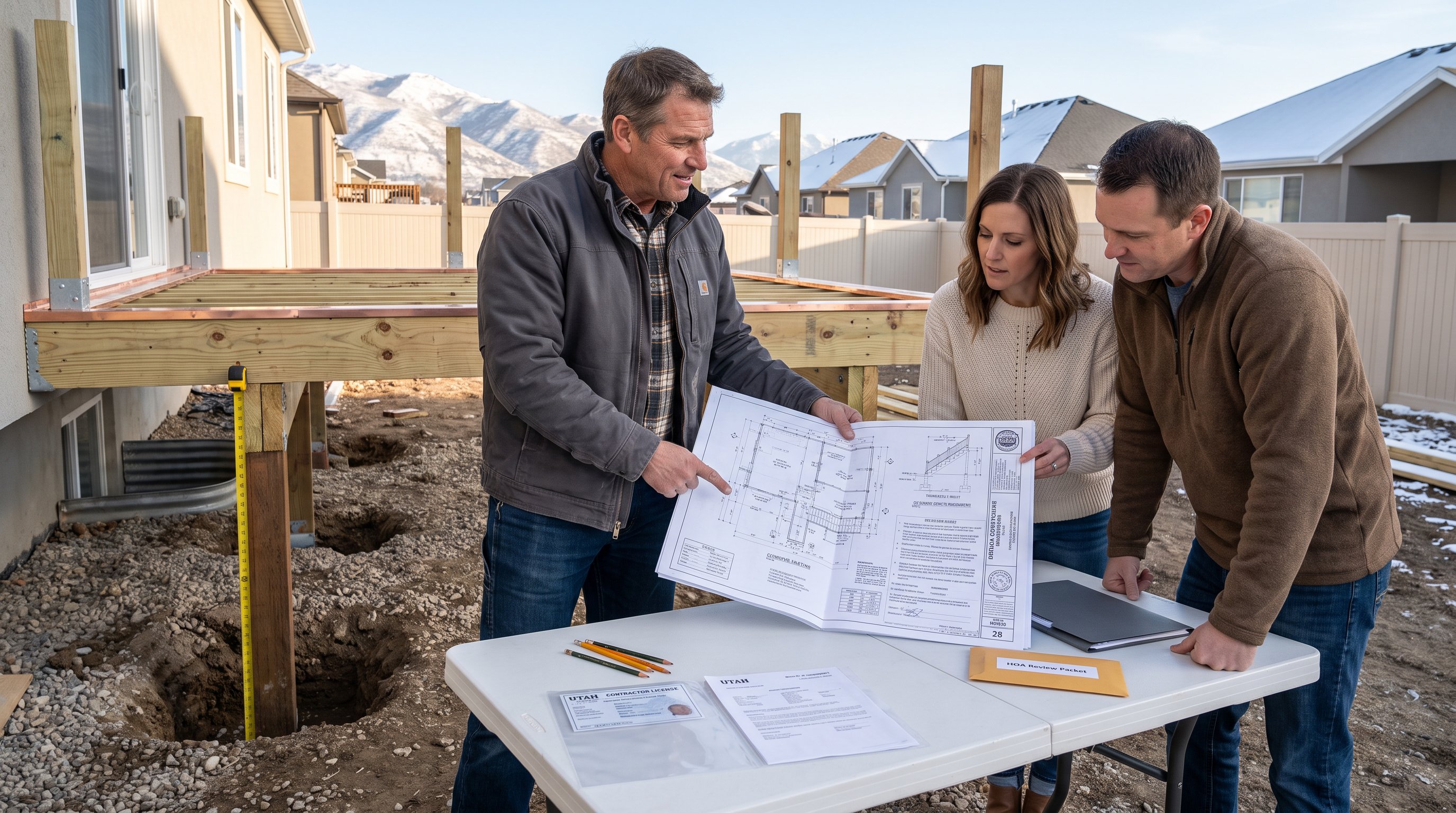
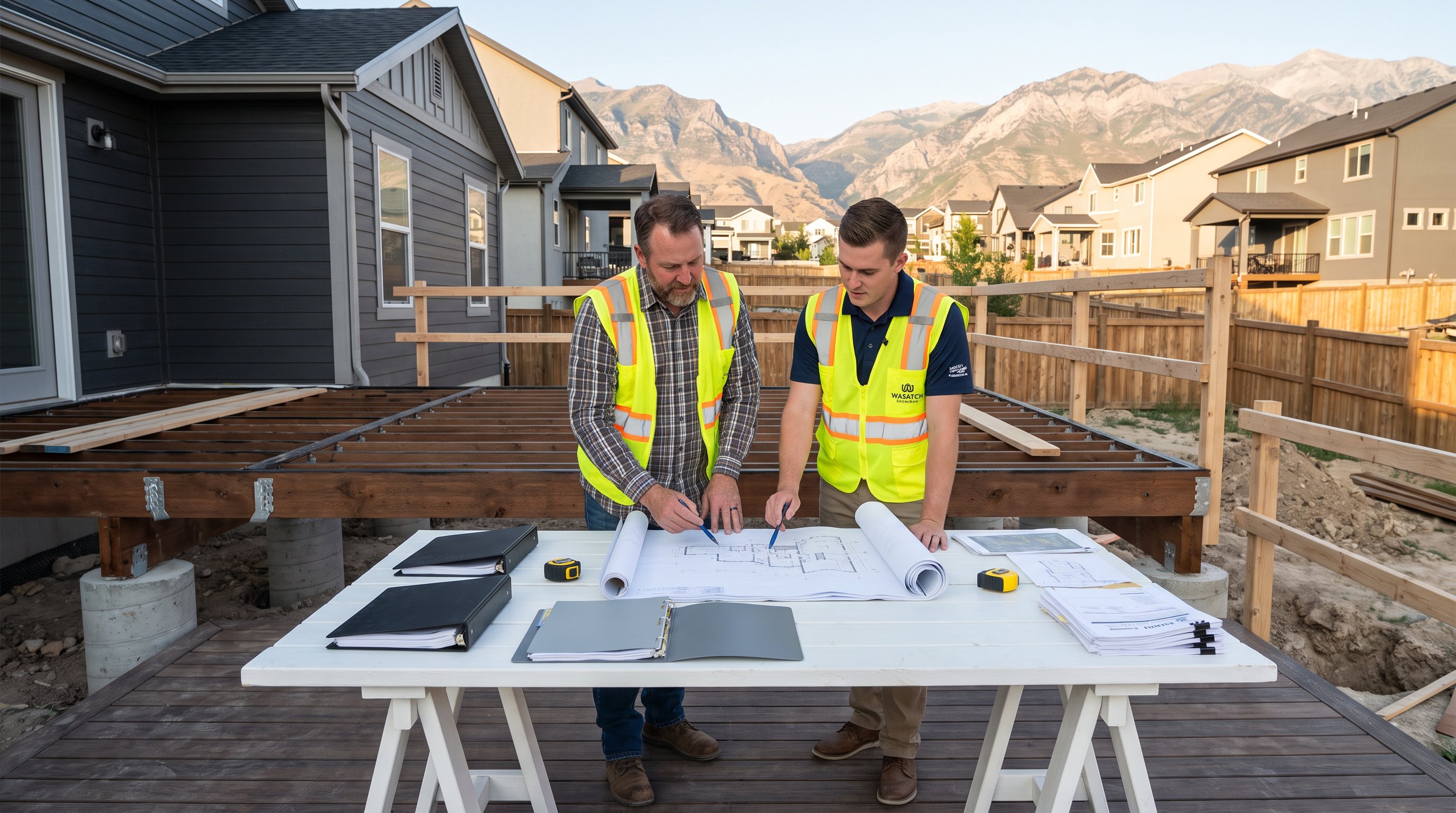
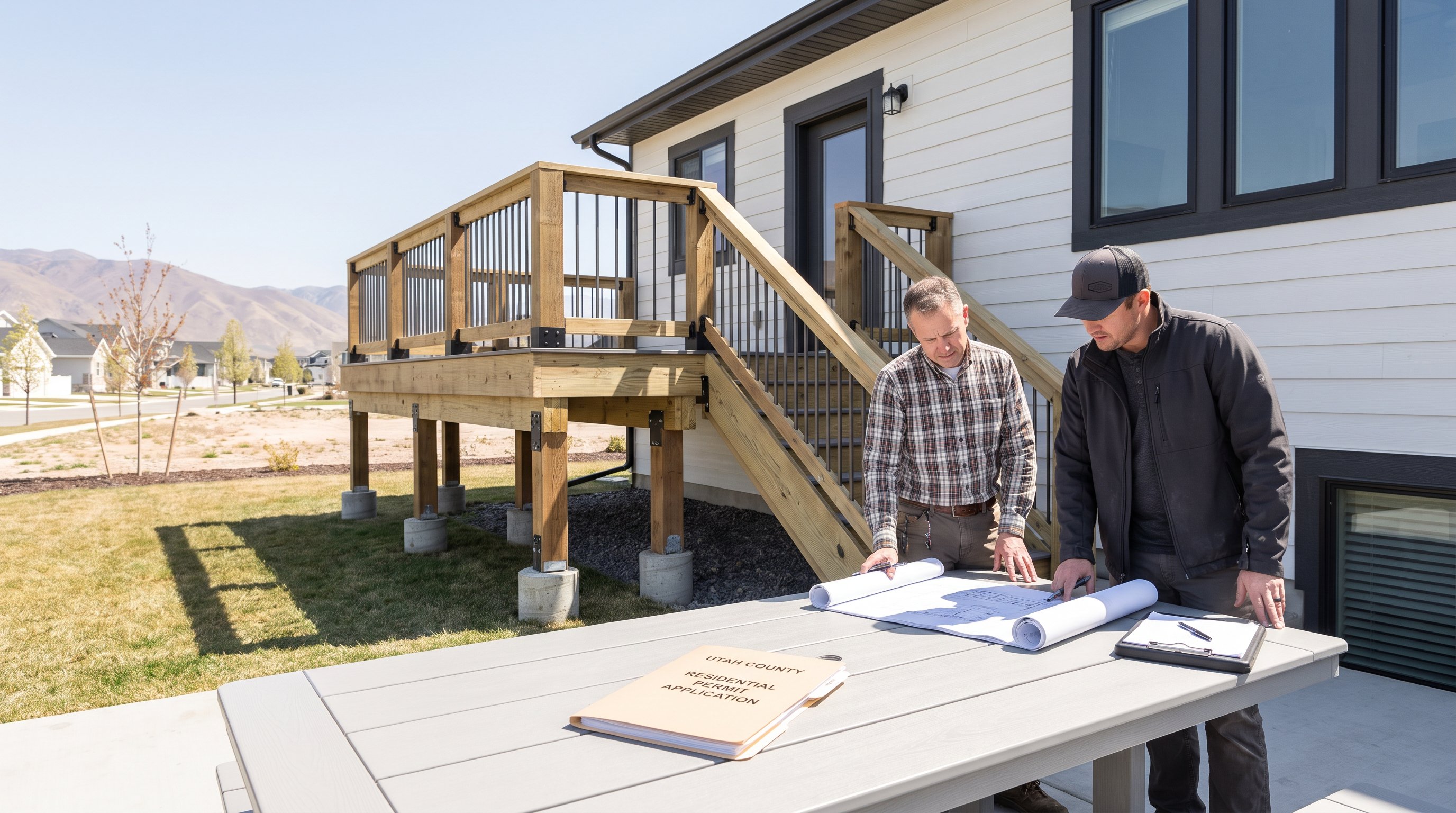
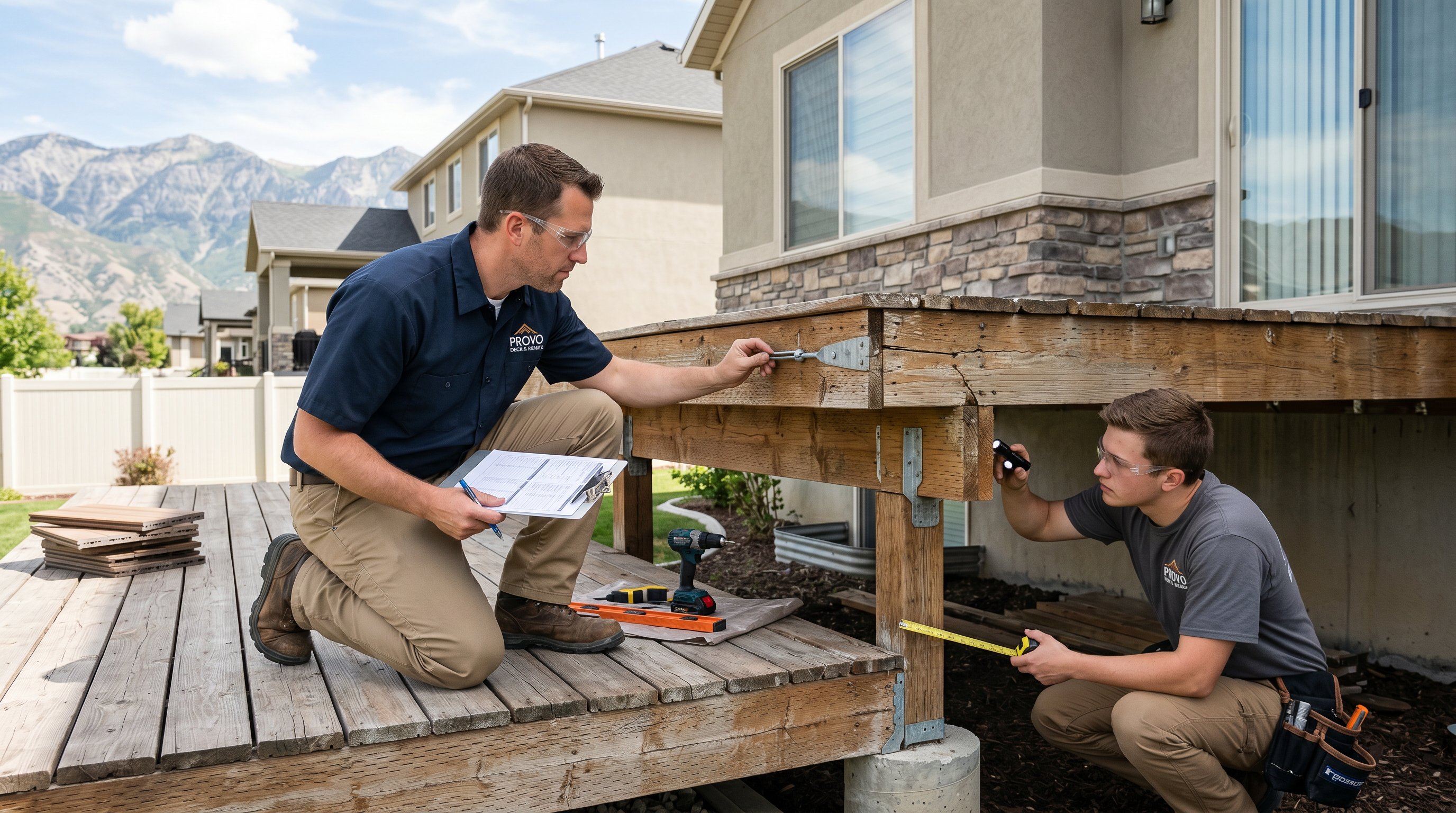
Before hiring, ask for the contractor's Utah license information, proof of general liability and workers' compensation coverage, and a clear explanation of who obtains permits. This is basic due diligence, but it protects homeowners from a costly gap if an accident, failed inspection, or structural issue occurs.
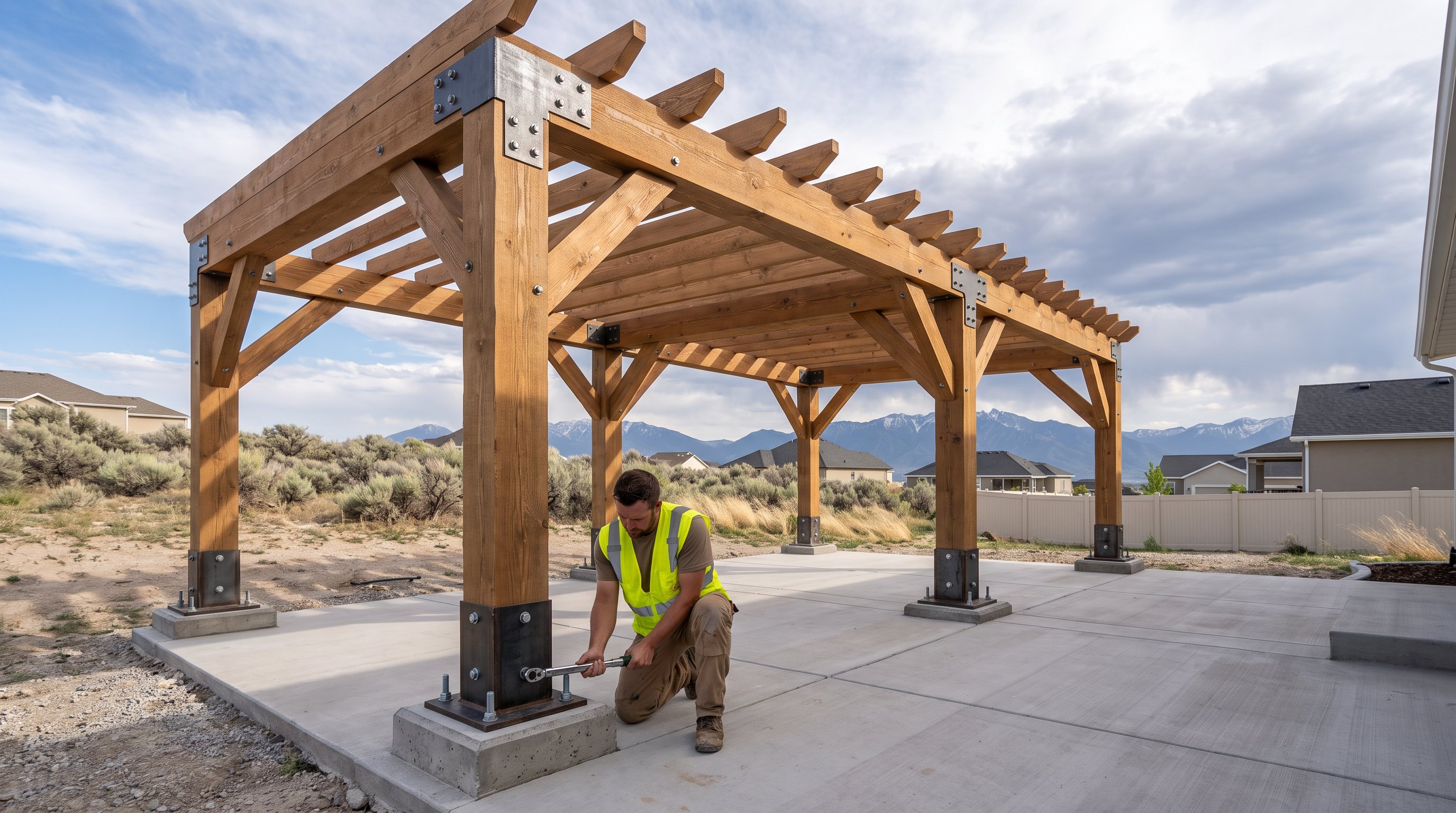
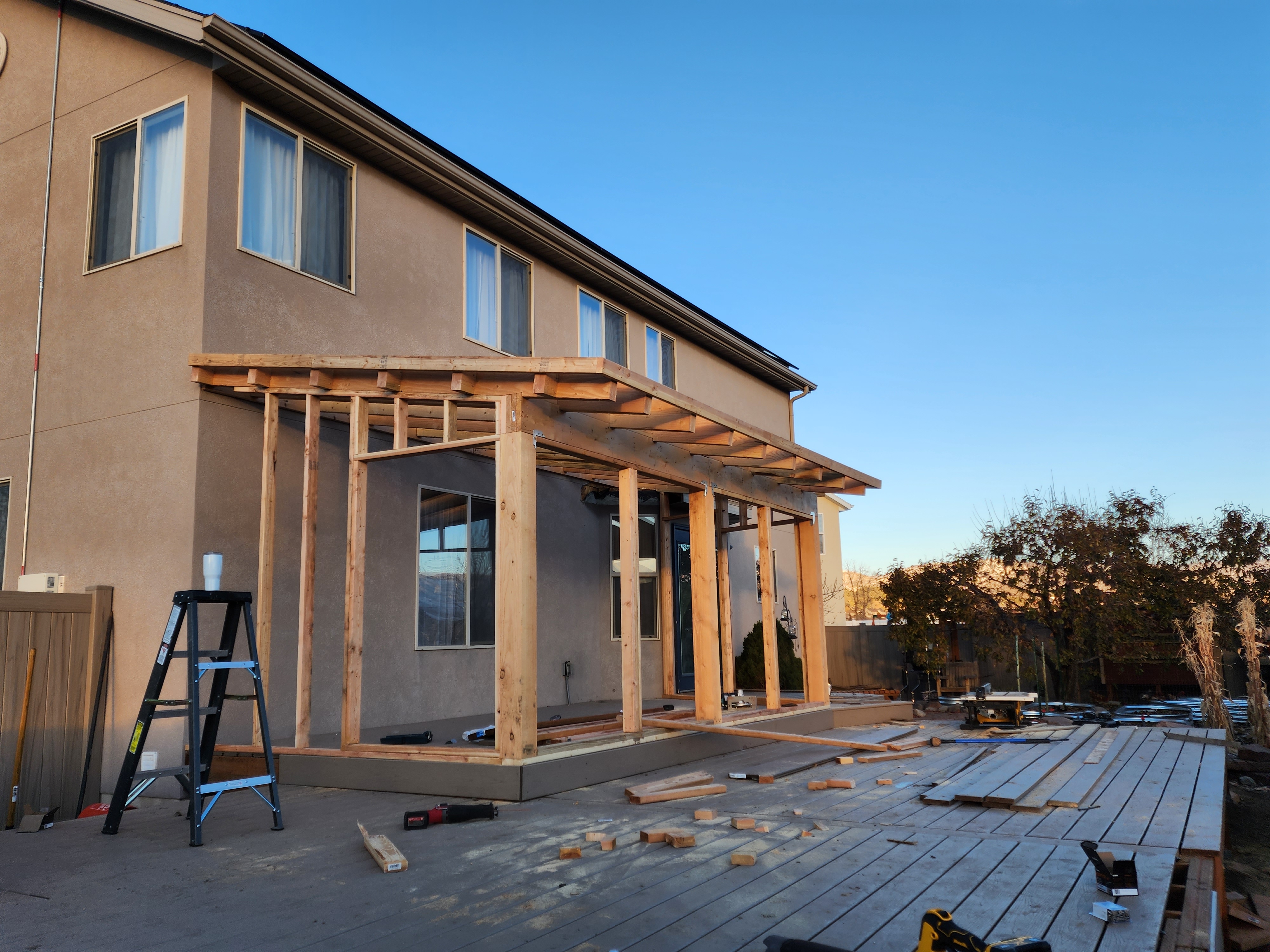
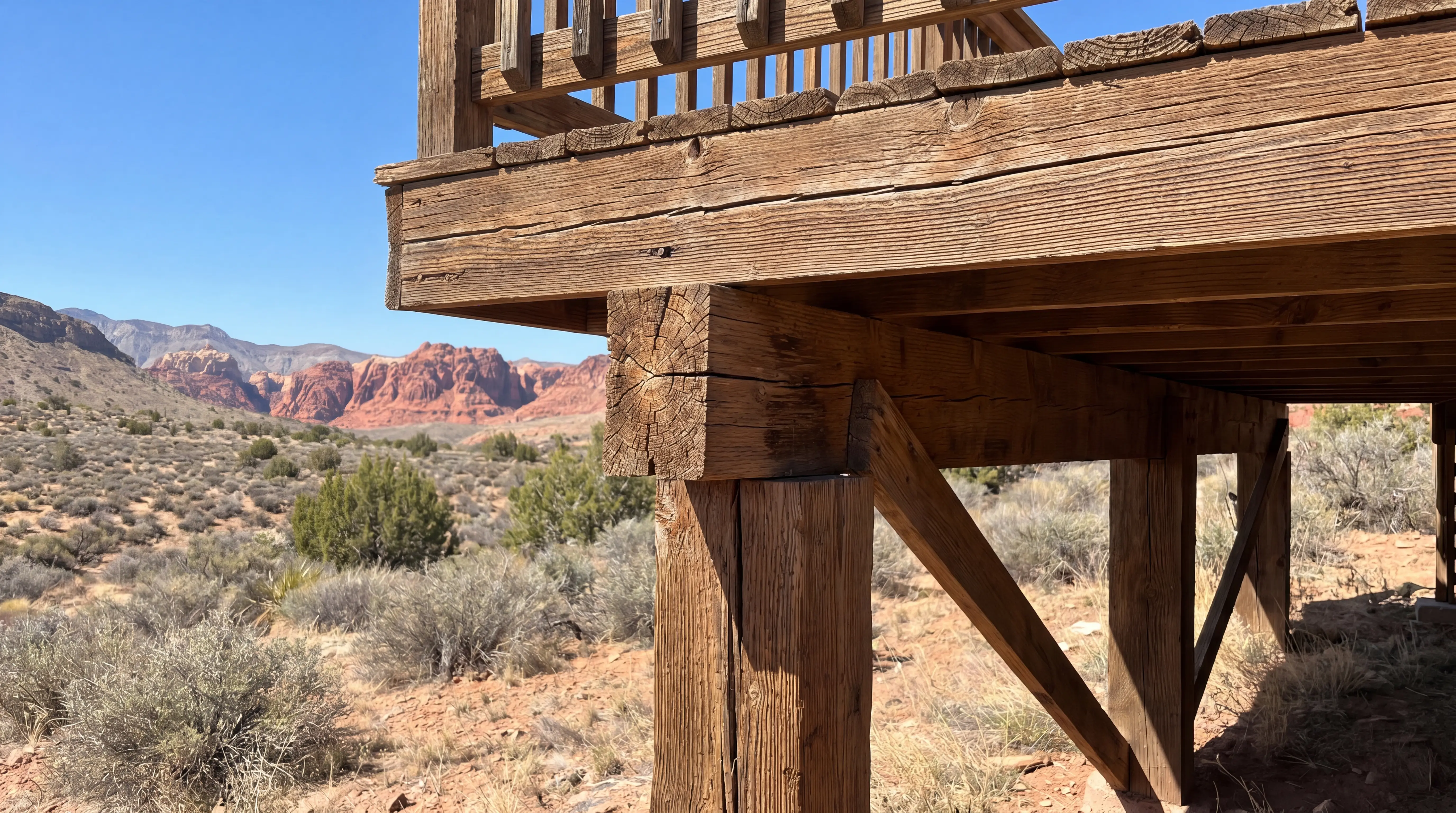
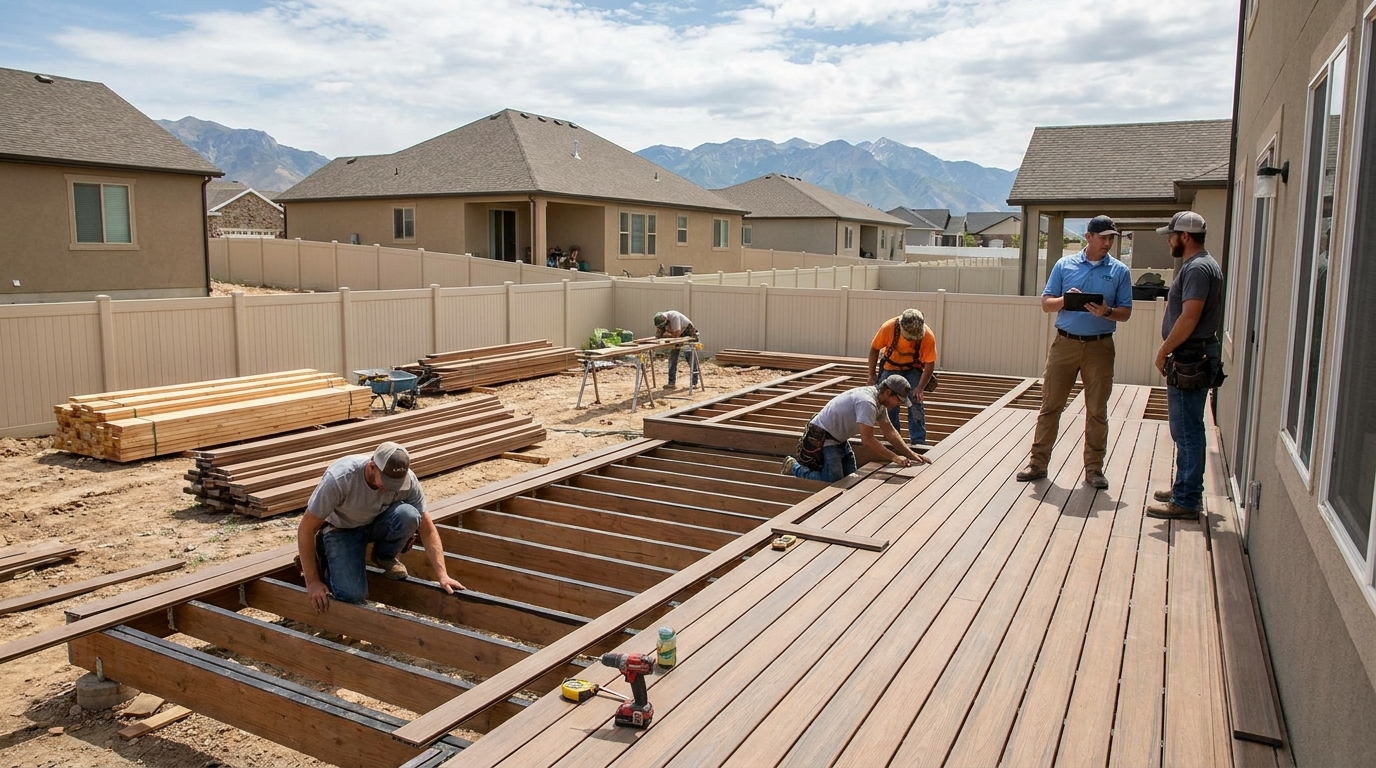
Deck code is not decorative red tape. Guard height, stair geometry, railing openings, ledger attachment, footing depth, flashing, and hardware all affect safety. Because frost movement can shift shallow supports, we install footings below the applicable local frost depth, often 30 inches or more, and account for snow-load requirements in framing and connections.
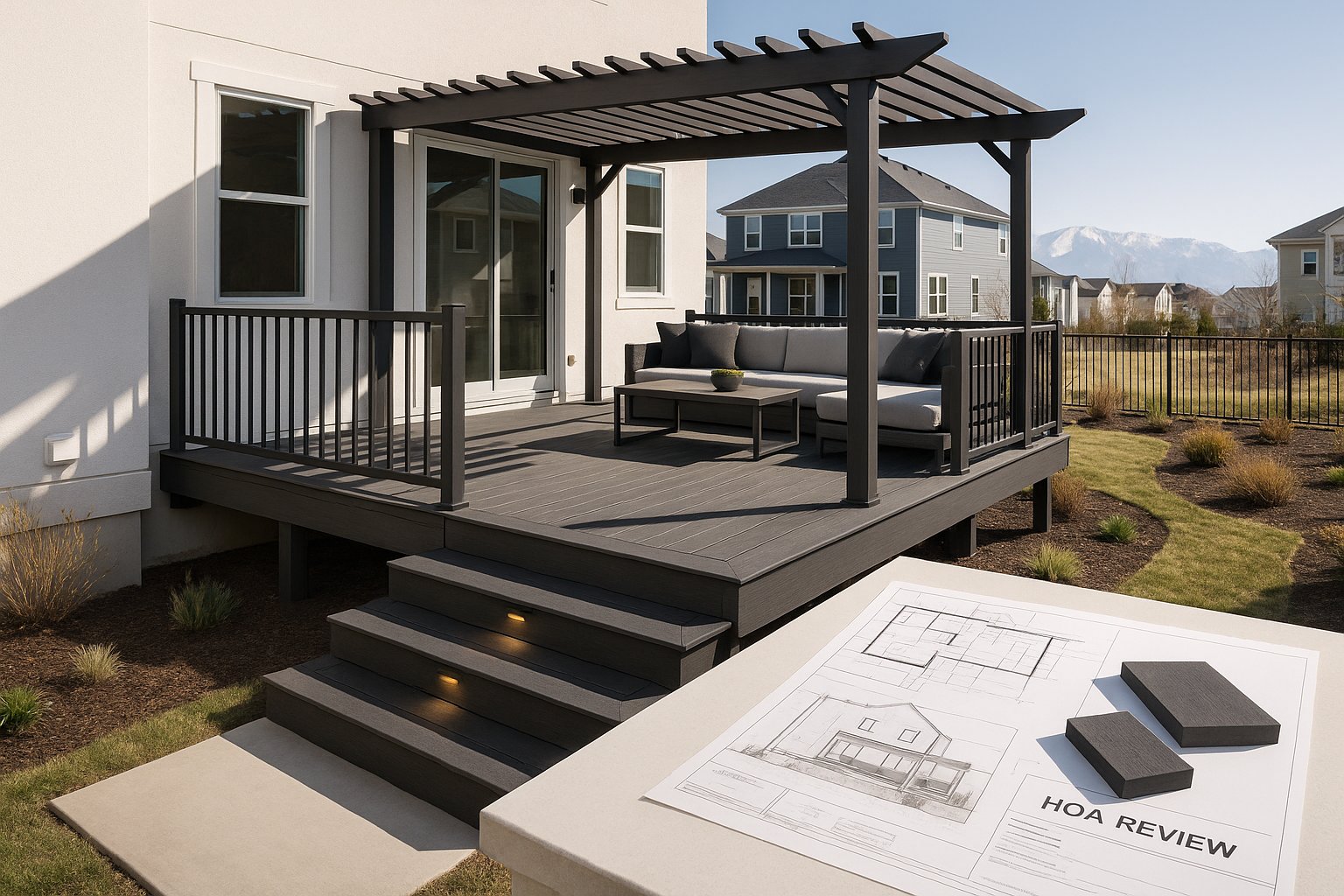
A reputable contractor should also address HOA submissions early. For homeowners comparing Sandy custom deck builders, that means receiving structural plans and finish information suitable for review, rather than hoping approval arrives after materials are ordered. "We'll figure it out later" is not a permitting strategy.
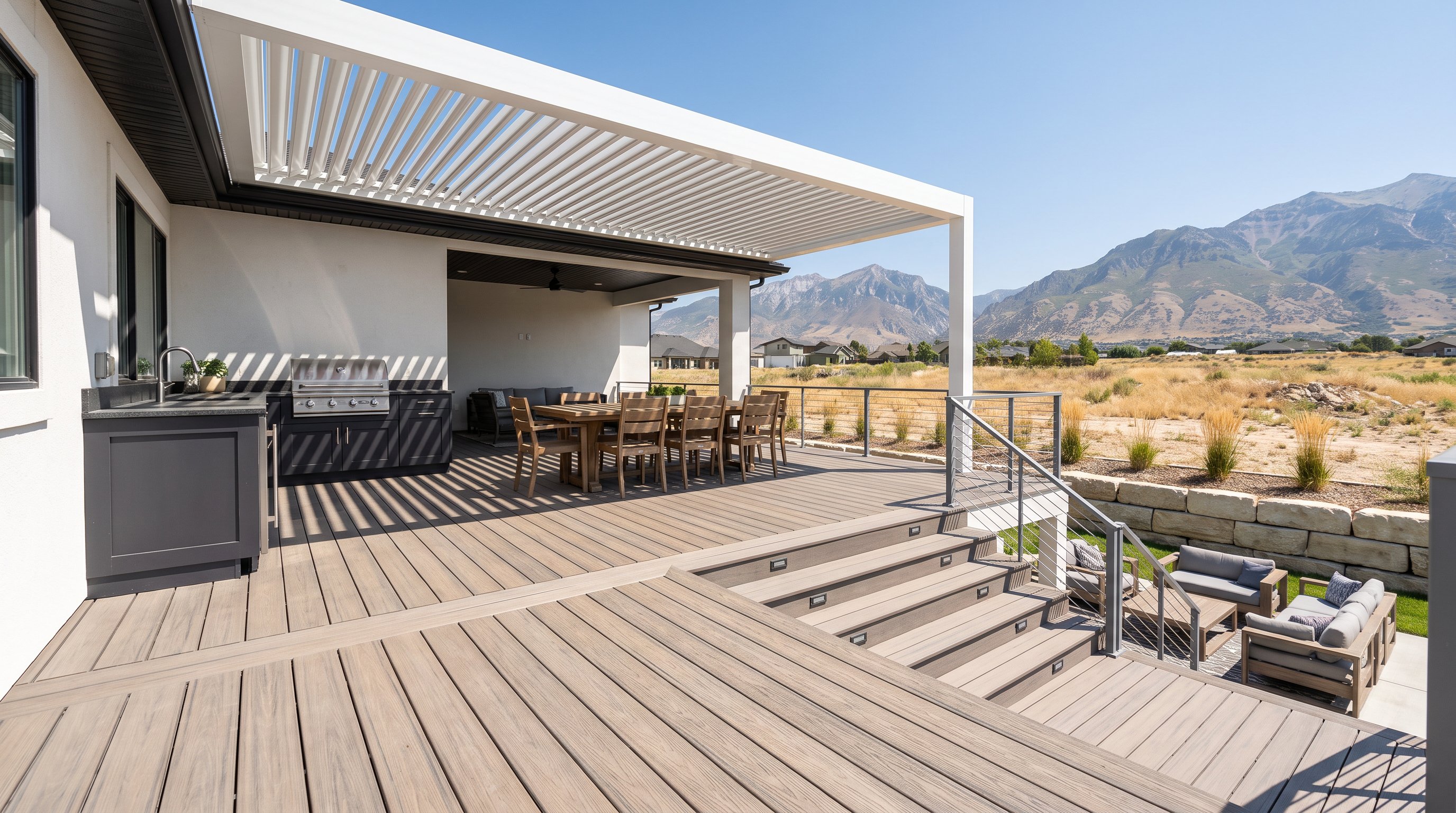
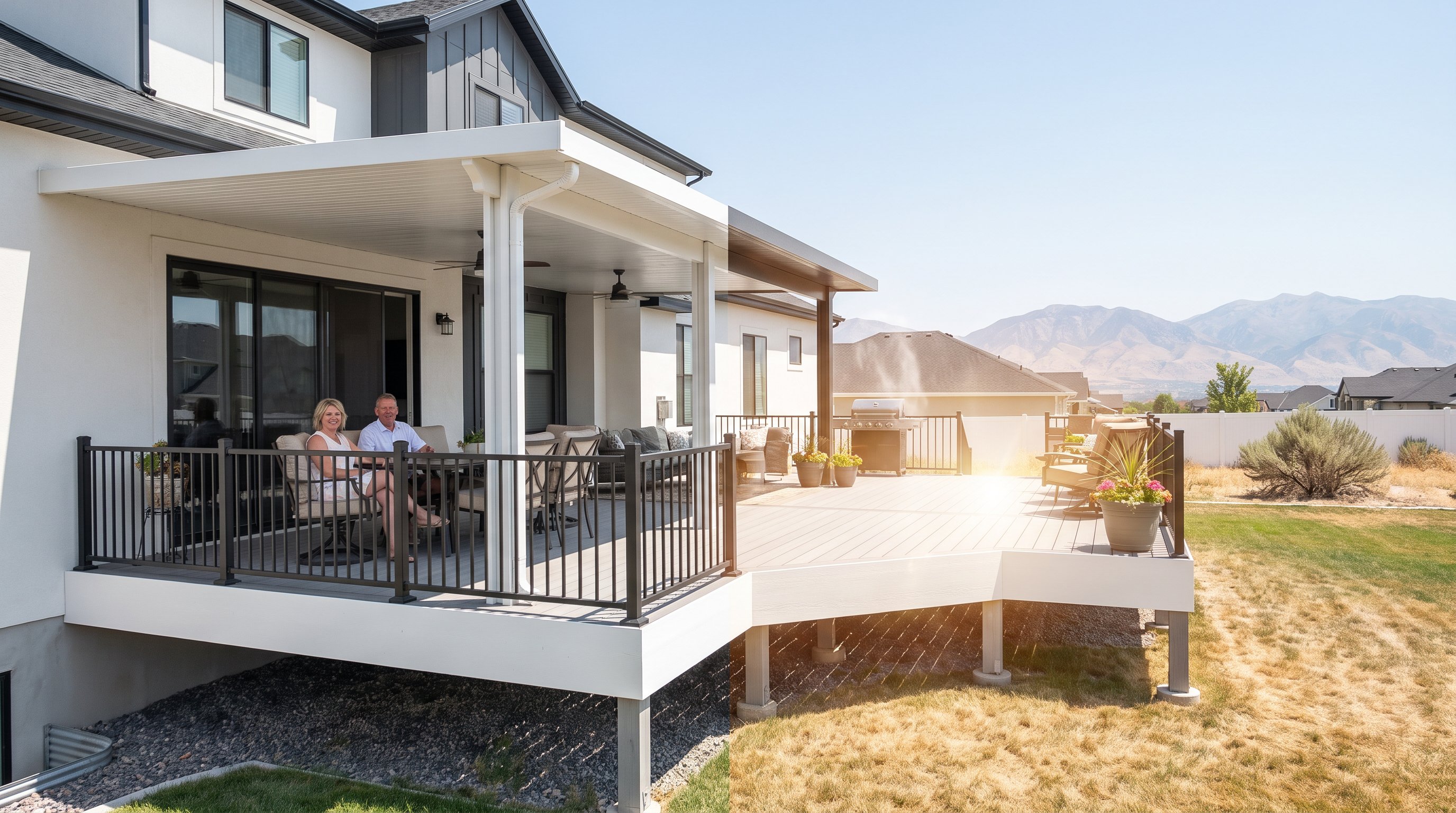
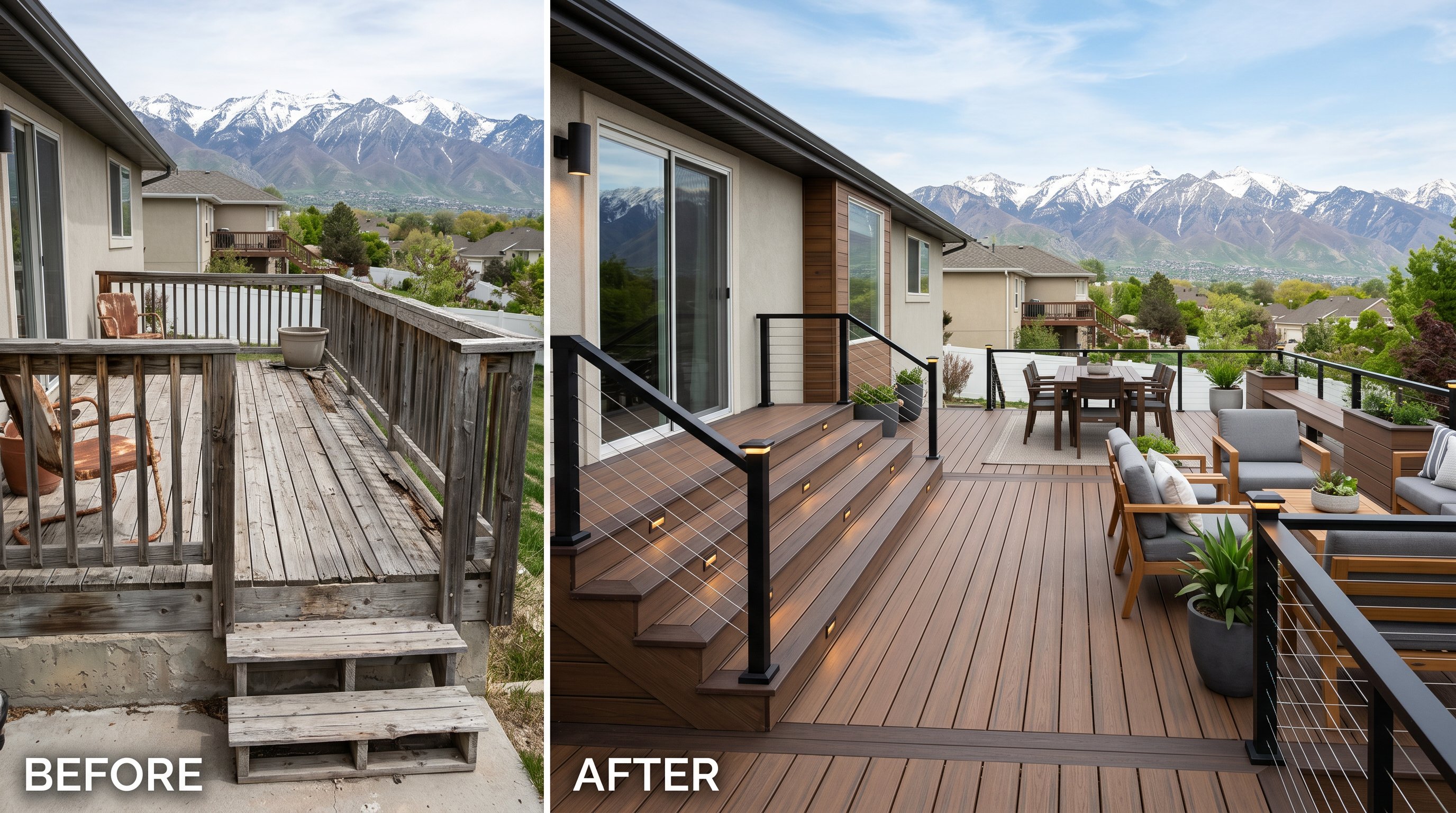
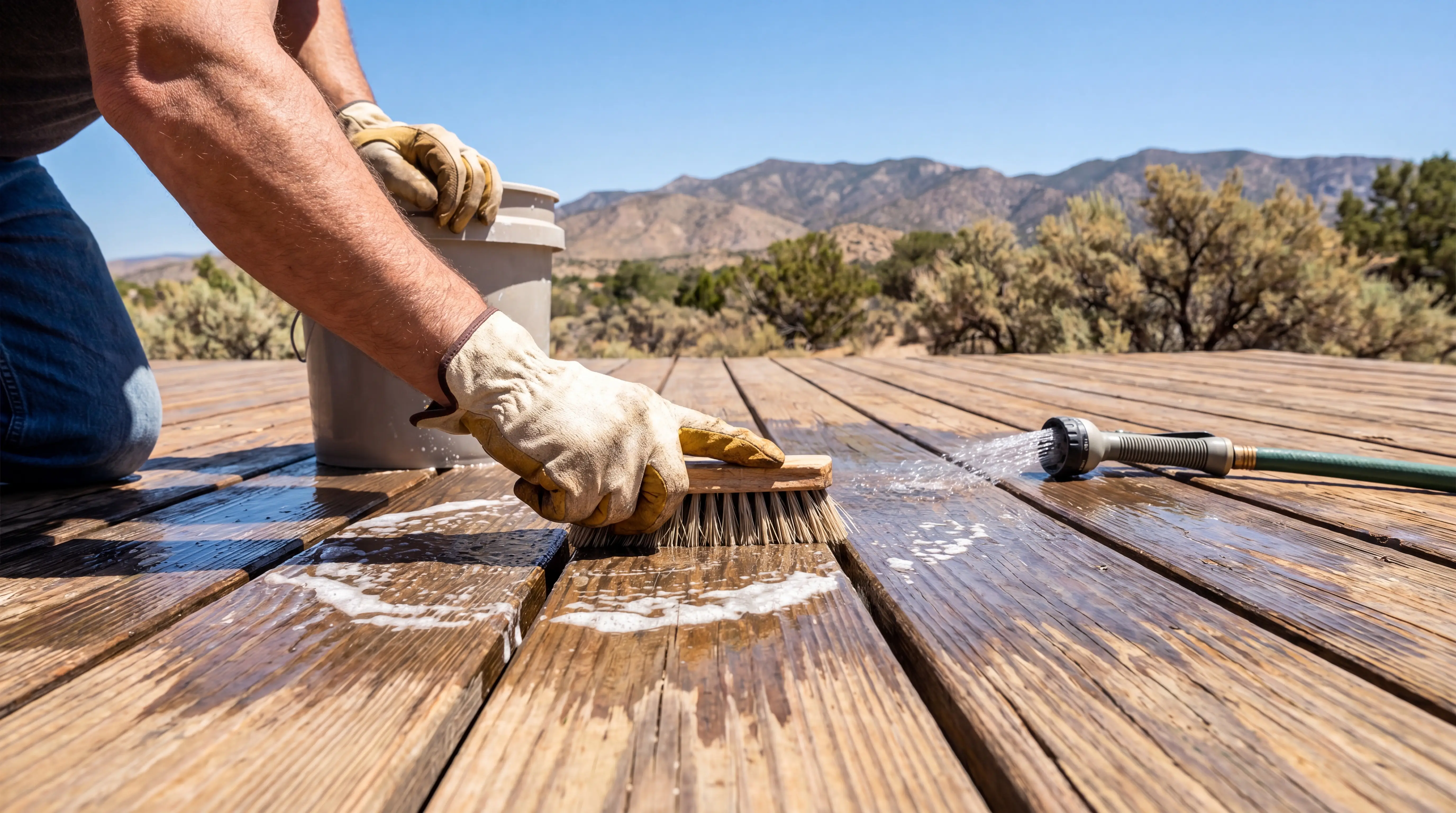
Wood can be beautiful and usually carries a lower upfront price, but Utah's sun and dry climate demand regular staining, sealing, and inspection. For many households, capped composite from brands such as Trex or TimberTech is the more sensible long-term choice. It resists splintering, warping, and fading far better than traditional wood, and snow melt is less of a maintenance headache.
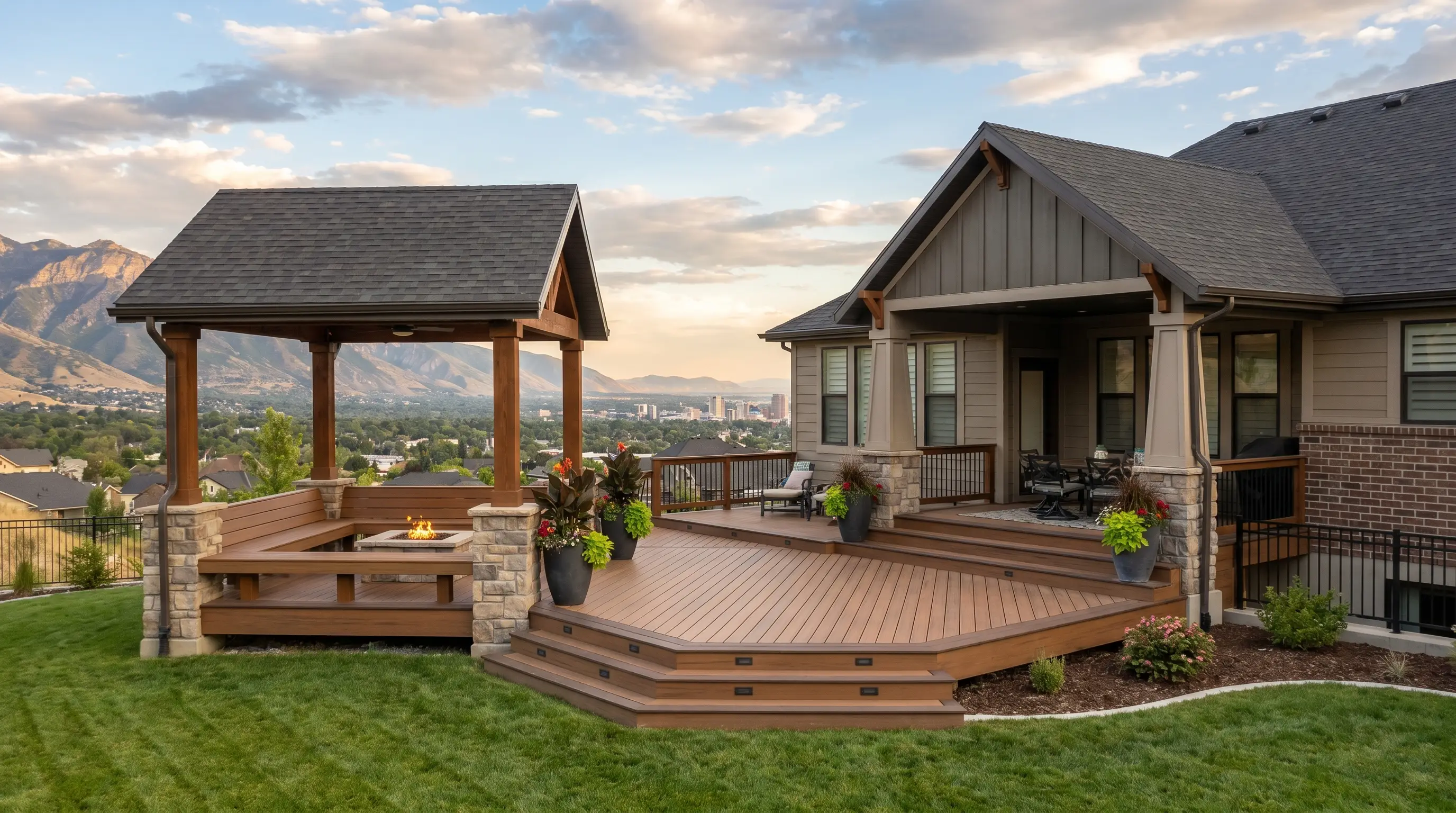
Material is only one decision. Choose a design around real use: a ground-level dining platform, a second-story deck with dry space below, or a multi-level layout that separates cooking from lounging. Our perspective on composite decking in Lehi is simple: the best board is the one paired with sound framing, proper drainage, and a layout that earns its footprint.
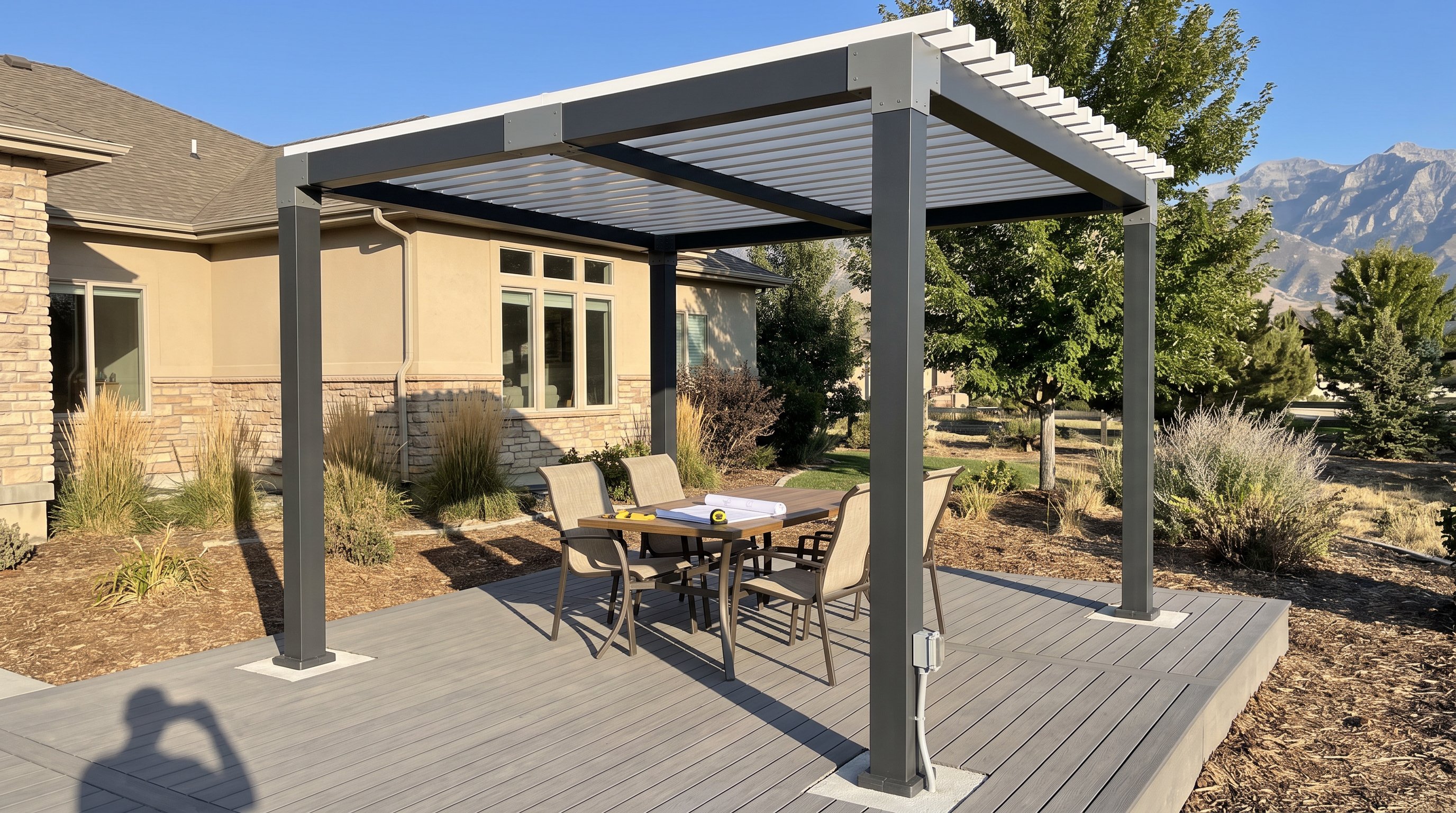
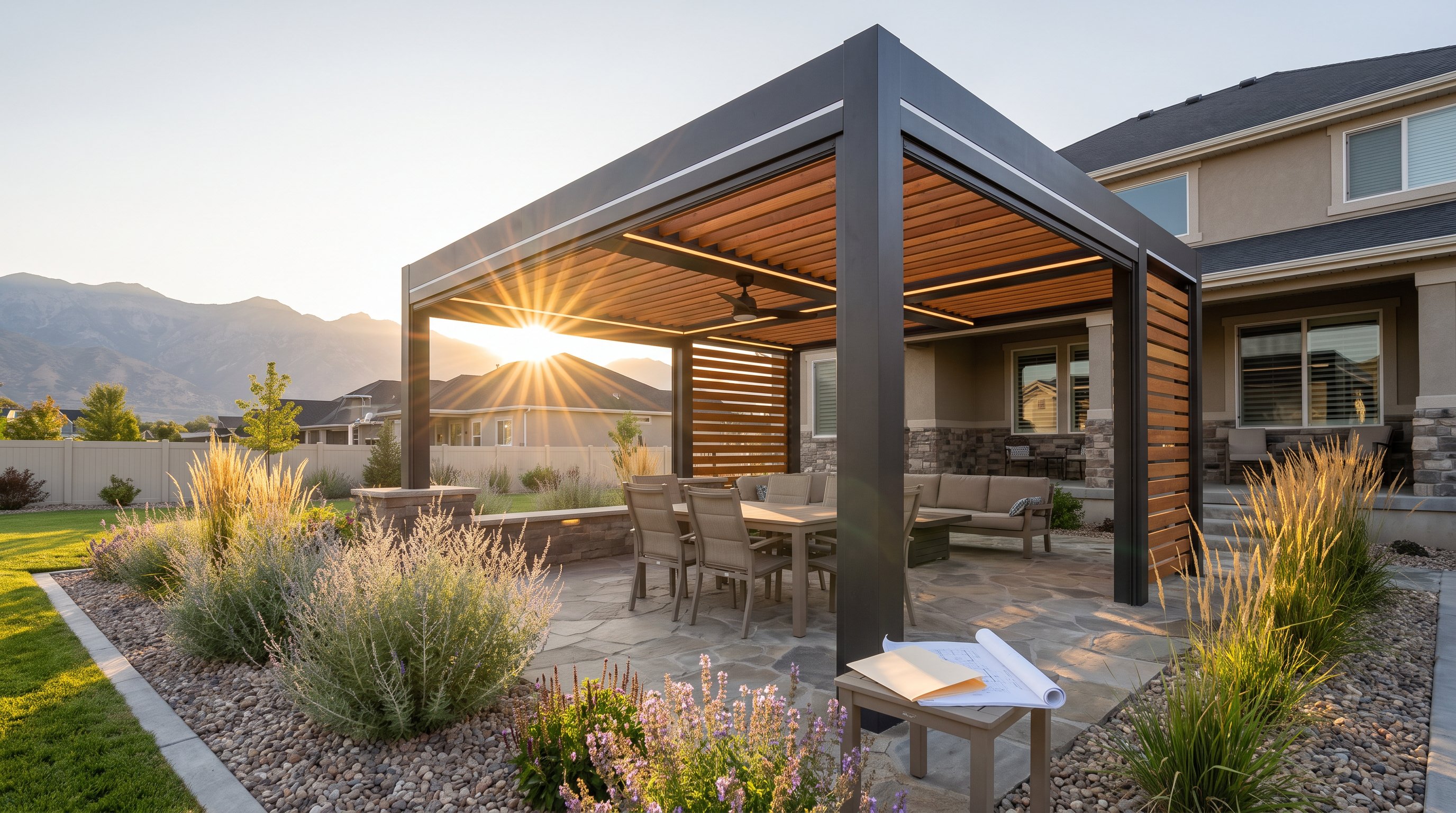
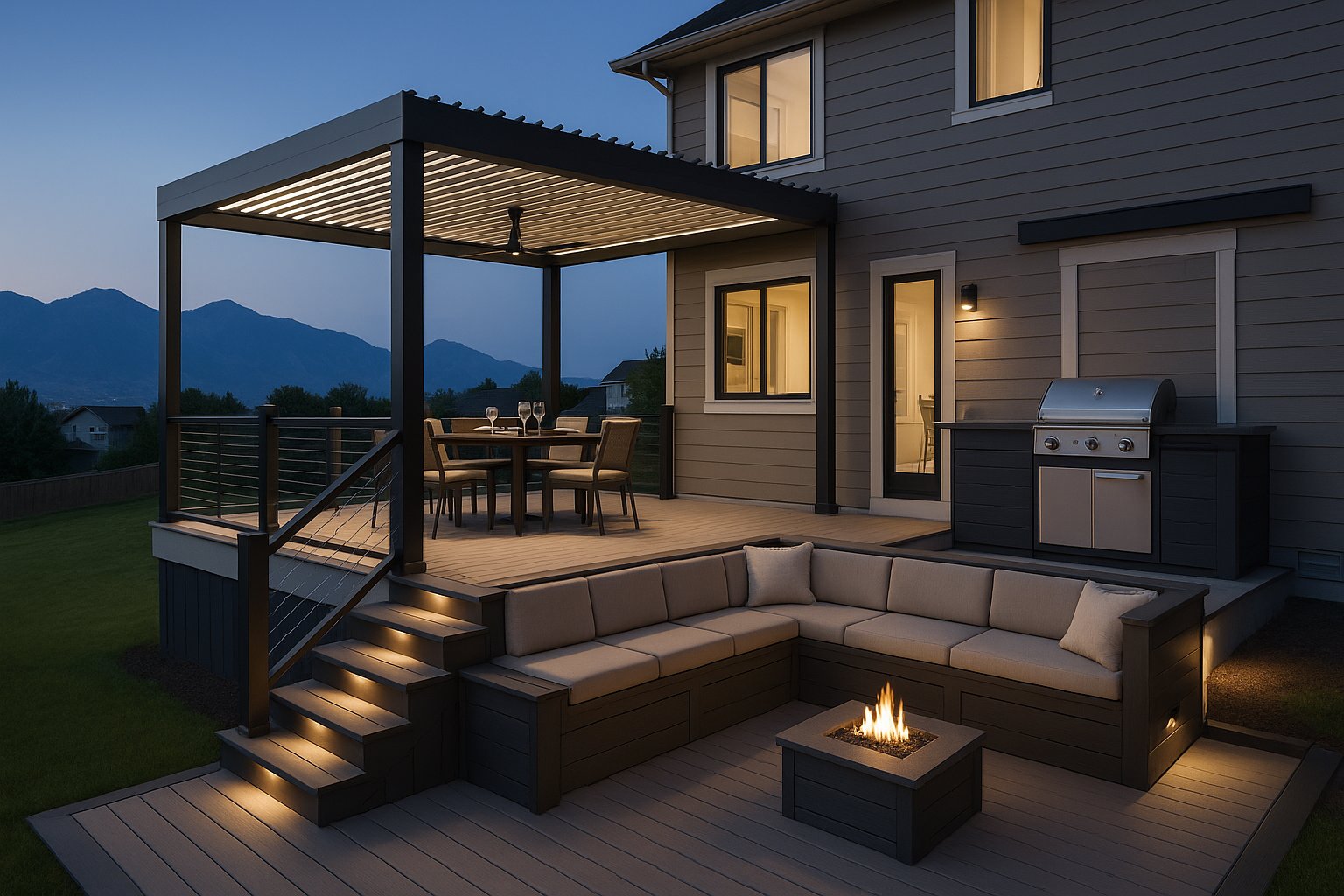
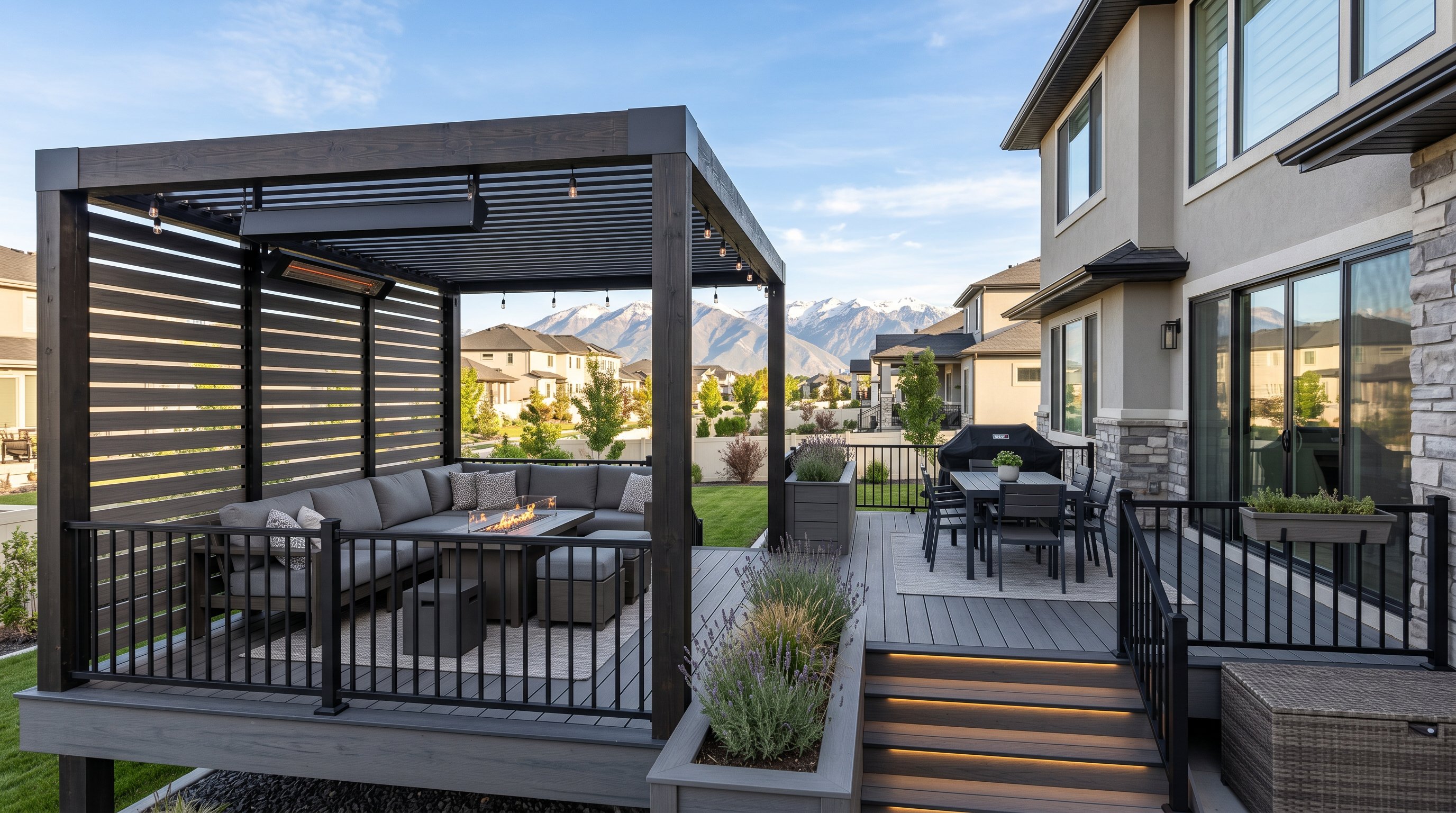
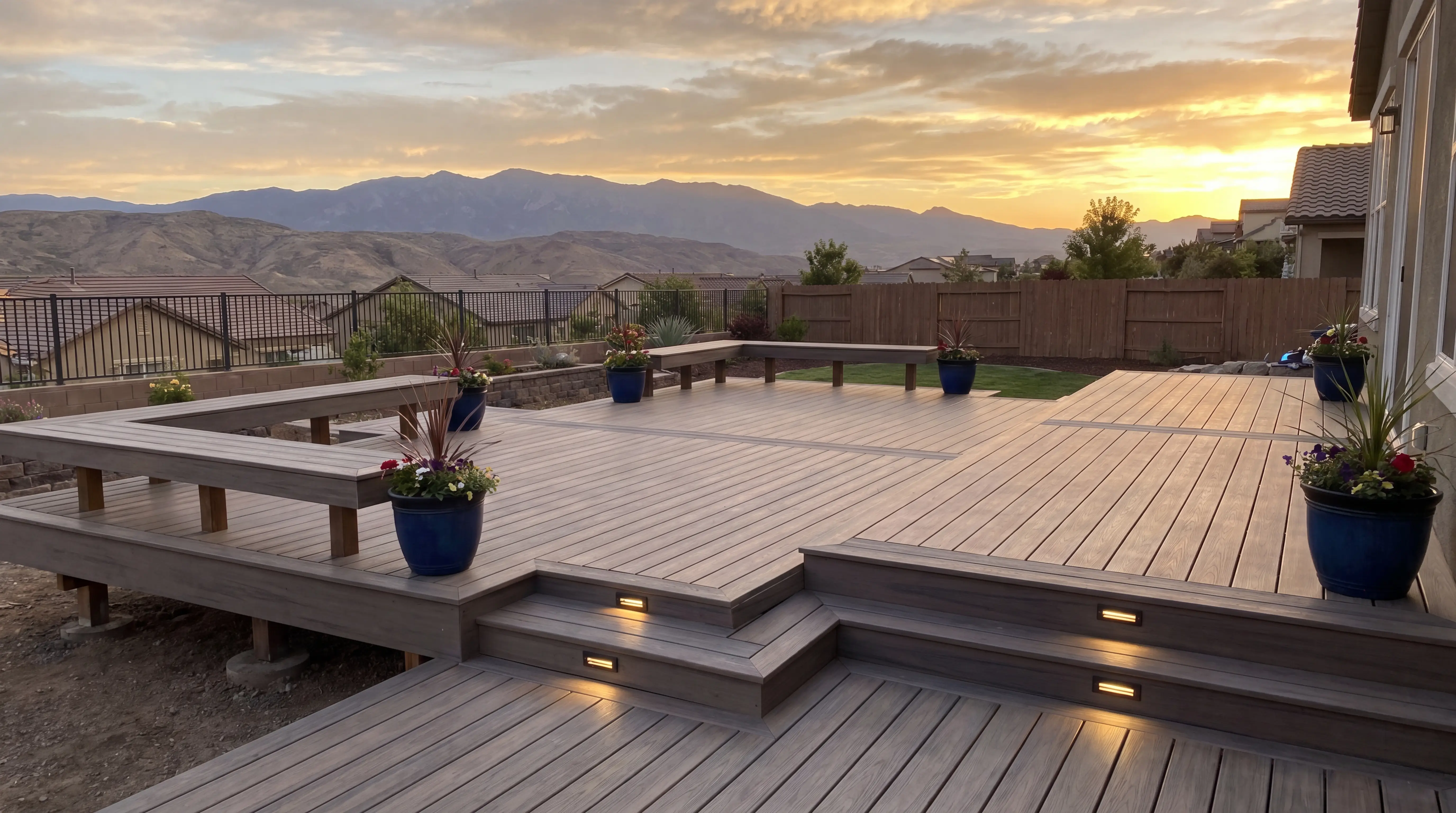
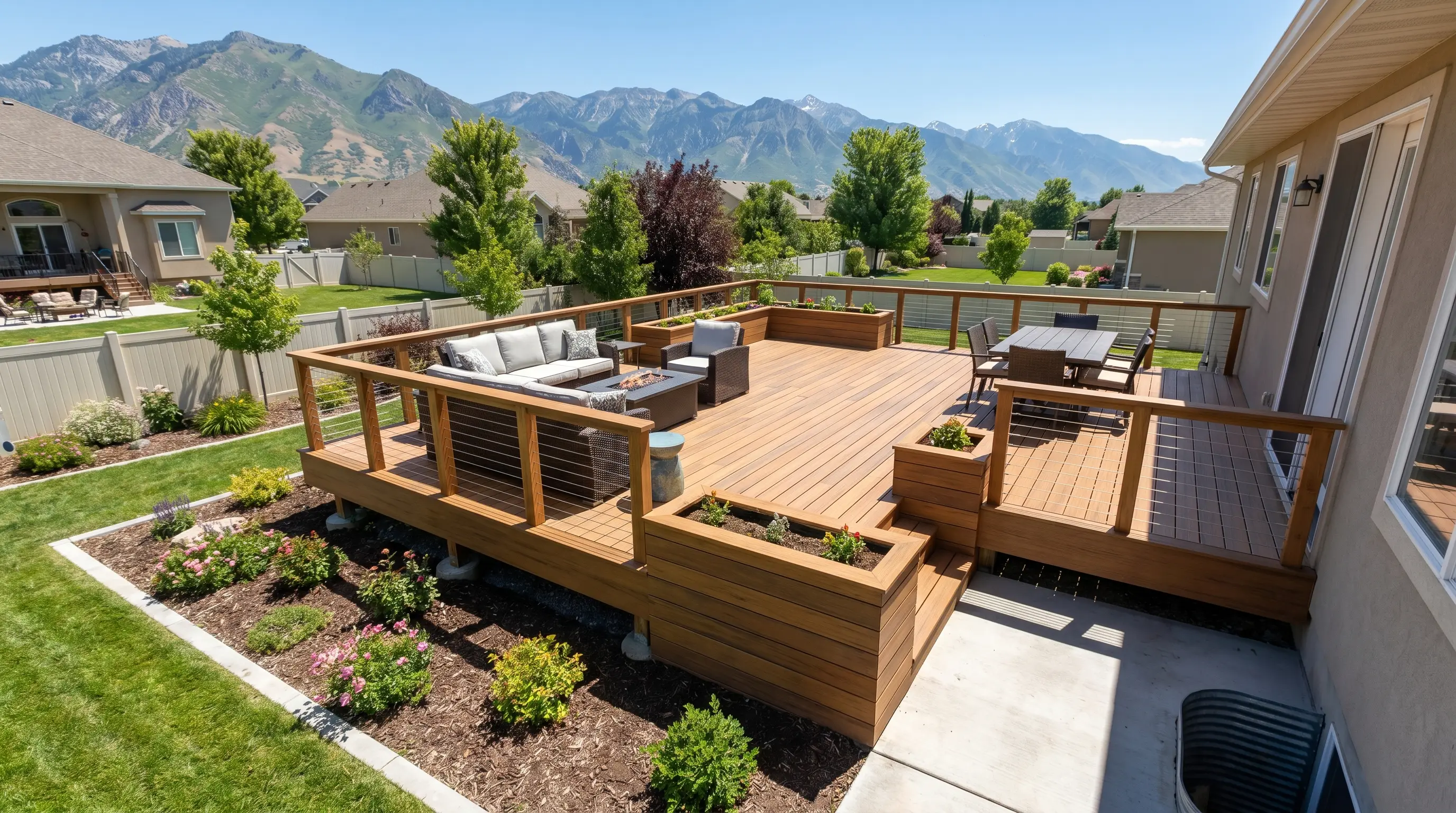
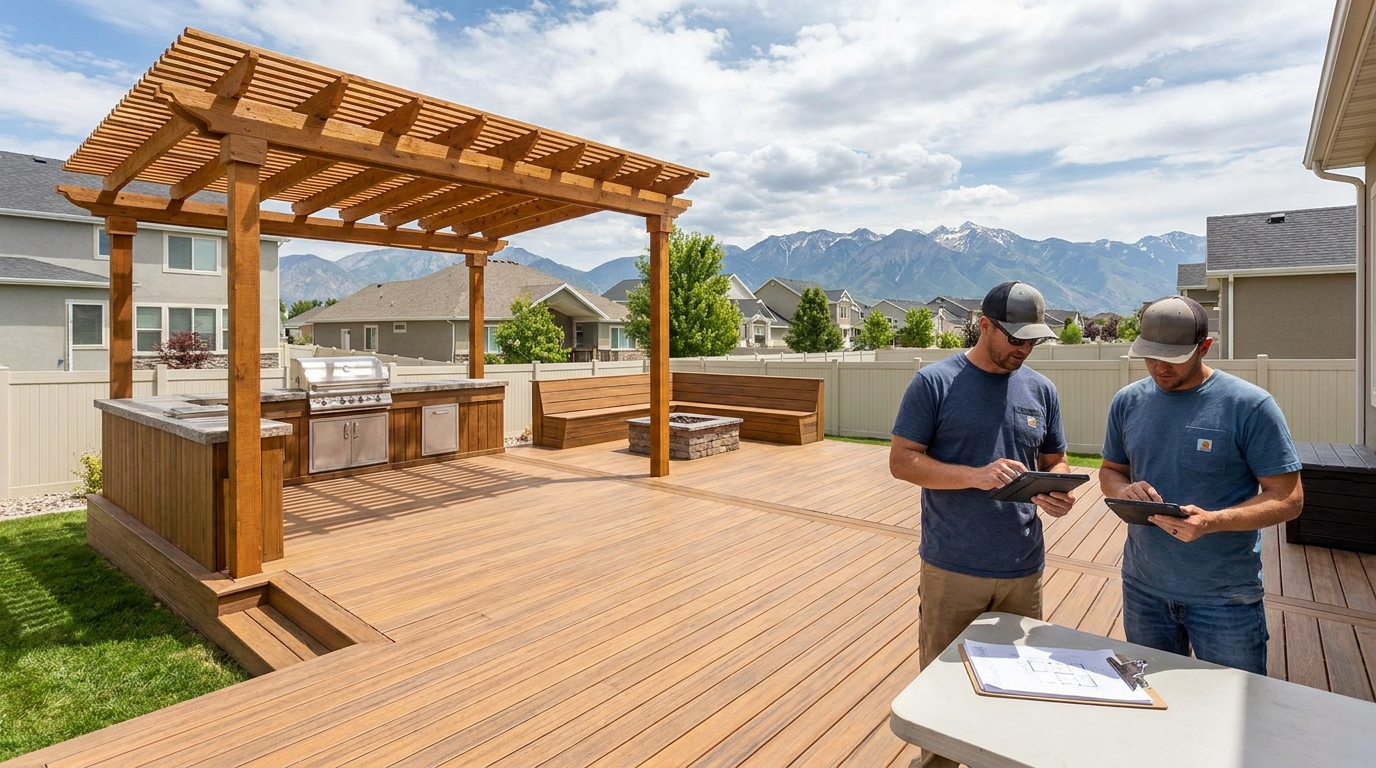
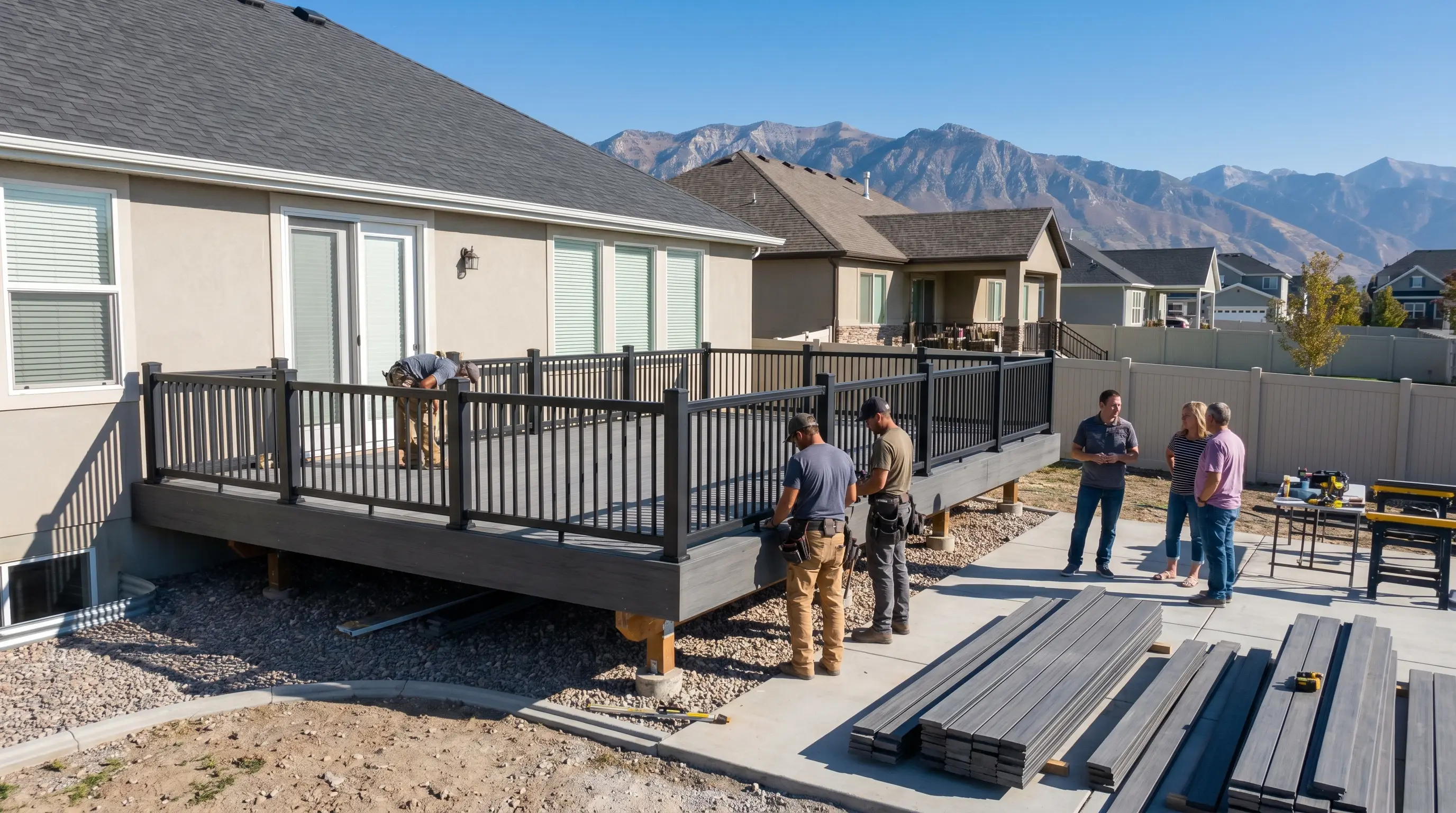
Useful upgrades include aluminum, cable, or glass railings for Wasatch views: low-voltage stair and post lighting: privacy walls: and under-deck drainage. A timber or motorized louvered pergola can turn a hot, exposed deck into a place you'll use at noon, too.
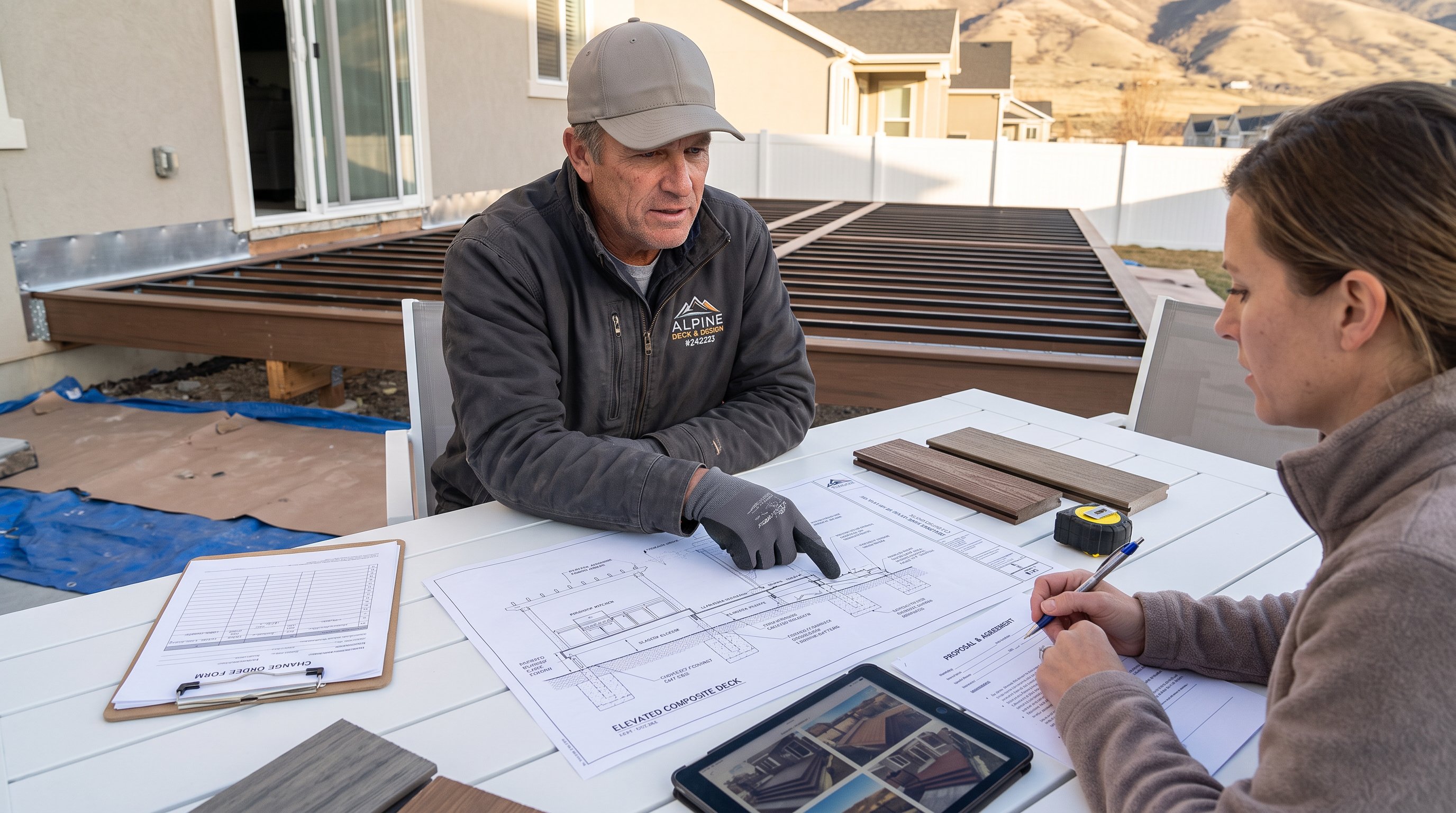
Bring a short list of direct questions to every estimate meeting:
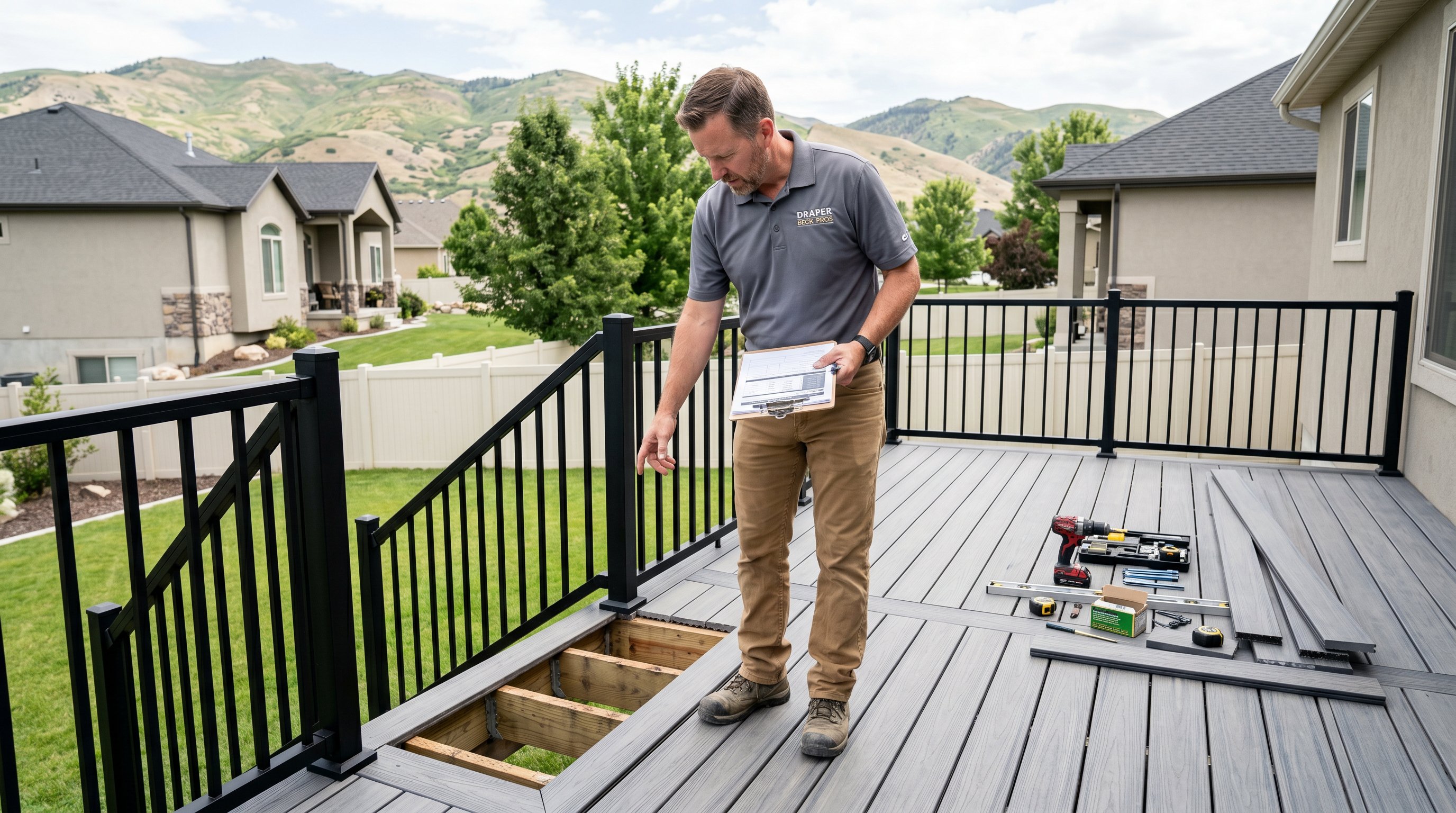
Listen for specifics. A contractor should be able to explain why a ledger needs proper flashing, where water will go, and whether an older frame is genuinely suitable for resurfacing. If you're planning a custom deck in Lehi, ask how the design will connect to the home and accommodate future additions, such as a pergola or outdoor kitchen.
We'd also ask how the builder handles the occasional surprise. Existing conditions can change a project. Clear options and written change orders are much better than a vague verbal promise.
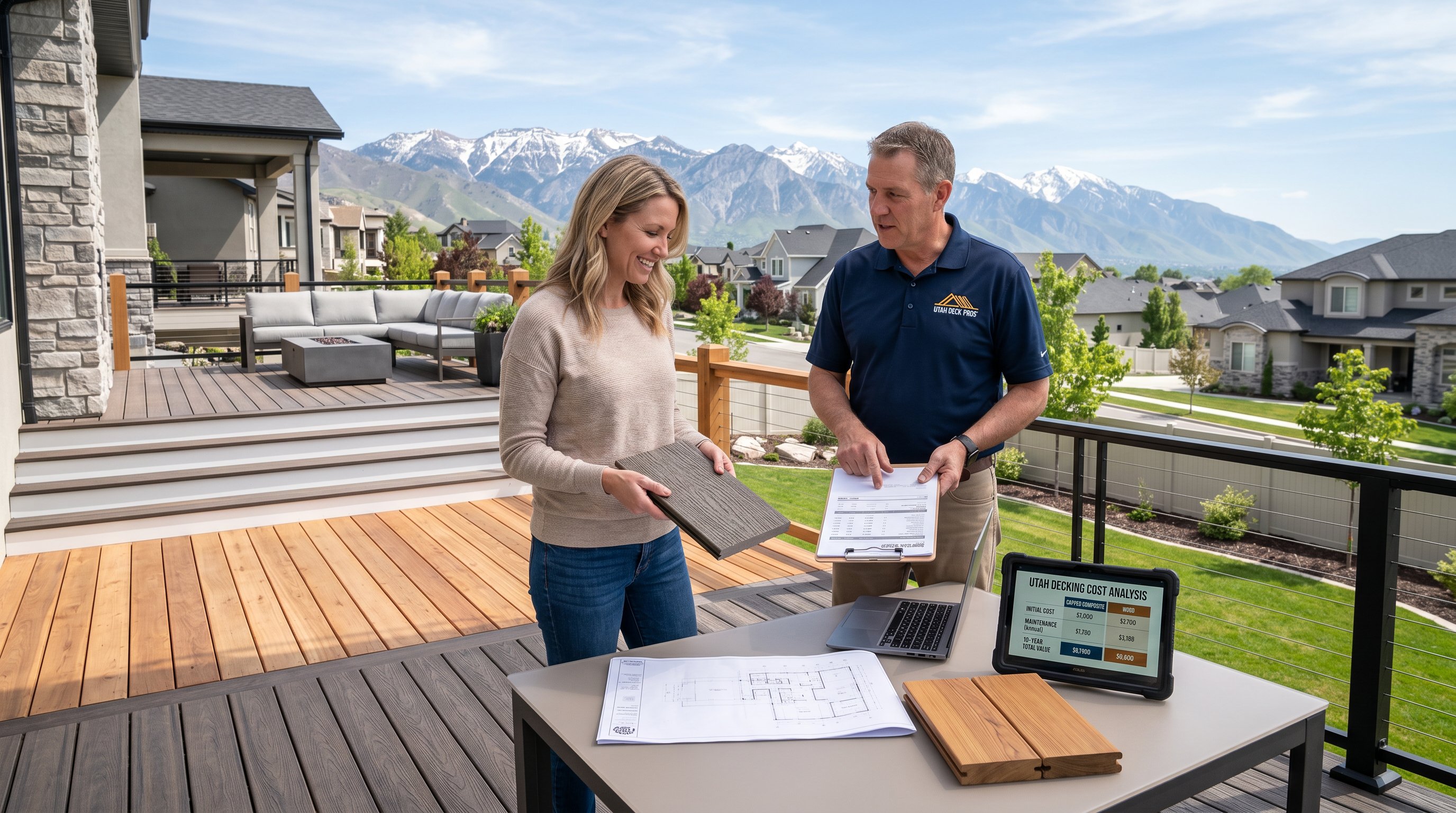
A useful estimate separates materials, labor, structural work, railings, stairs, lighting, permits, and optional upgrades. It should make comparisons possible without forcing you to decode a single mysterious total. As a planning range, new capped-composite decks commonly run about $65 to $95 or more per square foot: natural wood often falls around $45 to $65. Height, terrain, stairs, railings, and engineering can shift those numbers significantly.
Most standard projects take roughly two to six weeks from footing excavation through final walkthrough, although permitting, inspections, weather, and custom materials influence the calendar. When evaluating Tooele deck builders, ask for milestone expectations rather than an unrealistic fixed finish date.
Confirm the workmanship warranty separately from manufacturer coverage. Then establish communication expectations before signing. We provide weekly updates so homeowners know the current phase, next decision, and anticipated inspection timing. Good work is reassuring: good communication makes the entire build easier to live with.
The best deck builders near you won't push a cookie-cutter package. They'll create an outdoor room that fits your home and the way your family gathers, while respecting Utah's climate, code requirements, and budget. At 3sixty, we pair durable materials, engineered structural details, thoughtful shade, and honest planning to build backyard spaces meant for many seasons, not just a quick reveal photo.
Look for local deck builders with experience in projects like yours, especially those familiar with your city’s permits, HOA reviews, and climate challenges. Reviewing portfolios and communication reviews helps ensure they provide practical guidance and quality craftsmanship.
Capped composite decking resists splitting, warping, and fading under Utah’s intense sun and dry air. It handles snow melt well and requires less maintenance than natural wood, making it ideal for durable, long-lasting outdoor spaces.
Confirming that your deck builder is licensed, insured, and knowledgeable about permits protects you from liability, ensures code compliance, and avoids costly surprises related to safety inspections or structural issues during and after construction.
A skilled local builder assesses sun orientation, drainage, terrain slope, snow load, existing framing, and neighborhood privacy needs. This ensures your deck fits your site and withstands Utah's climate, including freeze-thaw cycles and heavy snow.
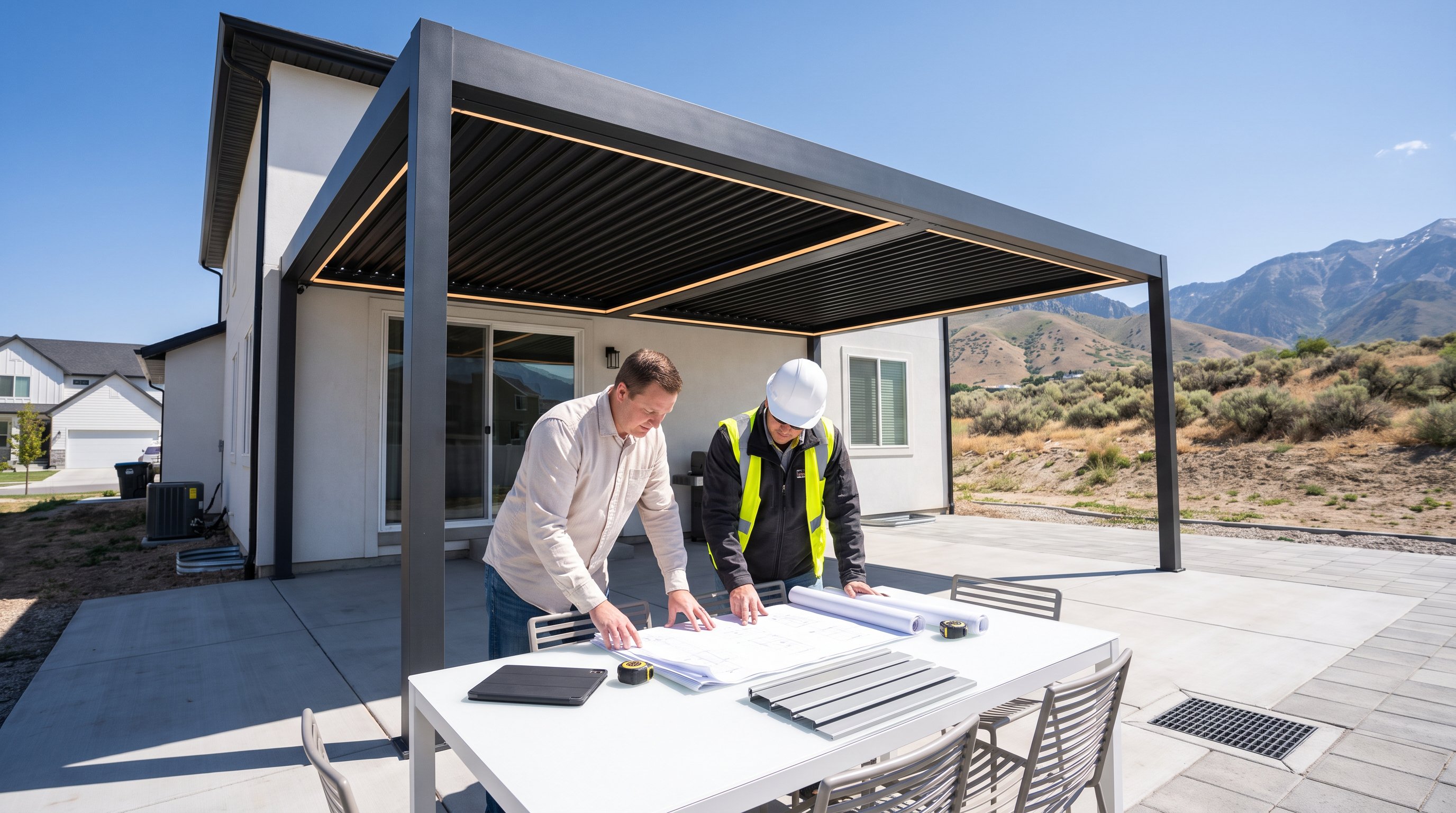
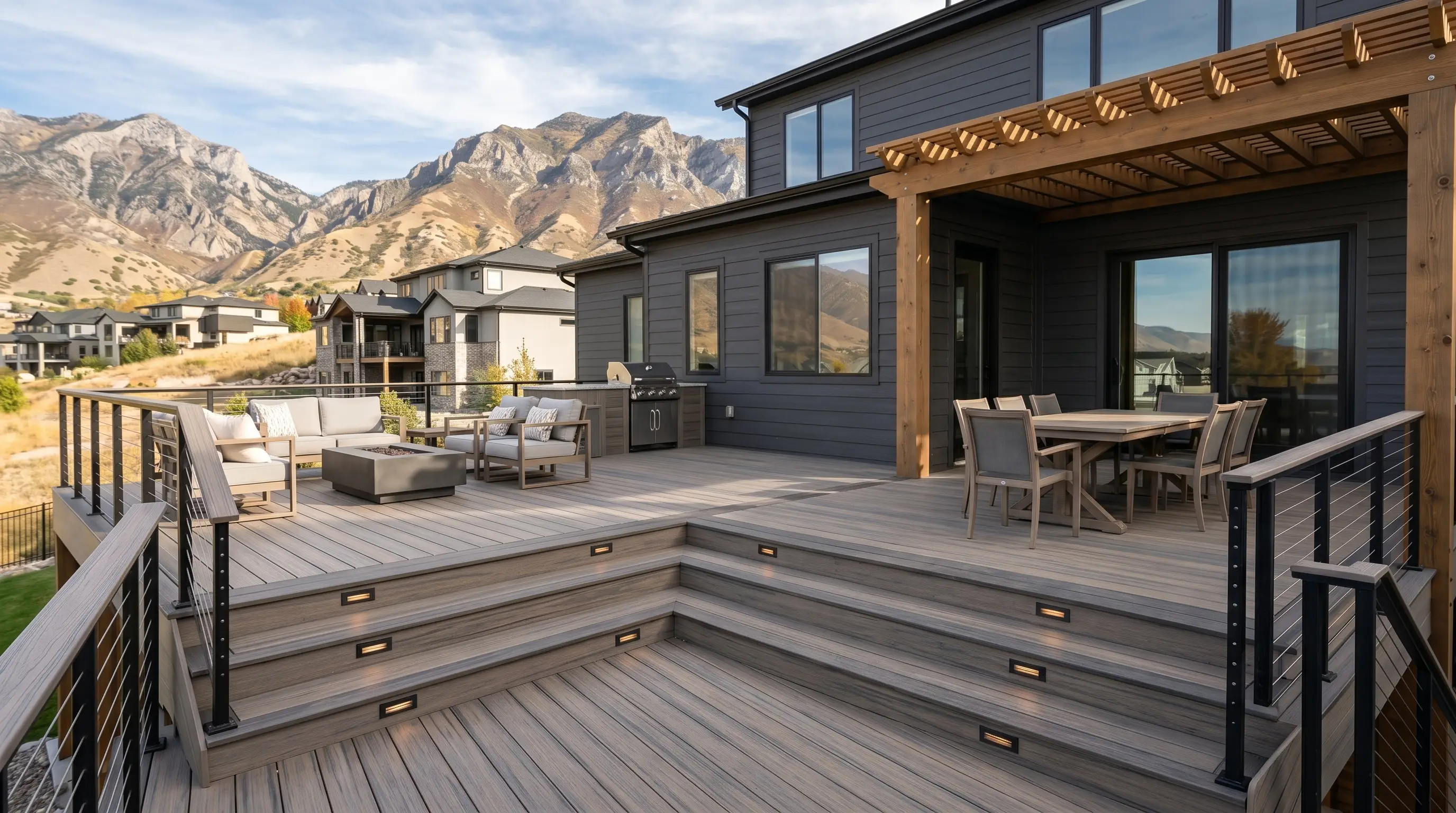
Yes, many local deck builders integrate custom timber or motorized louvered pergolas into deck designs, providing practical and stylish shade solutions to make your outdoor space comfortable during intense summer heat.
Most custom deck projects in Utah take about two to six weeks from excavation through final walkthrough, depending on permitting, weather, complexity, and custom materials chosen.

.avif)
.avif)












.png)



.webp)