
A deck can look fine from the top while the framing underneath is quietly failing. In Utah, that's more common than many homeowners realize. Heavy snow, intense summer UV, dry air, and freeze-thaw cycles can all shorten the life of posts, joists, beams, and ledger connections. If you catch the warning signs early, deck framing repair in Utah is usually far more affordable than waiting until boards sag, railings loosen, or structural damage spreads. In this guide, we'll walk through what to watch for, what repairs typically involve, and when it's smart to call for professional help. Our deck building services are available in the {location} area and surrounding Utah neighborhoods.
Utah is hard on outdoor structures. The same deck frame can face blazing summer heat, deep winter snow, sudden temperature swings, and months of very dry air. That combination speeds up cracking, shrinkage, fastener corrosion, and moisture-related decay.
One big issue is the freeze-thaw cycle. Water gets into small cracks around hardware, post bases, and ledger connections, then expands when temperatures drop. Over time, that movement loosens structural connections and can lead to splitting. Snow load is another factor. Along the Wasatch Front, decks need framing that can handle serious winter weight without sagging.
We also see UV exposure dry out untreated or aging wood faster than many homeowners expect. Even in areas near local landmarks like Utah Lake, moisture patterns and seasonal shifts can create uneven wear. That's why deck framing repair in Utah isn't just about replacing damaged lumber, it's about correcting climate-related weaknesses before they become a safety problem.
Some problems show up subtly at first. Others are obvious once you know where to look.
The most common red flags include:
You may also notice doors sticking where the deck connects to the house, or visible separation between the deck and siding. Those are signs the ledger connection may be compromised.
If your deck is more than 10 to 15 years old, especially if it was built with older fasteners or minimal flashing, it's worth taking a closer look. We help homeowners throughout the {location} area and surrounding Utah neighborhoods identify whether the issue is cosmetic, surface-level, or truly structural. Catching it early can save a lot of money, and stress.
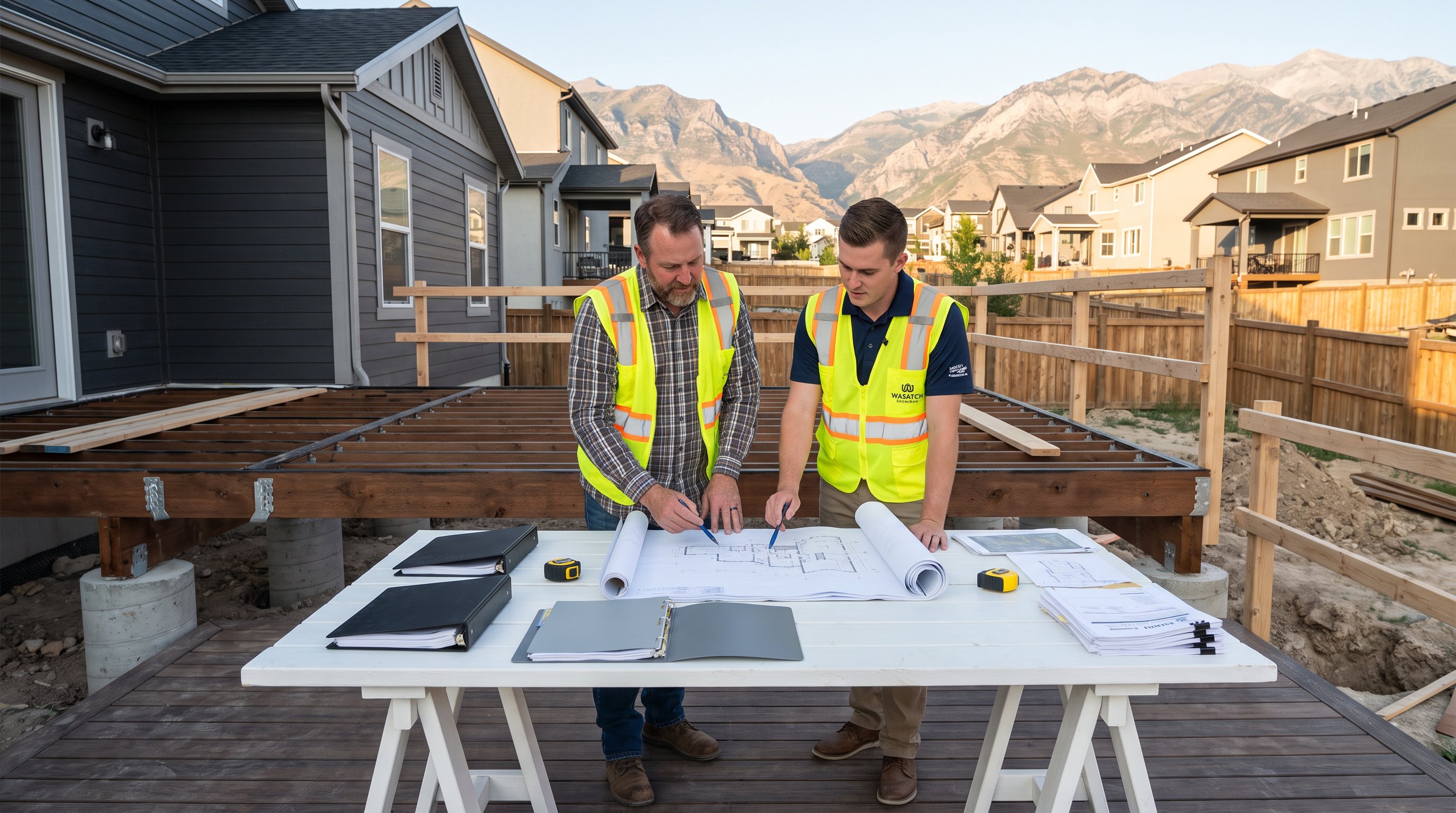
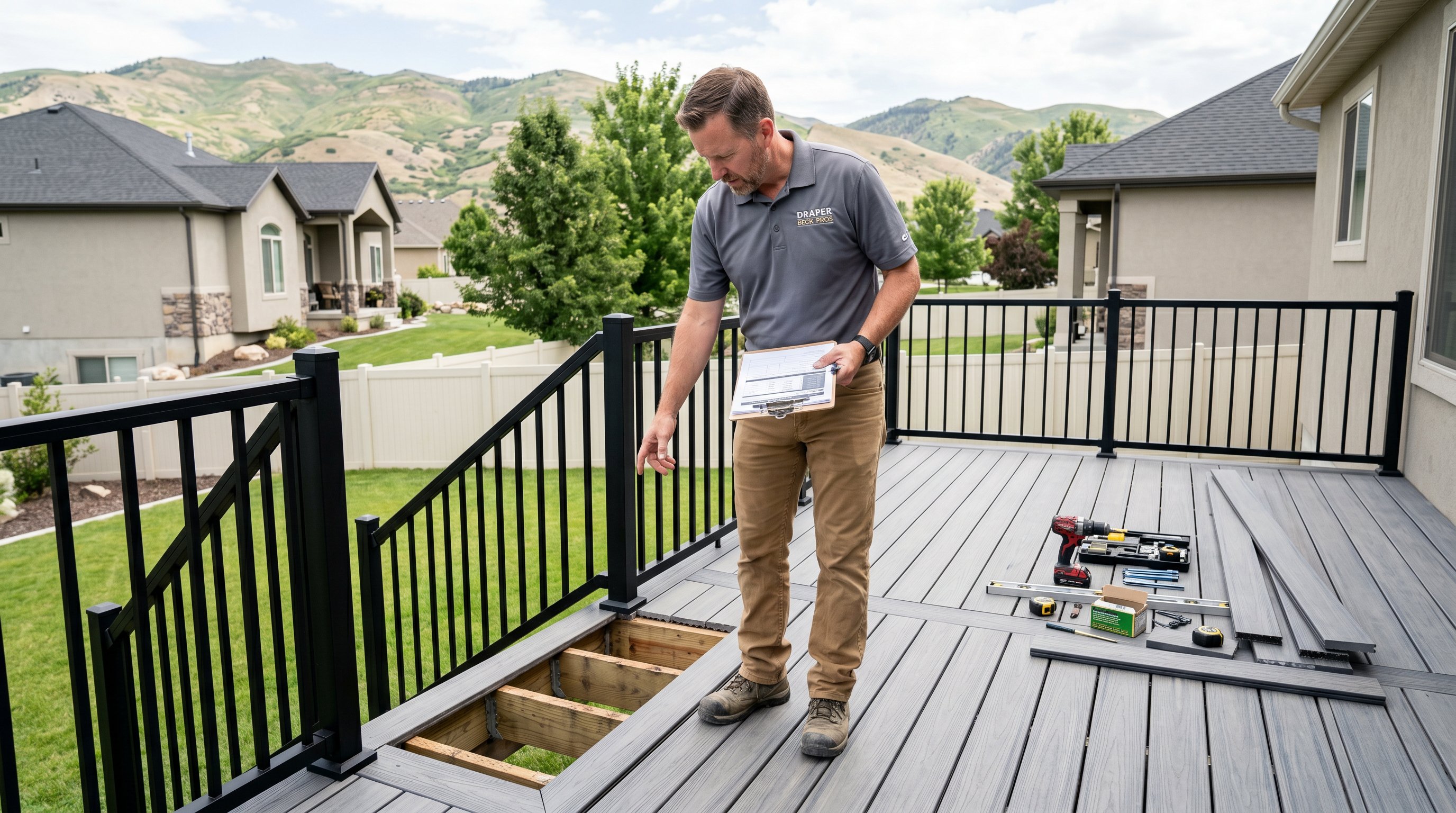
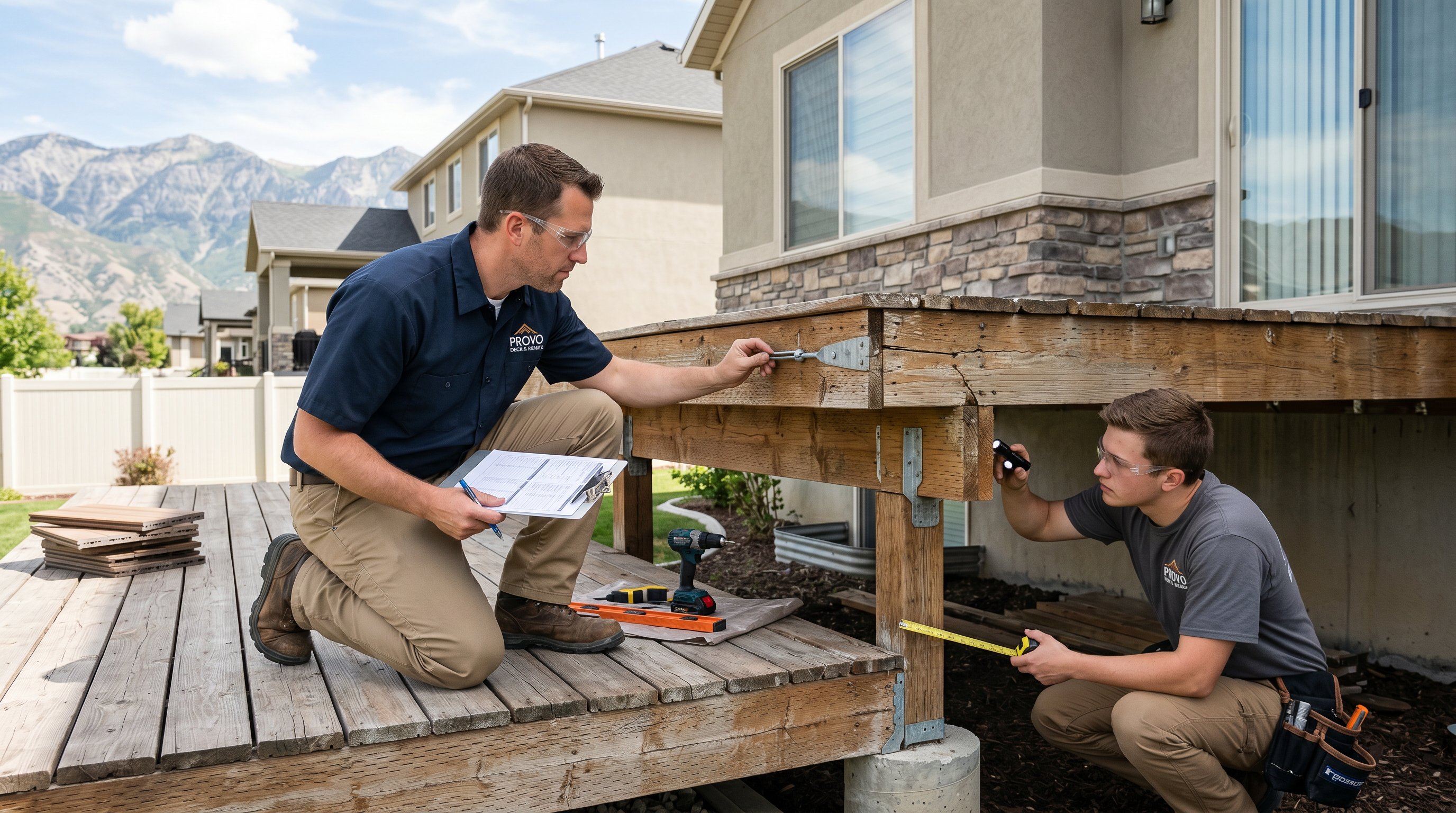
A proper inspection goes well beyond looking at the deck boards. The real question is whether the structure underneath is still sound, code-compliant, and capable of handling live loads, snow loads, and daily use.
A professional deck framing inspection should evaluate:
Local experience matters here. In Utah, inspection standards have to account for snow loads, frost depth, and city-specific permit expectations. We build and inspect decks with those realities in mind, and our deck building services are available in the {location} area and surrounding Utah neighborhoods. A thorough review can often reveal whether a repair is straightforward or whether hidden structural deterioration is already spreading.
Most deck framing repair in Utah falls into a few common categories.
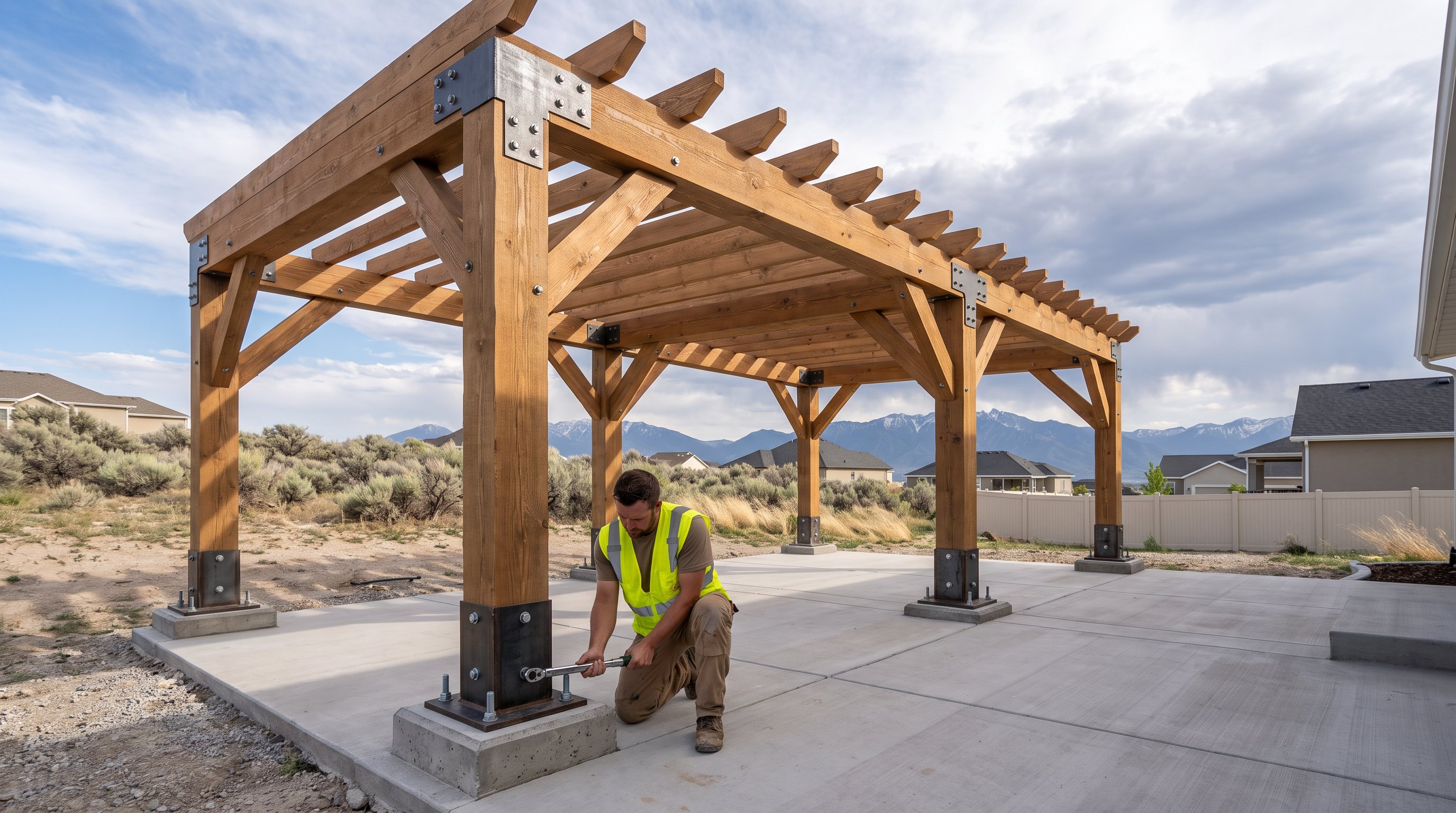
Posts may need replacement if they're rotting at the base, splitting vertically, or sitting on inadequate footings. In many Utah yards, shallow footings become a problem after repeated freeze-thaw cycles. We often recommend rebuilding these below the local frost line, typically 30 inches or deeper depending on the jurisdiction.
Beams may need sistering, reinforcement, or full replacement if they've sagged or were undersized from the start.
Joists are often repaired by replacing isolated damaged members or sistering new joists alongside weakened ones. We also correct joist spacing when homeowners plan to upgrade to composite decking, since products like Trex or TimberTech have specific span requirements.
Ledger boards are the highest-risk repair area. If water has penetrated behind the ledger, both the deck and the house rim joist may be affected. Proper repairs usually include removing finishes as needed, replacing damaged material, adding flashing, and reinstalling with approved structural fasteners.
Not every damaged deck needs to be torn out. But not every old frame is worth saving, either.
Repair is usually enough when the damage is isolated: maybe one post has rot at the base, a few joists have water damage, or the ledger flashing failed in a limited area. If the overall frame is still straight, well-supported, and properly sized, targeted repairs can extend the life of the deck significantly.
A partial rebuild makes more sense when multiple structural components are compromised at once. That's especially true if the original framing was never built to modern standards. We see this often on older decks where spacing, connectors, lateral bracing, or footing depth no longer meet current expectations.
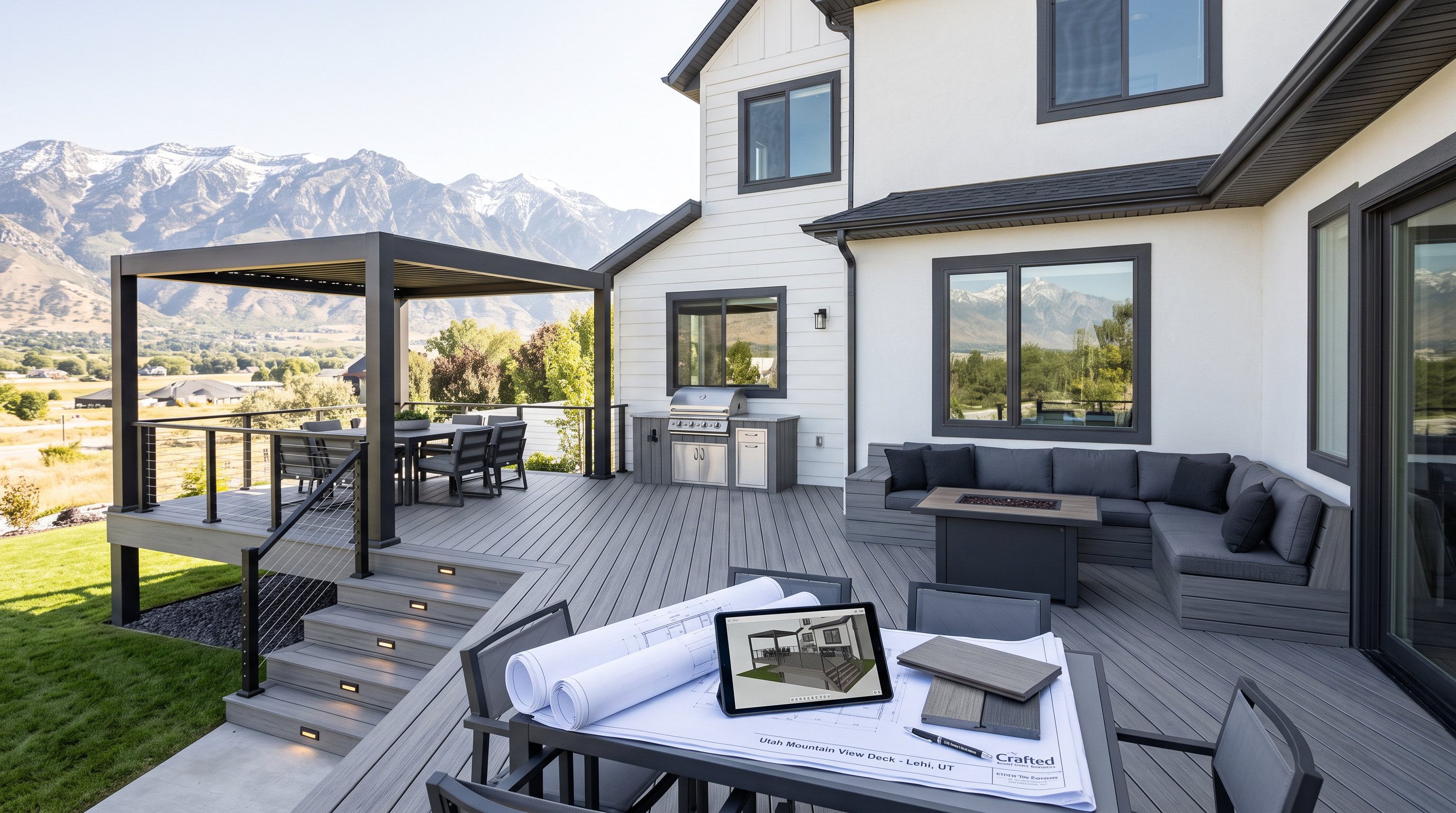
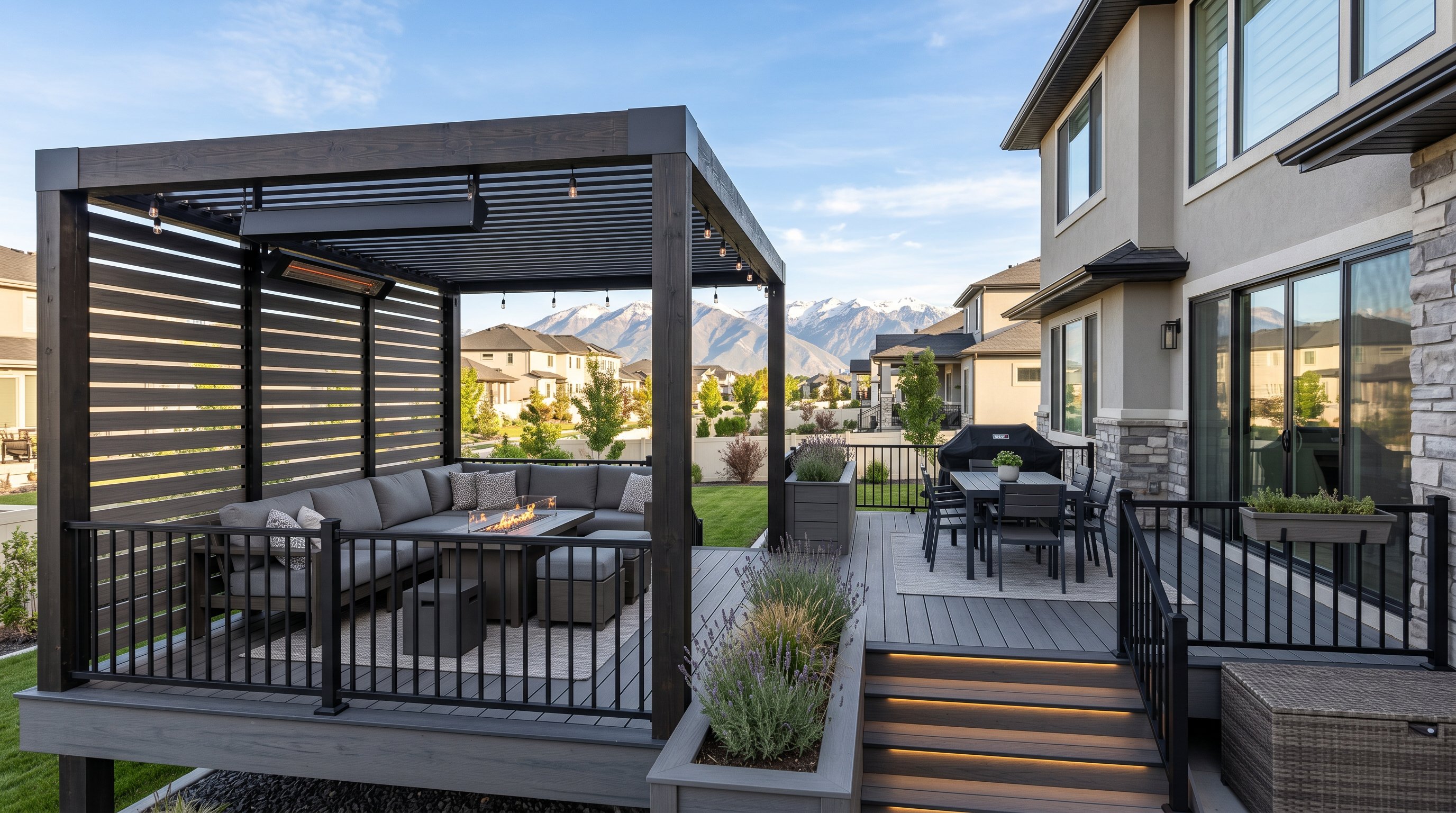
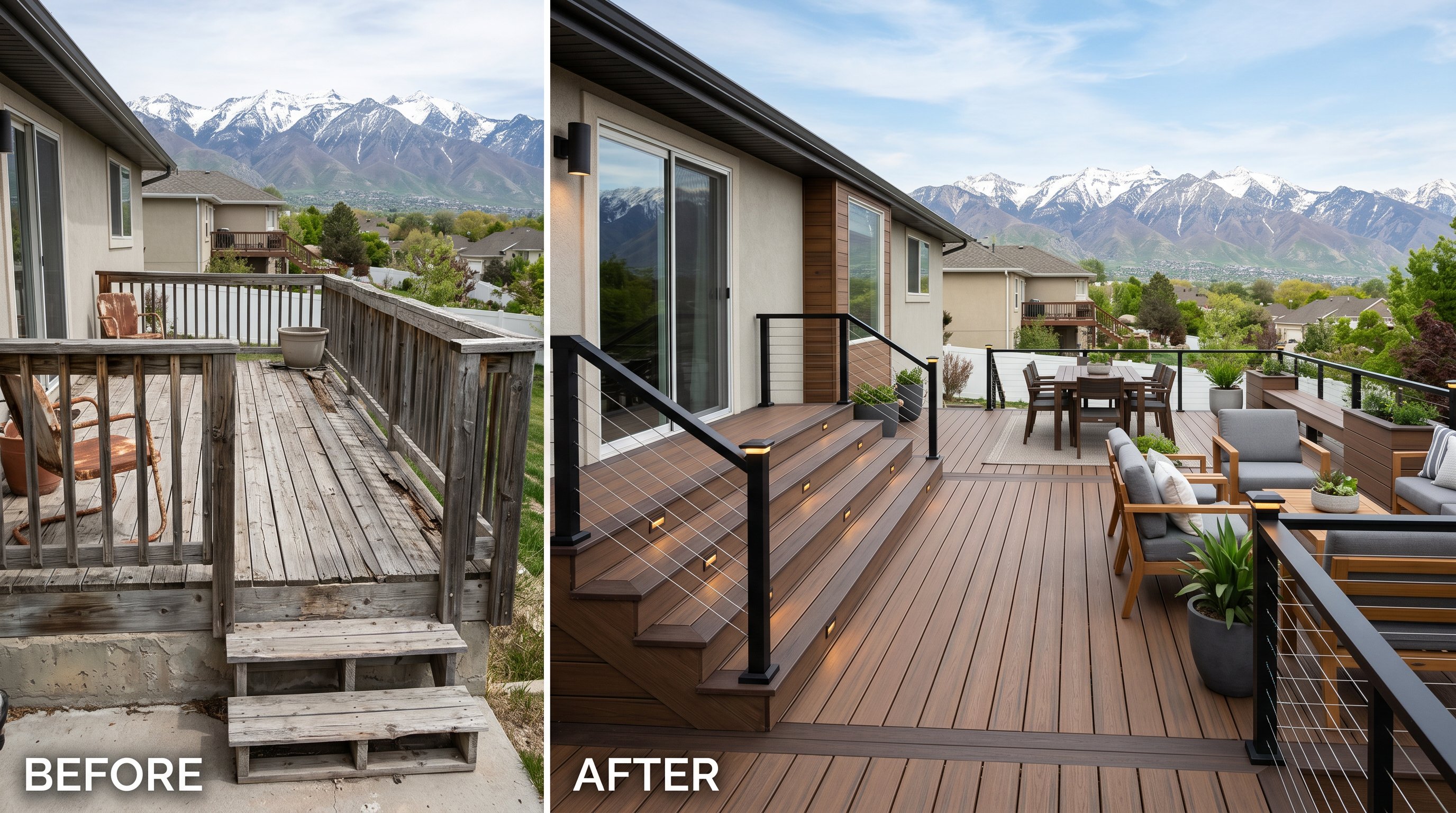
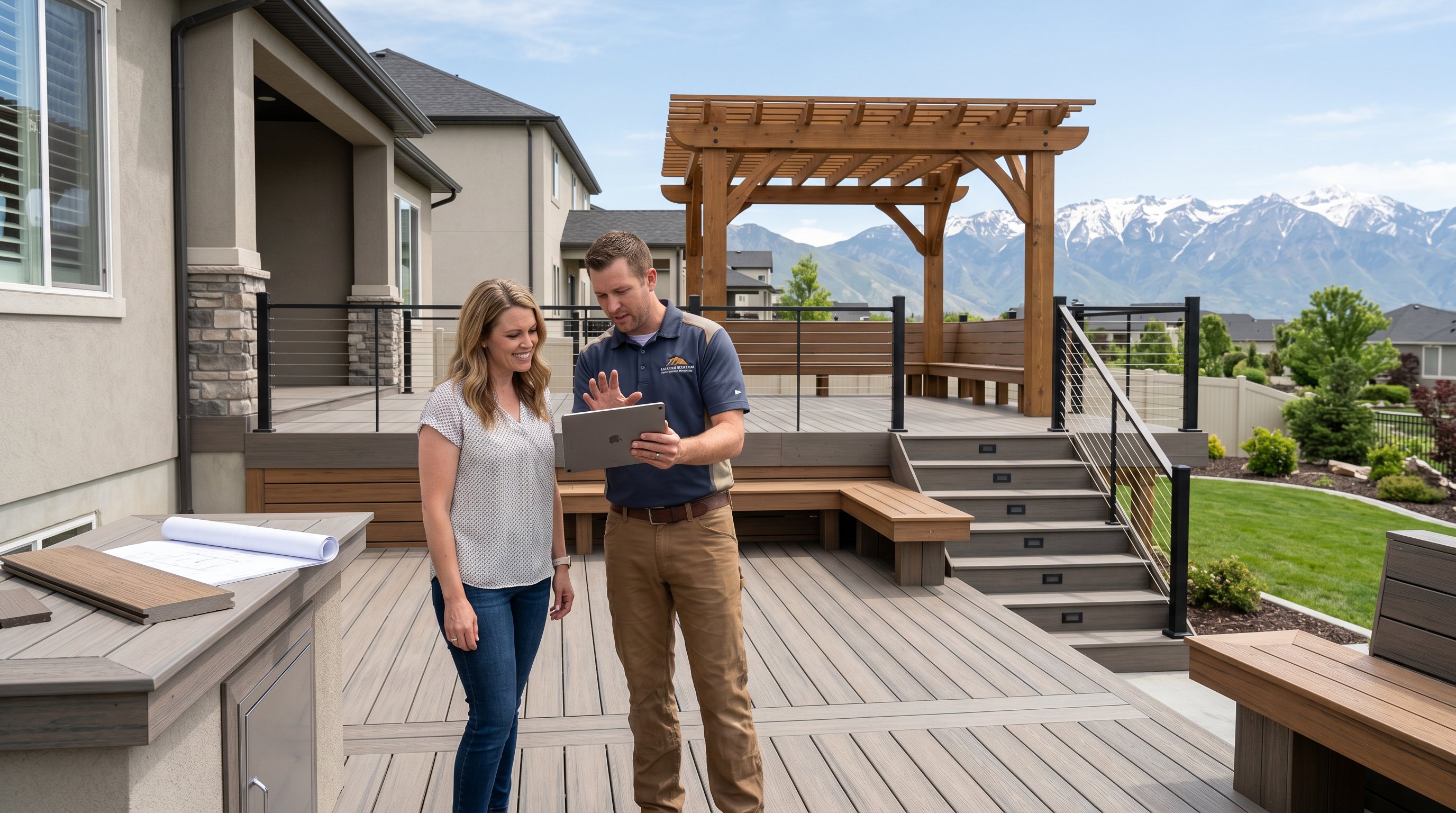
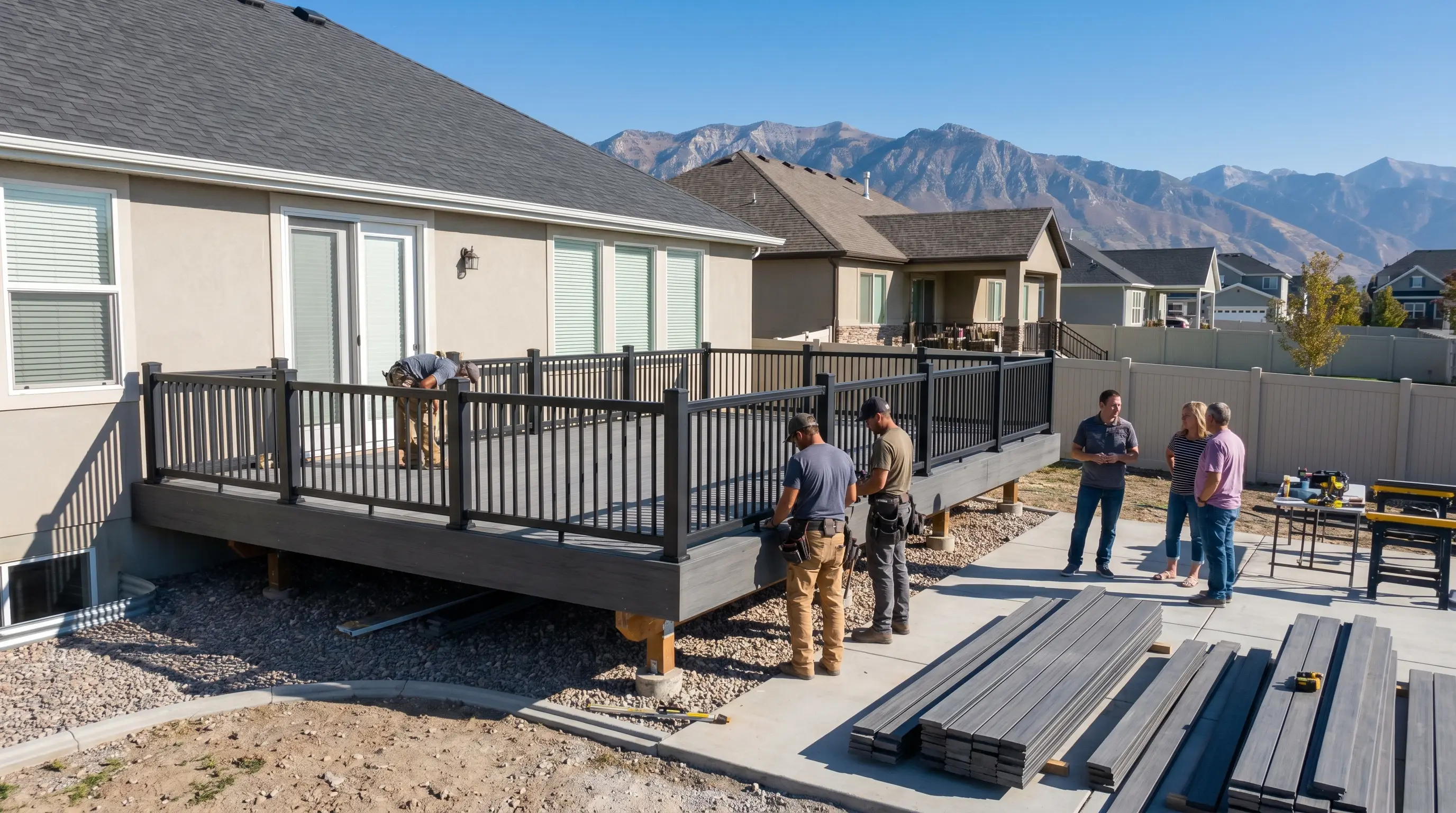
In some cases, homeowners want to resurface with low-maintenance composite boards and modern railings. If the old frame can't support that upgrade safely, rebuilding the substructure first is the smarter investment. Our deck building services are available in the {location} area and surrounding Utah neighborhoods, so we can help weigh repair costs against long-term value.
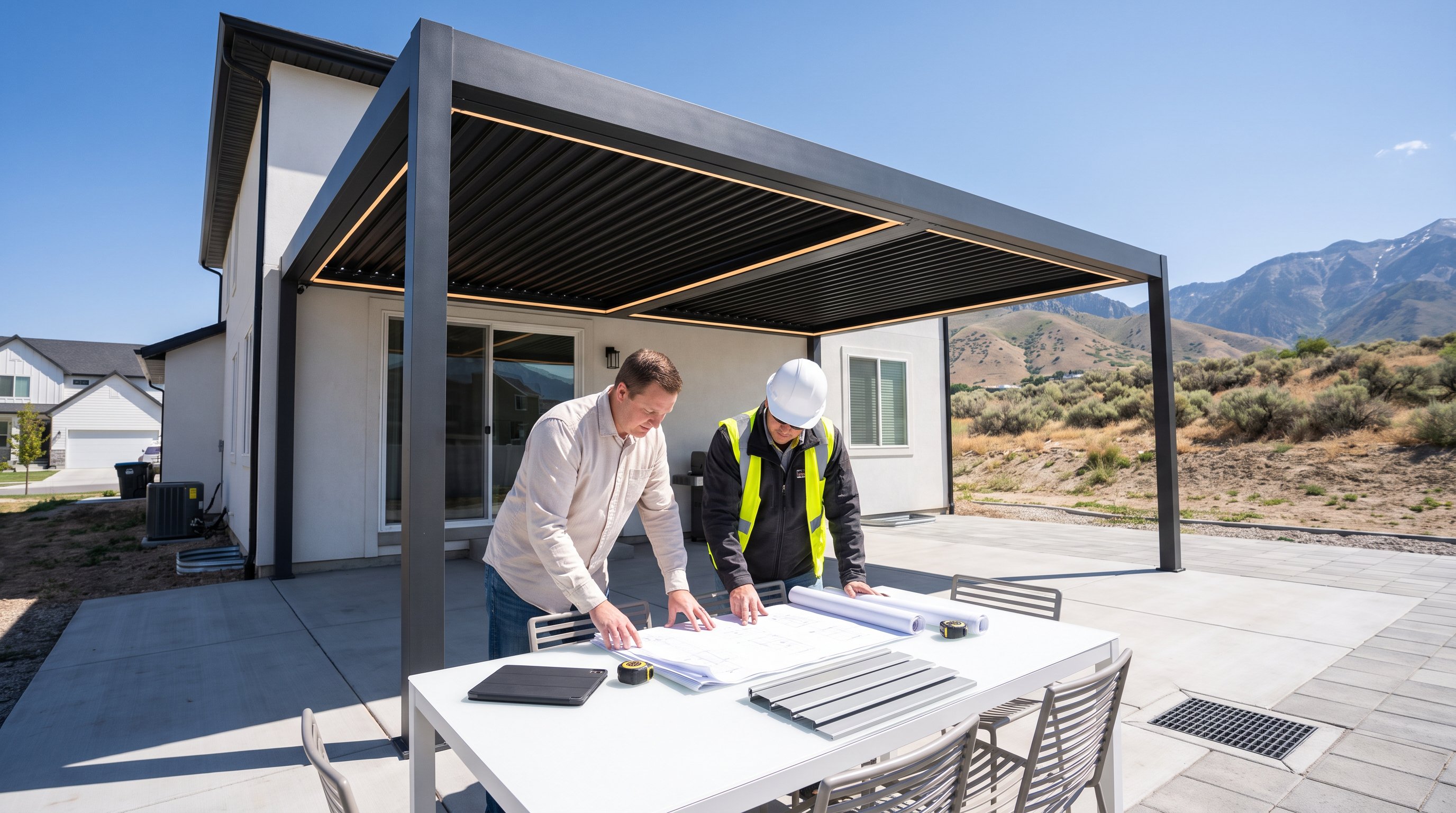
Deck framing repair isn't just a carpentry issue. In Utah, code and permitting can directly affect what kind of repair is allowed, and whether an inspector will require upgrades beyond the visibly damaged section.
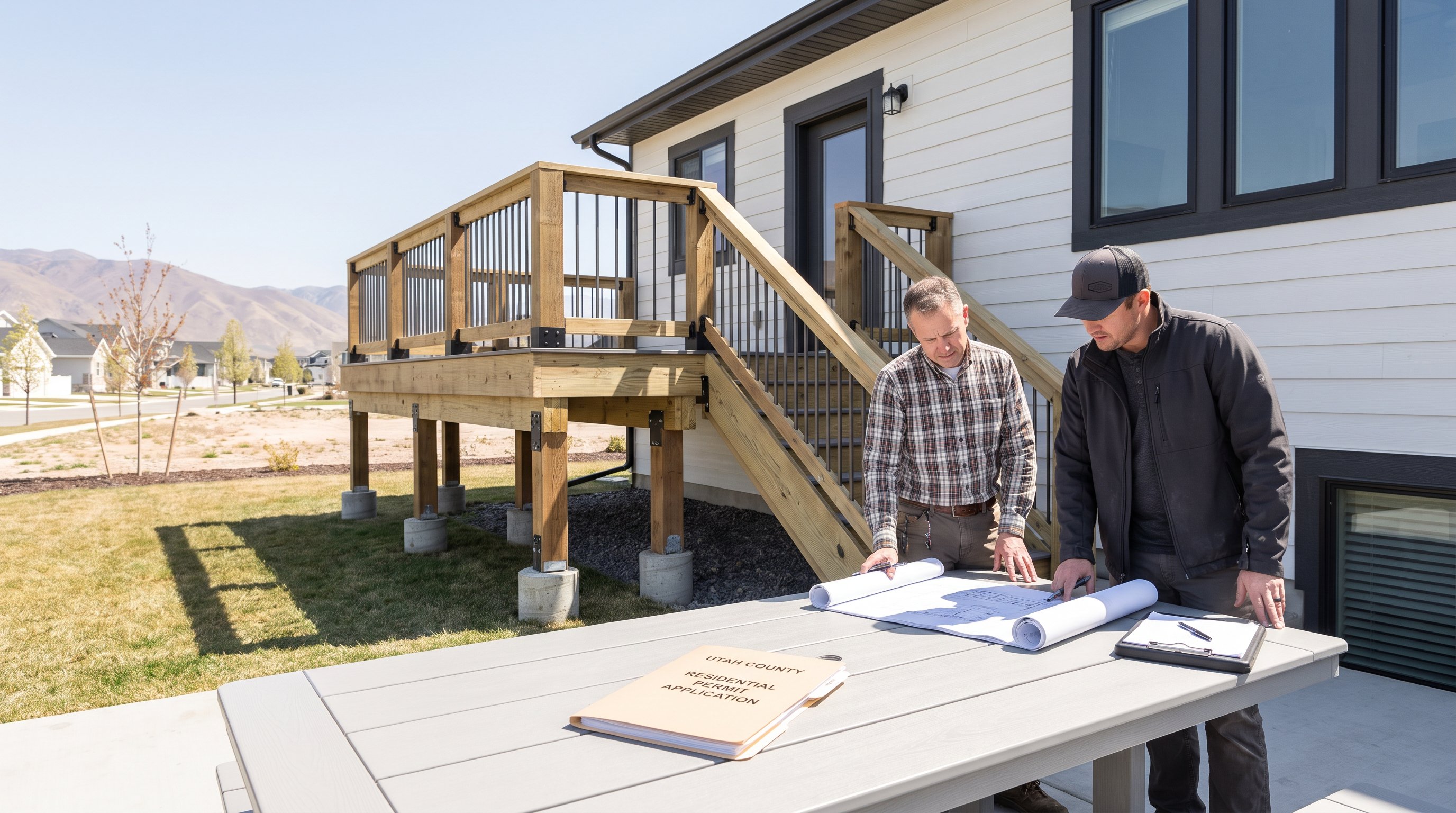
Cities across Salt Lake and Utah County may have different processes, but most follow versions of the International Residential Code with local amendments. That means repairs involving footings, structural framing, stairs, railings, or ledger attachments may trigger permit requirements. Snow load design, guard height, stair geometry, connector hardware, and footing depth all matter.
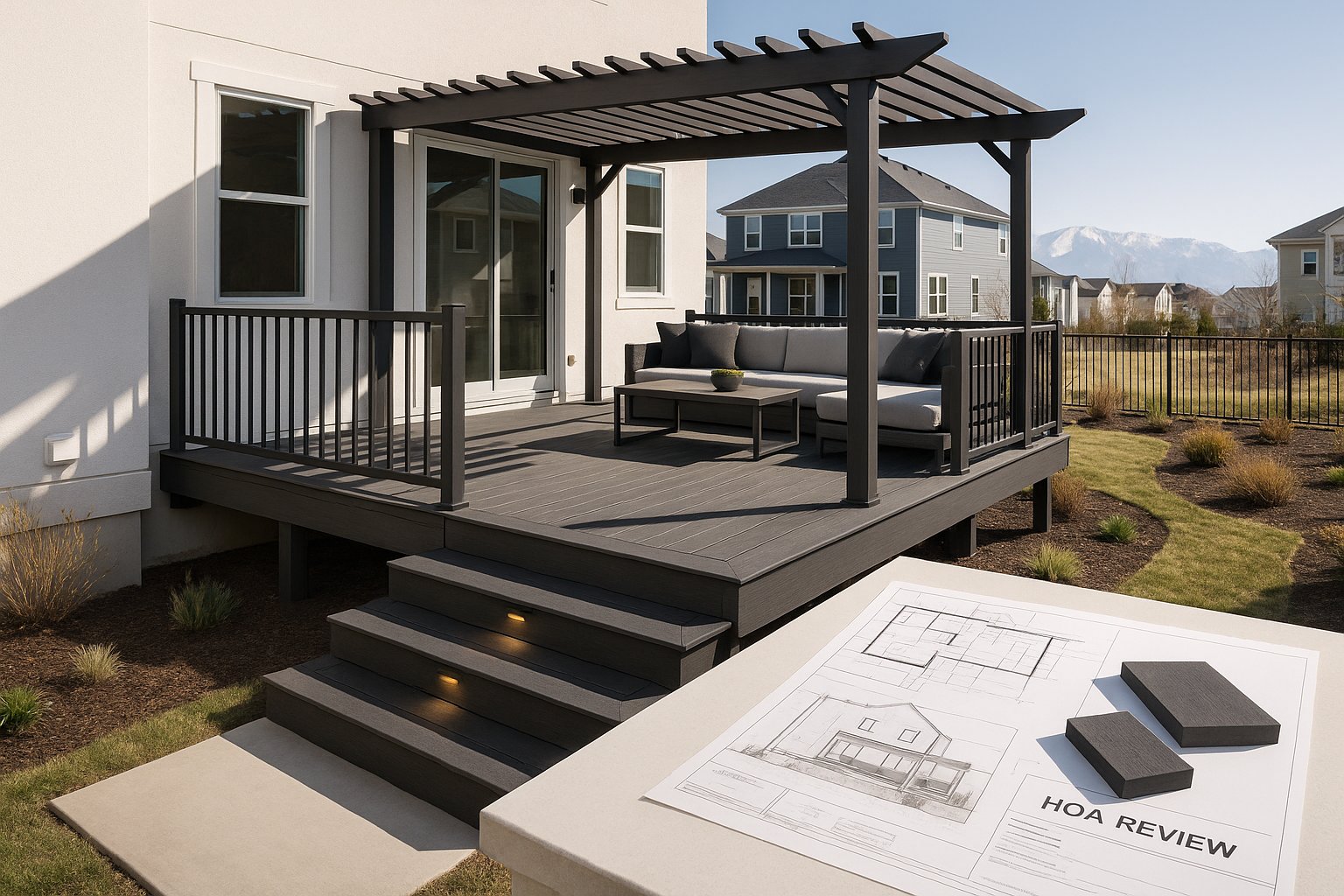
HOA communities can add another layer, particularly in planned neighborhoods like Daybreak or Traverse Mountain. And yes, paperwork is part of the job.
That's why we approach deck framing repair in Utah with a code-first mindset. At 3sixty Industries, we handle the practical side, site evaluation, structural planning, and build execution, so homeowners aren't left guessing. Our deck building services are available in the {location} area and surrounding Utah neighborhoods, with local knowledge that helps projects move smoothly from inspection to final approval.
Structural deck problems rarely get cheaper with time. If you've noticed movement, sagging, rot, or loose connections, it's worth having the framing inspected before a minor repair turns into a major rebuild. We help homeowners make that call with clear, code-conscious guidance. And if you need expert help, our deck building services are available in the {location} area and surrounding Utah neighborhoods.

.avif)
.avif)










.png)



.webp)