
If your deck in Draper looks tired, splintered, or dated, a full tear-out may not be your only option. In many cases, homeowners can save a meaningful amount by keeping the existing frame and replacing the surface boards, railings, and stairs instead. That's the core idea behind deck resurfacing. The catch is simple: it only works when the underlying structure is still sound, code-compliant, and worth building on. We've seen both situations across Salt Lake and Utah County, and the difference between a smart resurfacing project and a costly mistake comes down to inspection, materials, and local building conditions.
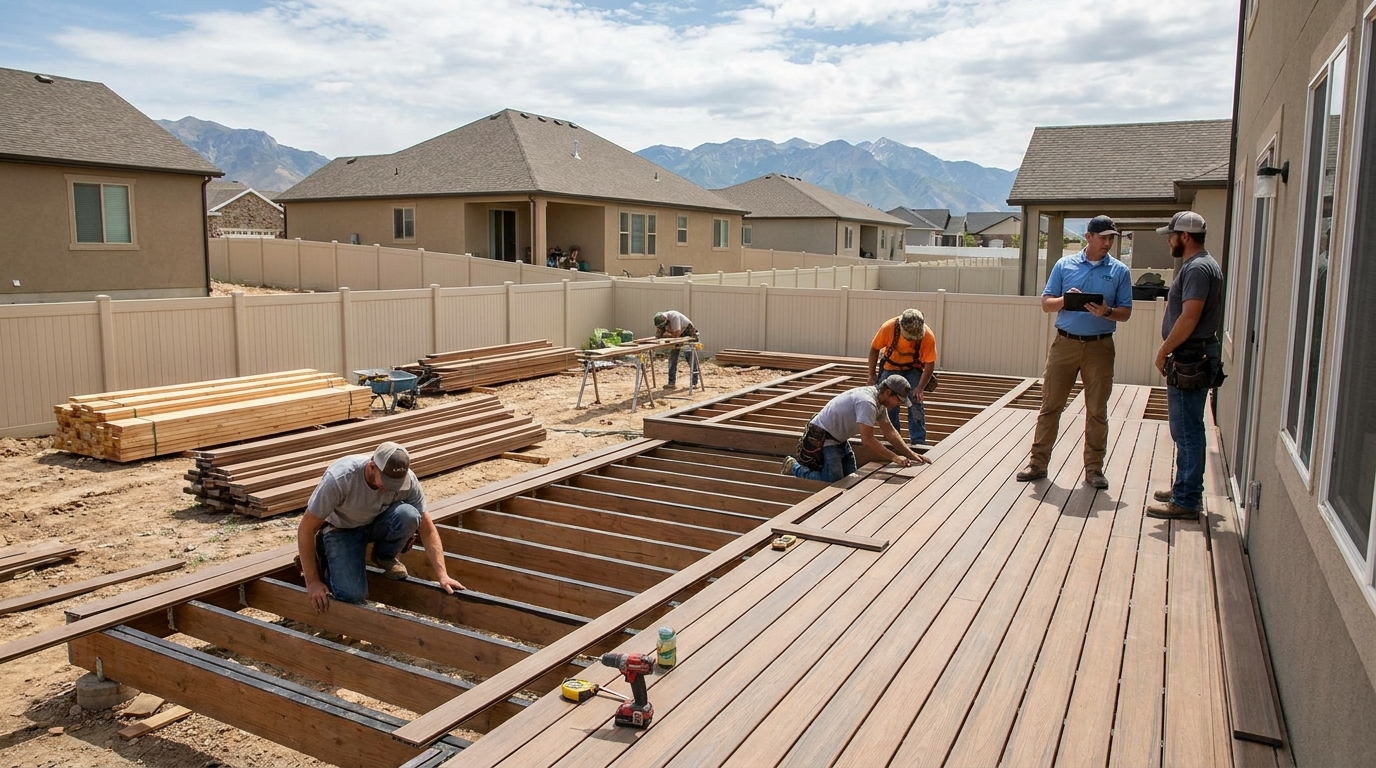
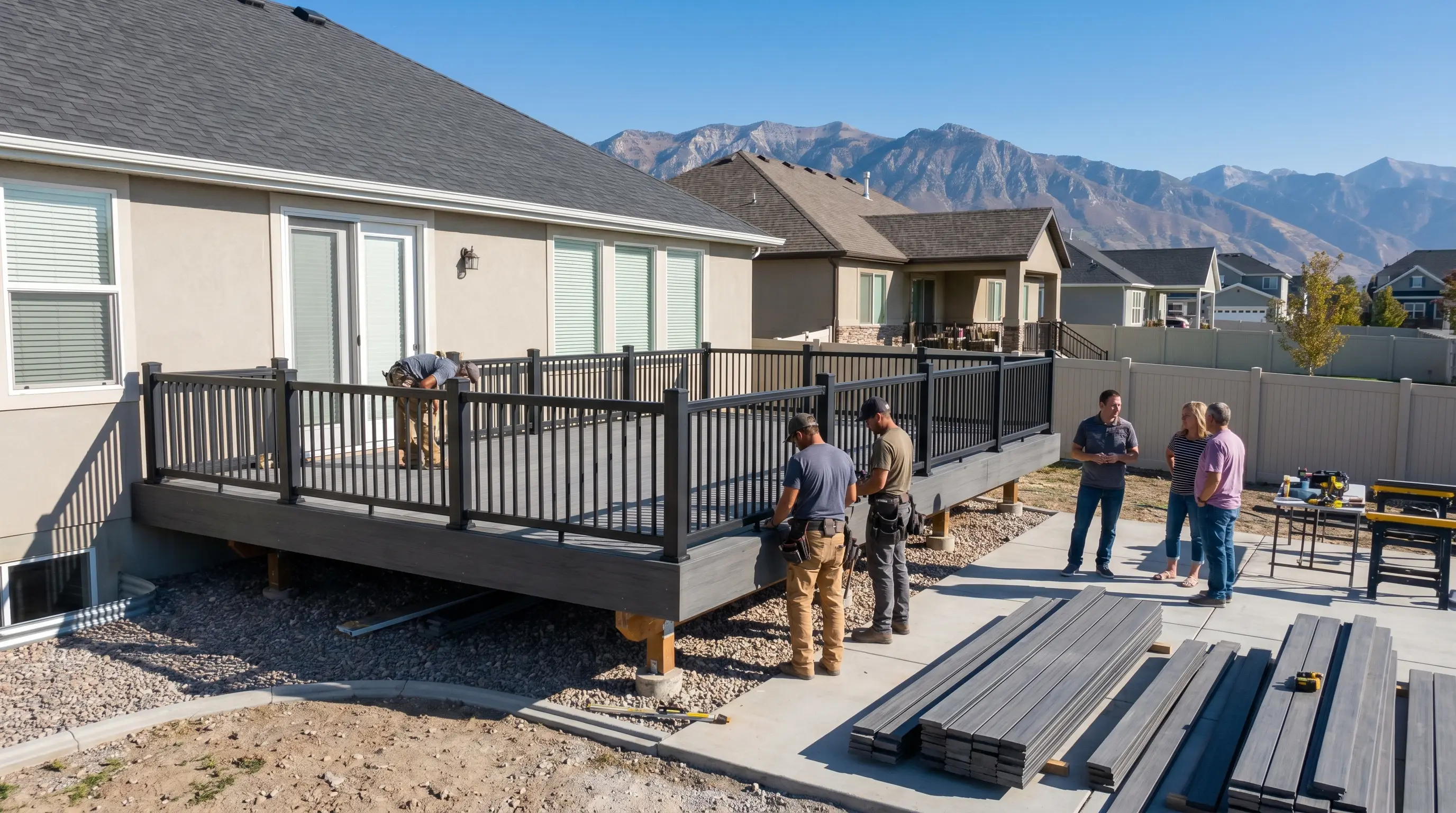
Deck resurfacing means removing the worn-out parts you see and touch, usually deck boards, railings, fasteners, and often stairs, while keeping the existing structural frame in place. A full rebuild, by contrast, removes everything down to the footings or framing and starts over.
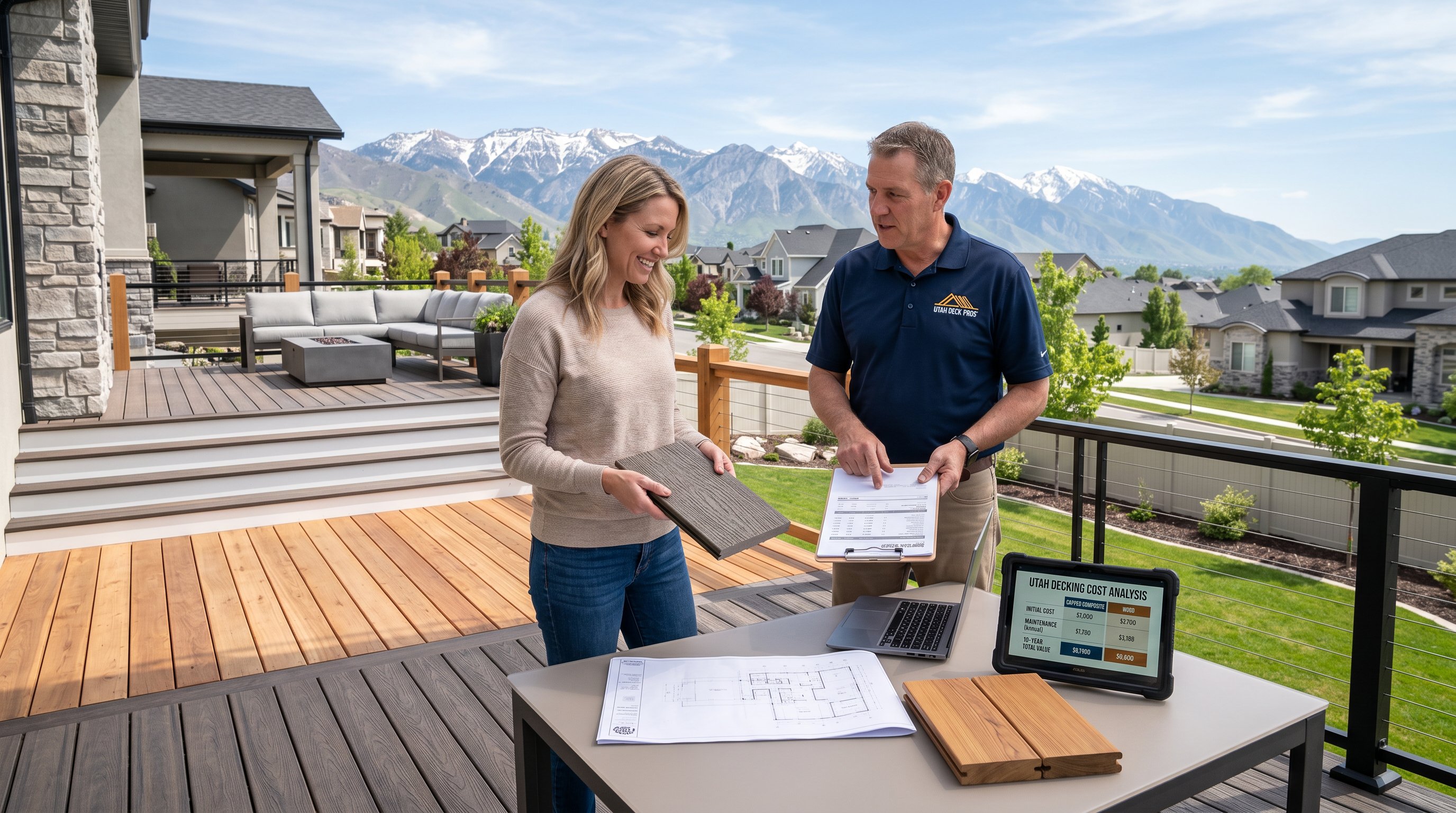
For Draper homeowners, resurfacing makes sense when the joists, beams, posts, footings, and ledger connection are still in good condition. If that skeleton is solid, reusing it can reduce labor and material costs compared with a full rebuild. Based on typical 2026 pricing, resurfacing with composite over a sound frame often lands around $35 to $55 per square foot, while a new capped composite deck may run $65 to $95+ per square foot depending on elevation, railing style, and terrain.
That said, we never recommend resurfacing just to chase a lower number. Utah's snow loads, dry air, and intense UV exposure are hard on decks. If the frame is undersized, sagging, or built to older standards, saving the frame today can cost more later. The best candidates are decks with structurally sound framing that simply need a surface and style upgrade.
The easiest way to think about it is this: cosmetic wear points toward resurfacing: structural failure points toward rebuilding.
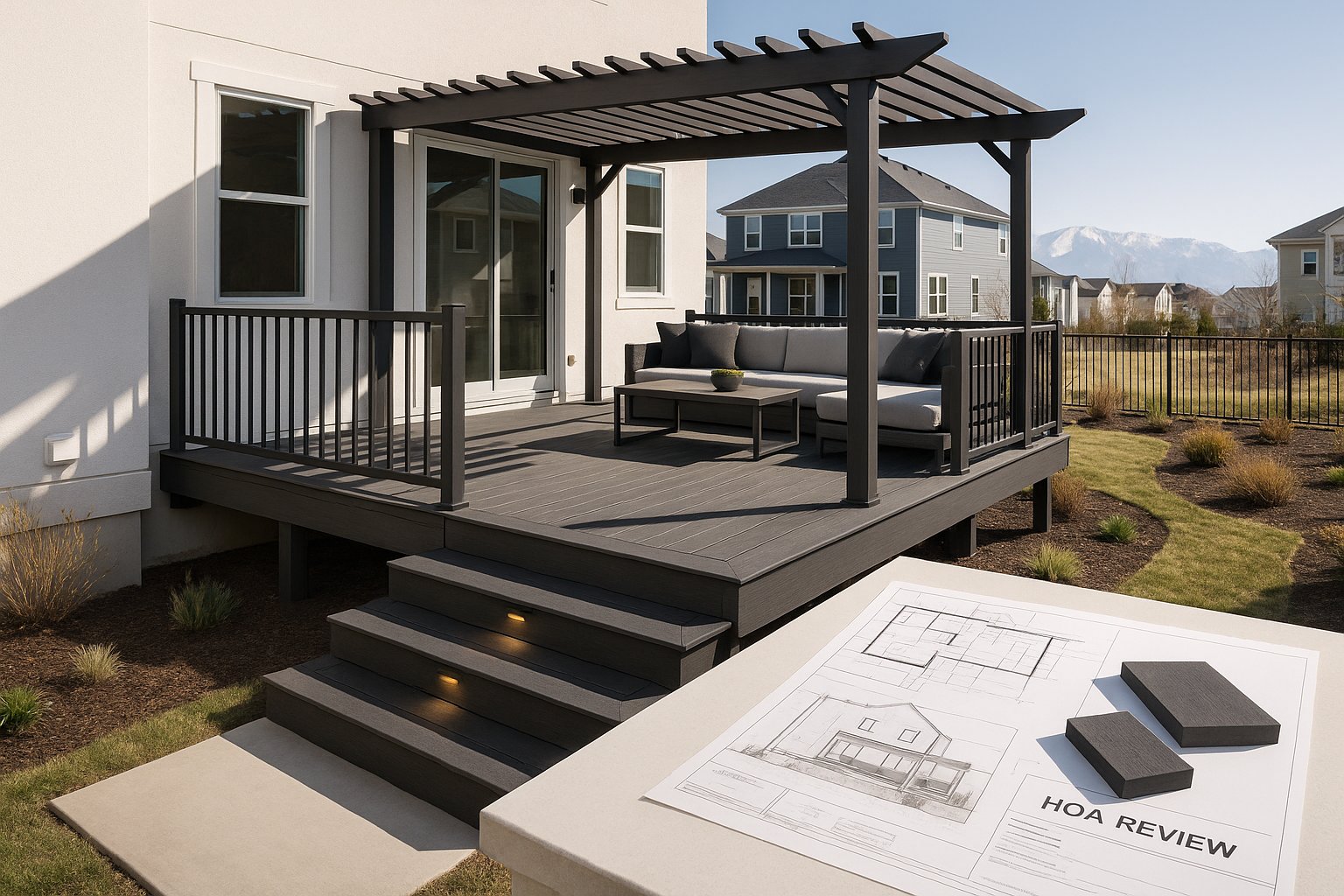
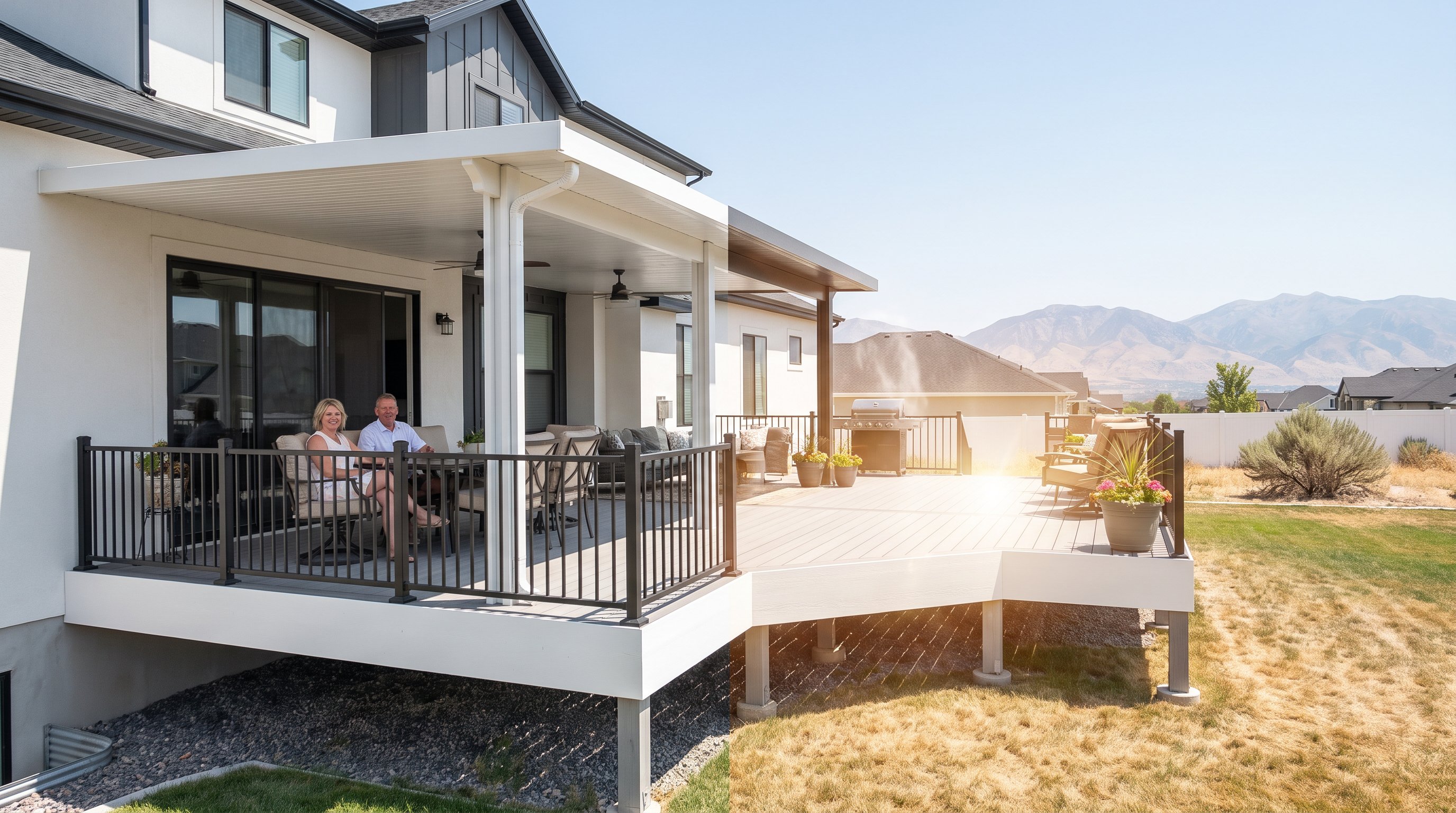
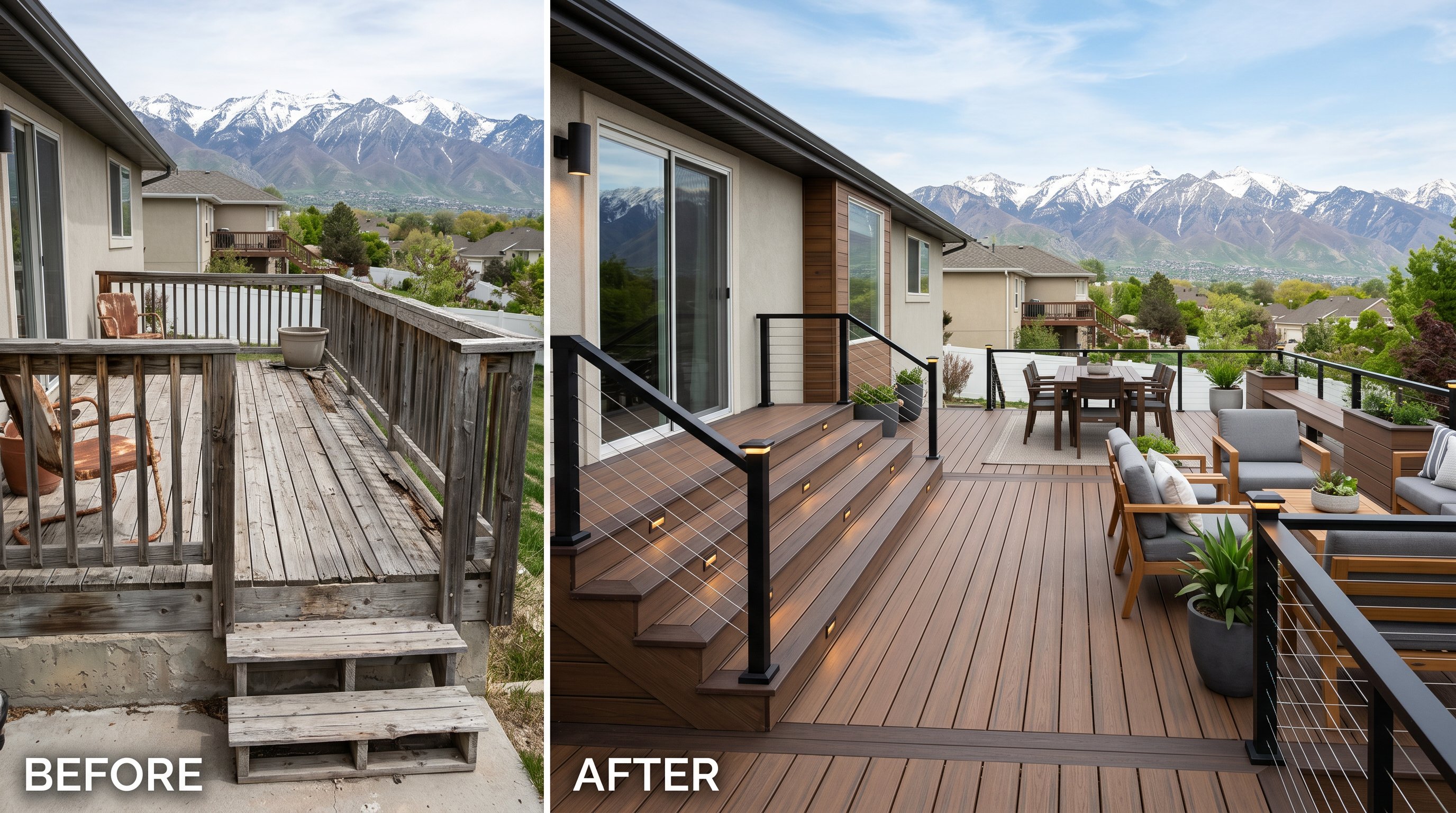
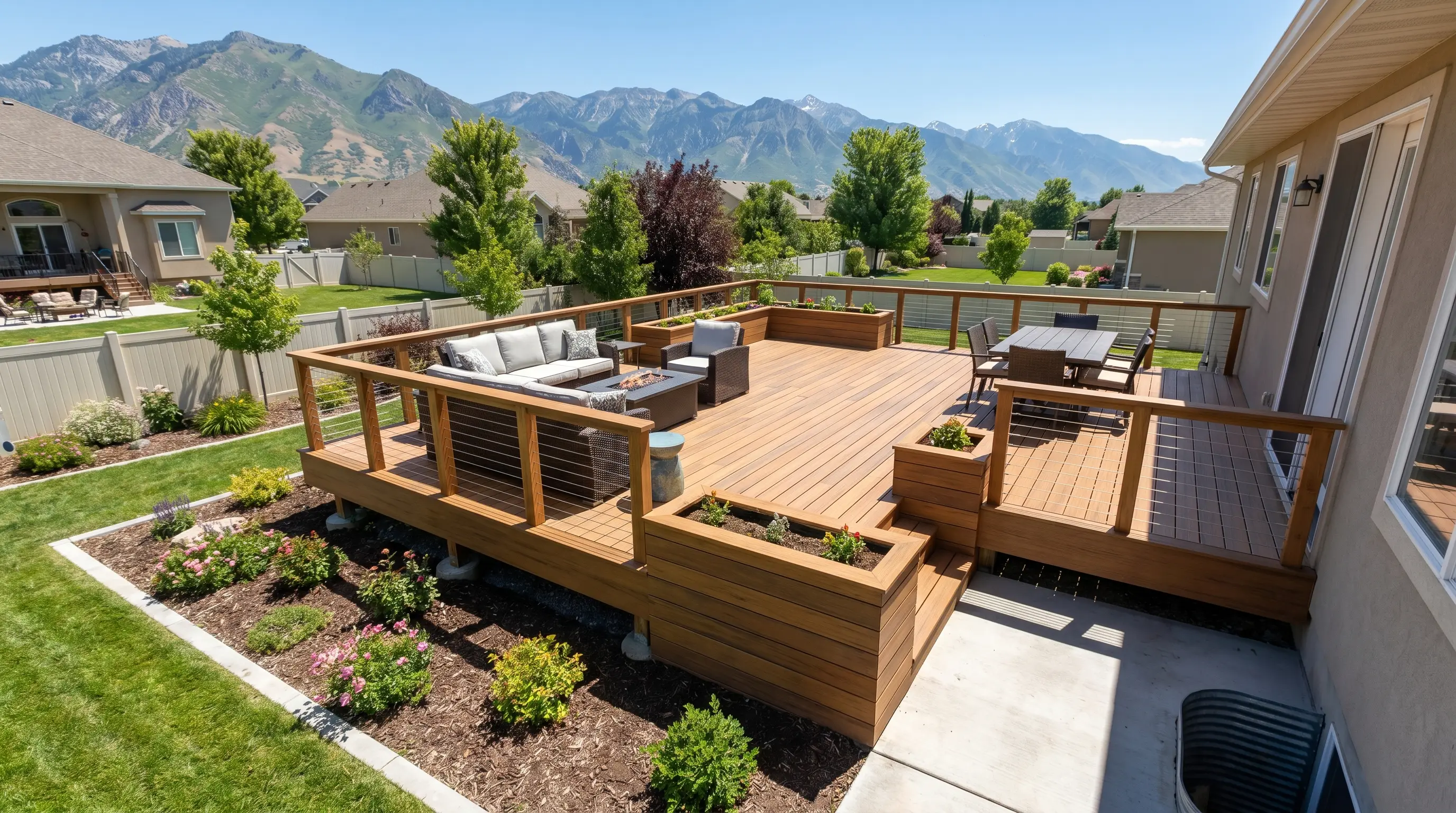
Resurfacing is often enough when you're seeing cracked or splintered boards, peeling stain, loose handrails, surface rot on decking, or stairs that feel worn but not structurally compromised. Homeowners also choose resurfacing when they want to replace high-maintenance wood with composite and modernize the look with aluminum, cable, or glass railings.
Repairs may be the right middle ground if the deck is mostly healthy but has isolated trouble spots, such as a few damaged joists, one settling stair section, or localized railing failure. Experienced Utah County deck repair experts will usually try to identify whether the problem is limited or system-wide.
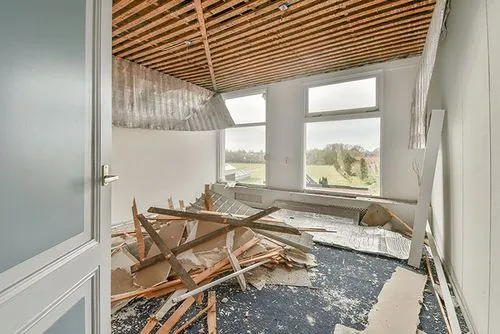
A full replacement is usually the safer call when there is widespread rot, movement at the ledger, failing footings, insect damage, major sagging, or framing that no longer meets current code. If the deck feels bouncy, pulls away from the house, or shows long-term water damage, resurfacing is not the place to cut corners.
Before anyone talks about colors, railing styles, or composite brands, a proper inspection starts with the parts that determine whether your deck is safe to keep.
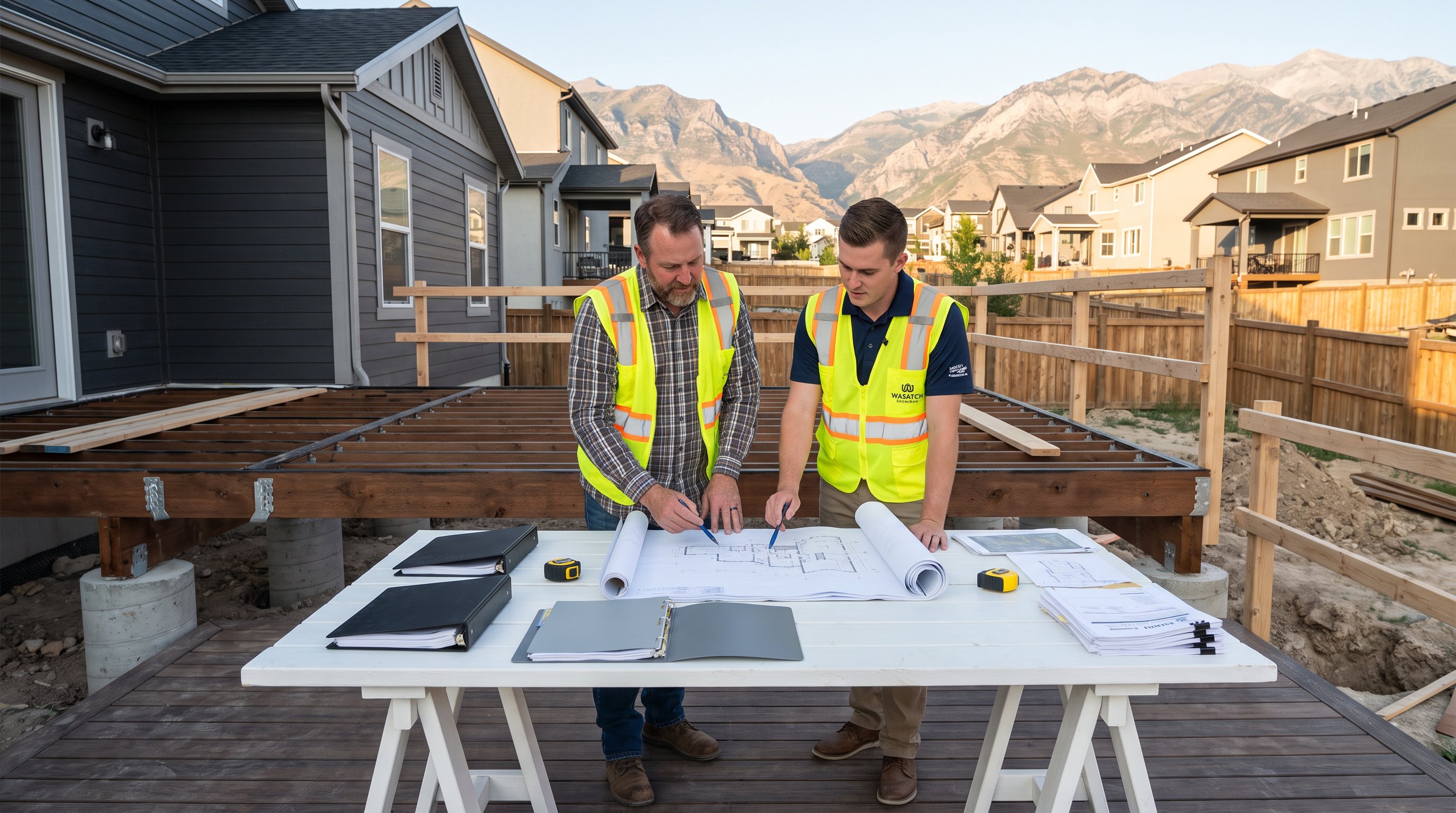
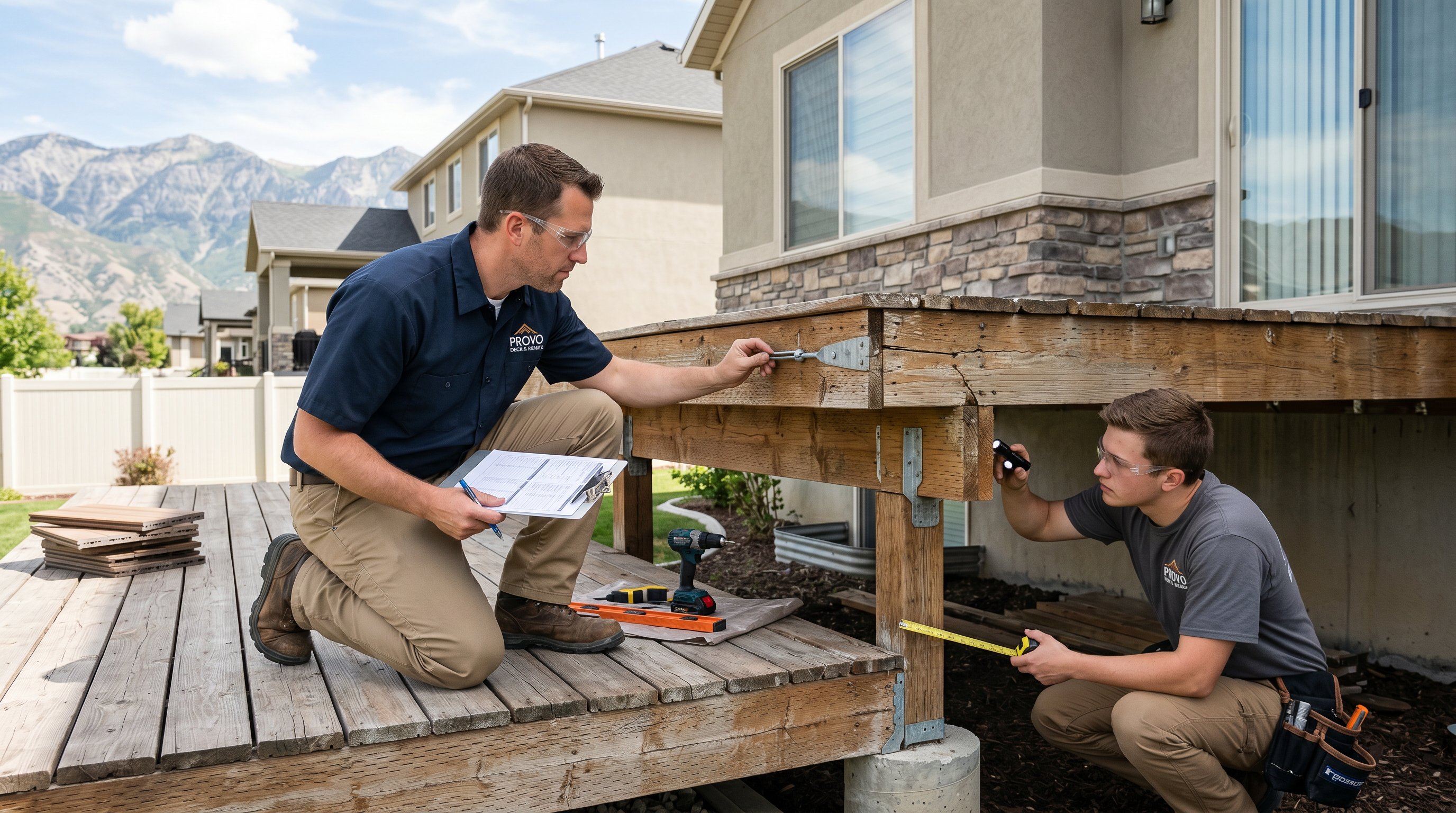
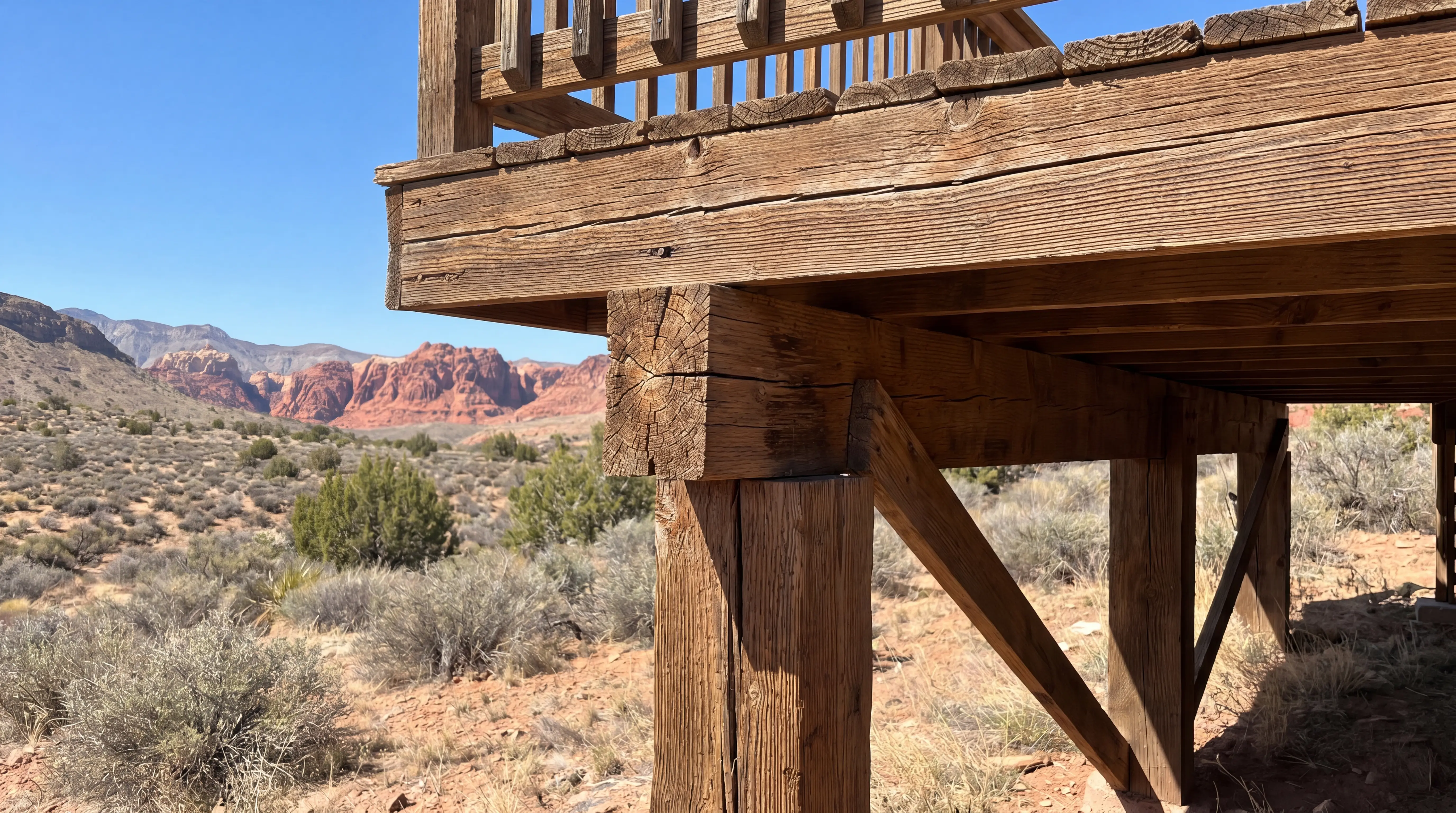
Surface boards tell us a lot, but they're only the beginning. We look for soft spots, splitting, popped fasteners, cupping, and hidden moisture damage around board seams. Then we move below the surface to inspect joists, beams, posts, and the hardware connections holding everything together.
This is where the real resurfacing decision gets made. If the framing is dry, properly spaced, and structurally solid, keeping it may save you thousands. But if joists are rotted at the ends, beams are undersized, or post bases are deteriorating, a cheaper resurfacing quote can be misleading.
Railings and stairs matter too. Older wood guardrails often fail modern safety expectations even when the deck boards still look passable. In nearby markets, including projects that resemble salt lake city composite deck repair work, we often see homeowners use resurfacing as the chance to upgrade both safety and appearance at once.
Utah creates a specific set of problems. Strong sun dries out wood, freeze-thaw cycles stress connections, and heavy winter snow loads expose weak framing fast. We pay close attention to ledger attachment, flashing, joist hangers, corrosion-resistant hardware, and footing depth because those are the items that determine long-term performance.
Code issues are another big factor. Many older decks were built before current spacing, guard, stair, and load requirements were enforced the way they are now. A homeowner may think the deck "just needs new boards," but a contractor may find that the framing layout won't properly support modern composite decking or that rail heights no longer comply.
That's why local experience matters. A reputable deck repair company Sandy homeowners trust, or a Draper contractor working in the same climate zone, should understand permits, HOA requirements, frost-line footings, and the structural expectations common across the Wasatch Front.
If you're investing in resurfacing, the material choice matters almost as much as the structural inspection. In Draper, we strongly favor capped composite decking for one reason: Utah is brutal on exposed wood.
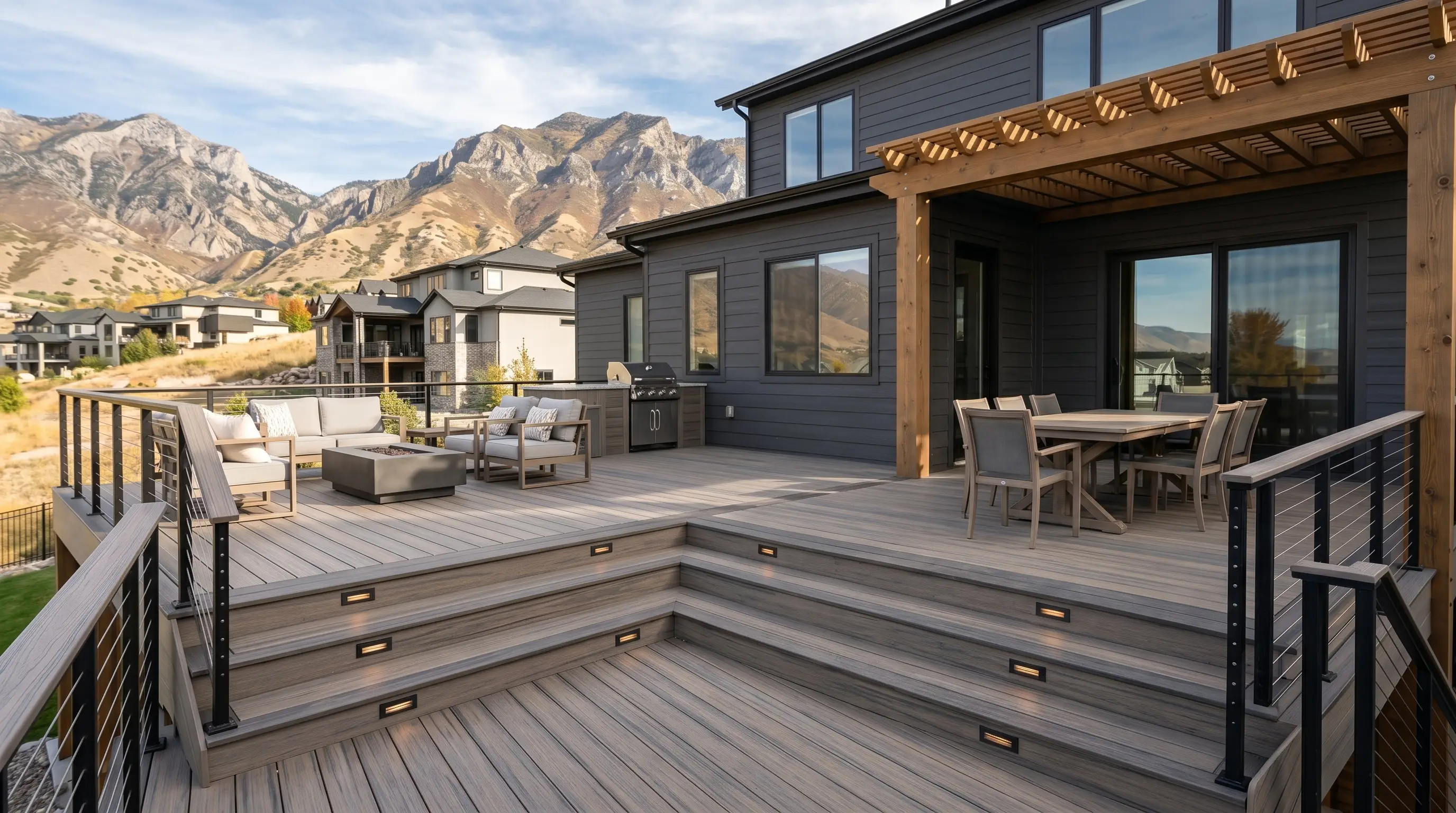
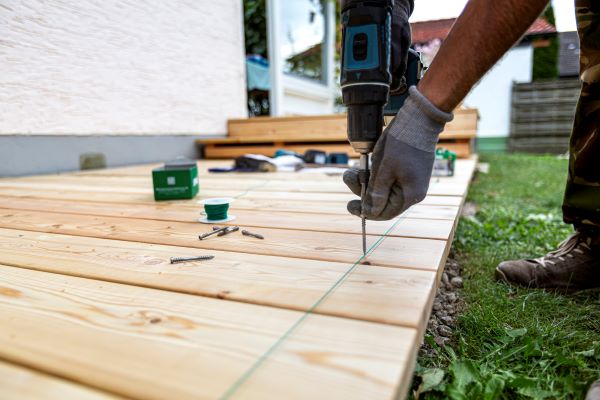
Natural wood can look great at first, but our UV exposure, dry air, and snowmelt cycle mean ongoing staining, sealing, cracking, and warping. Composite from brands such as Trex or TimberTech holds up better against fading, splintering, and moisture intrusion, especially when installed over a frame that has been properly reinforced and brought up to spec.
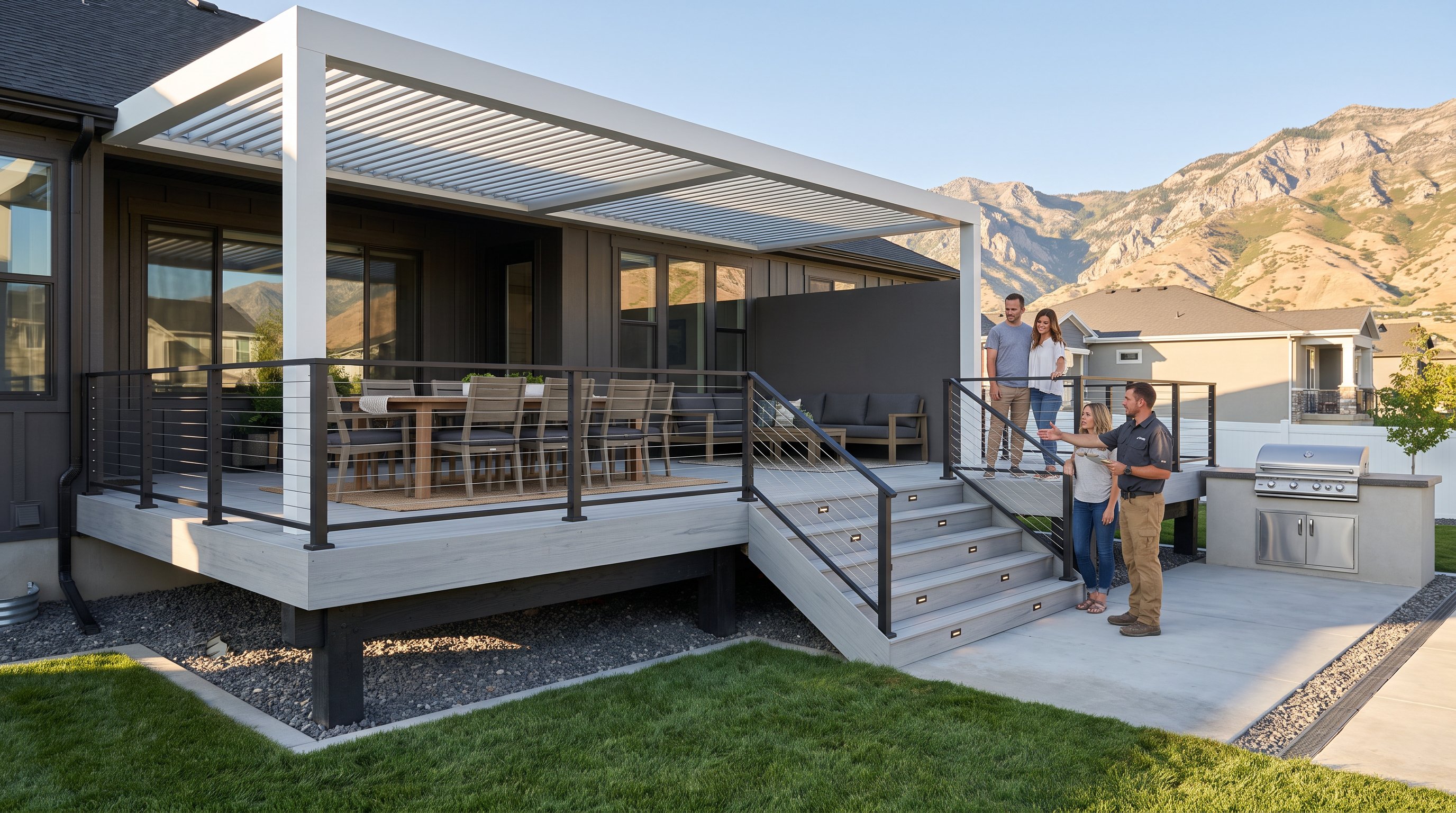
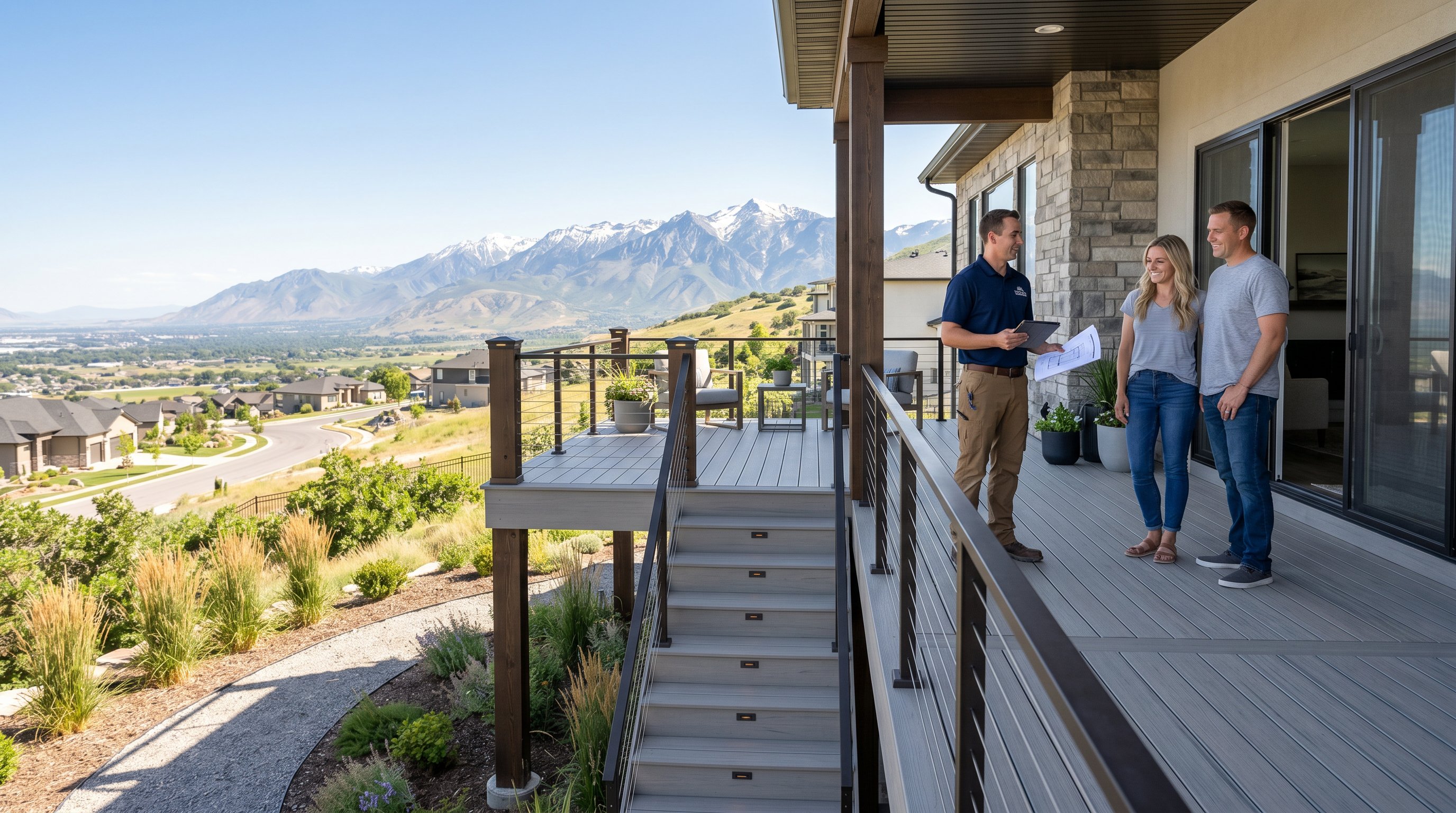
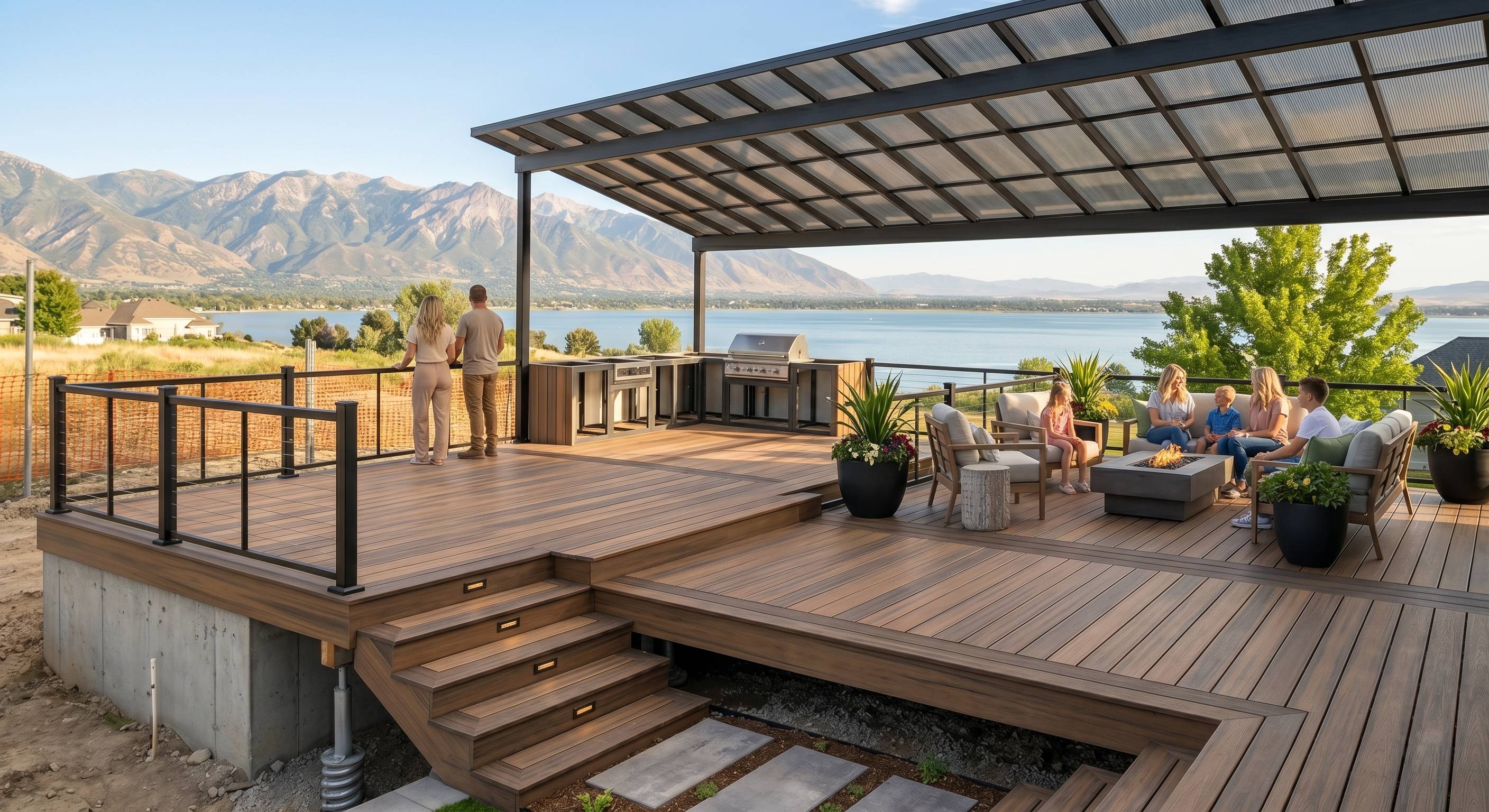
For railings, modern aluminum systems are usually the sweet spot for durability and maintenance. Cable and glass can also work beautifully, especially when preserving mountain views is a priority, but they affect cost. If stairs are being rebuilt as part of the resurfacing, we also look at lighting, traction, and consistent riser dimensions for safety.
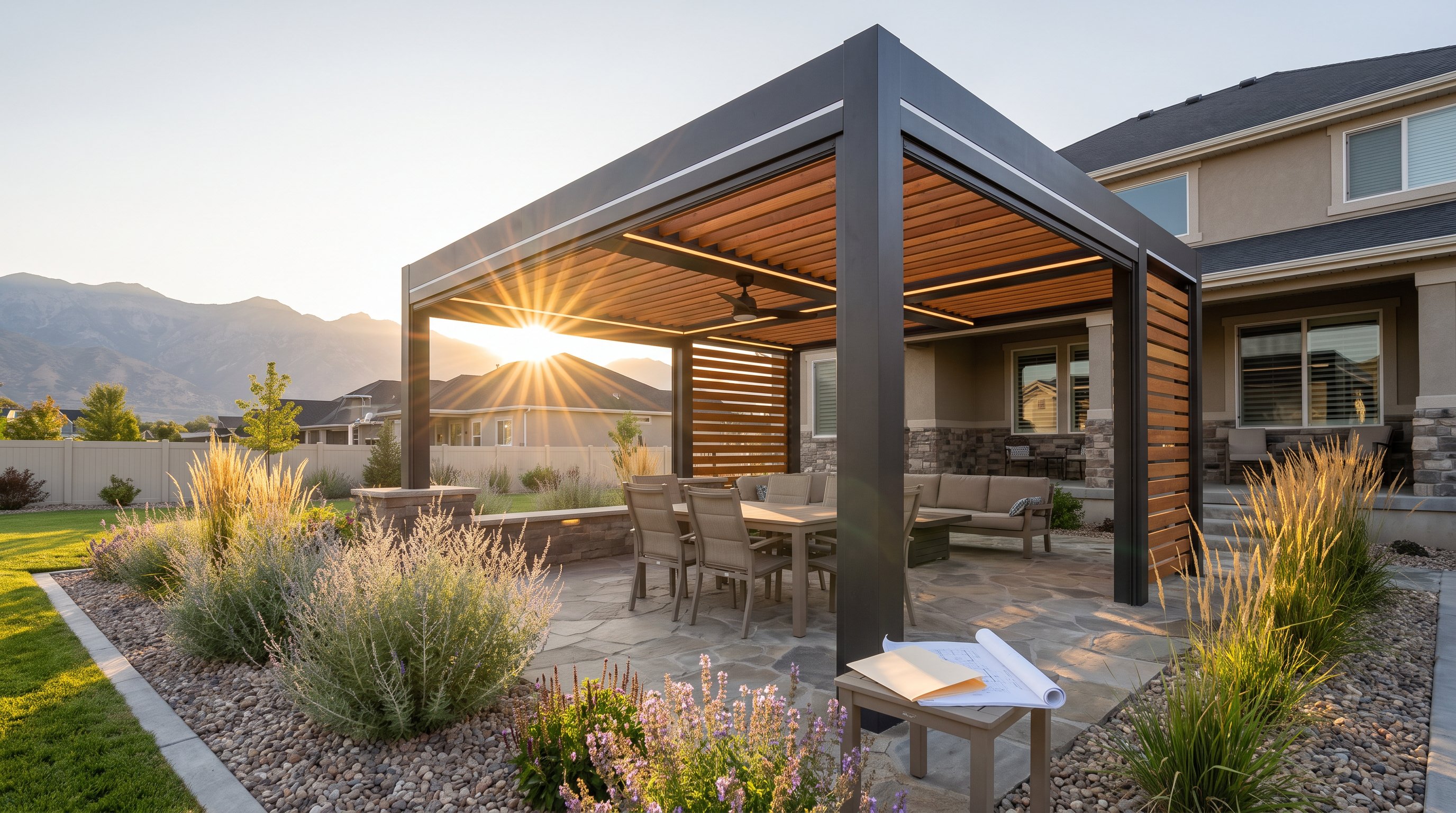
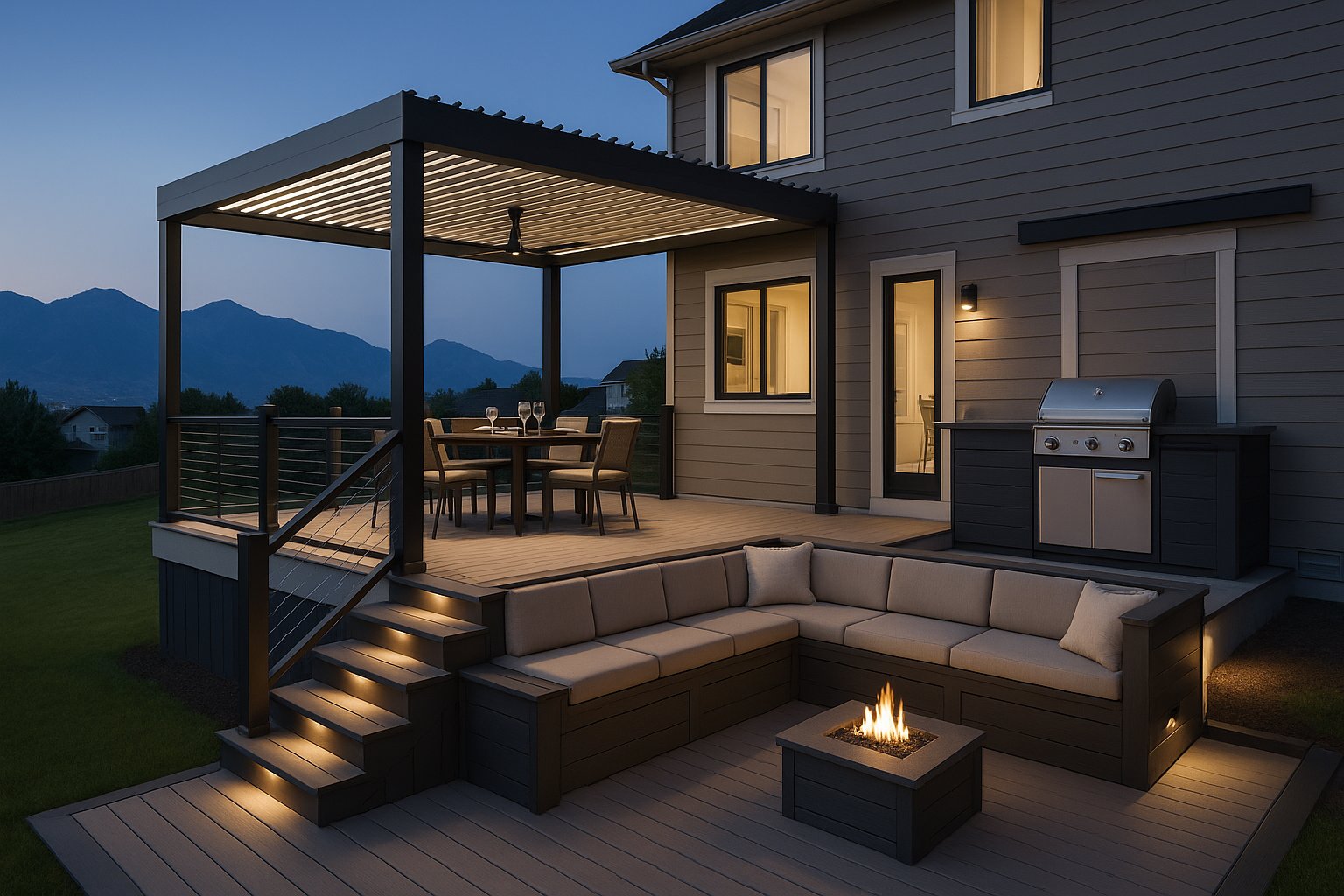
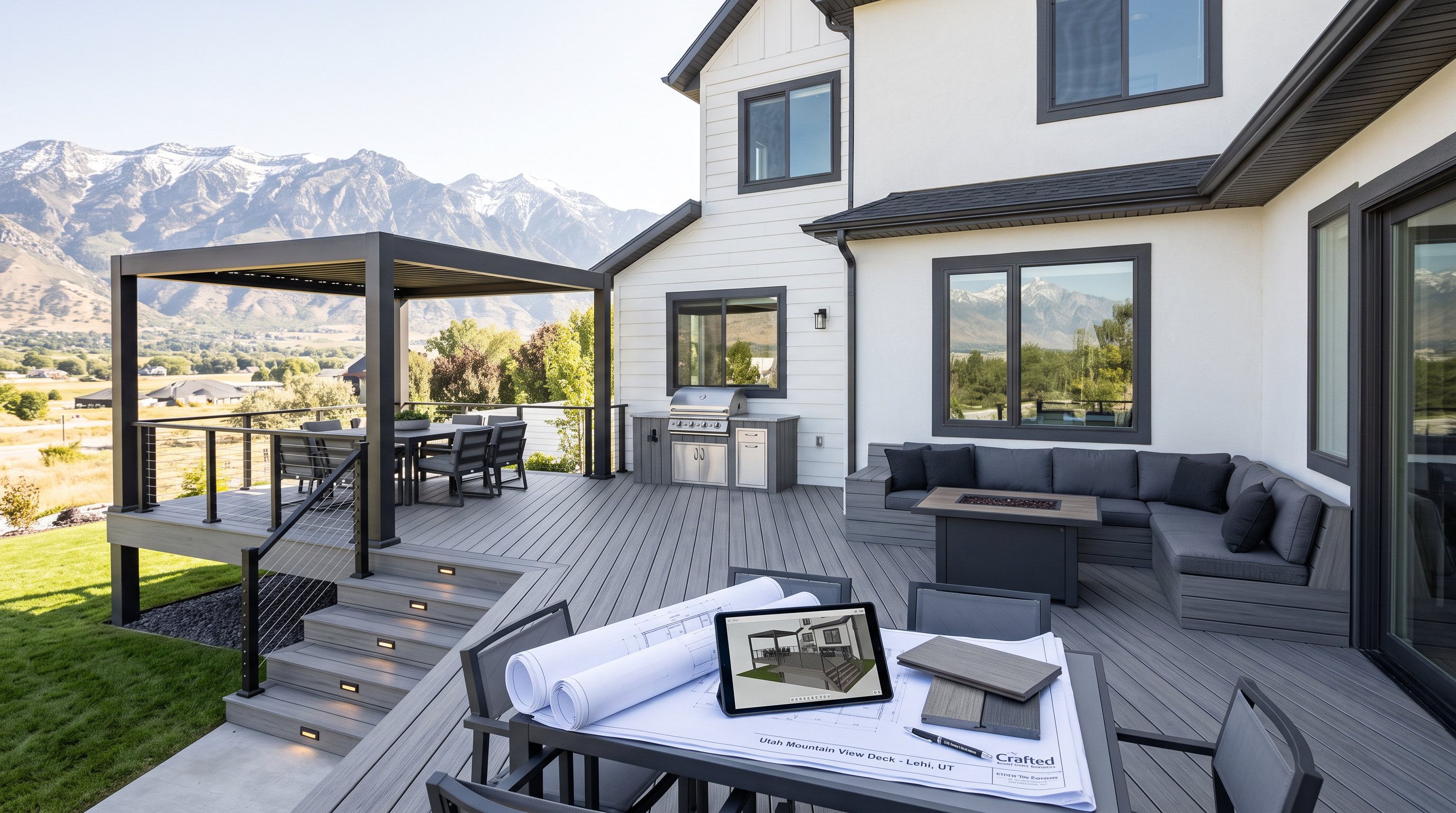
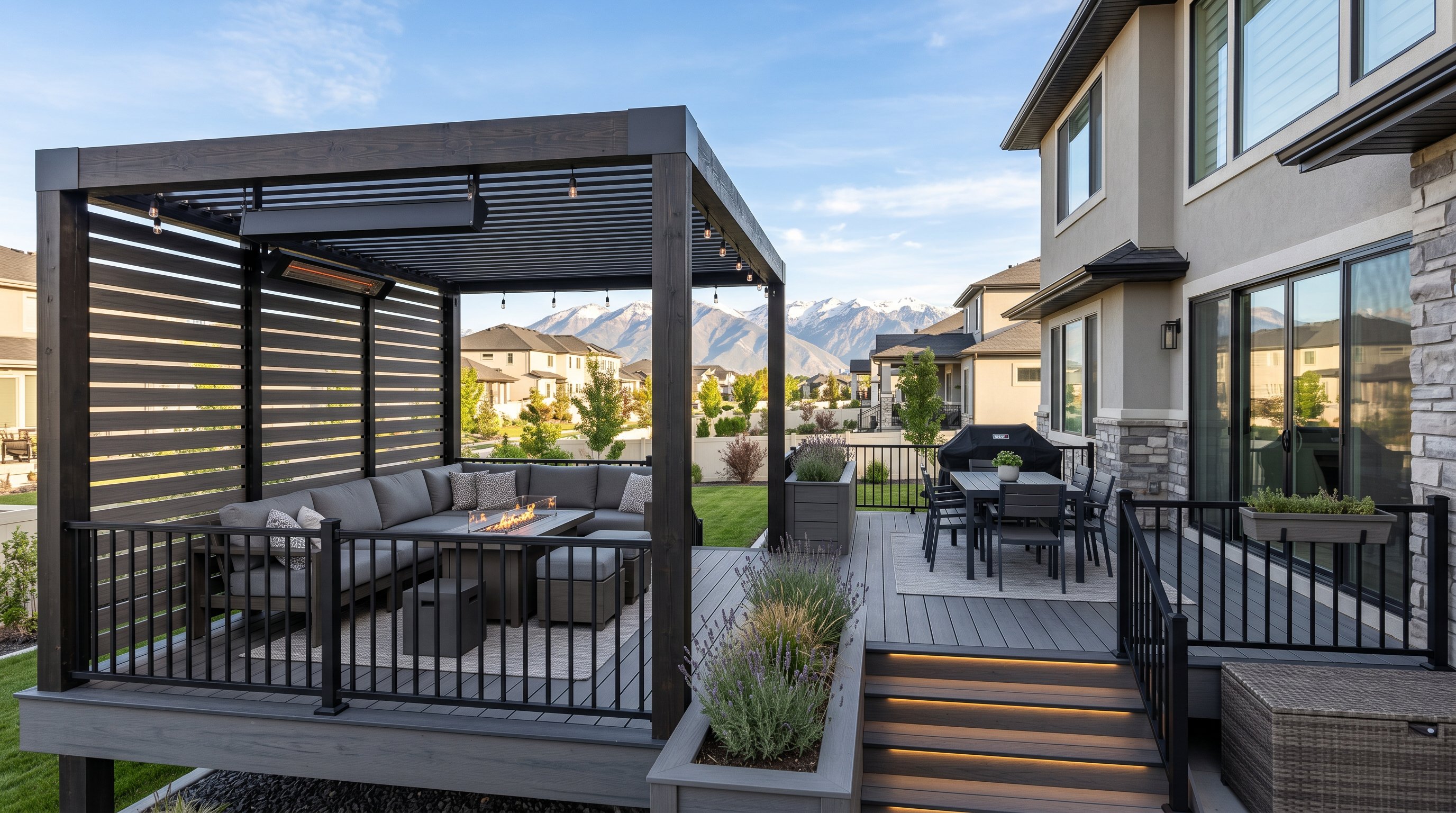
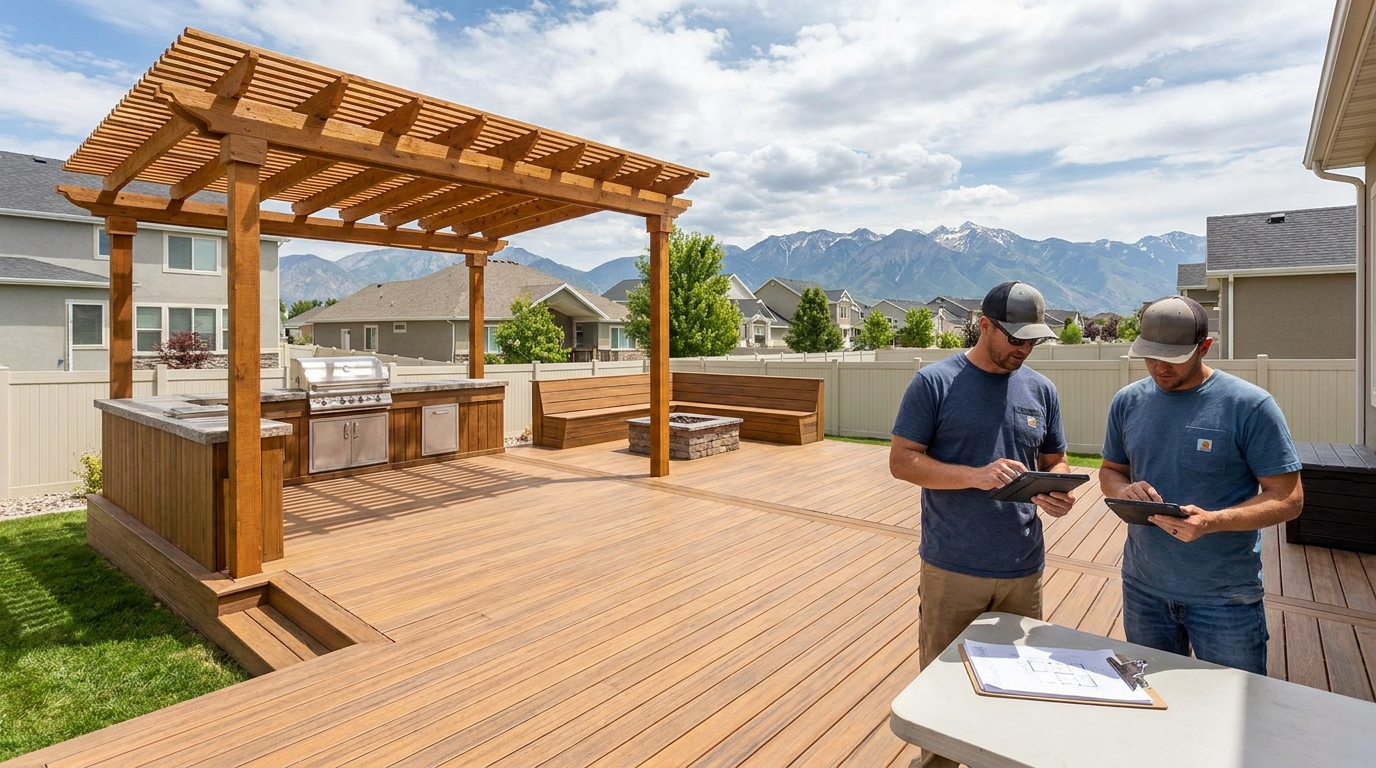
A smart 2026 upgrade is to think beyond the boards. Many homeowners pair resurfacing with integrated LED lighting, pergolas, or even under-deck drainage on elevated decks. If the existing frame is worth saving, those upgrades can deliver the feel of a new outdoor living space without paying for a full structural rebuild.
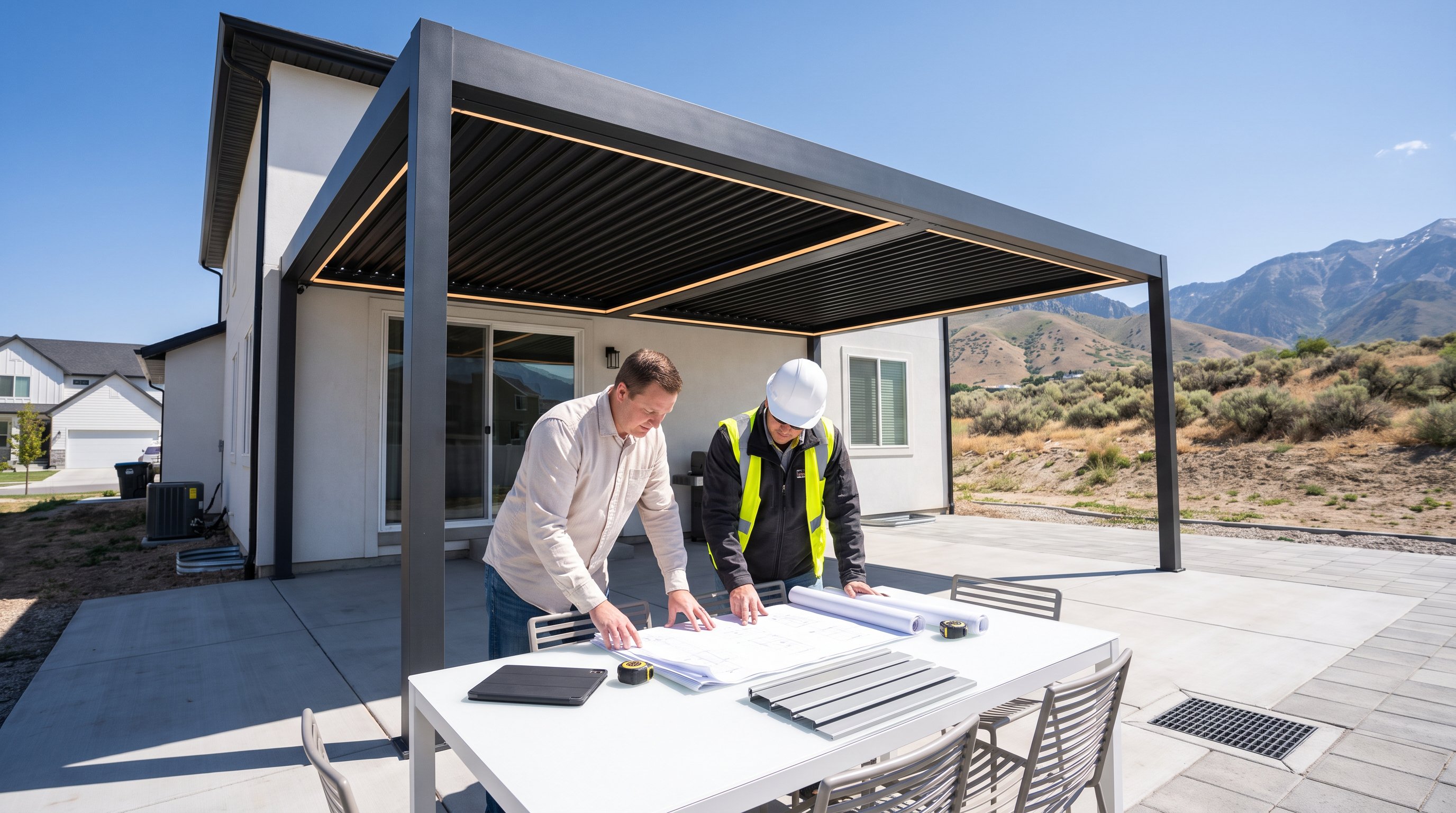
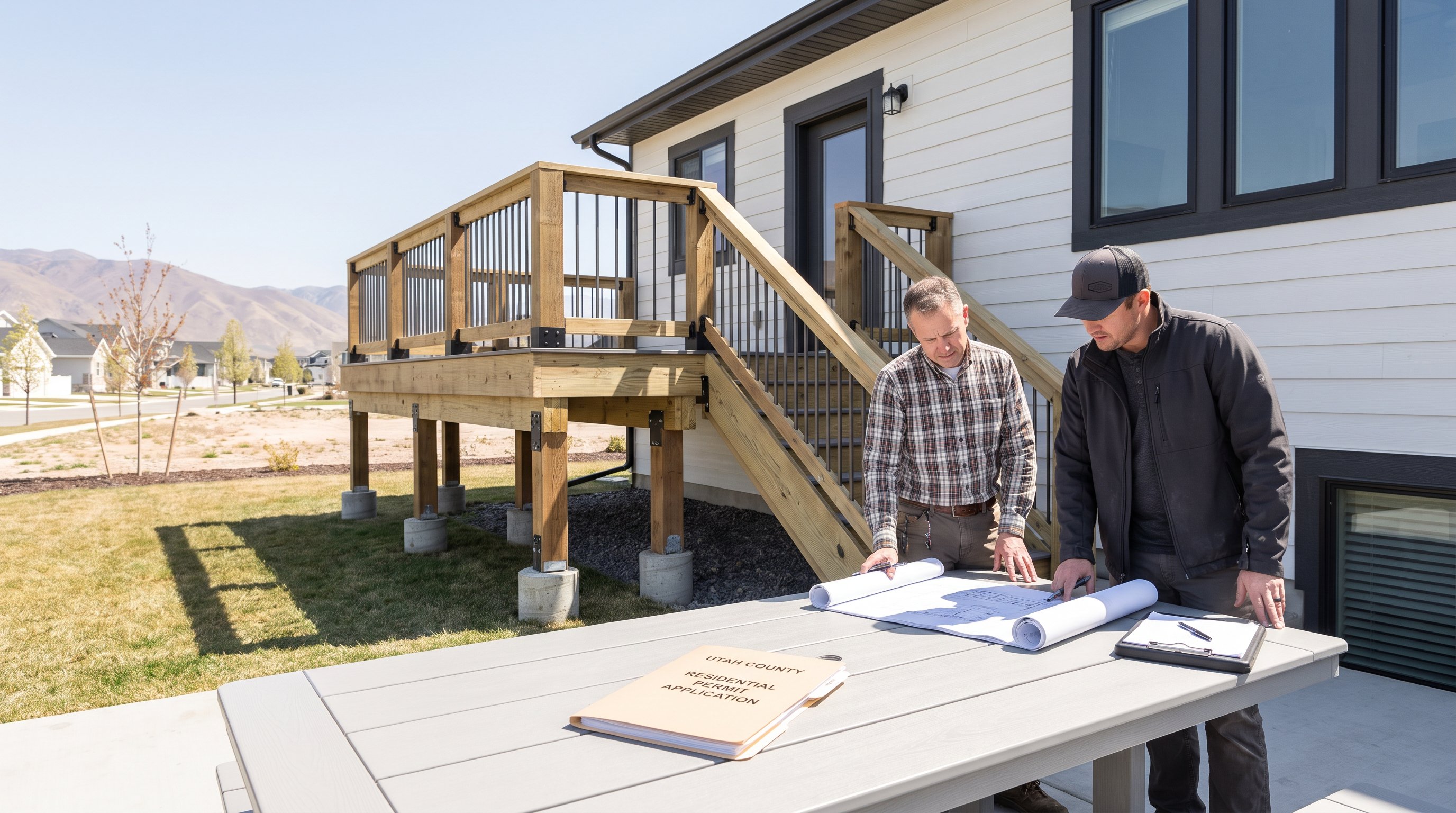
Not all deck contractors inspect resurfacing projects the same way. Some will price new boards over an old frame without doing the hard structural review first. That's risky, and it's often how homeowners end up paying twice.
When comparing deck resurfacing contractors Draper homeowners should ask a few direct questions:
We also recommend asking for photos of similar resurfacing work, proof of licensing and insurance, and a clear scope that separates structural repairs from finish upgrades. A serious contractor should be able to explain where resurfacing saves money and where it does not.
At 3sixty, our approach is straightforward: if the frame is solid, we'll tell you and help you maximize that savings. If it isn't, we'll tell you that too. Honest advice matters more than a low starting quote. For many Draper homes, resurfacing is the smart move, but only when the structure underneath truly deserves to stay.
In the end, the money-saving rule is simple: keep the frame only when it is structurally sound, code-ready, and compatible with your new decking system. That's where resurfacing creates real value instead of future repair bills.

.avif)
.avif)











.png)



.webp)