
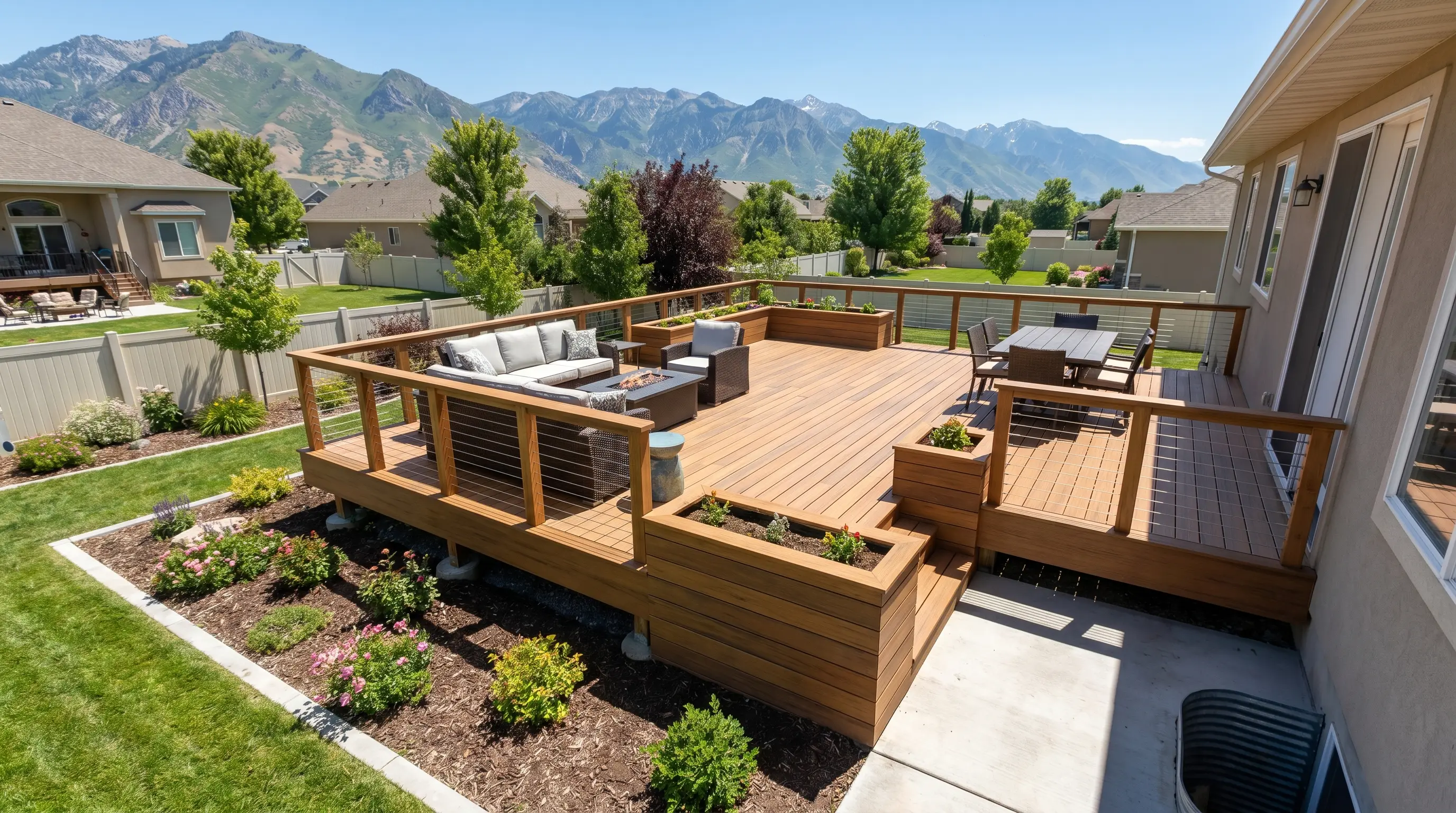
A beautiful deck should feel relaxing, not risky. But safe deck construction isn't just about sturdy-looking boards or a nice railing profile. In Utah, it means building for intense sun, deep freeze-thaw cycles, snow loads, and local code requirements that can make or break a project. We've seen the difference good planning makes from Salt Lake County to Utah County. If you're investing in an outdoor living space, the goal is simple: build it once, build it right, and make sure it stays safe for years. That's exactly what we'll walk through here.
Safe deck construction starts long before the first deck board goes down. The real safety work happens in the layout, soil evaluation, structural design, and connection details that most people never see.
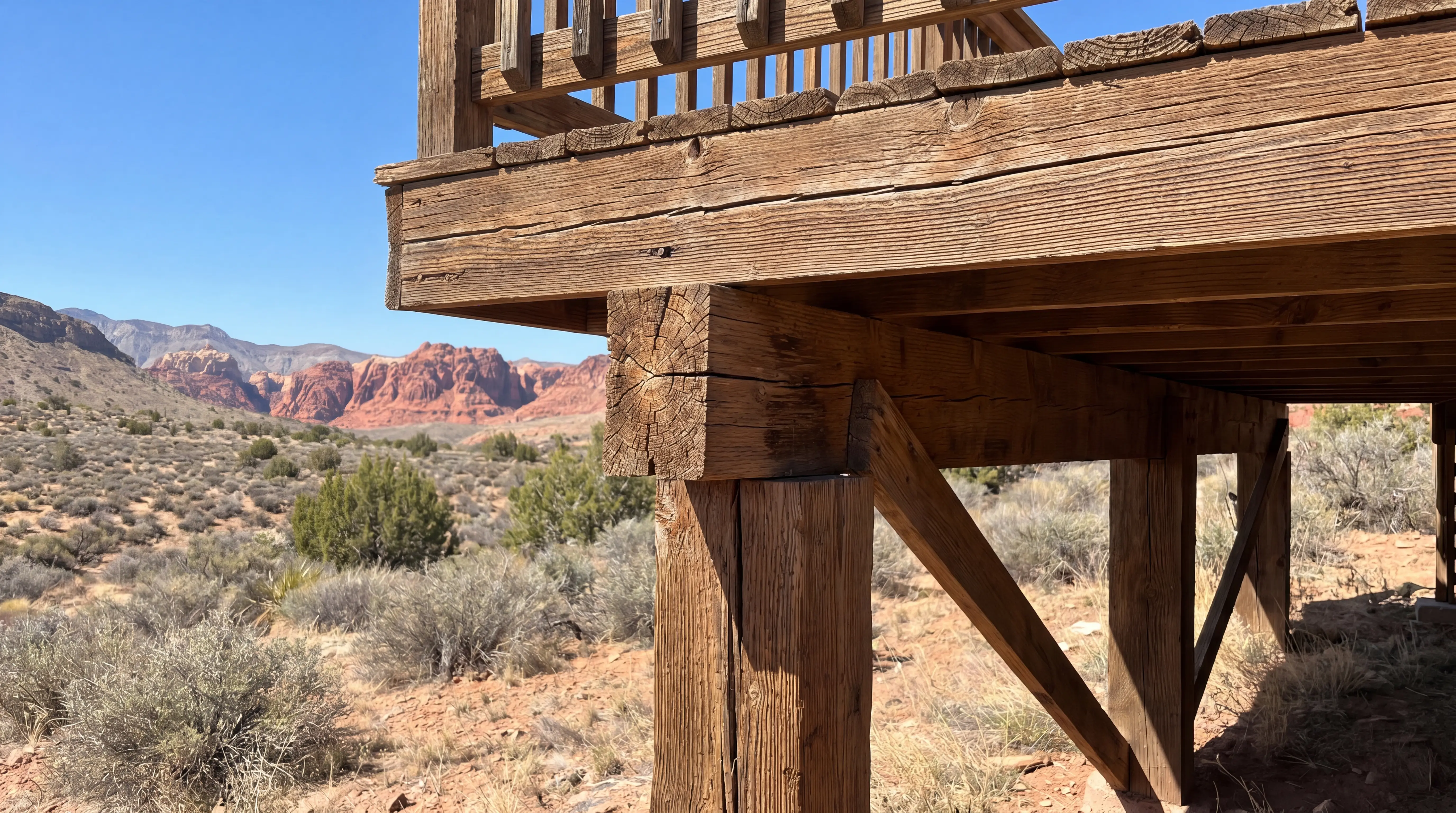
A safe deck needs a stable foundation, properly sized posts and beams, correct joist spacing, and hardware rated for exterior use. It also needs to account for how the deck connects to the house. One weak ledger connection can create a serious failure point.
In Utah, we also have to think about freeze-thaw movement and winter snow loads. Shallow footings or undersized framing may look fine at first, then start shifting, sagging, or pulling away over time. That's why we build with long-term loads in mind, not just day-one appearance.
For homeowners exploring deck building services in the Lehi area and surrounding Utah neighborhoods, this is where experienced planning really matters. A safe deck is never just surface-deep.
The best-looking deck in the neighborhood won't stay safe if the structure underneath is wrong. Footings should extend below the local frost line, typically 30 inches or more in many Utah areas, to reduce heaving as temperatures swing.
Framing matters just as much. We recommend pressure-treated structural lumber or engineered framing plans designed for the deck's span, elevation, and expected loads. In snowy parts of the Wasatch Front, we often over-engineer joist spacing and hardware because winter doesn't care about minimum effort.
For the decking surface, capped composite has become the smart choice in 2026. Products like Trex and TimberTech hold up far better than traditional wood under Utah's dry air and brutal UV exposure. They're also less likely to splinter, crack, warp, or fade.
If you're comparing deck building services in the Lehi area and surrounding Utah neighborhoods, ask what materials are being used both above and below the deck boards. That answer tells you a lot about long-term safety.
Utah homeowners can't afford to treat permits like an afterthought. Most deck projects, especially attached, elevated, or large-scale builds, require permits, plan review, and inspections. Local jurisdictions may also have amendments tied to snow load, stair geometry, railing height, and footing depth.
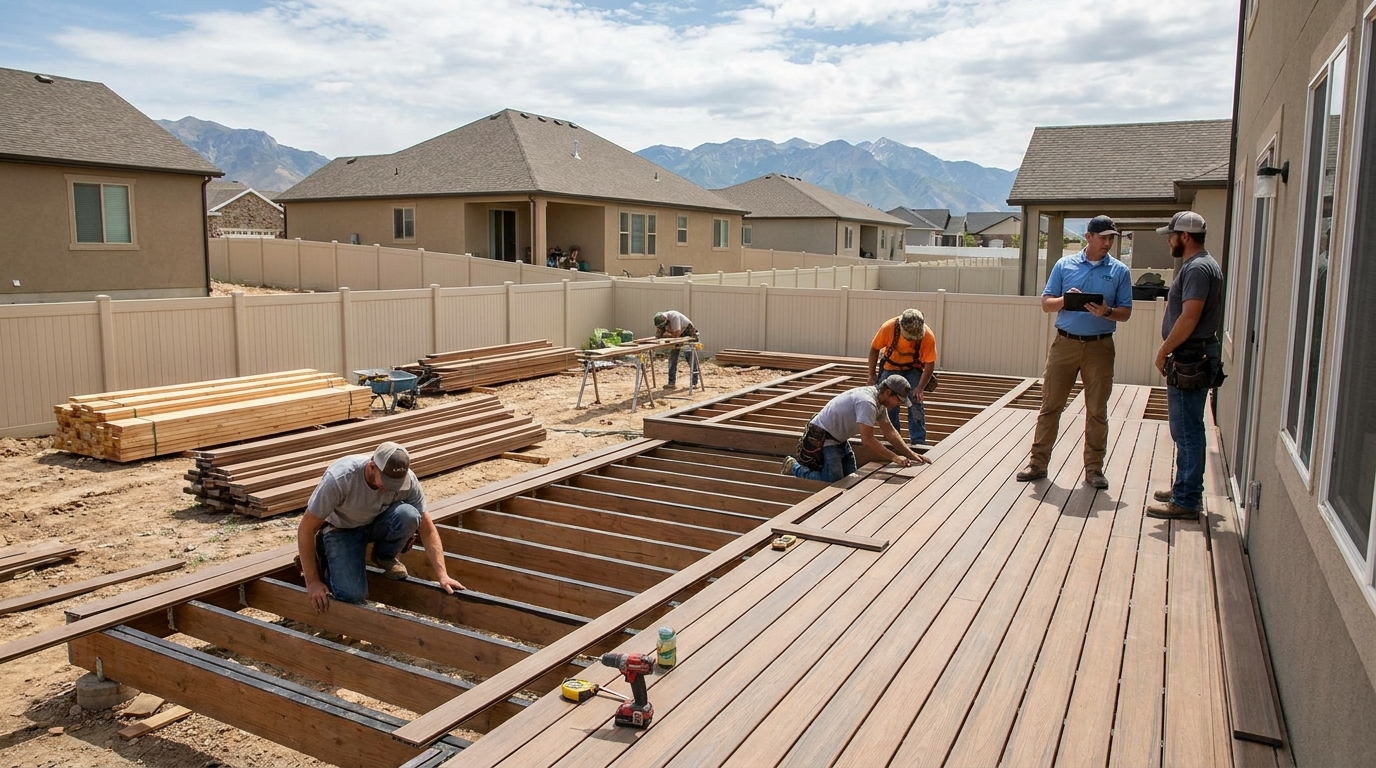
Professional deck construction in Lehi should always begin with local code research, not guesswork. That includes confirming setback rules, frost-depth requirements, attachment details, and whether HOA approval is needed before permit submission. In some communities, those extra steps can add time, but they protect you from costly corrections later.
We always encourage homeowners to choose deck building services in the Lehi area and surrounding Utah neighborhoods that handle permitting and inspections from start to finish. It keeps the project legal, safer, and far less stressful.
Most deck failures don't come from one dramatic mistake. They come from a bunch of smaller shortcuts stacking up.
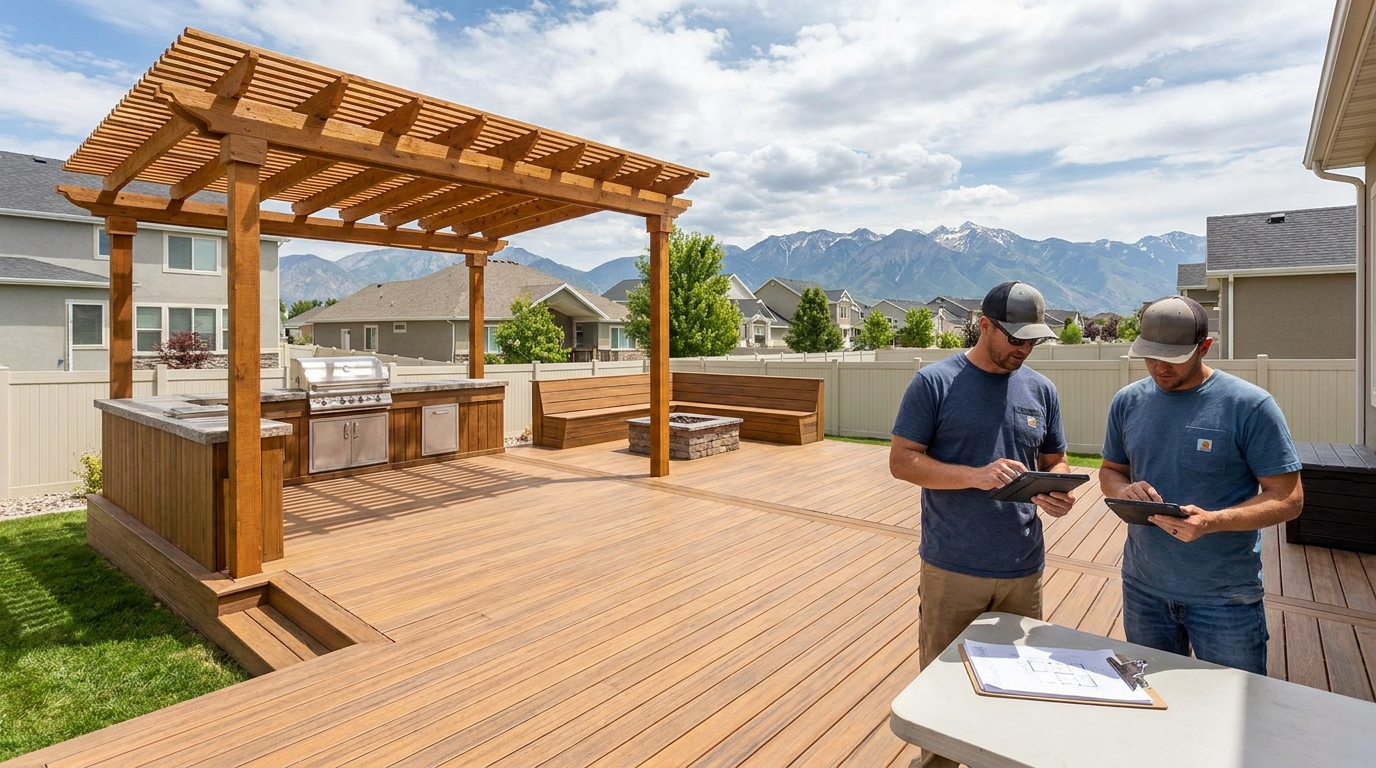
The biggest issues we see are shallow footings, weak ledger attachments, undersized beams, missing flashing, poor drainage, and hardware that corrodes faster than expected. Another common problem is building for appearance first and use second, then adding heavy planters, hot tubs, pergolas, or outdoor kitchens to a frame that wasn't designed for them.
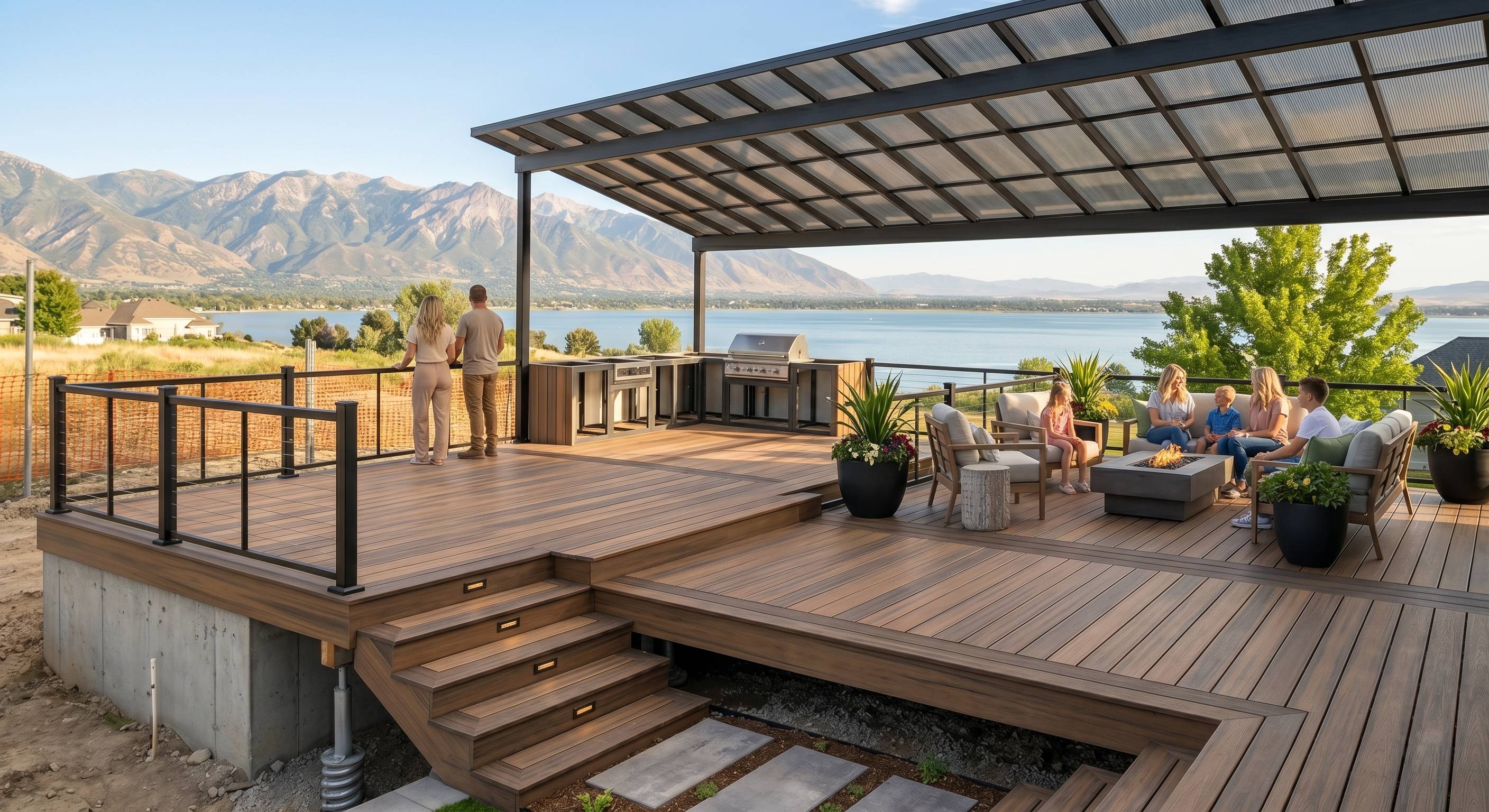
Avoiding these mistakes starts with honest planning. If you want built-in seating, a shade structure, or a grill station, the structural design needs to reflect that from day one. The same goes for snow accumulation and water runoff.
For homeowners shopping for deck building services in the Lehi area and surrounding Utah neighborhoods, ask direct questions: Was the frame engineered for added loads? Is flashing included? What inspection steps are built into the process? Clear answers usually signal a safer build.
People tend to focus on structure, but daily safety often comes down to the parts you touch every time you use the deck.
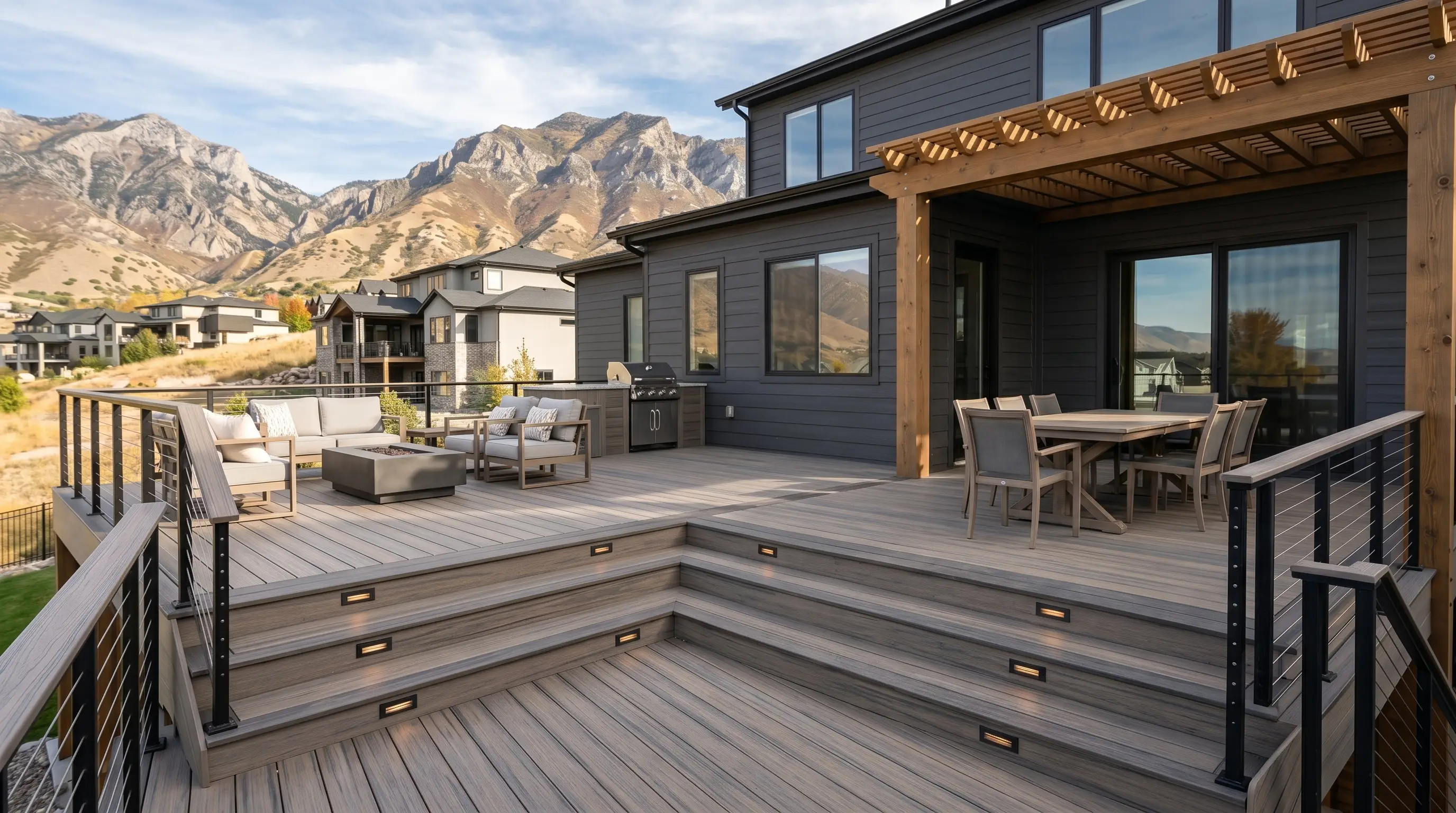
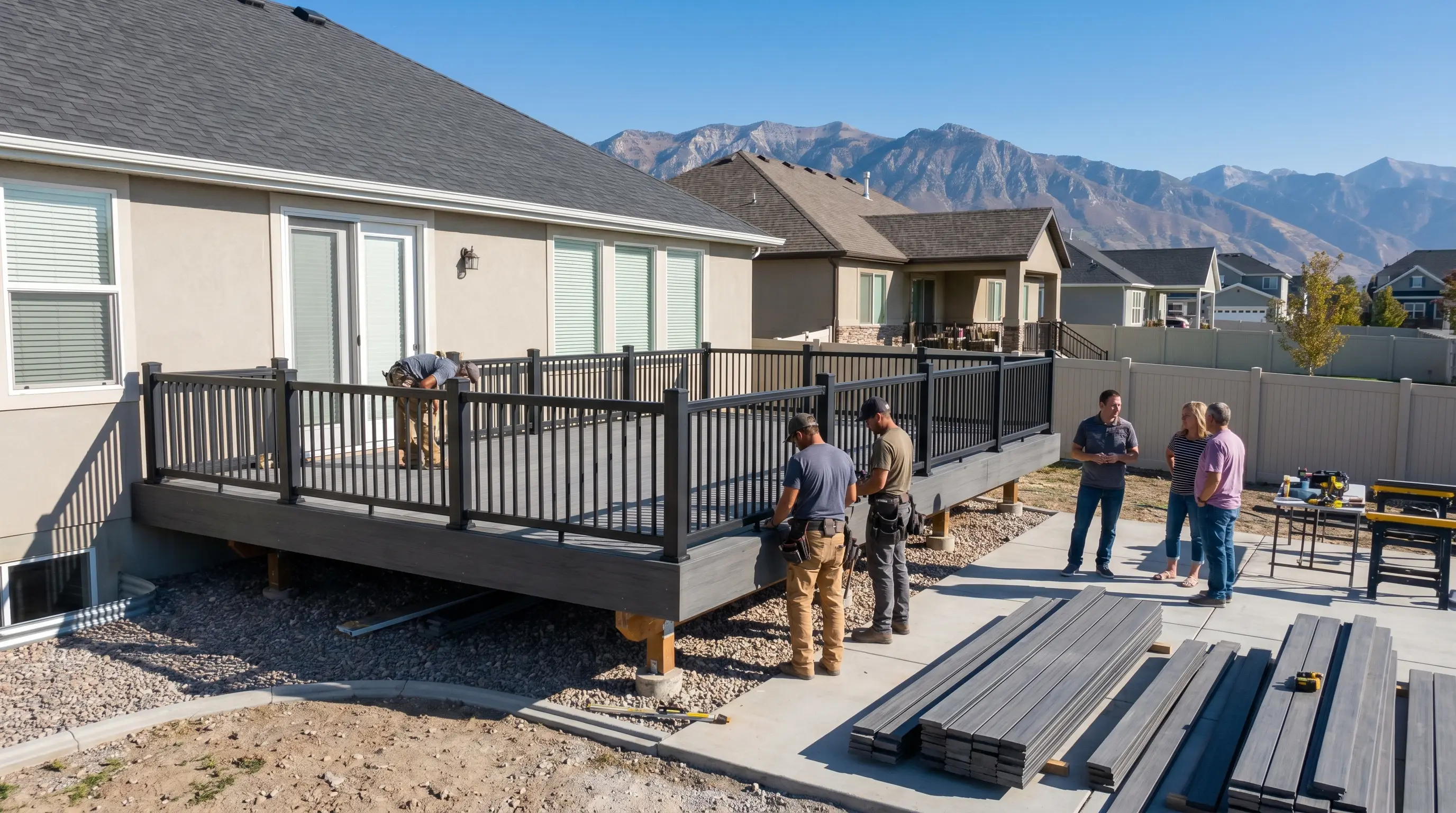
Railings need the right height, spacing, and rigidity. A railing that wobbles under pressure isn't just annoying, it's dangerous. Modern systems like aluminum, cable, and glass can look clean and preserve mountain views, but they still need code-compliant installation and proper post reinforcement.
Stairs are another high-risk area. Uneven riser heights, shallow treads, poor lighting, and slippery surfaces create trip hazards fast. We're big believers in integrated LED stair lighting because it improves visibility and extends safe use after sunset.
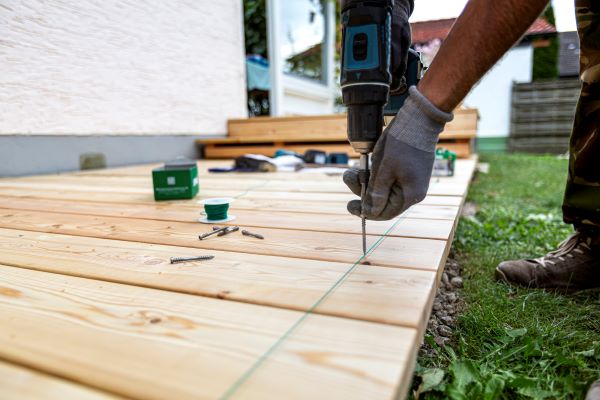
Then there are the fasteners. Exterior-rated screws, hangers, and connectors designed for treated lumber and moisture exposure are essential. The wrong fastener can corrode quietly and weaken the deck from the inside out.
That's why quality deck building services in the Lehi area and surrounding Utah neighborhoods pay close attention to the small details. They're not small once someone misses a step.
Even a well-built deck needs ongoing attention. Utah's climate is hard on exterior structures: scorching summer sun, dry air, sudden storms, snow buildup, and repeated freeze-thaw cycles all take a toll.
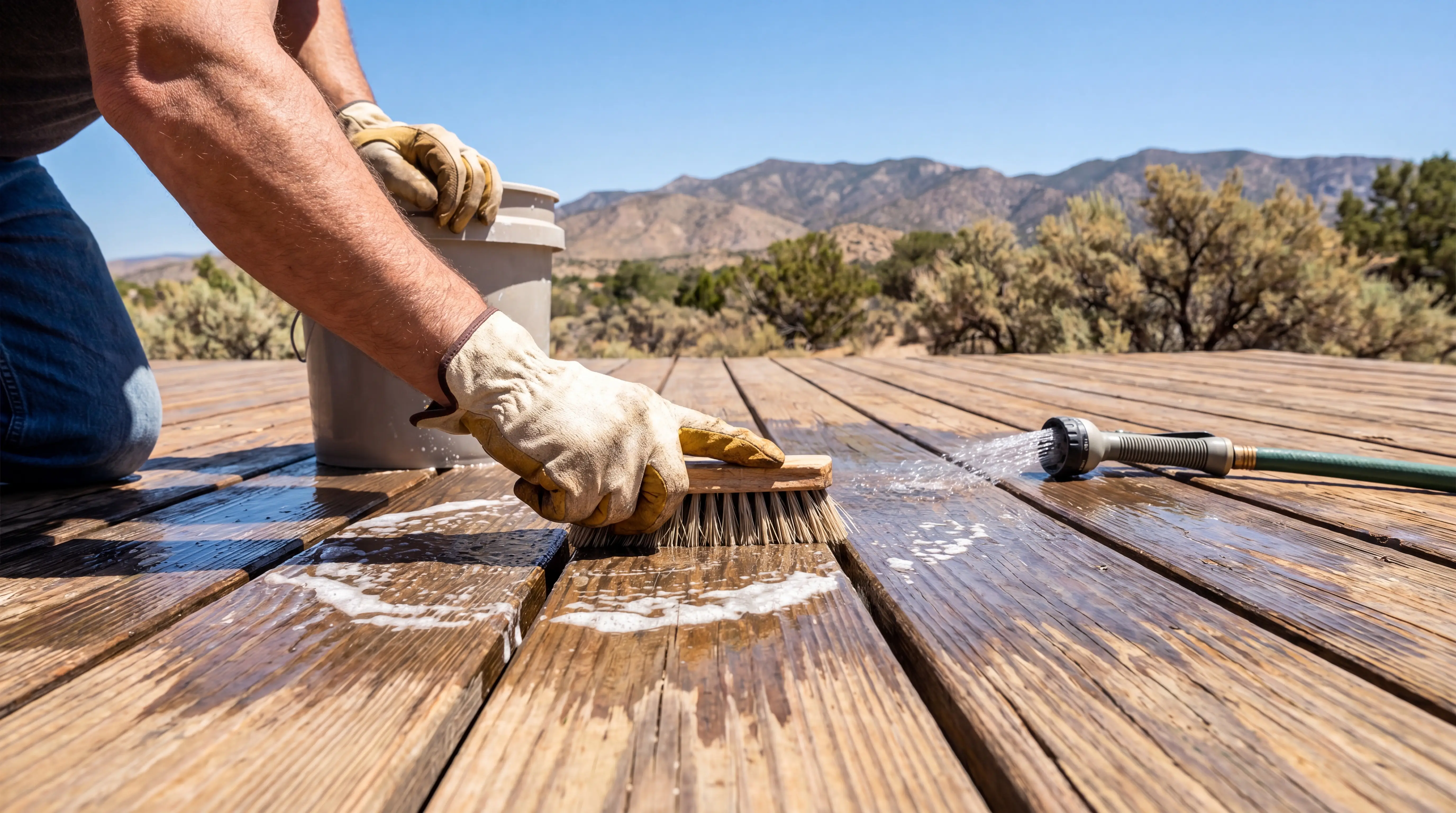
Composite decking reduces a lot of that maintenance burden, which is one reason we recommend it so often. It doesn't require the same constant sealing, sanding, and staining that natural wood does. But low maintenance doesn't mean no maintenance. Homeowners should still clean debris, check drainage paths, inspect rail connections, and look for movement, cracking, or rust around hardware.
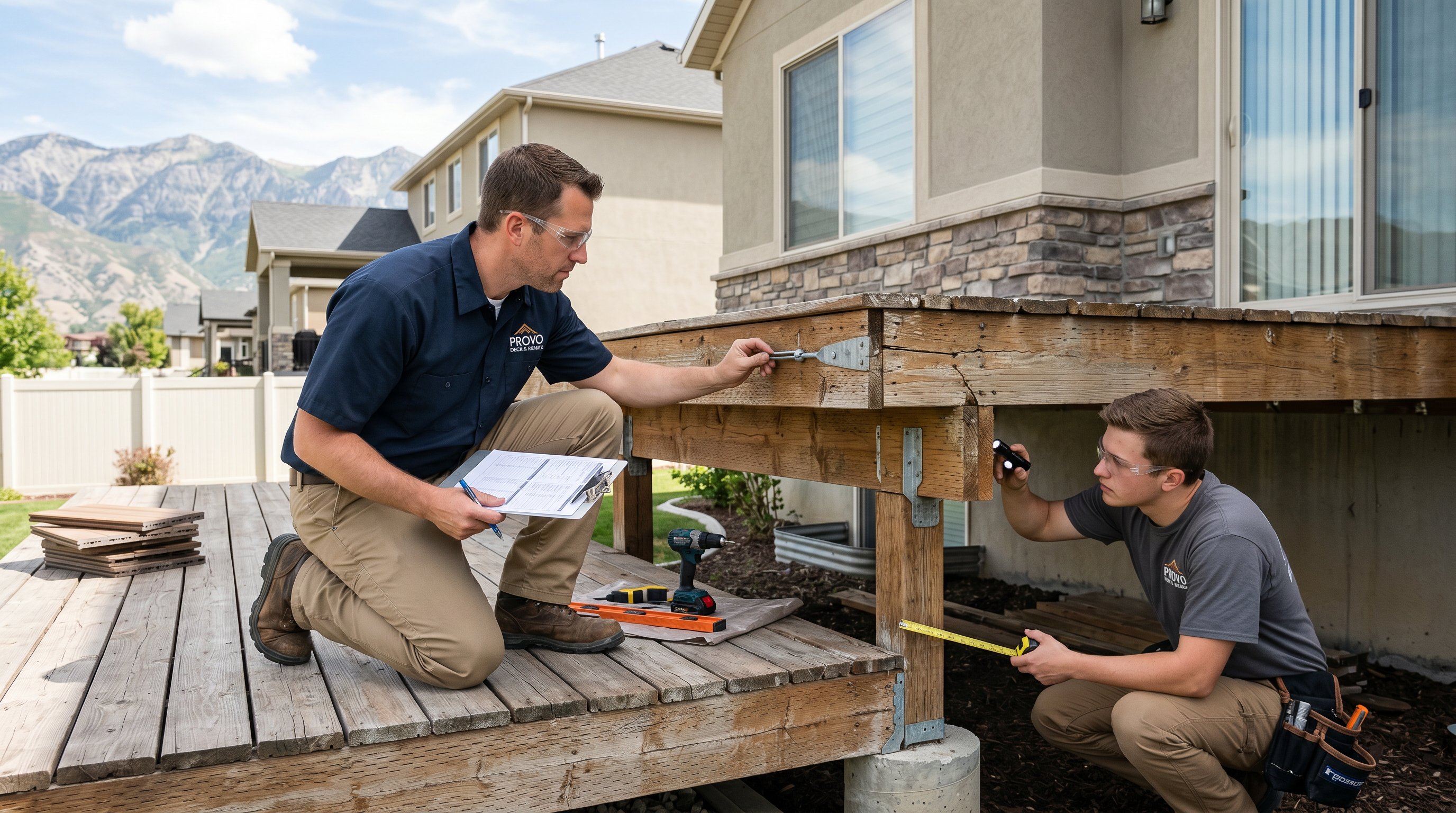
Annual inspections are a smart habit, especially before winter and again in spring. Pay close attention to stairs, ledger connections, post bases, and any areas where water tends to collect.
If you're using deck building services in the Lehi area and surrounding Utah neighborhoods, ask whether they offer resurfacing, repairs, or upgrade options over time. A safe deck is a system that should be monitored, not ignored until something feels loose.
Safe deck construction is really about durability, planning, and respect for local conditions. When the footings are deep enough, the framing is engineered correctly, the materials fit Utah's climate, and the permits are handled the right way, you get a deck that feels solid every season. And if you need trusted deck building services in the Lehi area and surrounding Utah neighborhoods, we're here to help you build it right.

.avif)
.avif)









.png)



.webp)