
A deck can transform a Herriman backyard, until July arrives and the boards feel hot enough to send everyone back indoors. In Utah, intense UV exposure, dry air, west-facing afternoon sun, and limited natural shade can make surface temperature a genuine design issue, not a minor comfort detail. The material we choose matters, but so do color, airflow, orientation, shade, and construction quality. We'll compare the most common deck materials, explain why some surfaces run hotter, and outline practical ways to create a comfortable, code-compliant outdoor living space for Wasatch Front summers.
Deck boards heat up when they absorb solar energy faster than they can release it. Dark colors absorb more radiation than light colors, while dense or plastic-based materials may hold that heat after the sun has moved. Herriman's high elevation and dry climate intensify the experience: clear skies allow strong UV exposure, and a west-facing deck can receive several hours of direct afternoon sun when temperatures are already near their daily peak.
Surface temperature isn't the same as air temperature. A 90-degree afternoon can produce a much hotter board, particularly when the deck has no shade and little air movement. Bare feet, pets, and young children notice that difference immediately. Even products marketed as cooler decking can become uncomfortable under full sun: manufacturer testing generally confirms that results vary with color, weather, orientation, and surrounding surfaces.
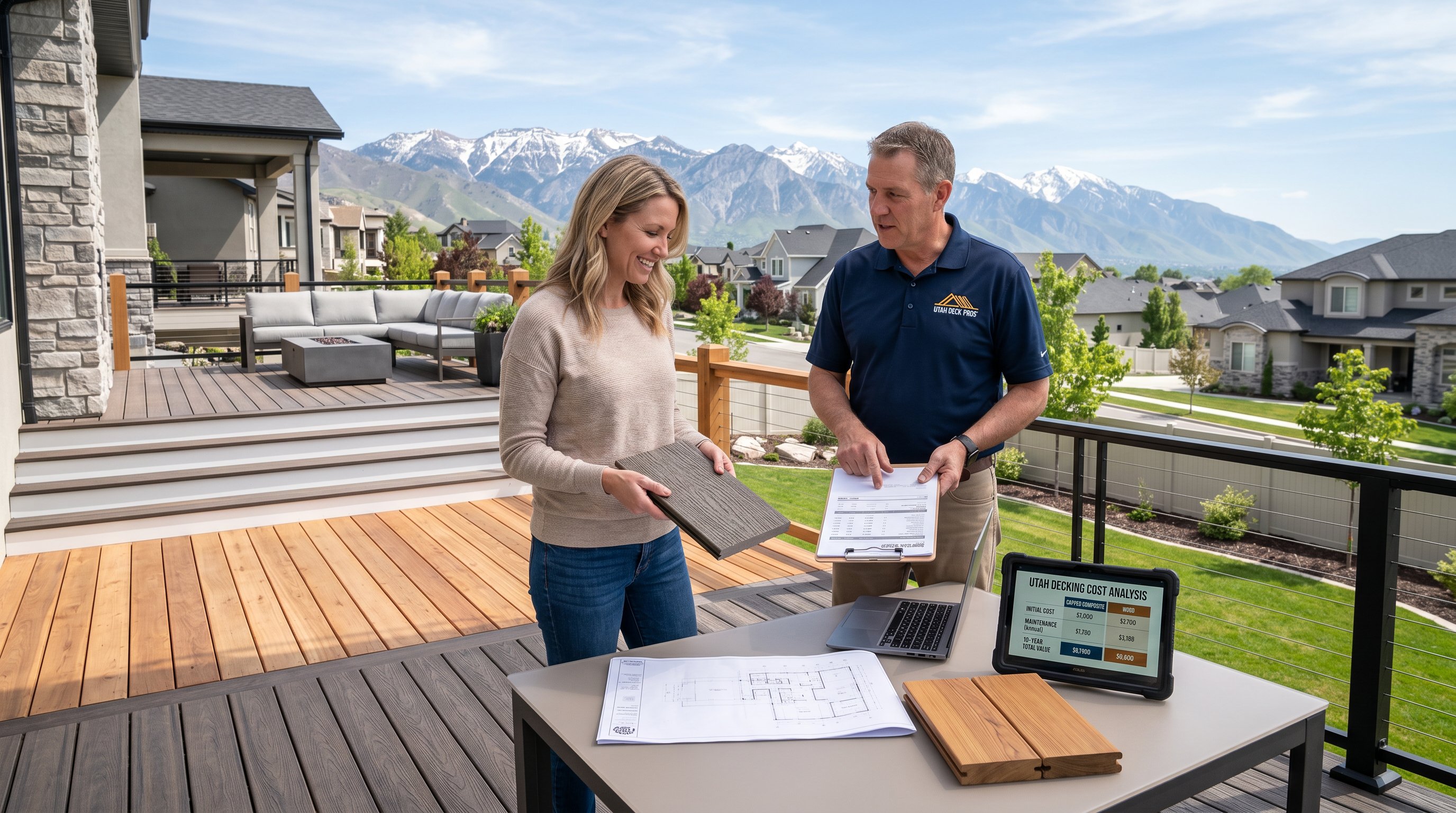
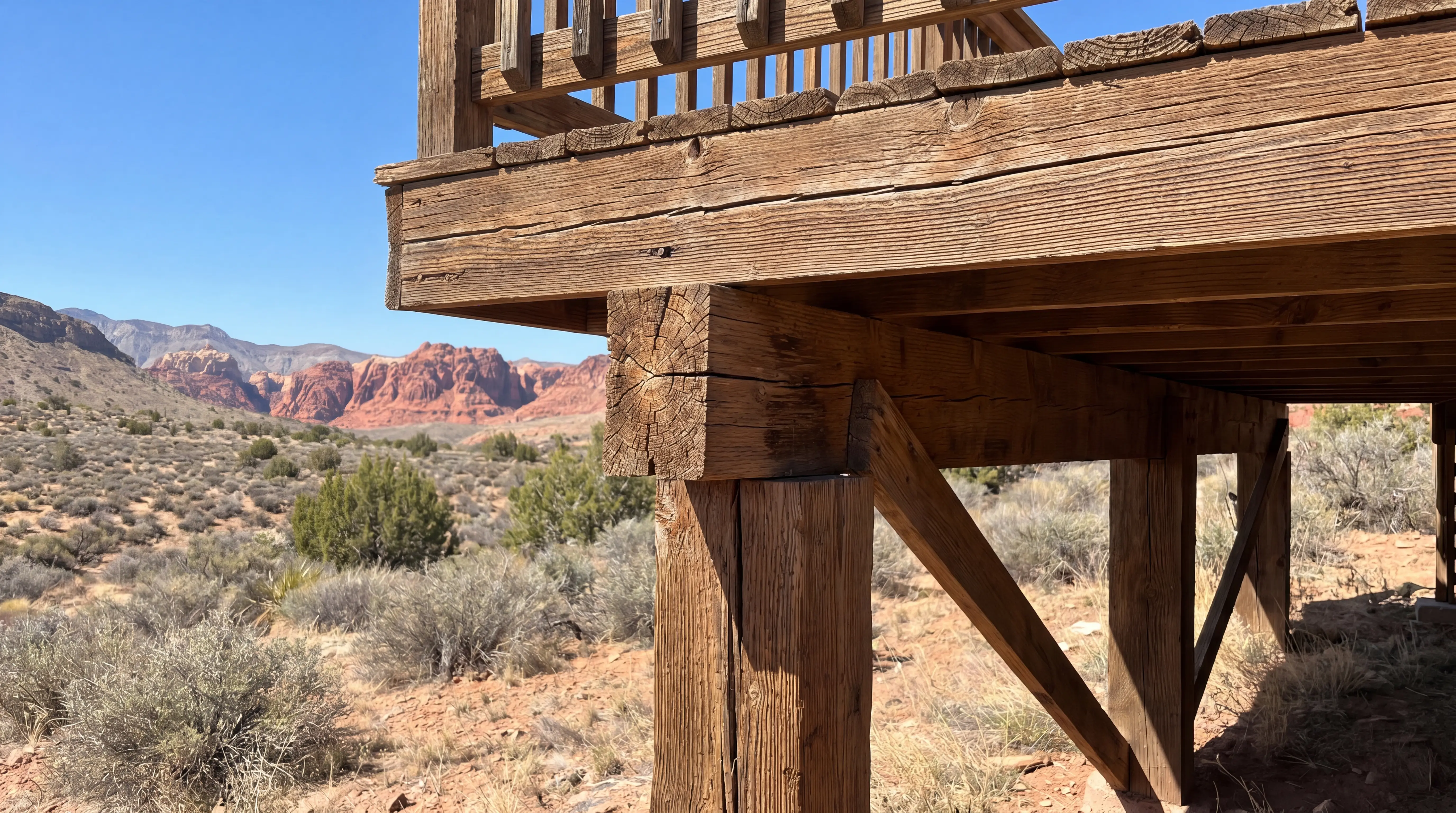
We also consider what happens after summer. Utah's winter snow loads, freeze-thaw cycles, and spring runoff place stress on framing and fasteners. A surface that feels comfortable but sits on undersized framing isn't a successful deck. Our approach combines heat-conscious material selection with deep footings, appropriate joist spacing, corrosion-resistant hardware, and drainage details suited to local conditions. Homeowners comparing wood deck cost should evaluate long-term maintenance and comfort, not only the initial price.
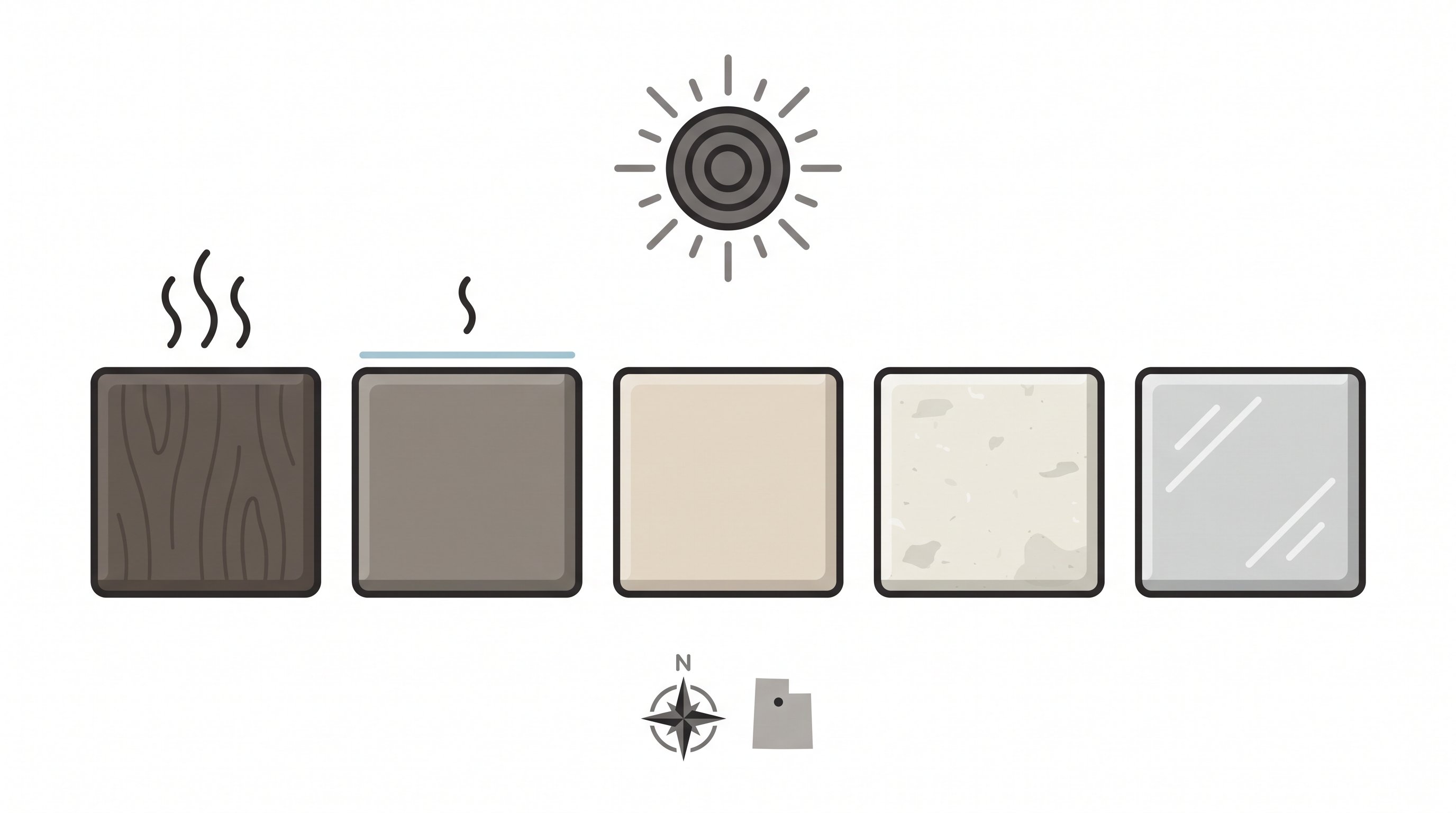
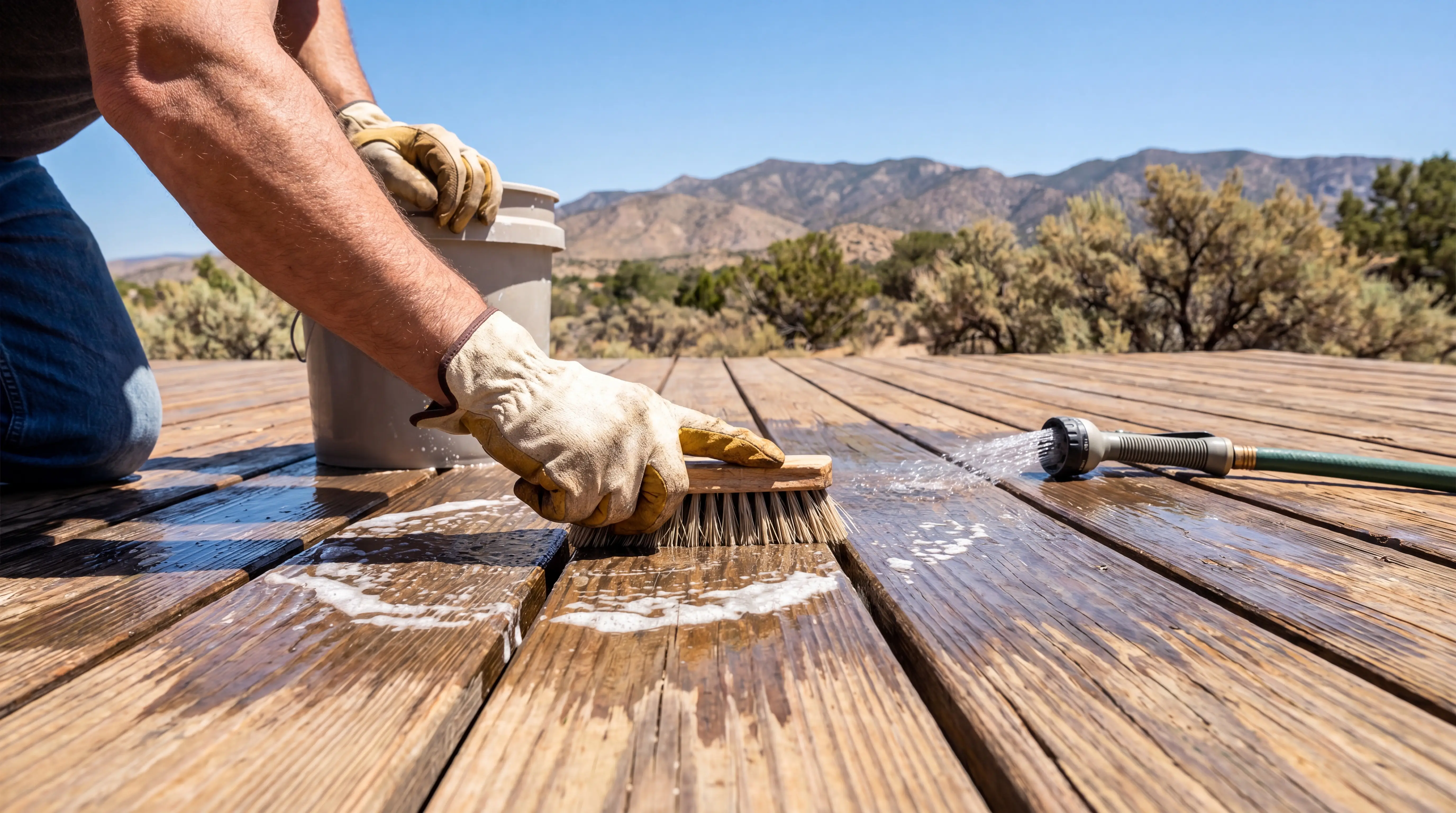
Natural wood, usually cedar or treated lumber, has a familiar appearance and can feel less intense under some conditions because heat moves into the board rather than remaining entirely at the surface. But, wood still gets hot in direct sunlight, and it requires staining, sealing, cleaning, and periodic board replacement. Utah's dry air and powerful UV rays can accelerate fading, checking, and splintering. Redwood and premium hardwoods may improve performance, but they also raise cost and maintenance demands.
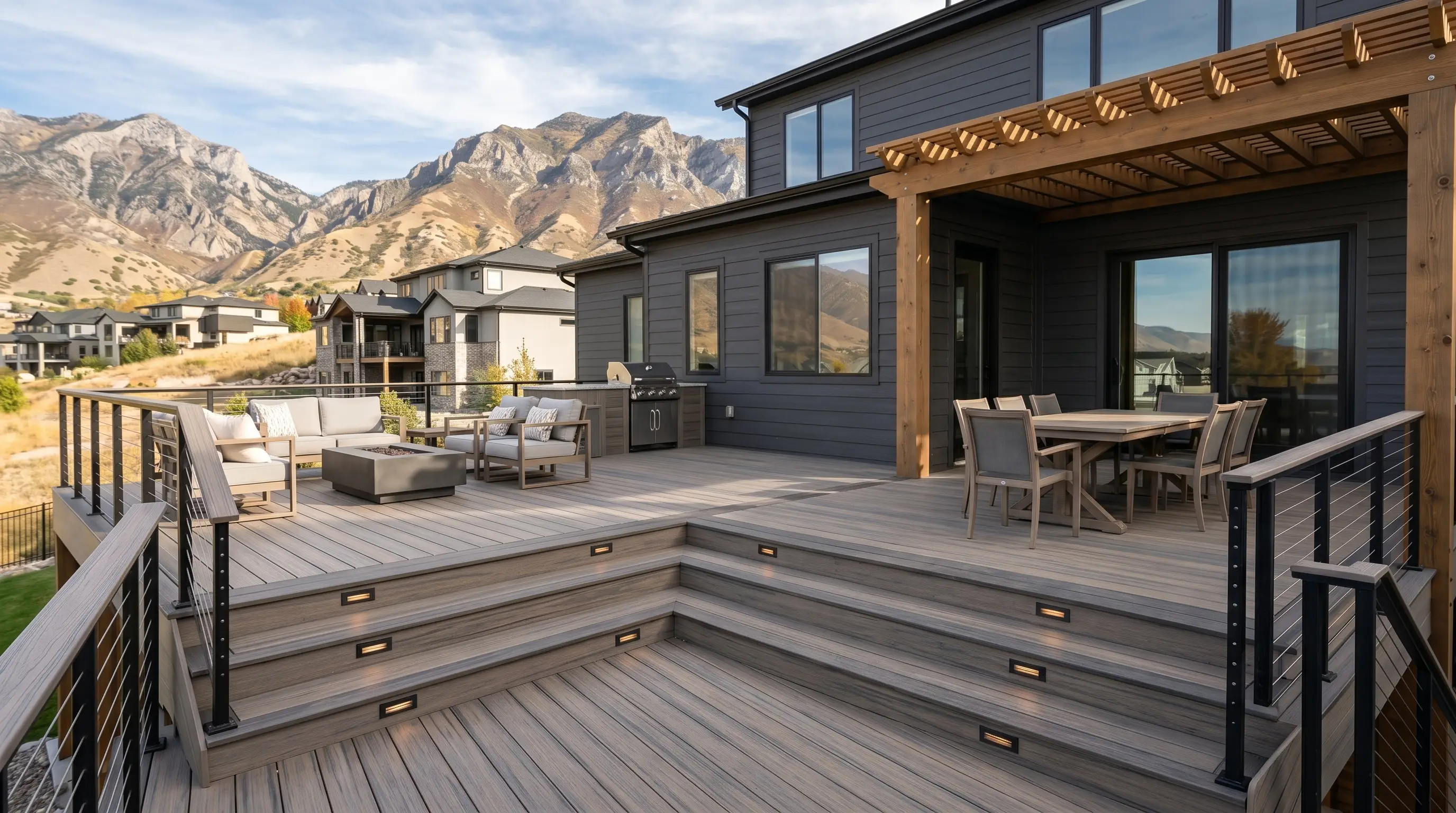
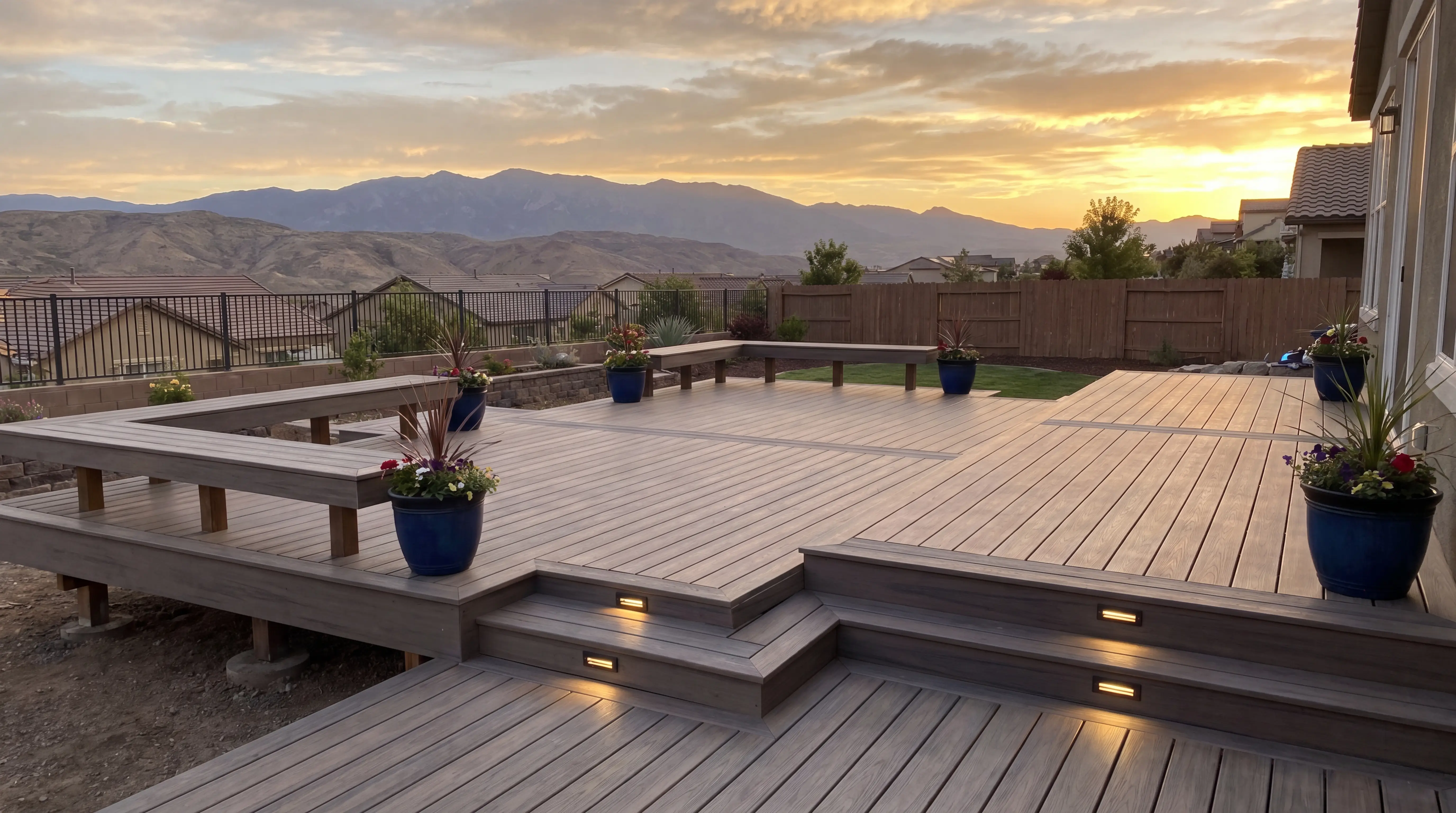
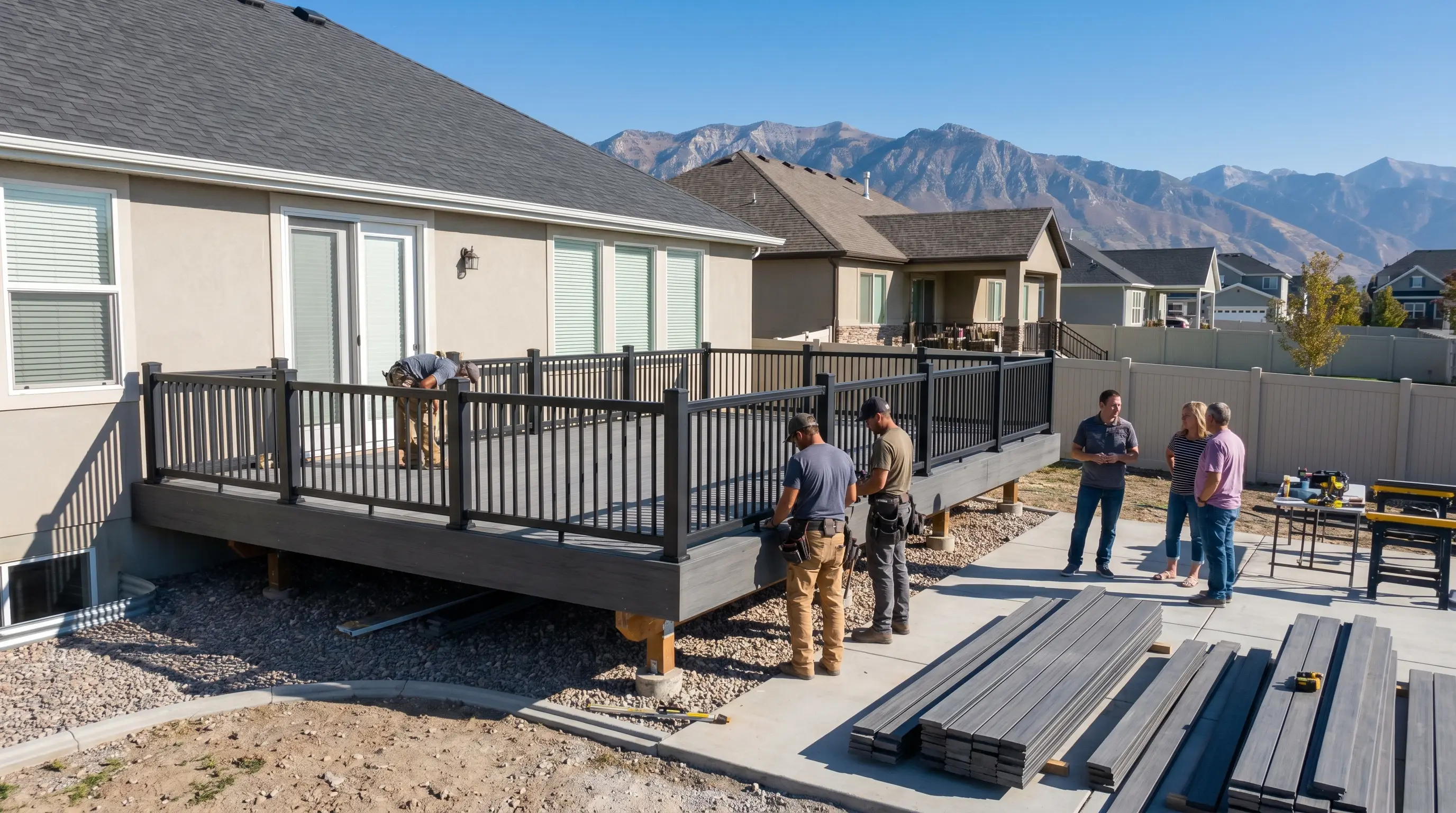
Capped composite is our usual recommendation for Utah homeowners who want a low-maintenance deck. Products from manufacturers such as Trex and TimberTech resist splintering, warping, and everyday moisture, while a protective cap improves fade and stain resistance. Standard dark composite can feel hot, so we steer full-sun projects toward lighter colors and, where available, heat-mitigation lines with reflective pigments. That doesn't make composite magically cool, but it can improve comfort without sacrificing durability. A composite deck installation also pairs well with integrated lighting, modern railings, and built-in outdoor living features.
PVC decking is lightweight and highly resistant to moisture, rot, and insects. Its cellular construction can make some products feel more comfortable than dense boards, though color and exposure remain decisive. Stone or porcelain pavers can reflect sunlight when pale, but dark stone may become extremely hot: weight, drainage, and structural support must be planned carefully. Aluminum is durable, fire-resistant, and won't rot, though its feel varies by finish and color. It can be a smart choice for specialized applications, but many Herriman homeowners prefer composite's warmer visual character.
Material selection should fit the whole project. A qualified Utah County composite builder can account for stairs, elevation, railing, shade attachments, and the condition of an existing frame before recommending resurfacing or a complete rebuild.
Color is the easiest heat variable to understand. Dark gray, brown, and black boards generally absorb more solar energy than tan, light gray, or white surfaces. Think of it as the difference between wearing a black shirt and a white shirt on a sunny day, neither is cold, but one usually feels worse. A lighter board won't eliminate heat, yet it can make a noticeable difference during peak exposure.
Orientation matters just as much. South-facing decks may receive strong exposure for most of the day, while west-facing decks often become hottest between midafternoon and sunset. Nearby stucco walls, concrete patios, and dark roofing can reflect or radiate additional heat onto the deck. We map those conditions during design instead of selecting boards from a small sample indoors.
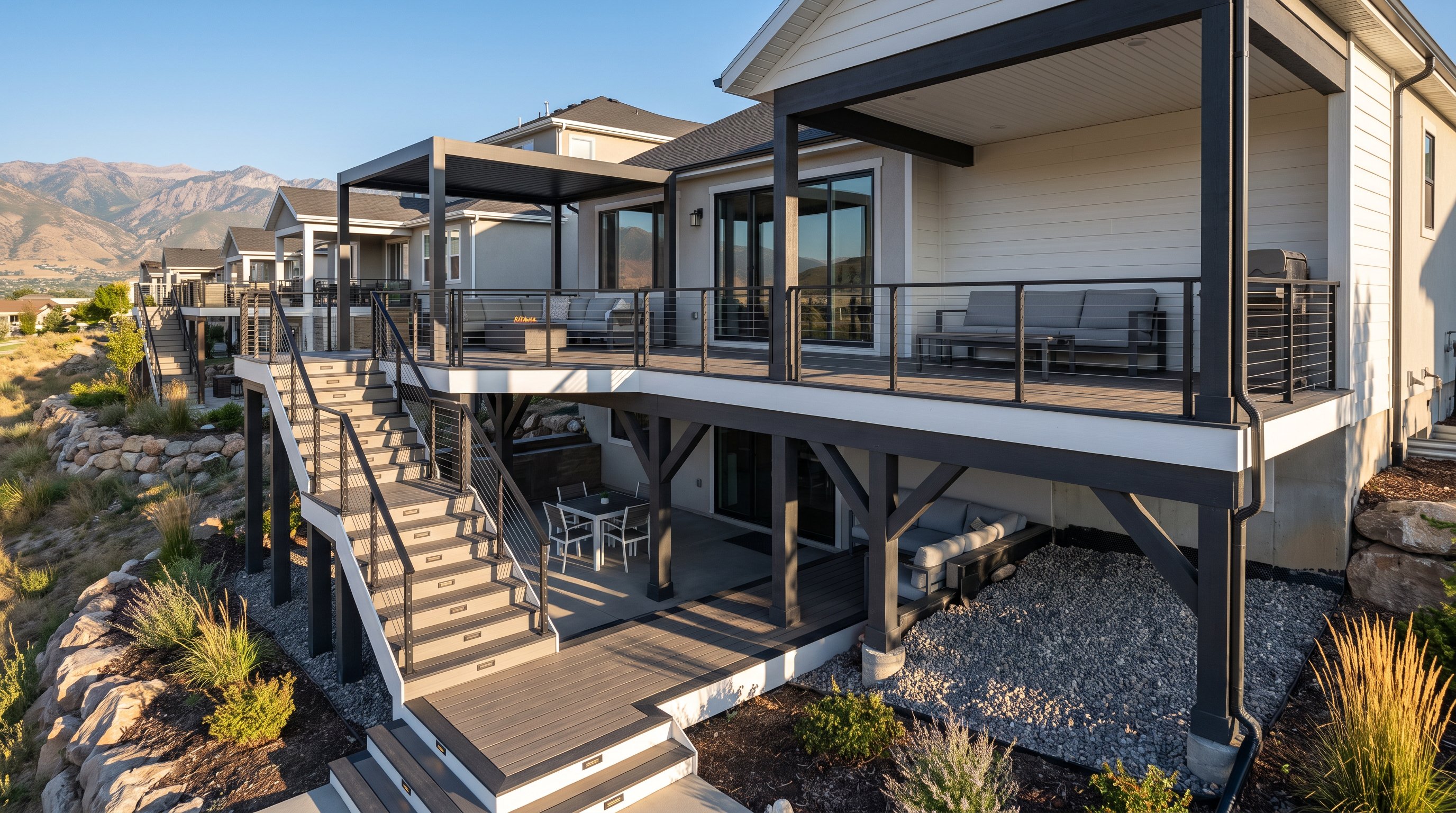
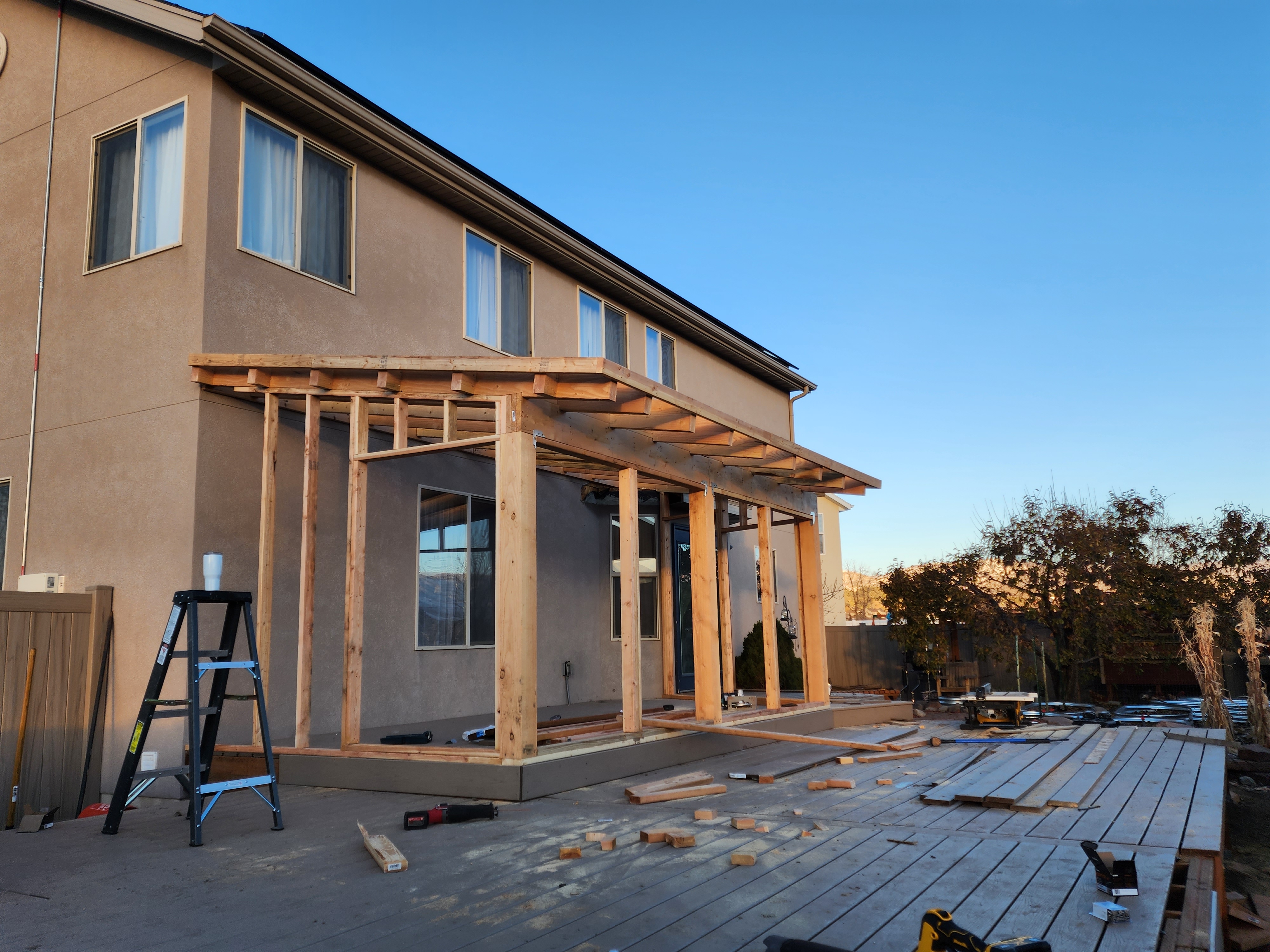
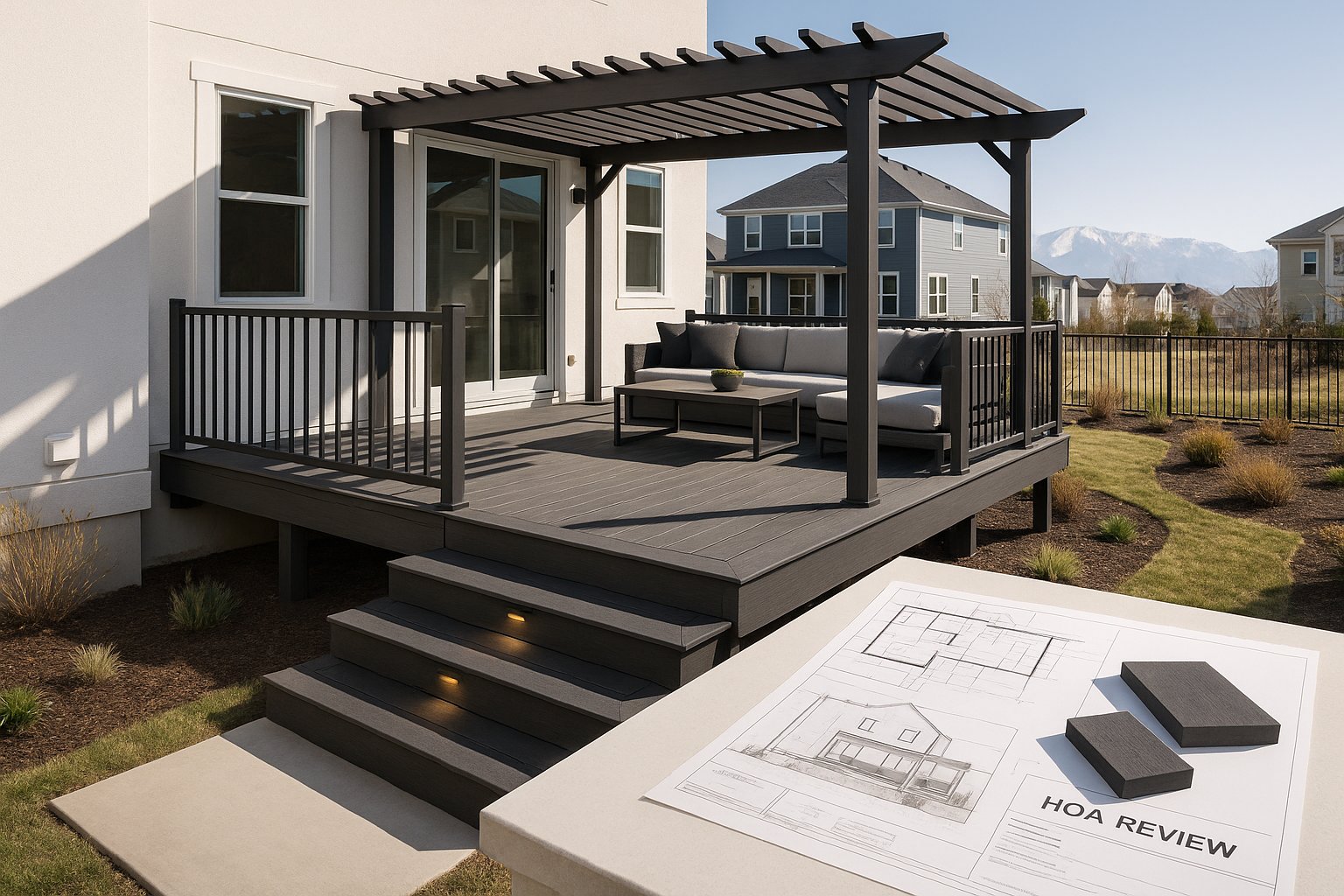
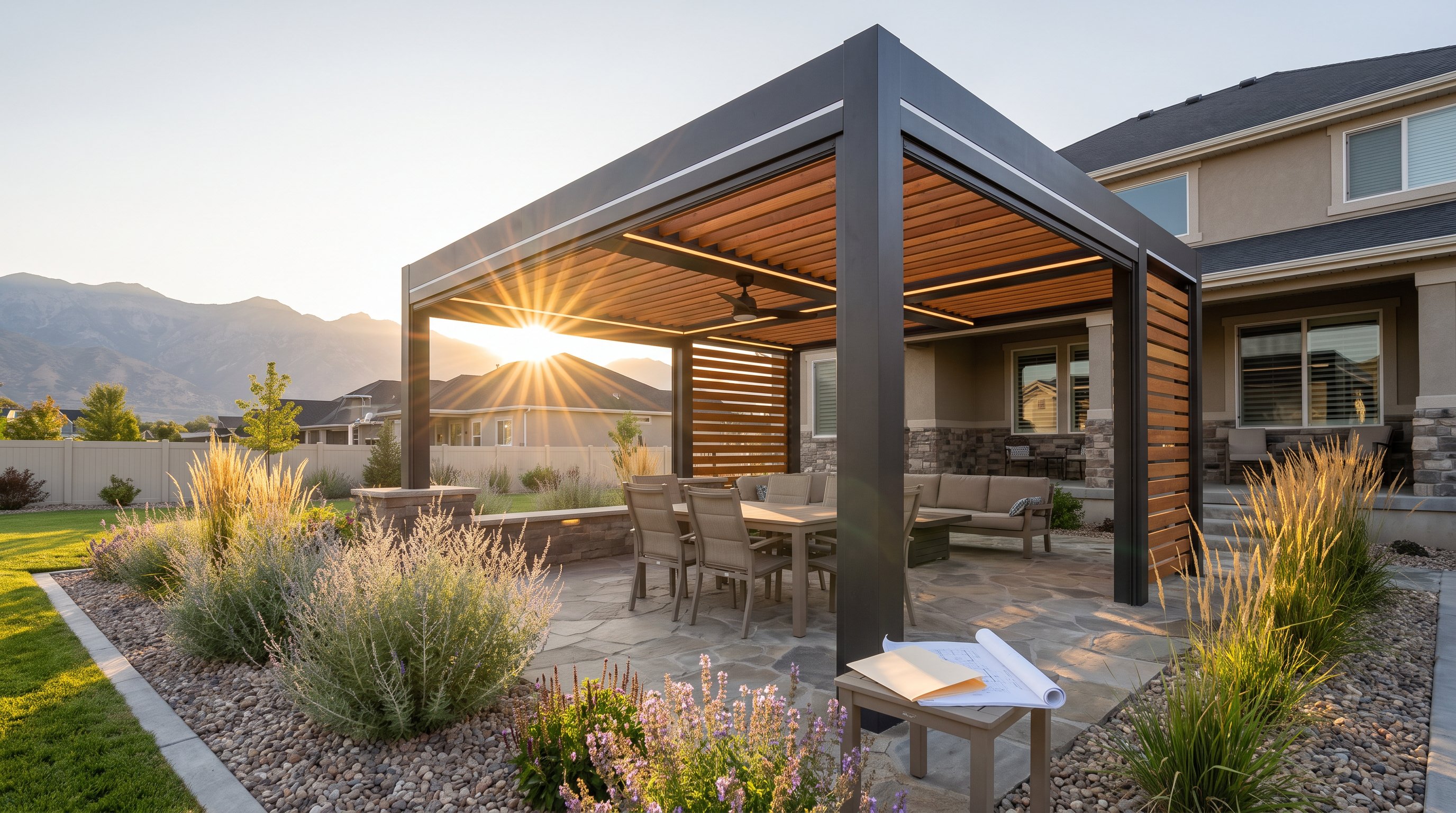
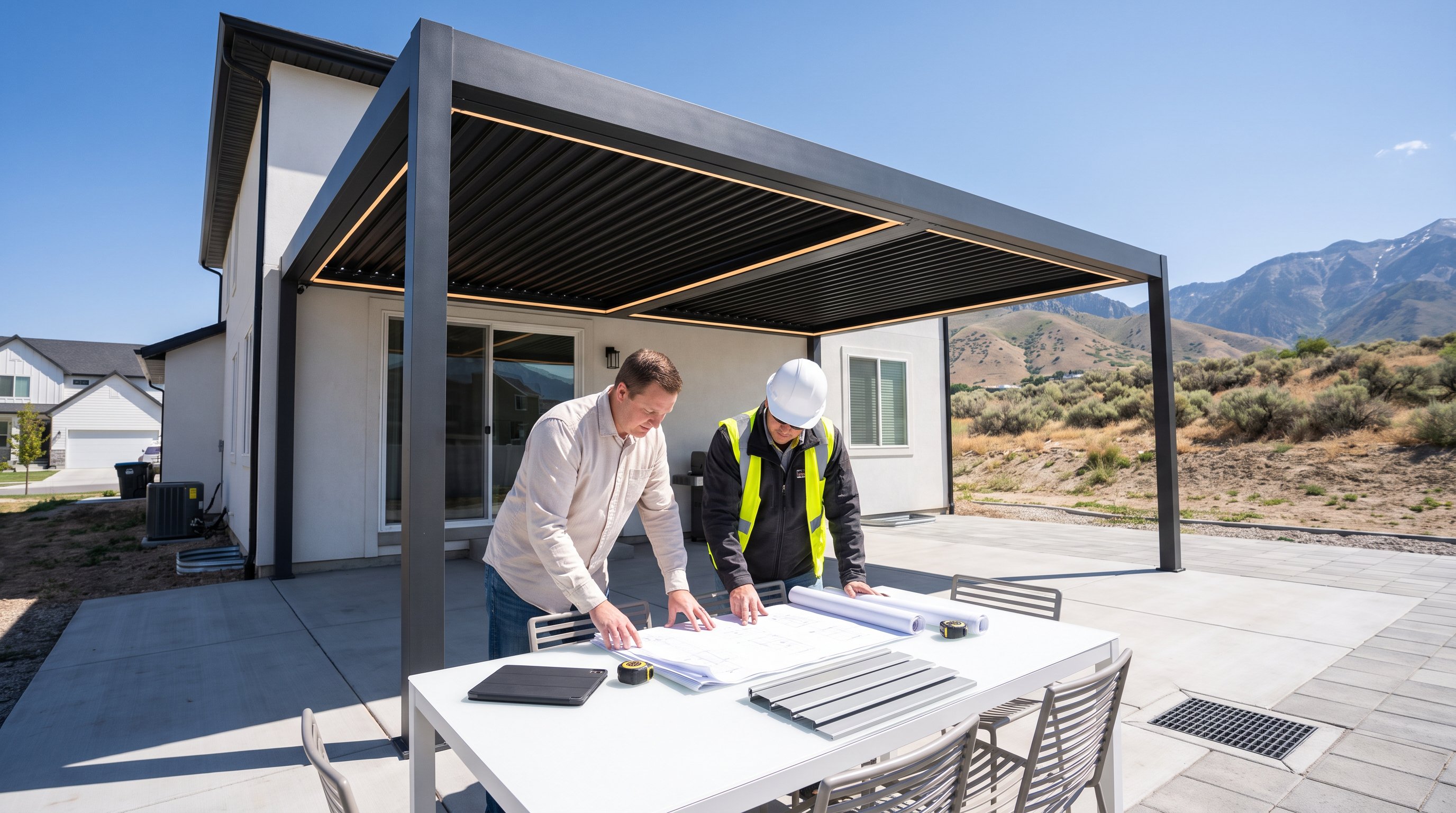
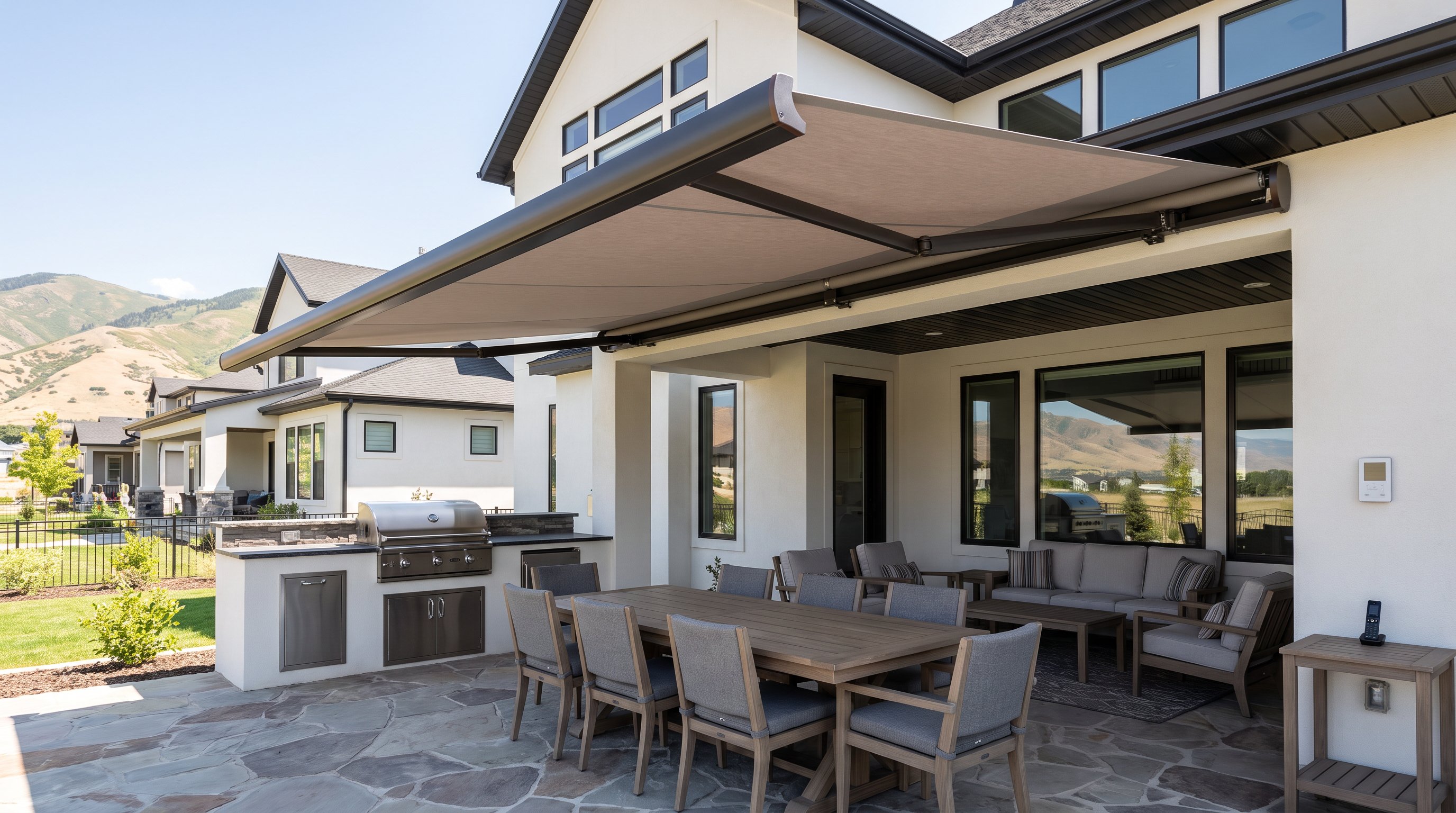
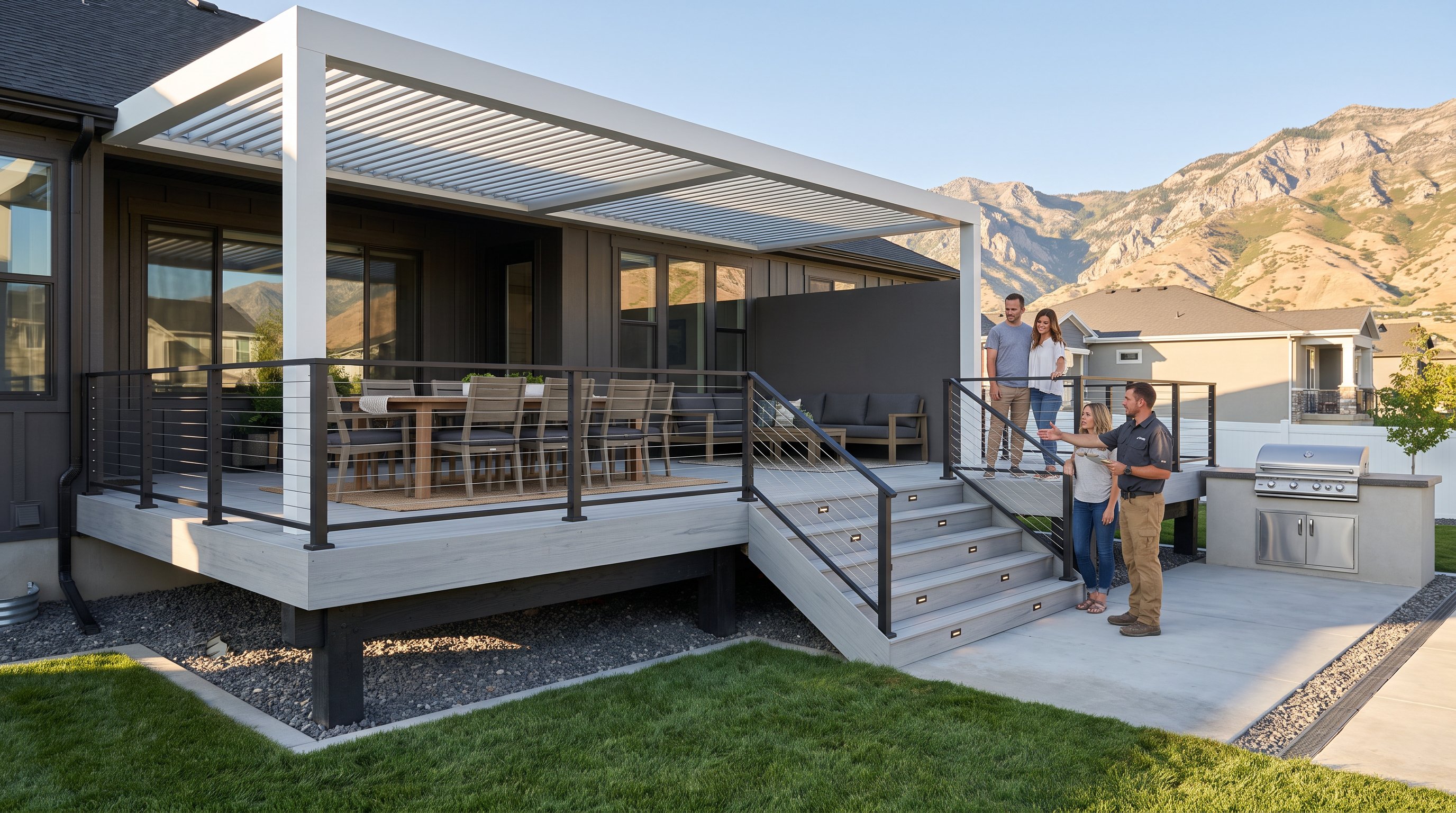
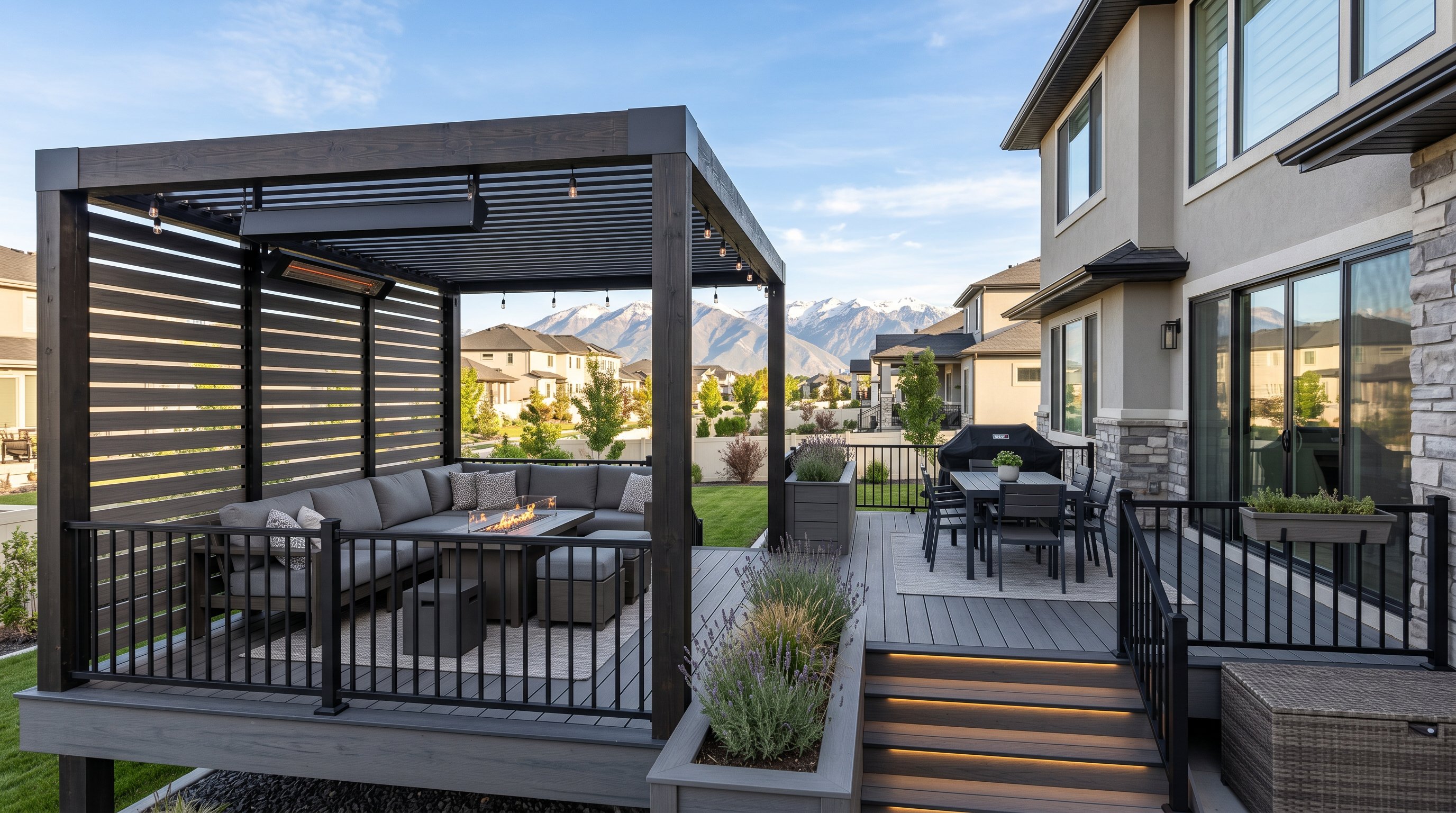
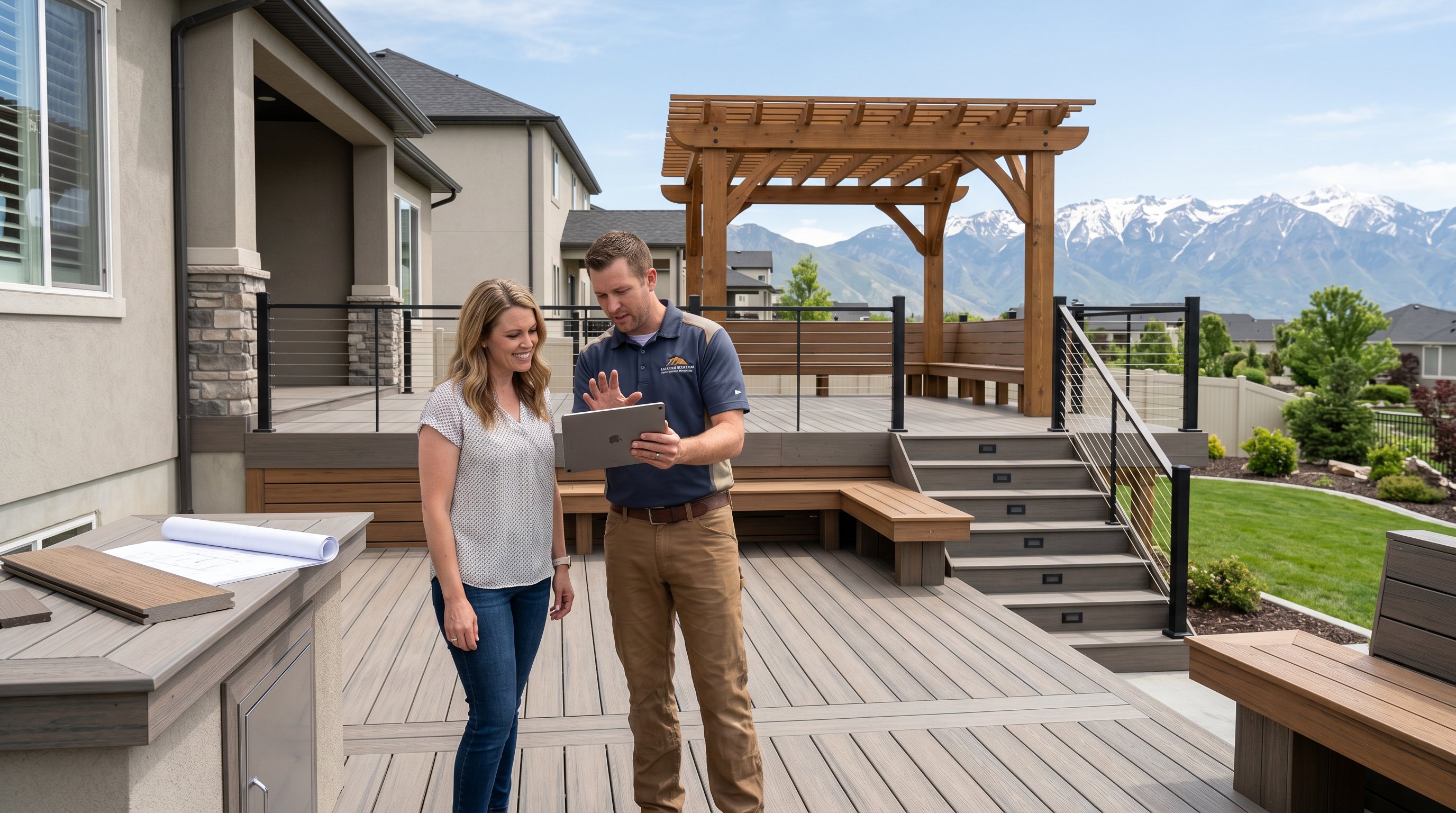
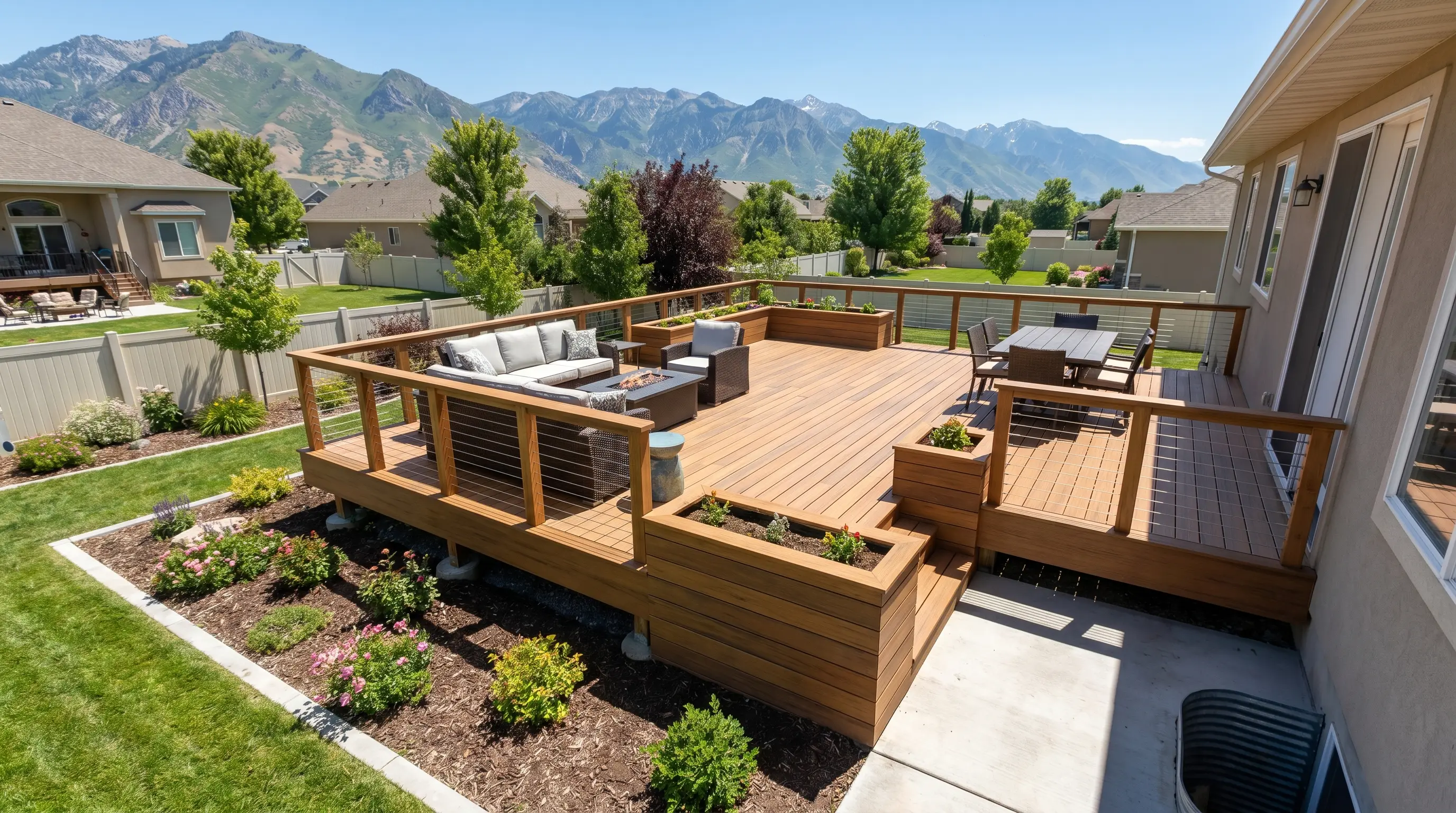
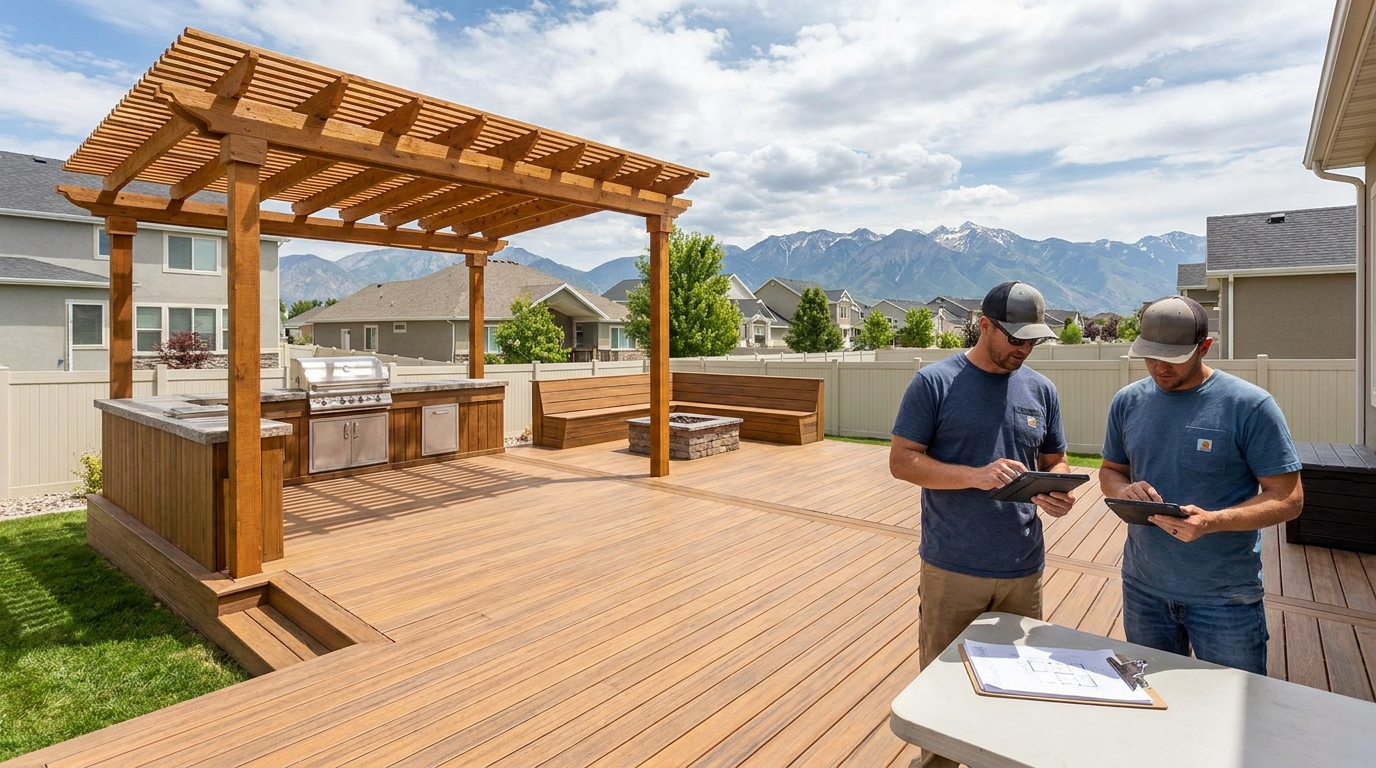
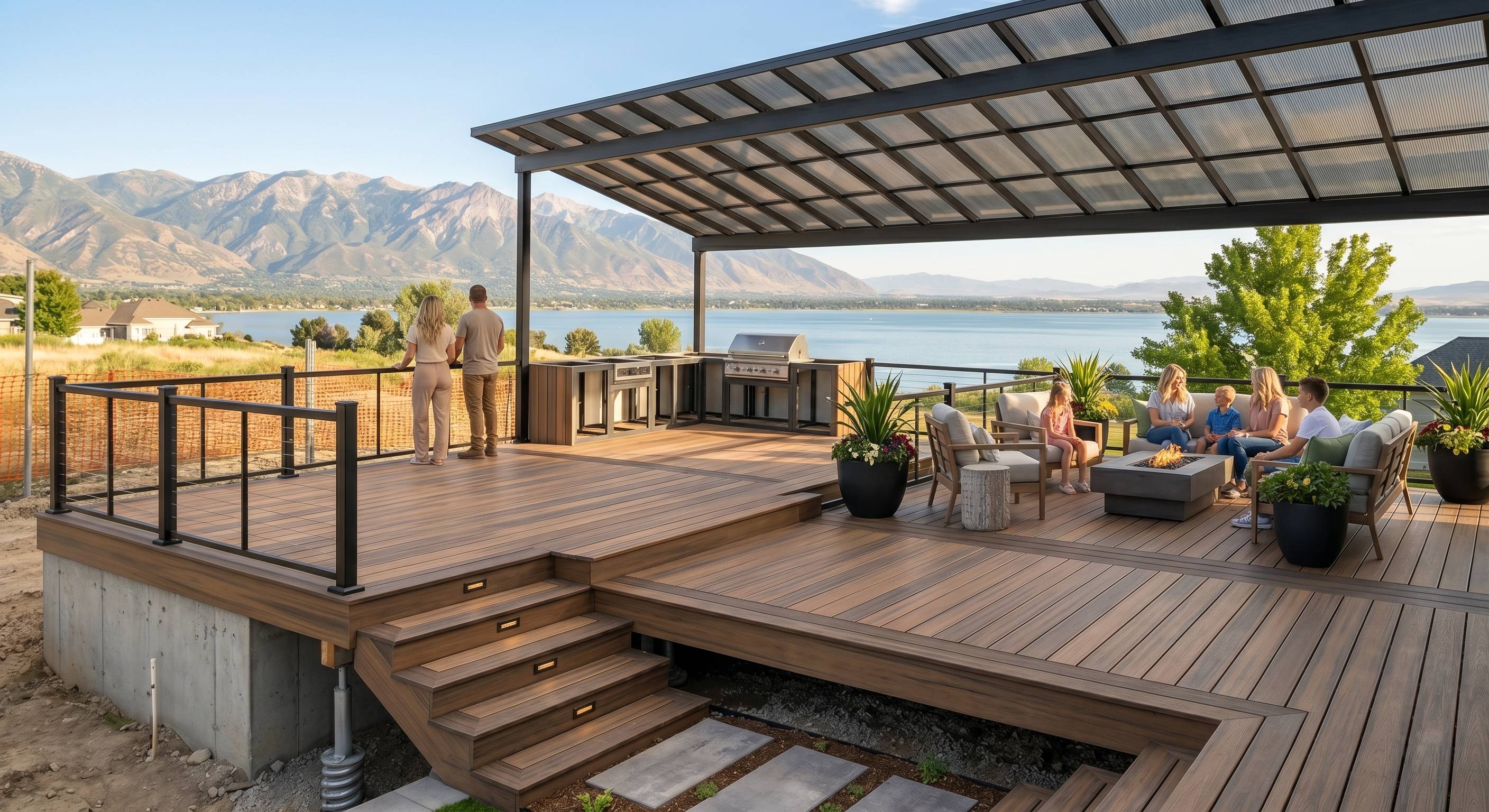
Shade is the most reliable comfort strategy. A pergola, roof extension, retractable canopy, or motorized louvered structure blocks solar energy before it reaches the boards. Planning it early lets us size footings, posts, attachment points, and electrical routes correctly. It can also make an existing deck more useful without replacing every board. Our Utah deck design ideas often include shade, lighting, privacy walls, and seating zones as one coordinated plan.
Airflow helps surfaces release heat, especially on elevated decks. We avoid trapping moisture beneath boards, maintain appropriate gaps, and use drainage systems where needed. Still, airflow is a supporting factor, not a substitute for shade on an exposed afternoon. A strategically placed tree can help too, provided mature roots, falling debris, and long-term maintenance are considered.
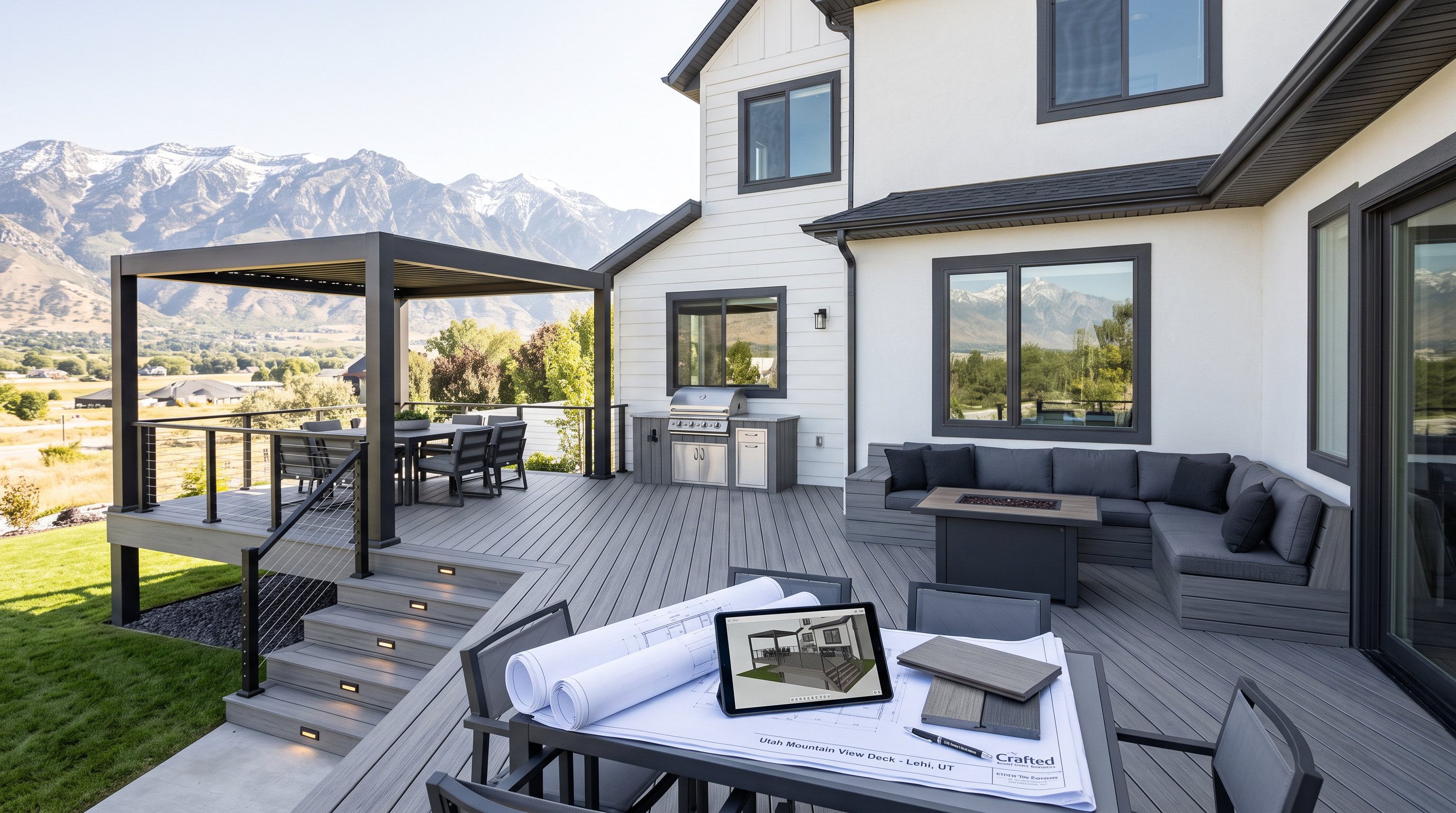
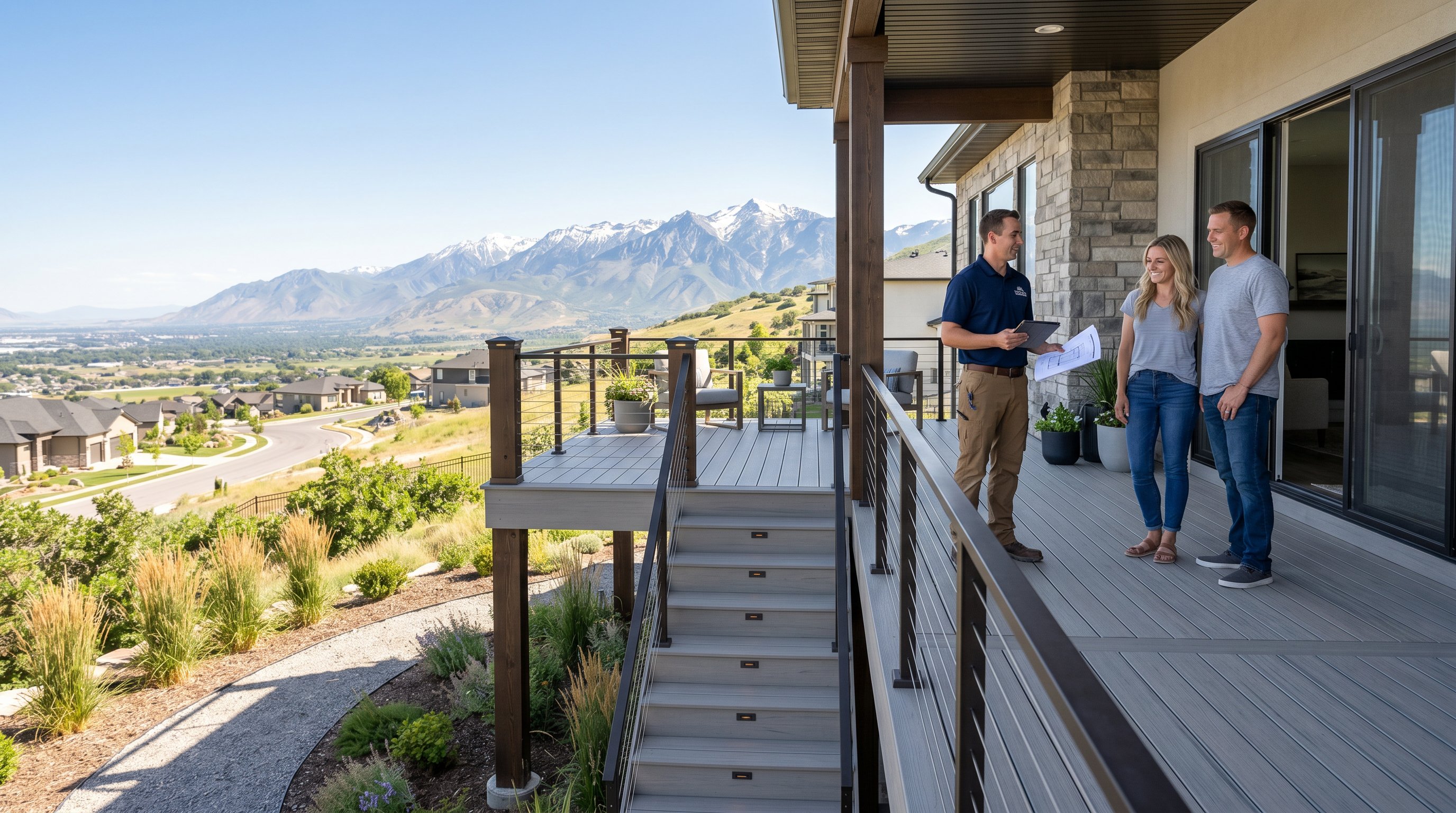
Comfort starts with an honest site evaluation. We look at sun paths, existing shade, grade, drainage, views, door thresholds, and how the family expects to use the space. Someone who wants a barefoot play area needs a different solution from a homeowner planning a grill station and evening entertaining. We can provide a free in-home estimate and 3D design mockup so material colors and shade structures are easier to judge before construction begins.
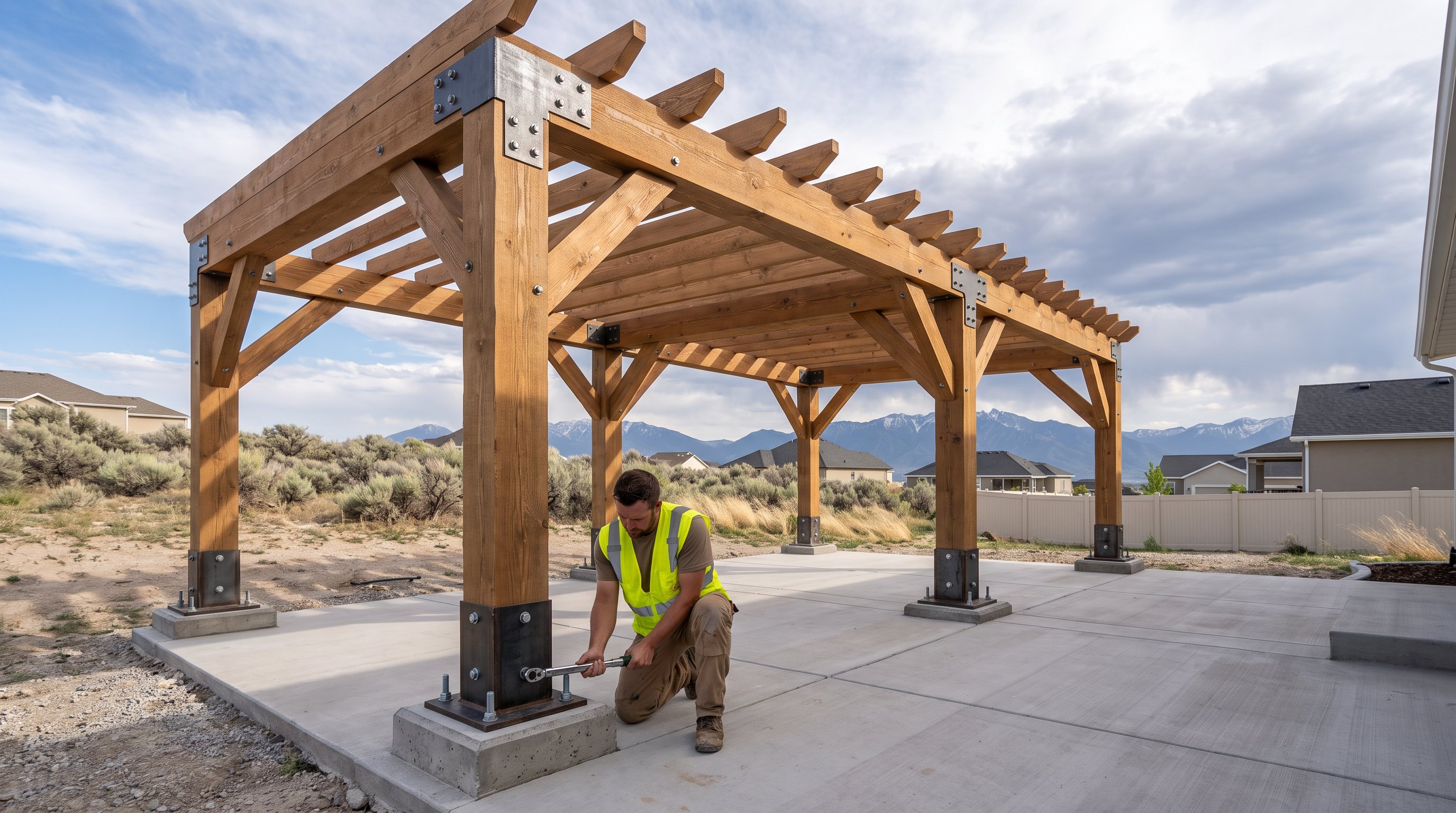
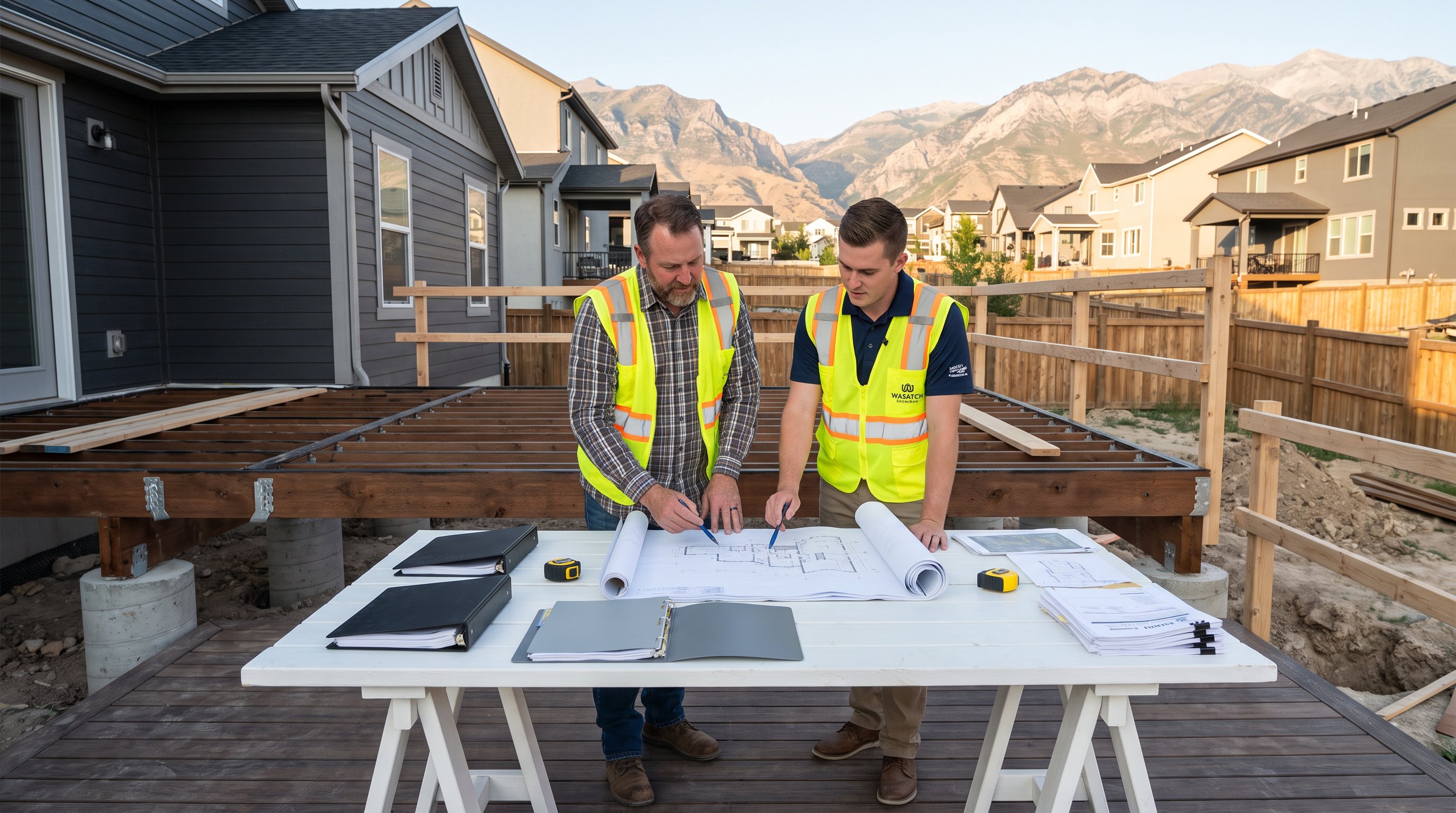
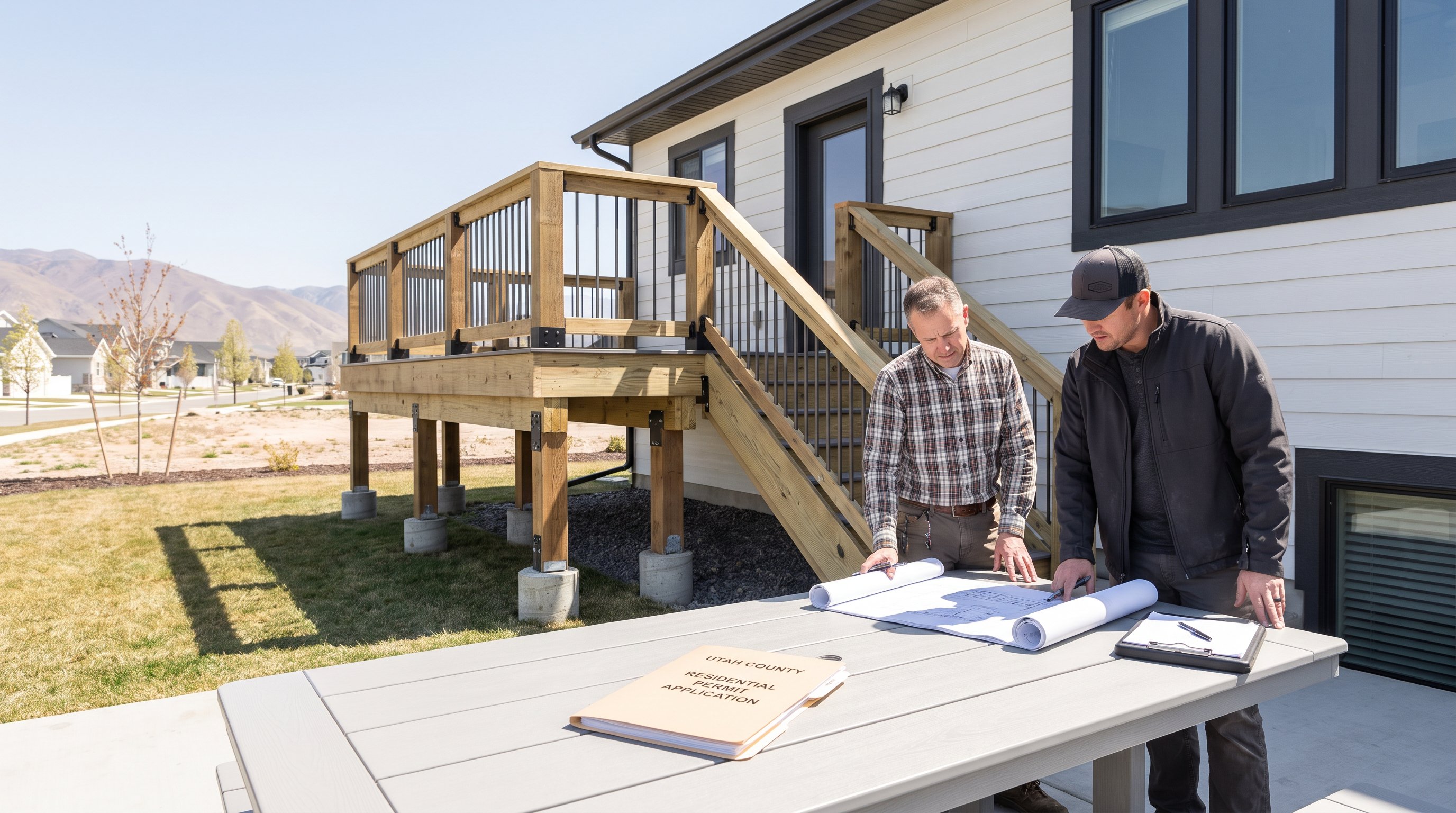
Code compliance is equally important in Herriman and throughout the Wasatch Front. Permits, setbacks, guard heights, stair geometry, ledger connections, and structural plans all matter. Utah snow loads require properly designed beams, joists, posts, and hardware, not just attractive surface boards. We install concrete footings below the local frost line, typically 30 inches or more depending on site requirements, to reduce heaving during freeze-thaw cycles. HOA documentation may also be necessary in communities such as Daybreak or Traverse Mountain.
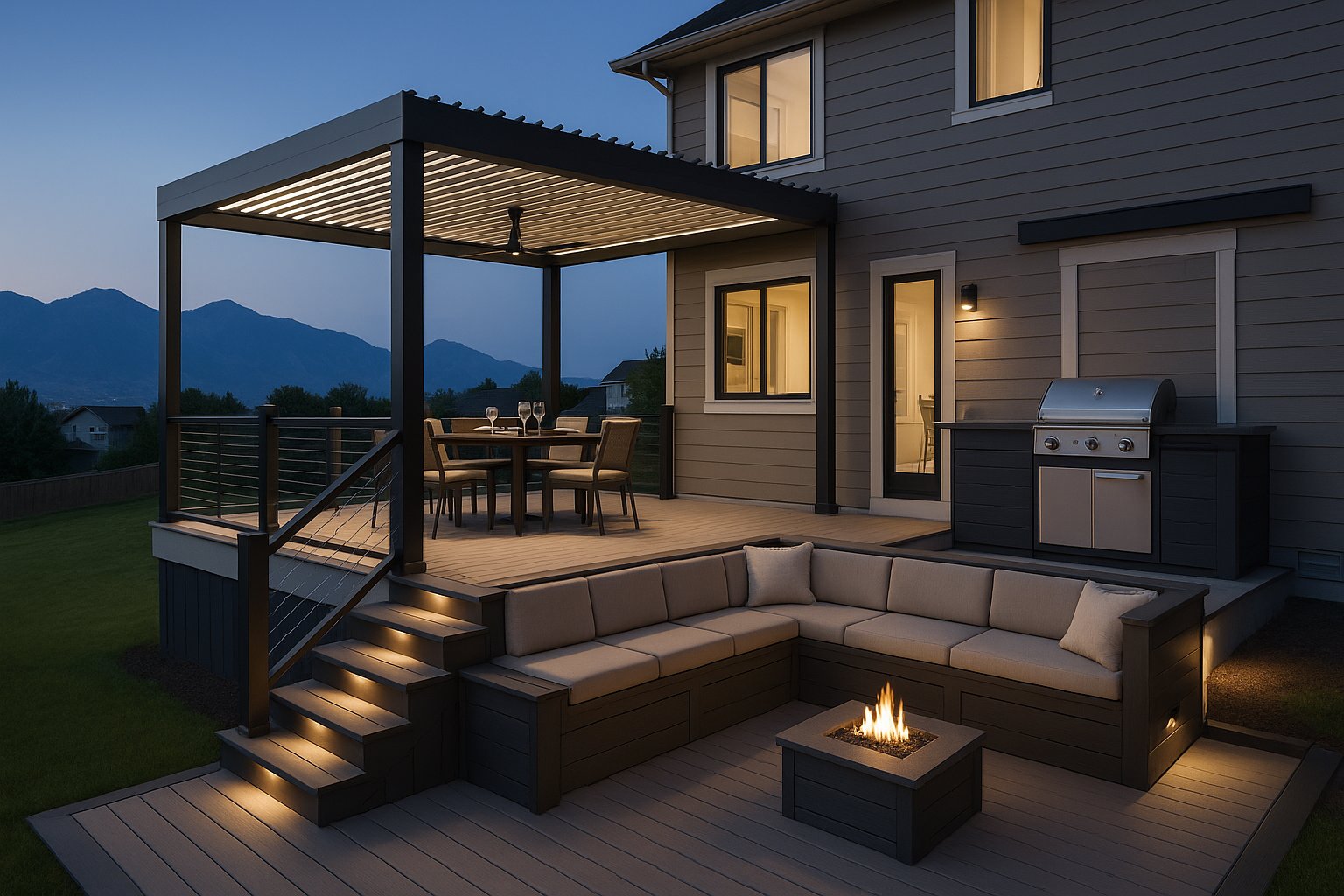
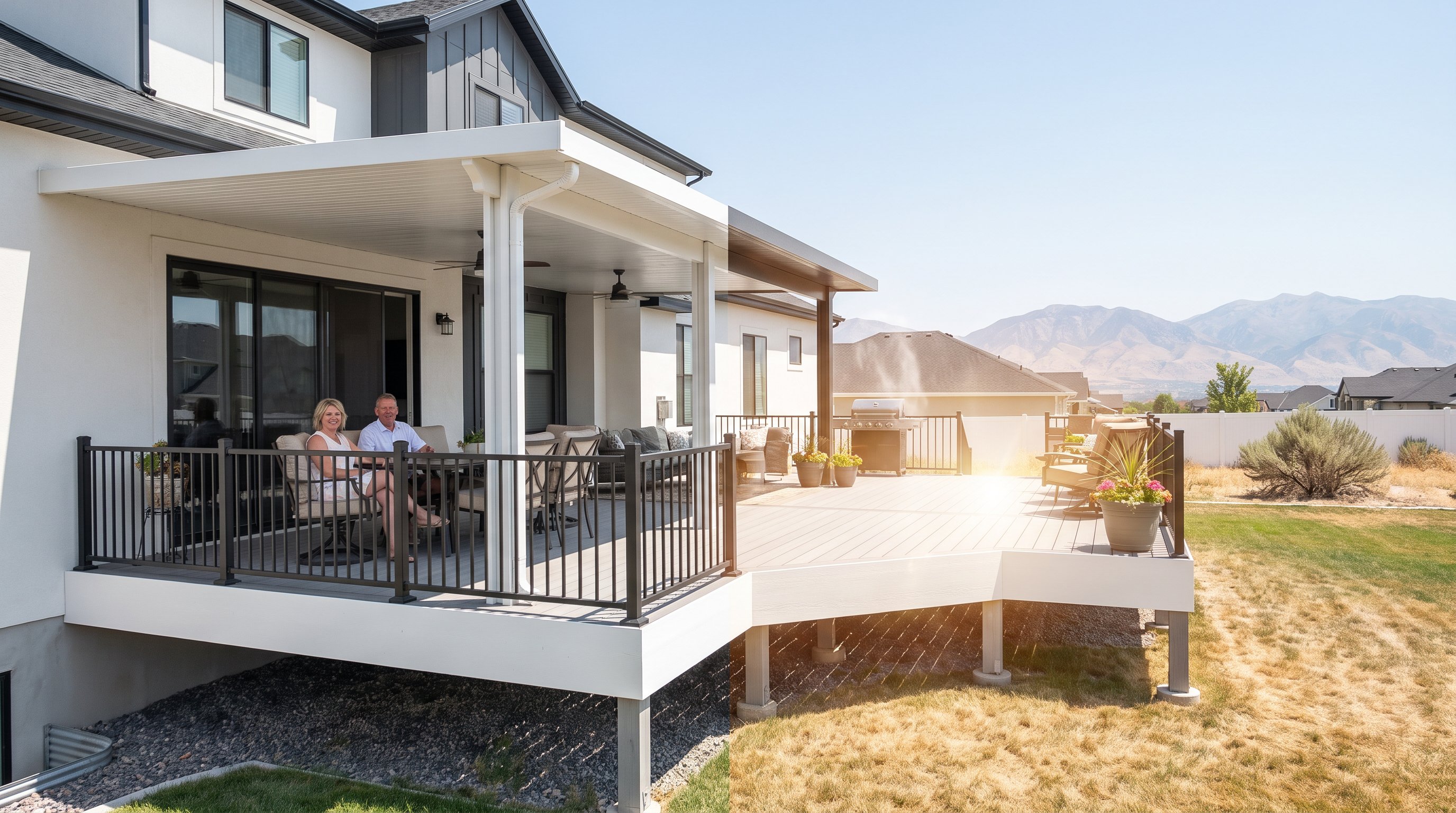
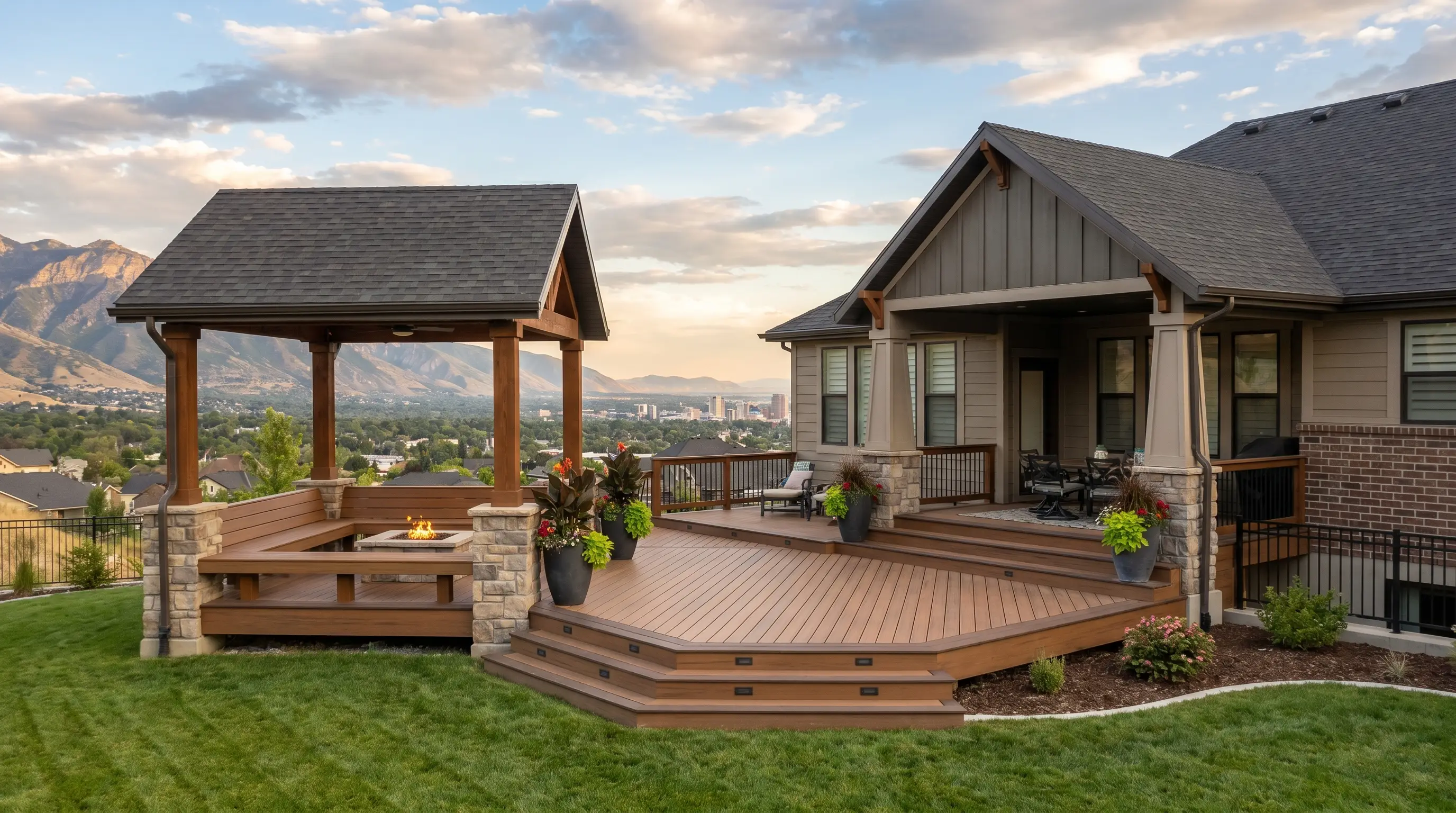
For a full-sun deck, our practical specification often includes a light or medium composite color, textured boards for traction, a custom pergola or patio cover, and low-voltage LED lighting in stair risers and post caps. We can reinforce framing for a hot tub, add dry-space drainage beneath an elevated deck, or build an outdoor kitchen without treating those features as afterthoughts. Homeowners needing a Herriman construction team benefit from one coordinated plan rather than several disconnected crews.
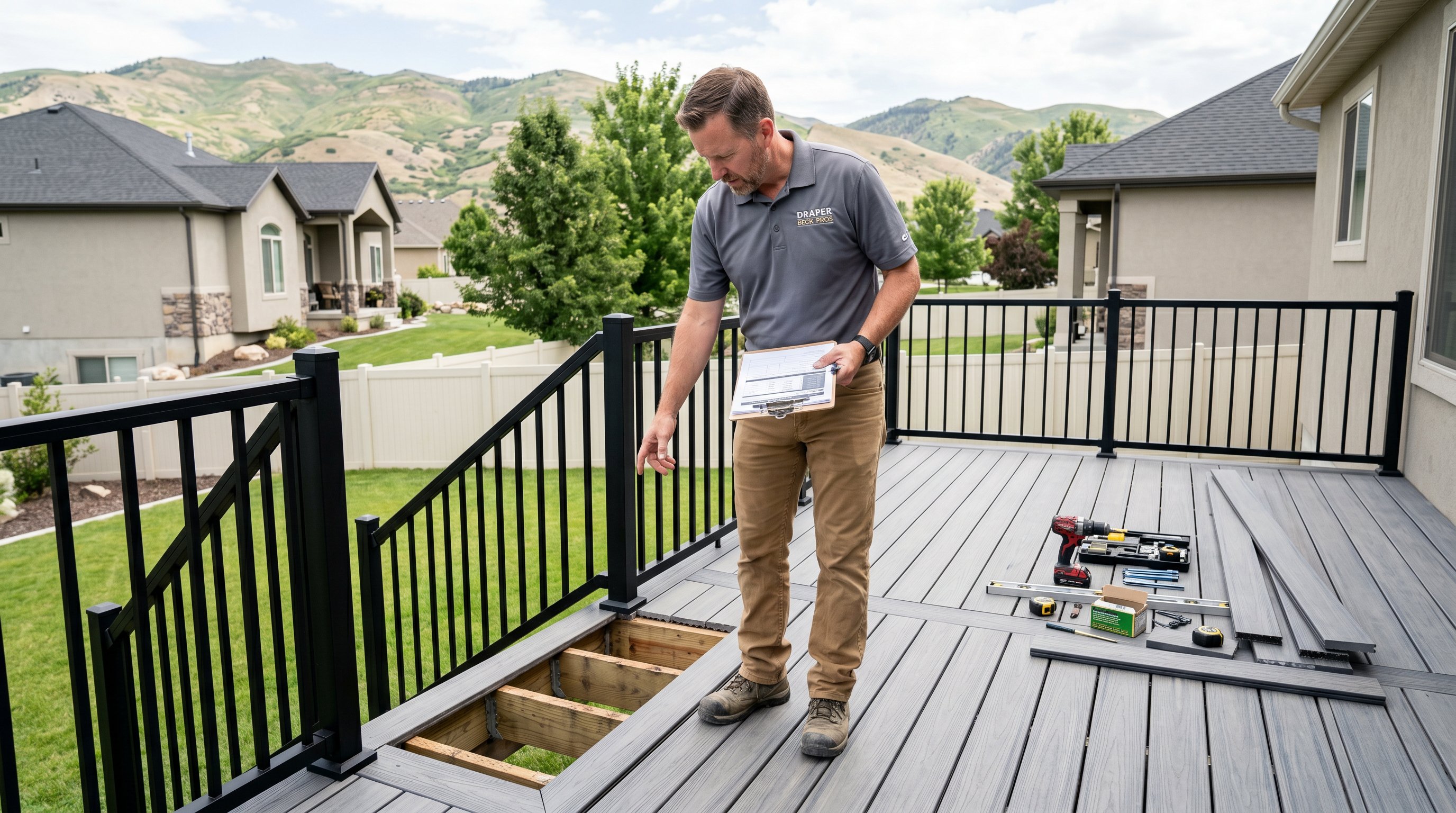
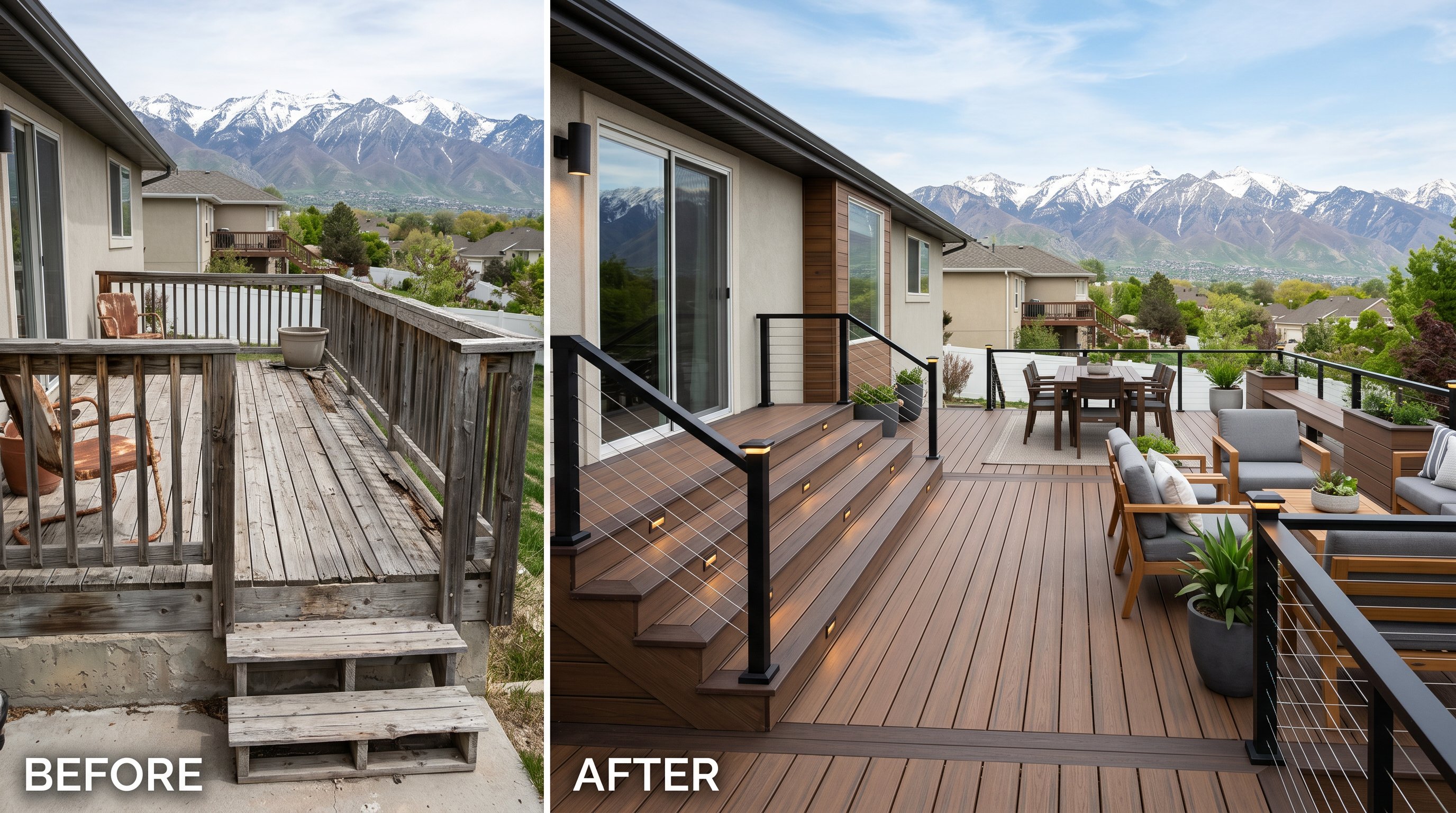
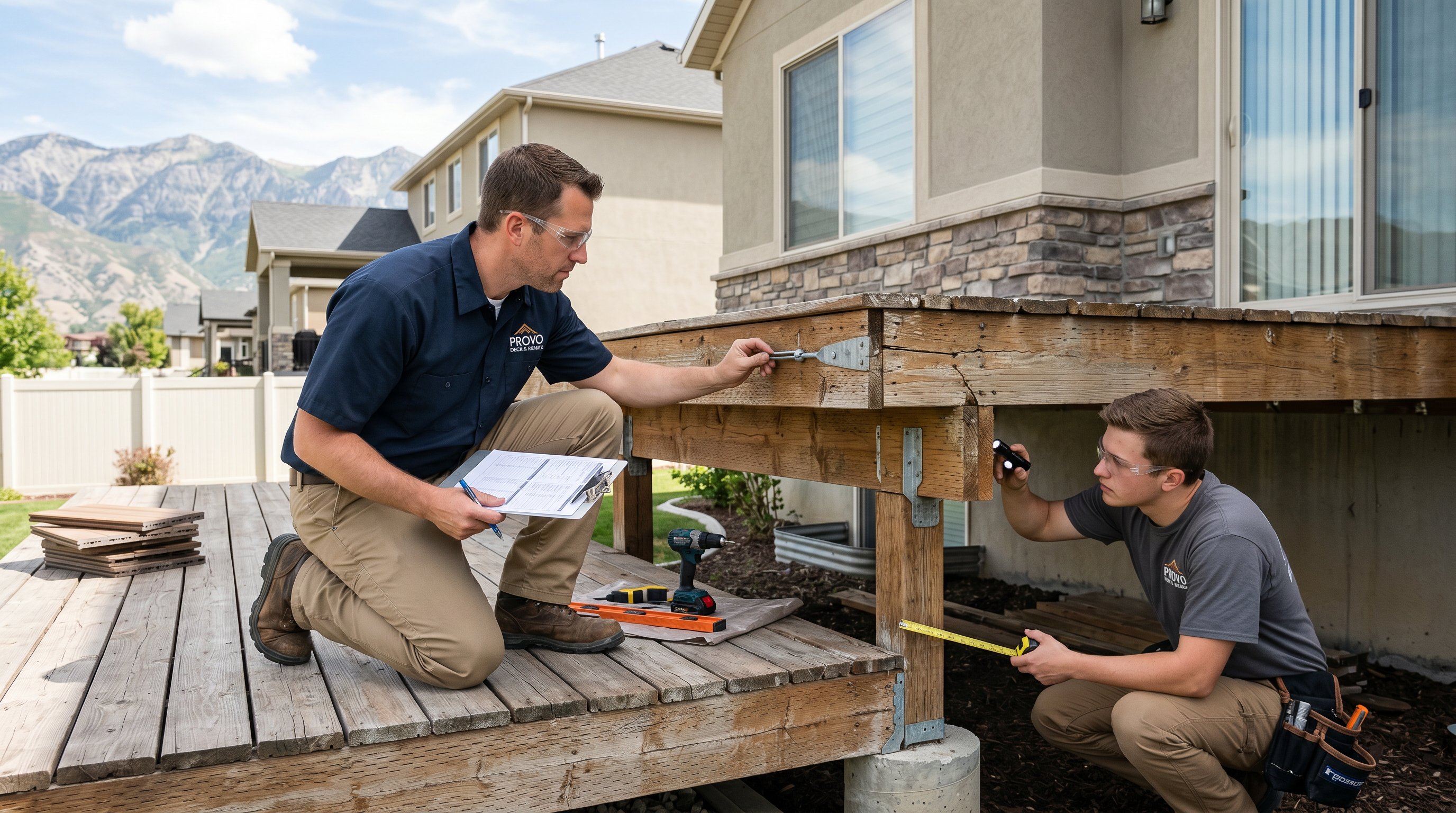
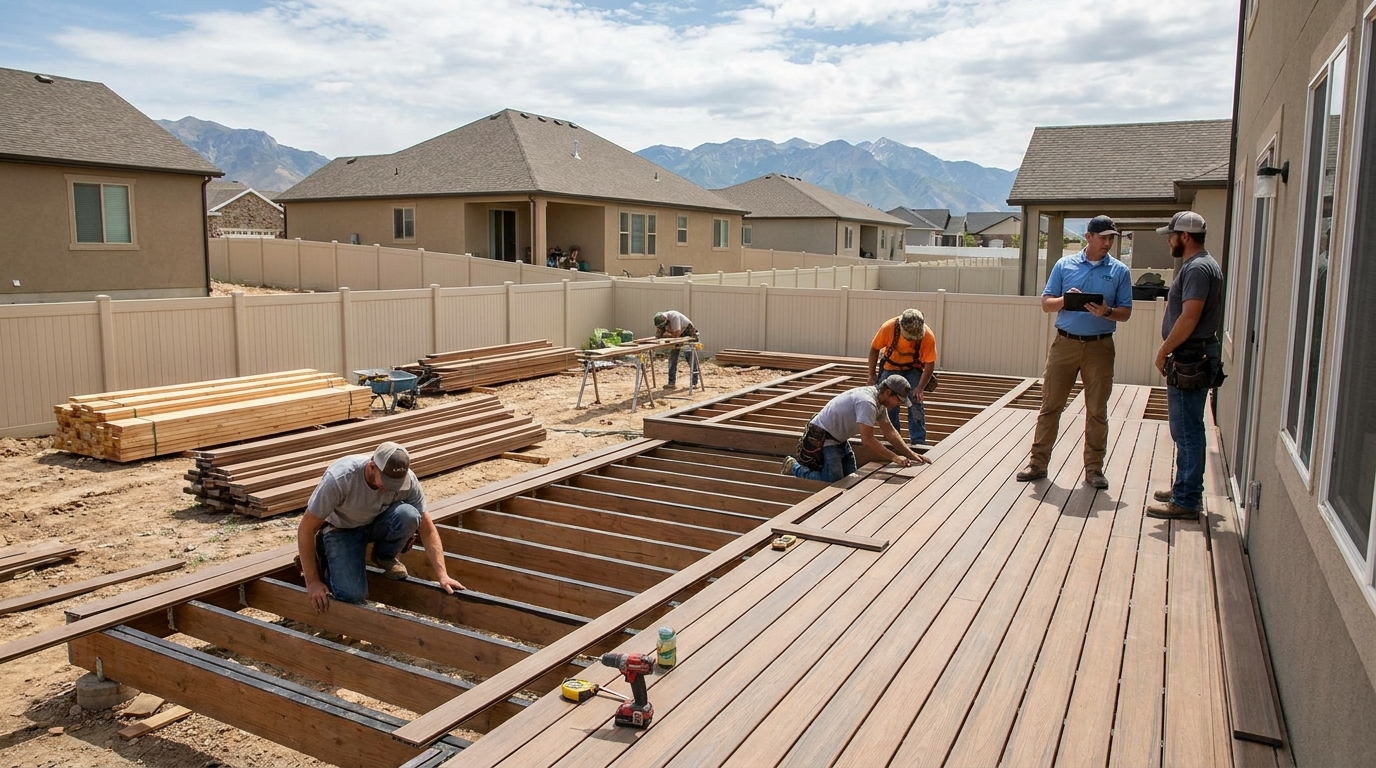
We also inspect existing framing before resurfacing. If the structure is sound, replacing worn boards and railings can be efficient: if footings or connections are failing, new surface boards only disguise the problem. Our licensed, insured team manages permits, communicates weekly, respects landscaping, and cleans the site daily. Projects commonly take two to six weeks, depending on design complexity, inspections, weather, and permitting. For a closer look at material selection in another Wasatch Front market, our Lehi decking guidance explains what to ask a builder before signing.
Deck materials surface heat in summer Herriman, but homeowners aren't limited to choosing between comfort and durability. A lighter composite color, thoughtful orientation, reliable shade, open airflow, and correctly engineered framing can produce a deck people actually use in July. We recommend designing the entire outdoor space together, from boards and railings to pergolas, lighting, drainage, and snow-load requirements. That's how a backyard becomes a comfortable Utah retreat instead of a beautiful surface nobody wants to touch.
Herriman's high elevation, dry air, and intense UV exposure cause deck boards to absorb solar energy rapidly and release it slowly. Dark colors, dense materials, west-facing afternoon sun, and limited shade increase surface heat significantly beyond air temperature.
Lighter-colored capped composite decking, such as products from Trex or TimberTech with heat-mitigation technology, tends to stay cooler. Natural wood can feel less hot initially but retains heat longer. Stone and aluminum vary based on color and finish, with pale stone reflecting more sunlight.
Darker deck colors like brown or black absorb more solar radiation and become hotter, while lighter tones such as tan or light gray reflect more sunlight, reducing surface temperature and improving comfort during peak sun exposure.
Yes, adding pergolas, roof extensions, retractable canopies, or motorized louvers effectively blocks solar radiation before it hits the deck boards, dramatically lowering surface temperature and enhancing usability during hot summer afternoons.
Shade structures can be installed anytime if the existing deck frame is sound. However, planning shade early allows correct sizing of footings, posts, and electrical routes for better integration and overall structural compliance with Utah building codes.
Utah’s heavy winter snow loads, freeze-thaw cycles, and intense summer sun require over-engineered framing, corrosion-resistant hardware, and drainage systems. Choosing durable materials like capped composites and designing with proper footings below the frost line ensure long-term deck stability and comfort.

.avif)
.avif)











.png)



.webp)