
If you've spent a July afternoon in a Utah backyard, you already know the problem: a deck can look perfect on paper and still feel brutal by 3 p.m. The question isn't just whether a covered or open deck looks better. It's which one stays usable through harsh UV, dry air, big temperature swings, and the kind of sun that makes dark surfaces almost untouchable. In Salt Lake and Utah County, that choice affects comfort, maintenance, resale appeal, and how often you'll actually use the space. We build for those realities, not just for the brochure photo.
Utah heat changes deck performance in ways many homeowners don't realize until after the build. Air temperature matters, sure, but surface temperature, glare, wind exposure, and afternoon sun angle often matter more. A deck that feels fine at 11 a.m. can be uncomfortably hot a few hours later, especially on west-facing lots in Lehi, Draper, Saratoga Springs, or South Jordan.
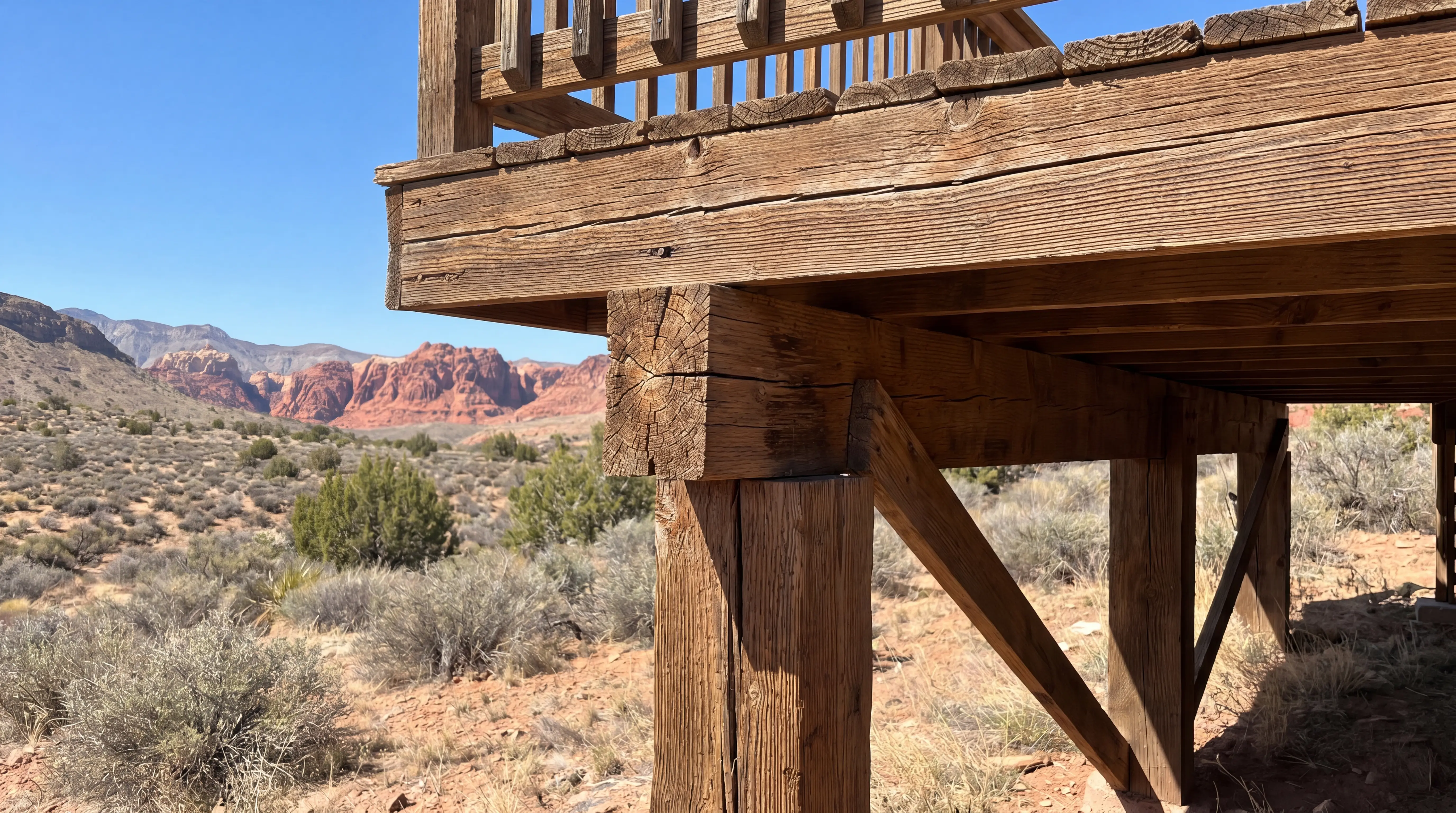
Our climate adds another layer: brutal UV in summer, then snow, freeze-thaw cycles, and heavy loads in winter. So the covered vs open deck decision isn't just about shade. It also affects board color, framing, railing choice, and whether the space feels like an occasional platform or a true outdoor room.
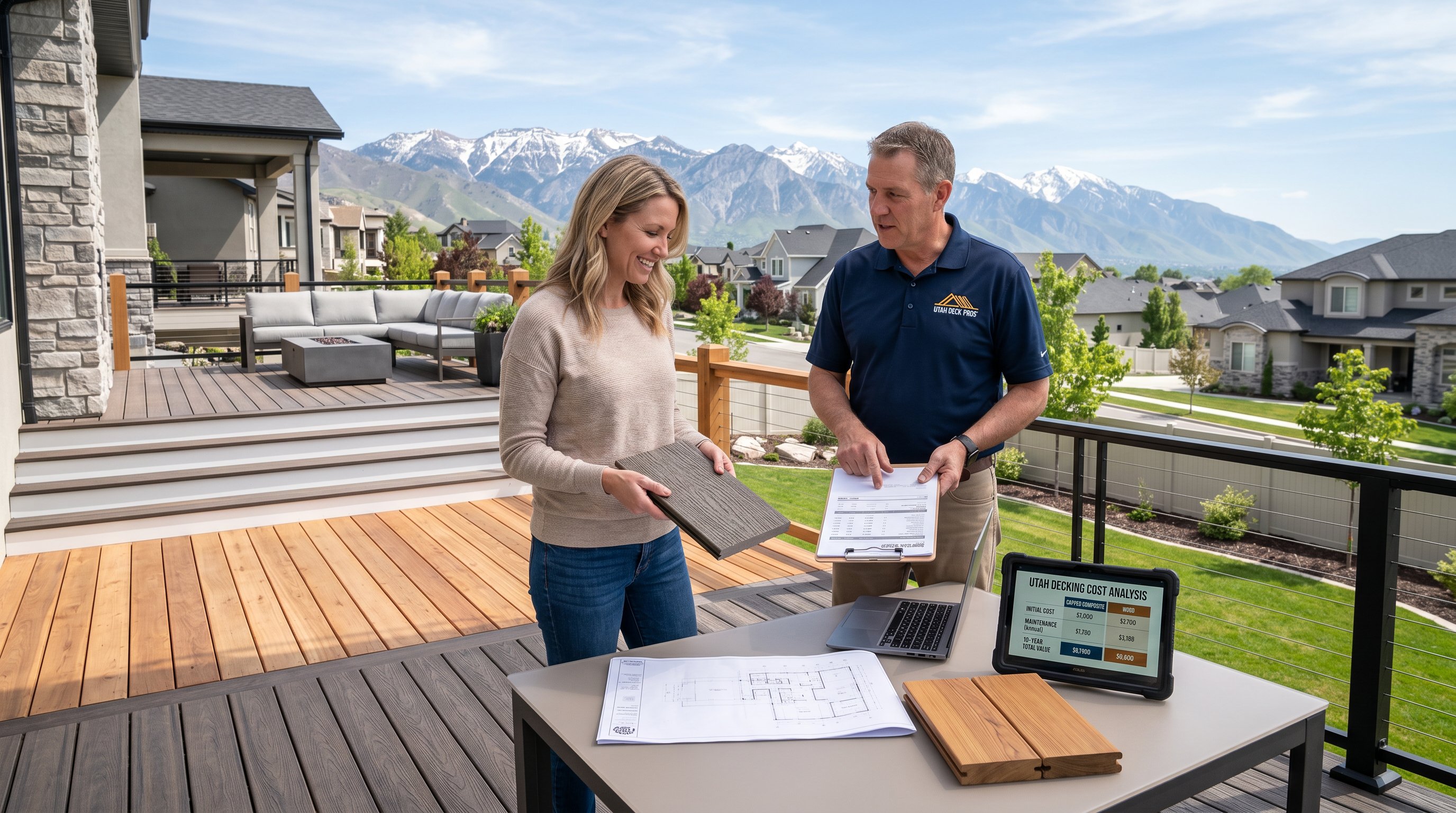
That's one reason we usually steer homeowners toward capped composite rather than natural wood. In strong sun and dry air, wood takes far more upkeep. Composite holds color better, resists splintering, and handles snowmelt with less drama. If you're comparing materials before deciding on layout, the real-world composite vs wood cost conversation should include maintenance, not just upfront price.
A covered deck makes the most sense when heat is the main obstacle to using your backyard. In Utah, that's common. Plenty of homeowners don't avoid their deck because they dislike being outside: they avoid it because the space is exposed during the exact hours they're free to use it.
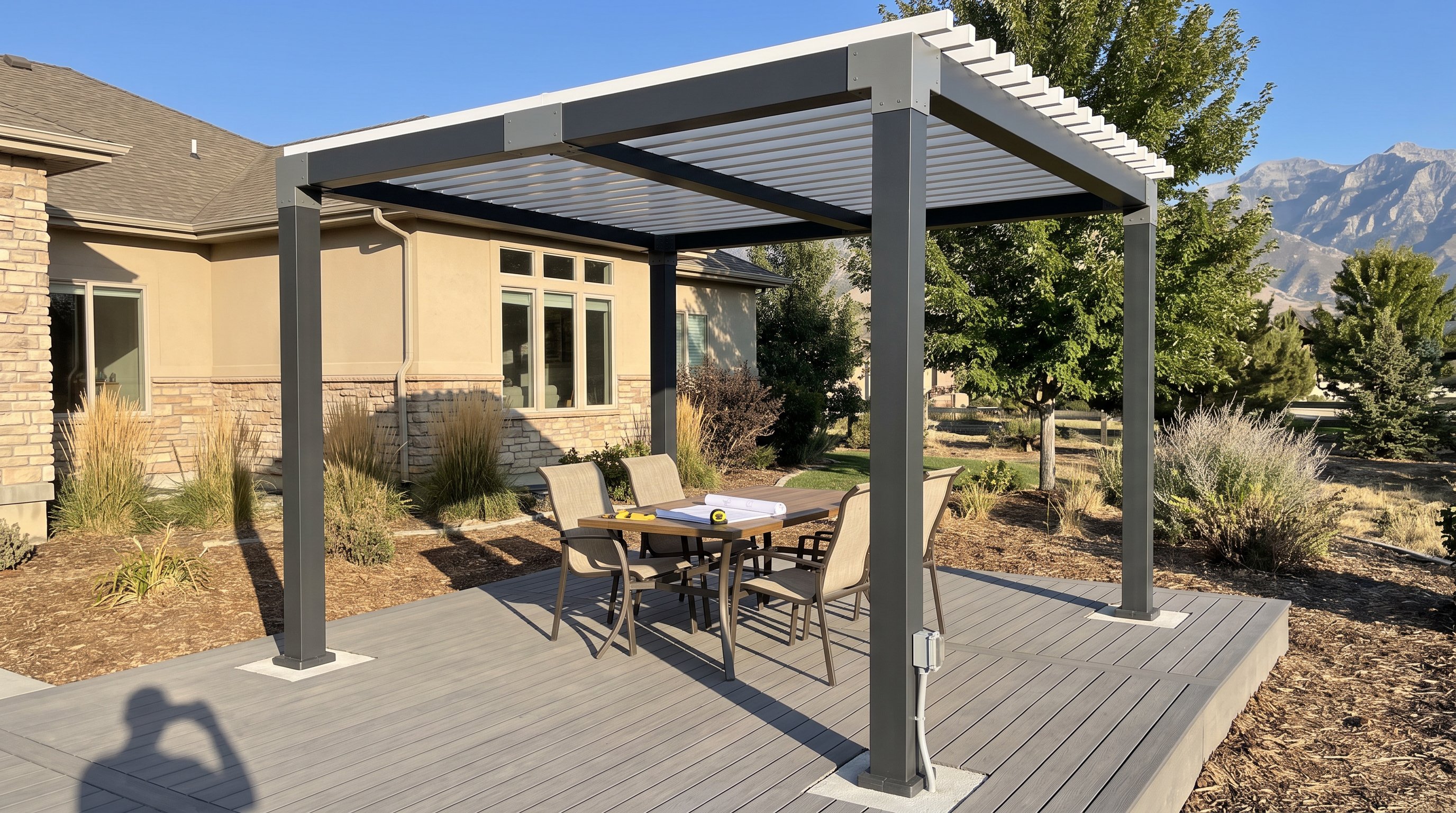
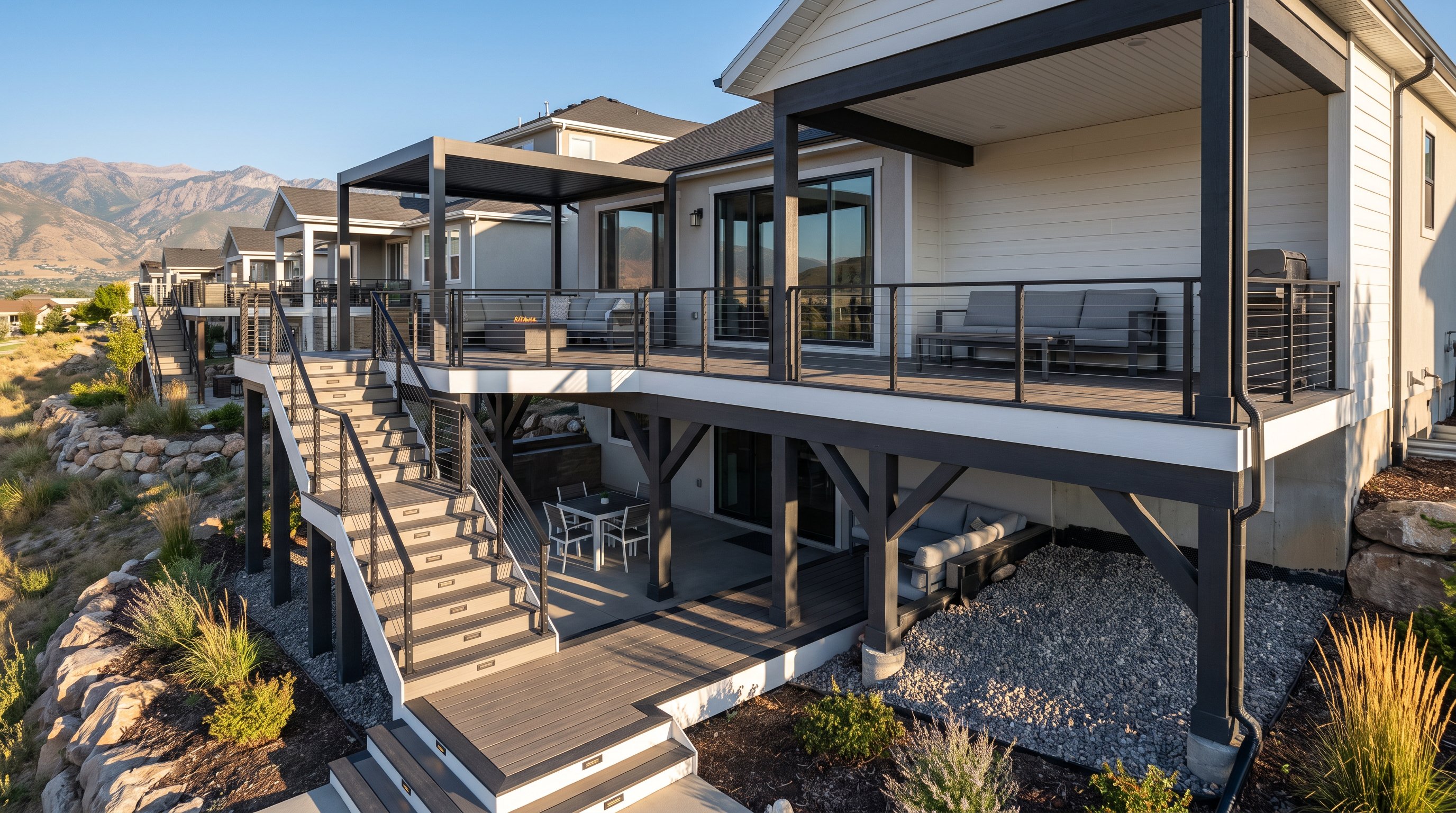
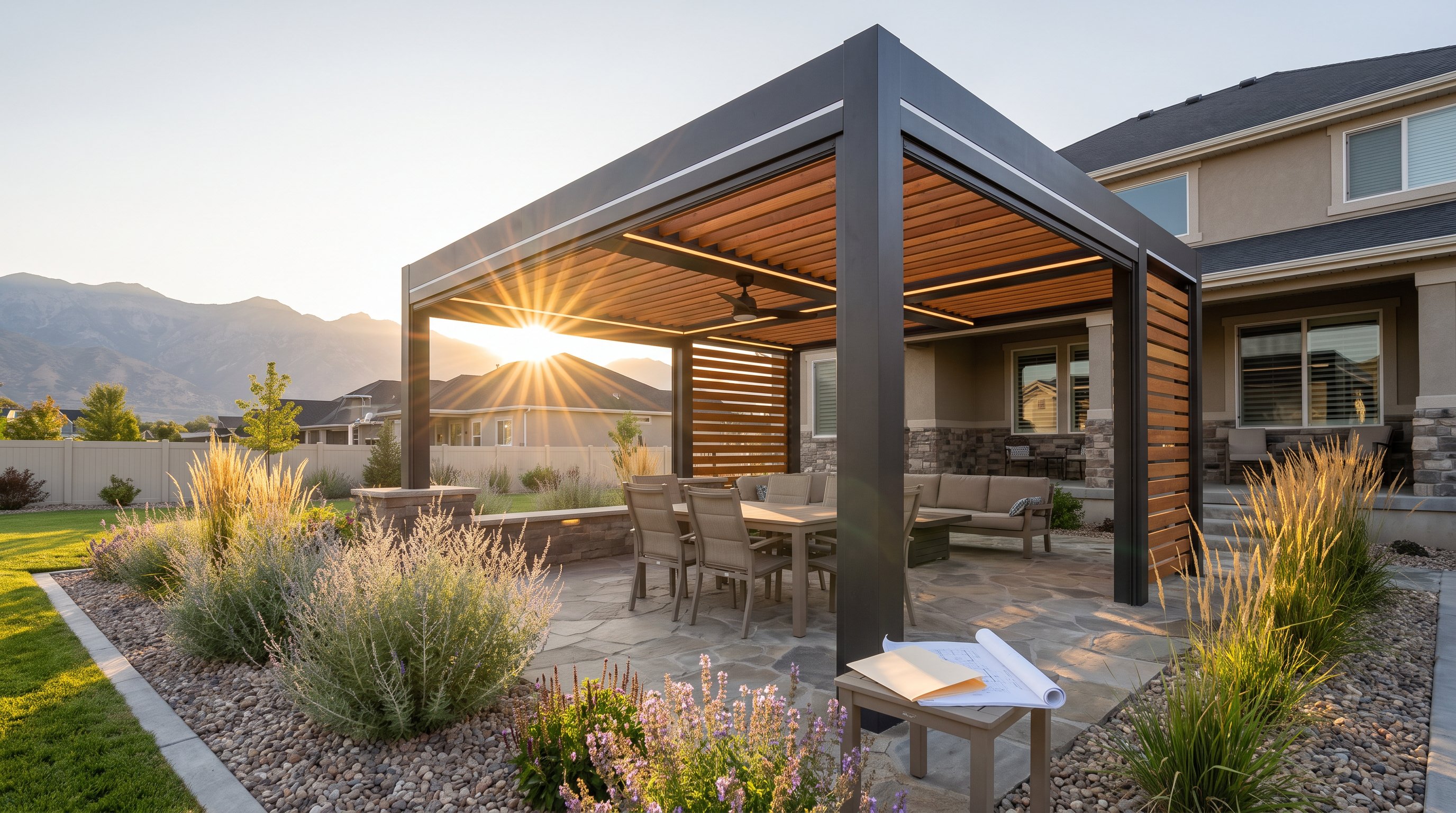
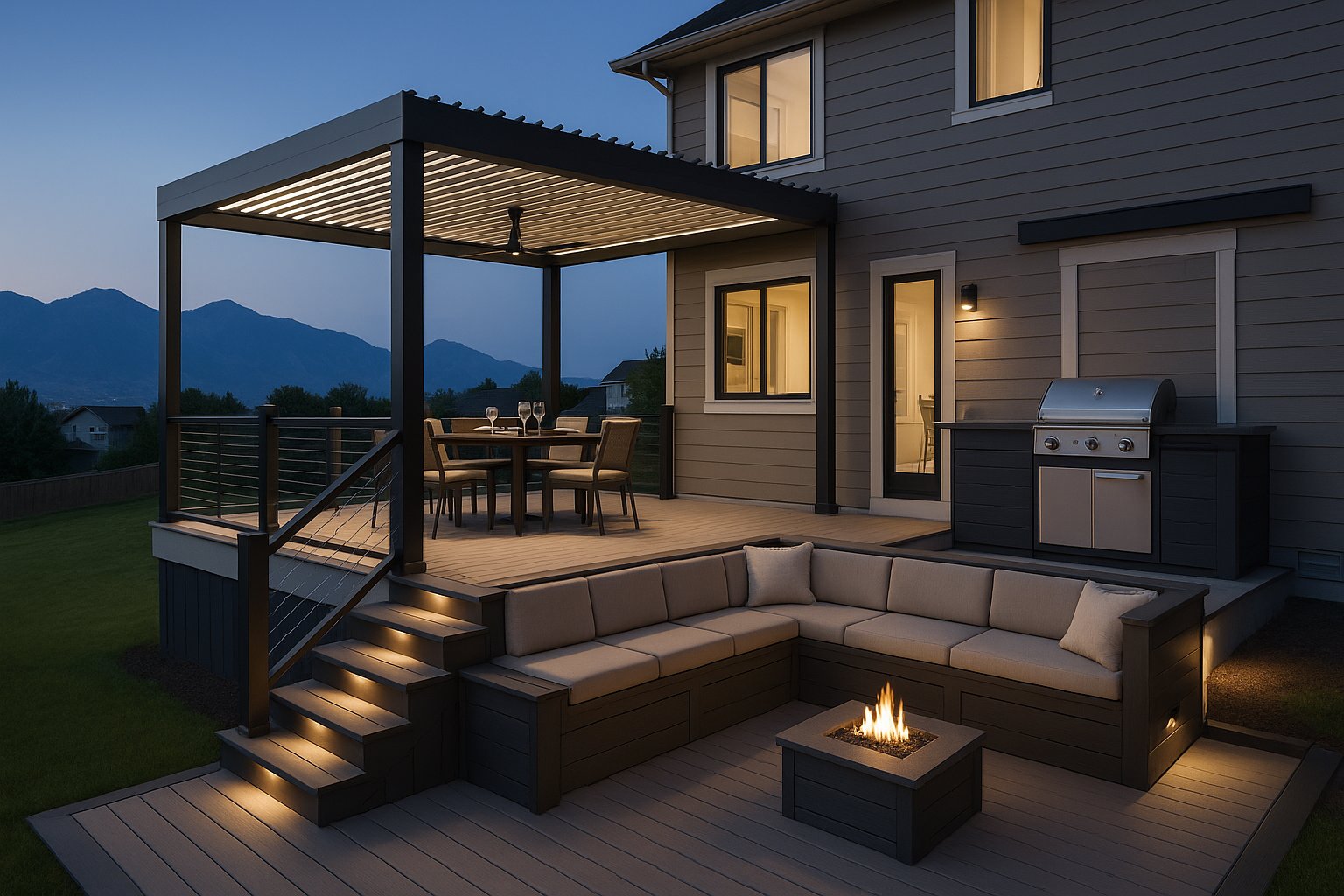
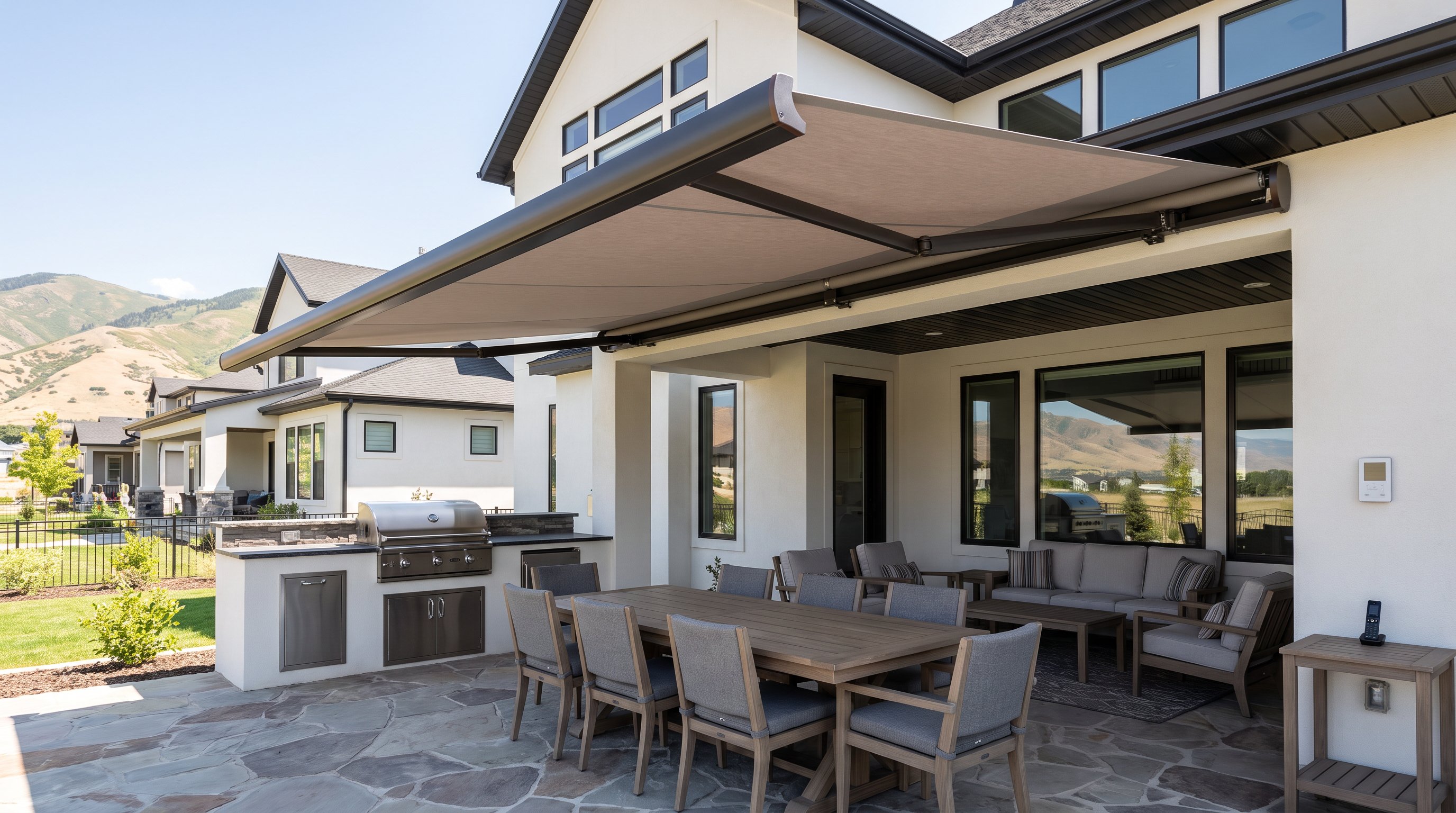
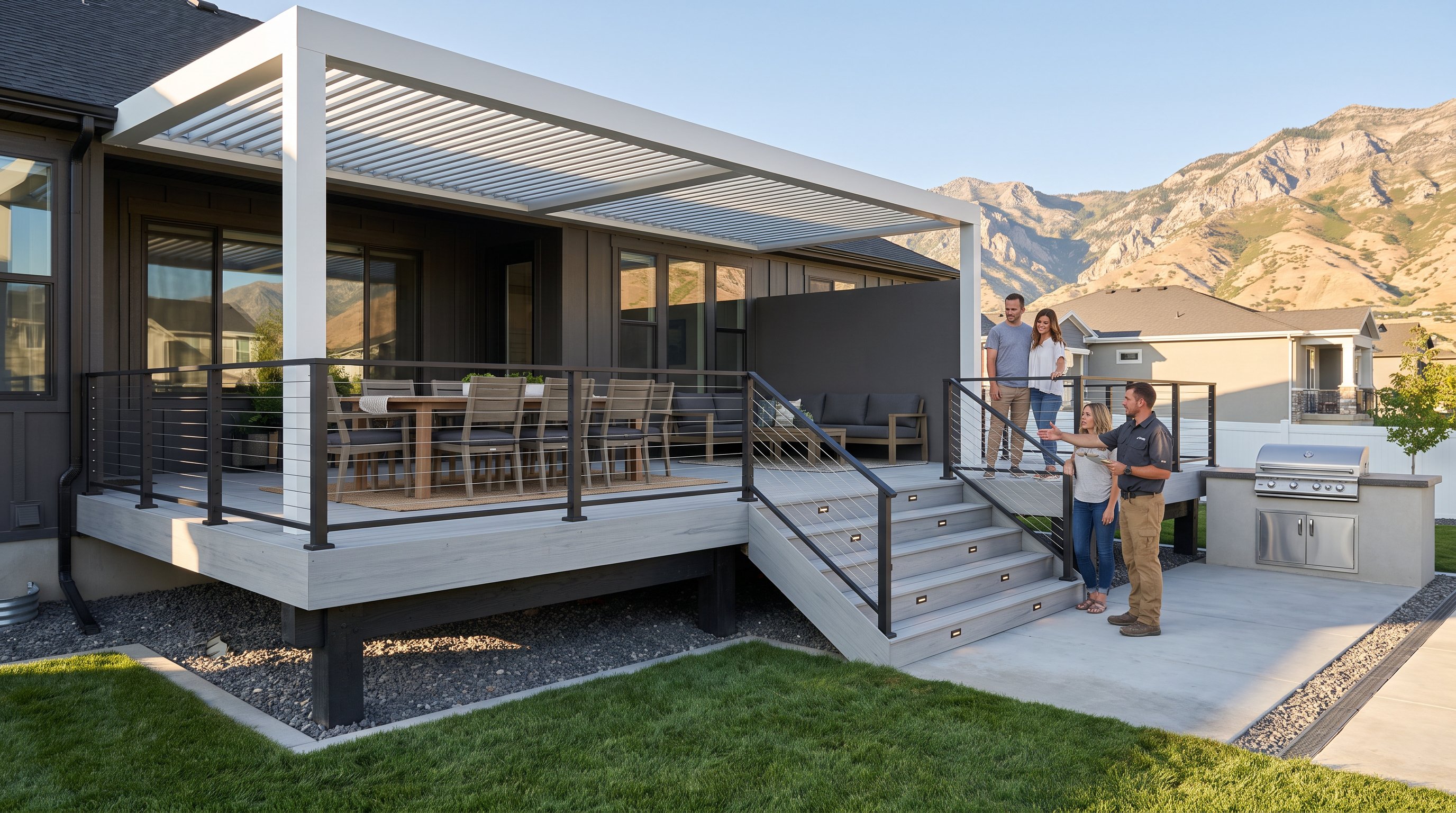
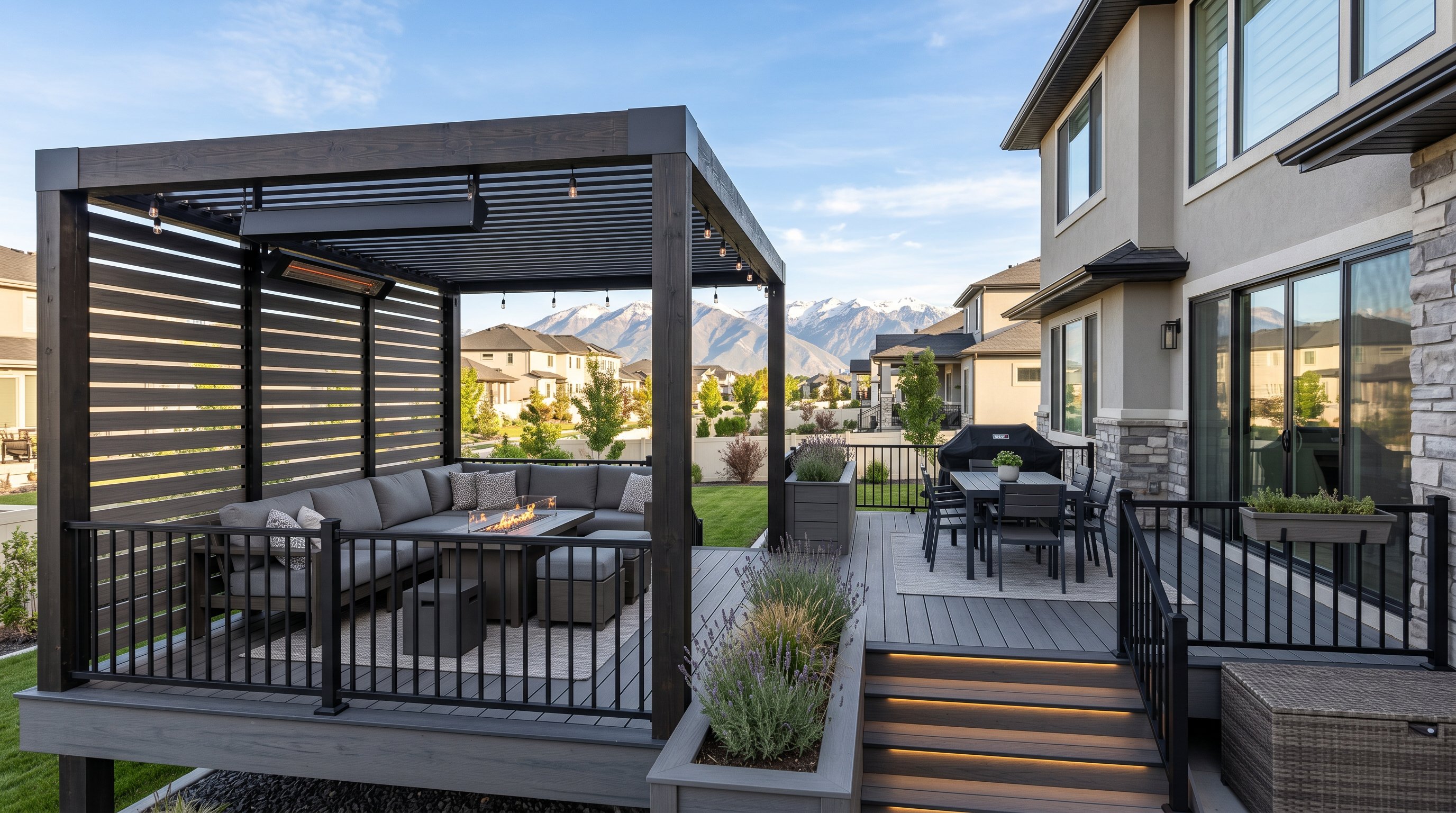
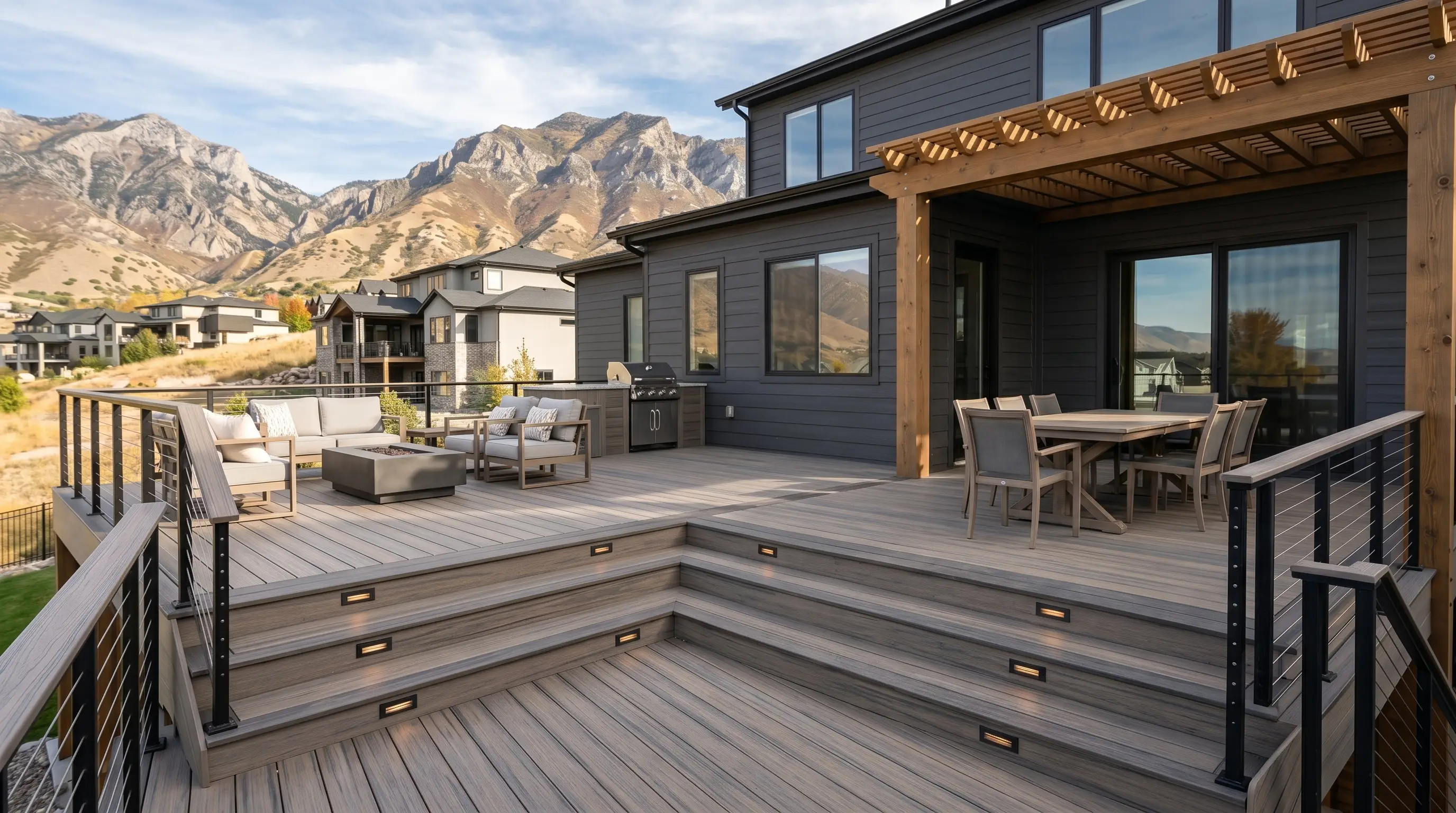
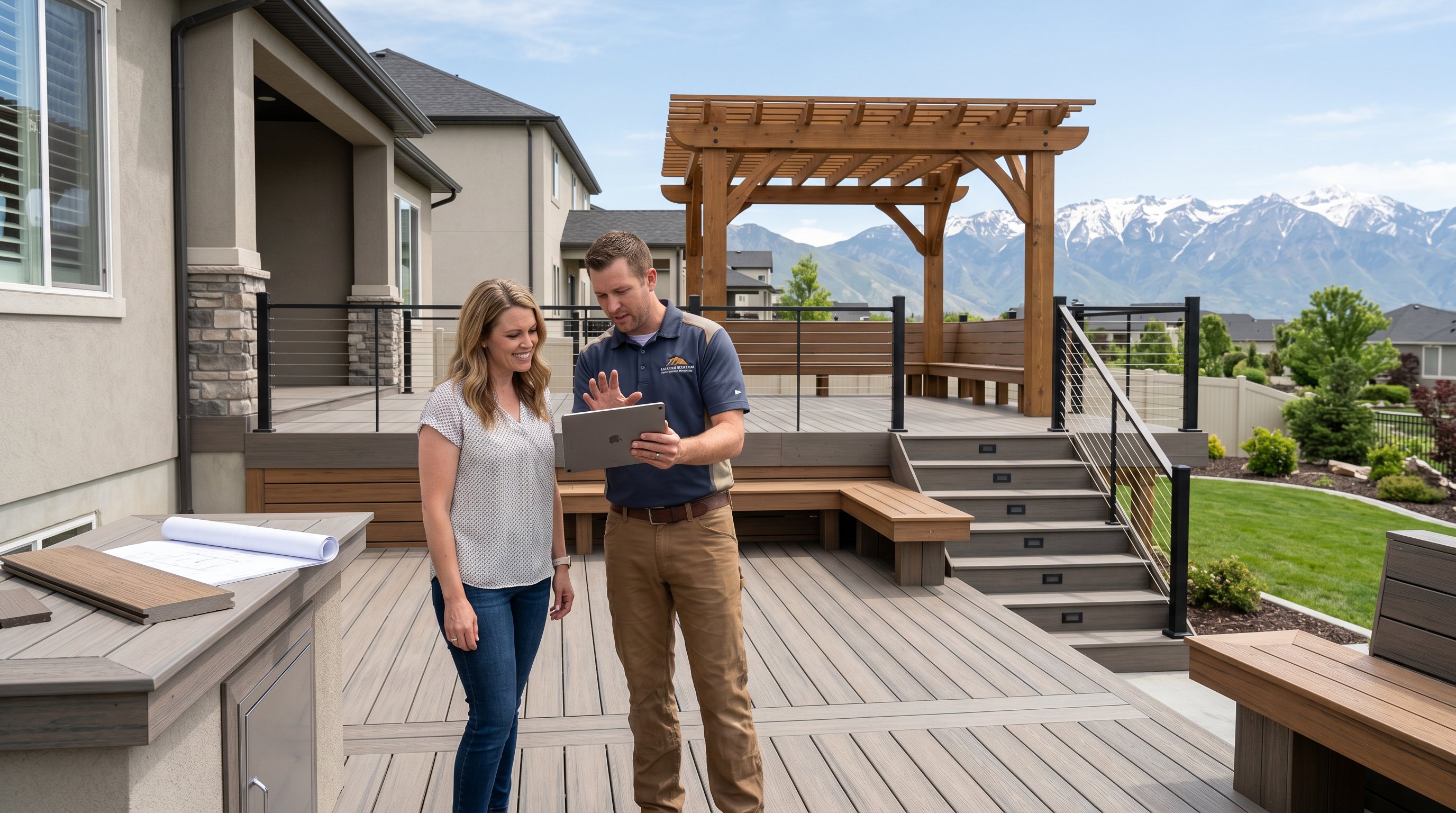
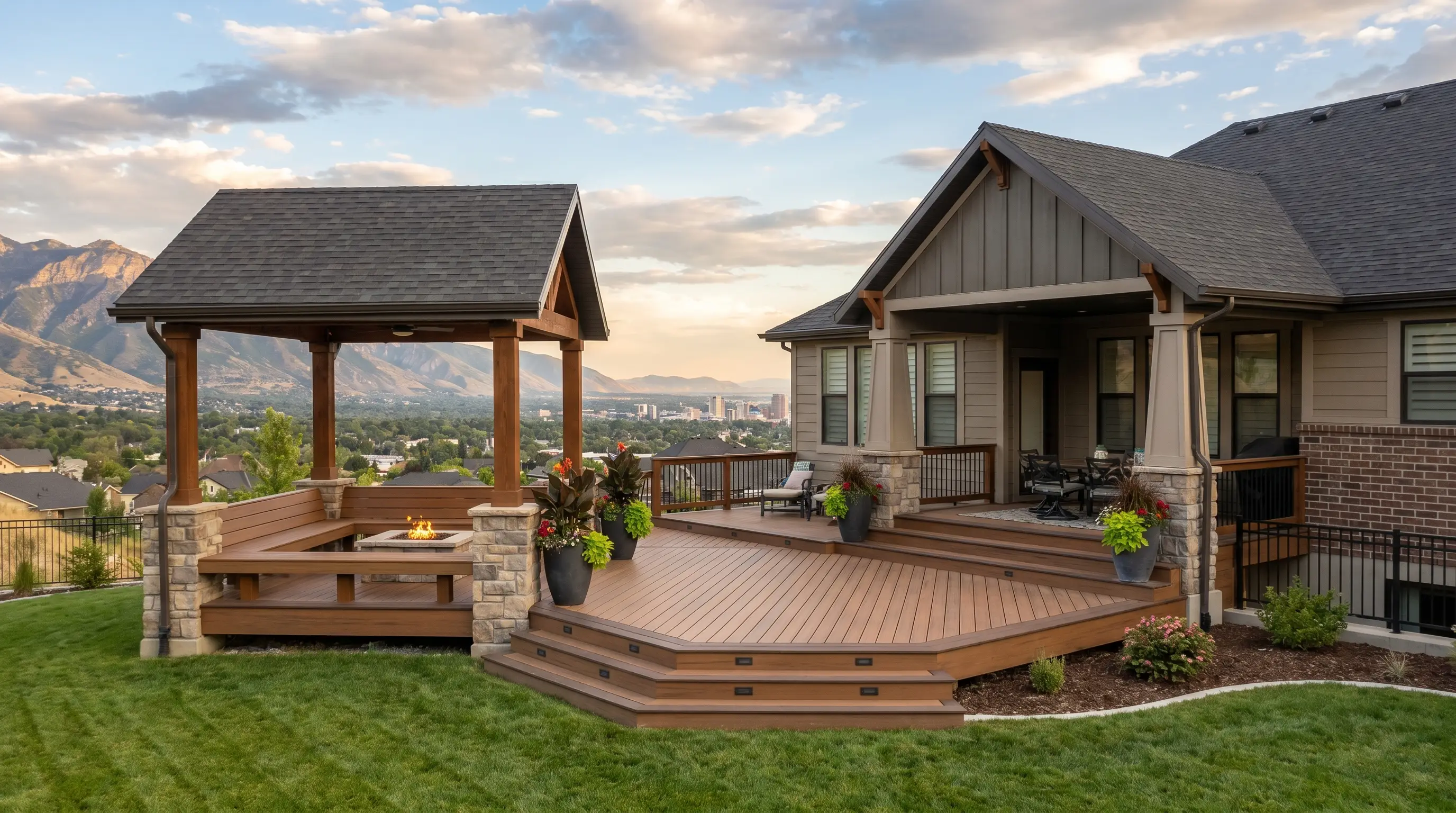
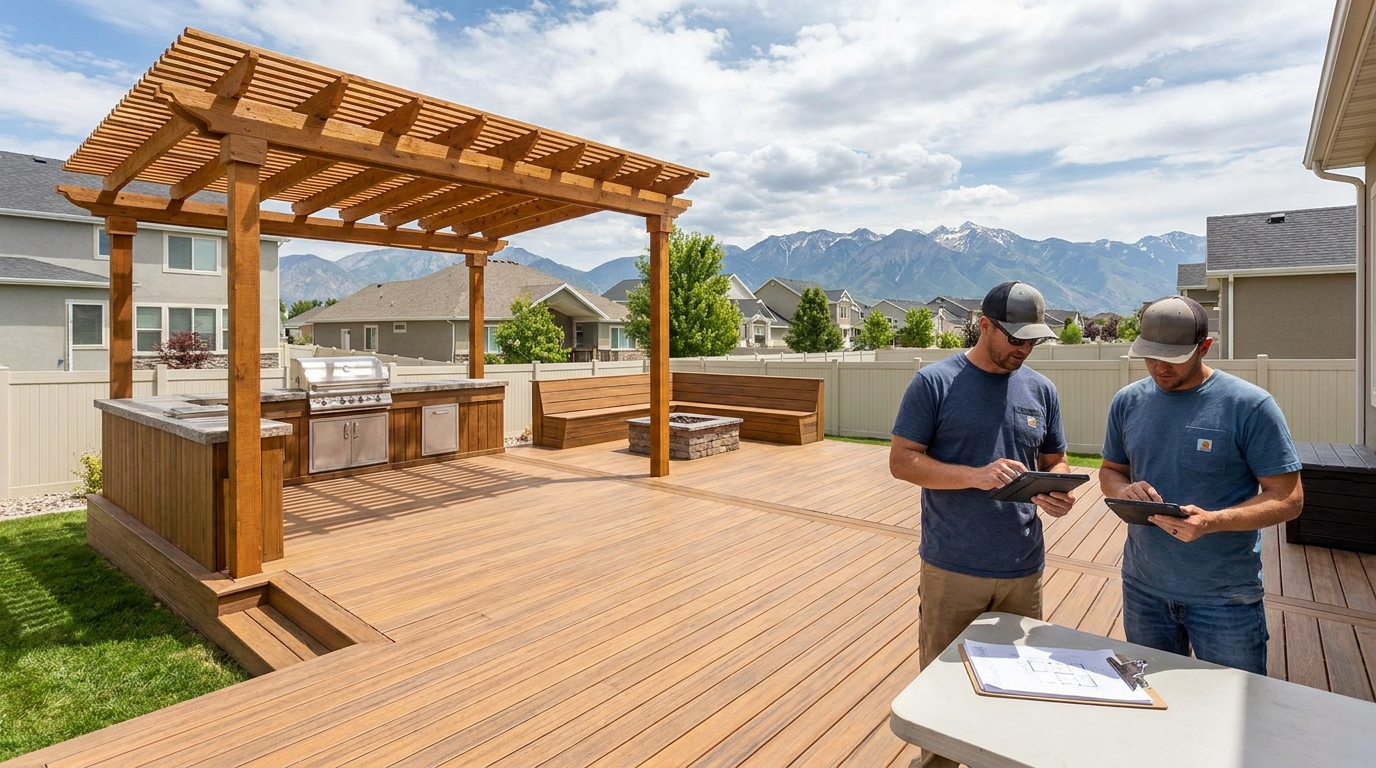
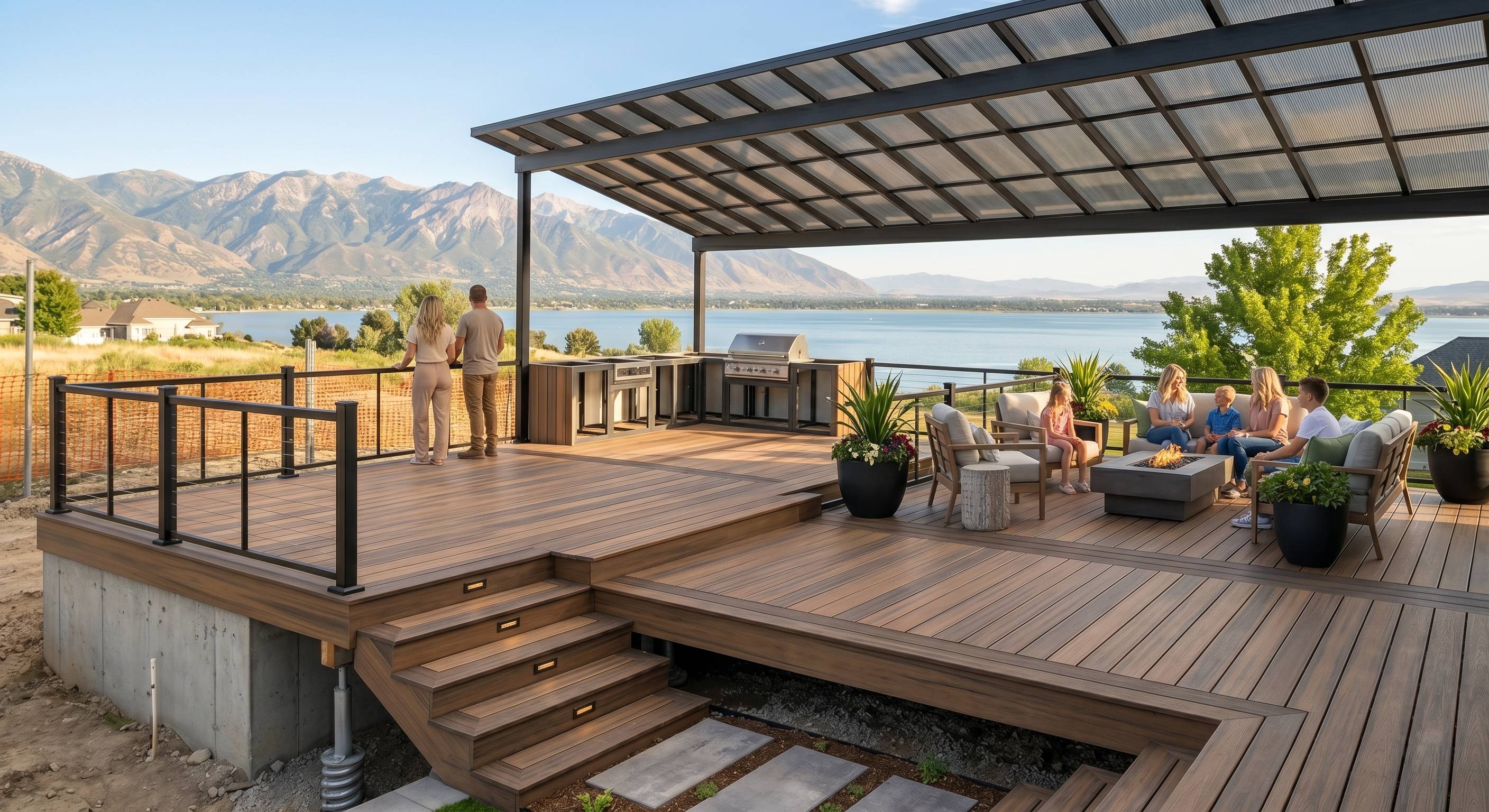
Cover changes that. It lowers perceived heat, reduces glare, protects finishes, and turns a deck into a longer-season space. On elevated decks, it can also create a more finished architectural look, especially when paired with clean railings and lighting. We often design these spaces with pergolas, solid patio covers, or motorized louvered systems depending on orientation and budget.
For families planning a full outdoor living area, covered layouts also play nicely with dining zones, TVs, privacy walls, and even under-deck drainage systems. A lot of the best Utah deck ideas start with one simple move: solving the sun first.
The biggest advantage of a covered deck is midday usability. Shade won't magically make a 98-degree day feel cool, but it can make the difference between "we never sit out here" and "this is where dinner happens." That matters more than people expect.
Direct sun can push deck boards, rail caps, furniture arms, and even sliding door thresholds well above the air temperature. Shade reduces that buildup. It also softens glare, which is a big deal on bright, reflective lots along the Wasatch Front.
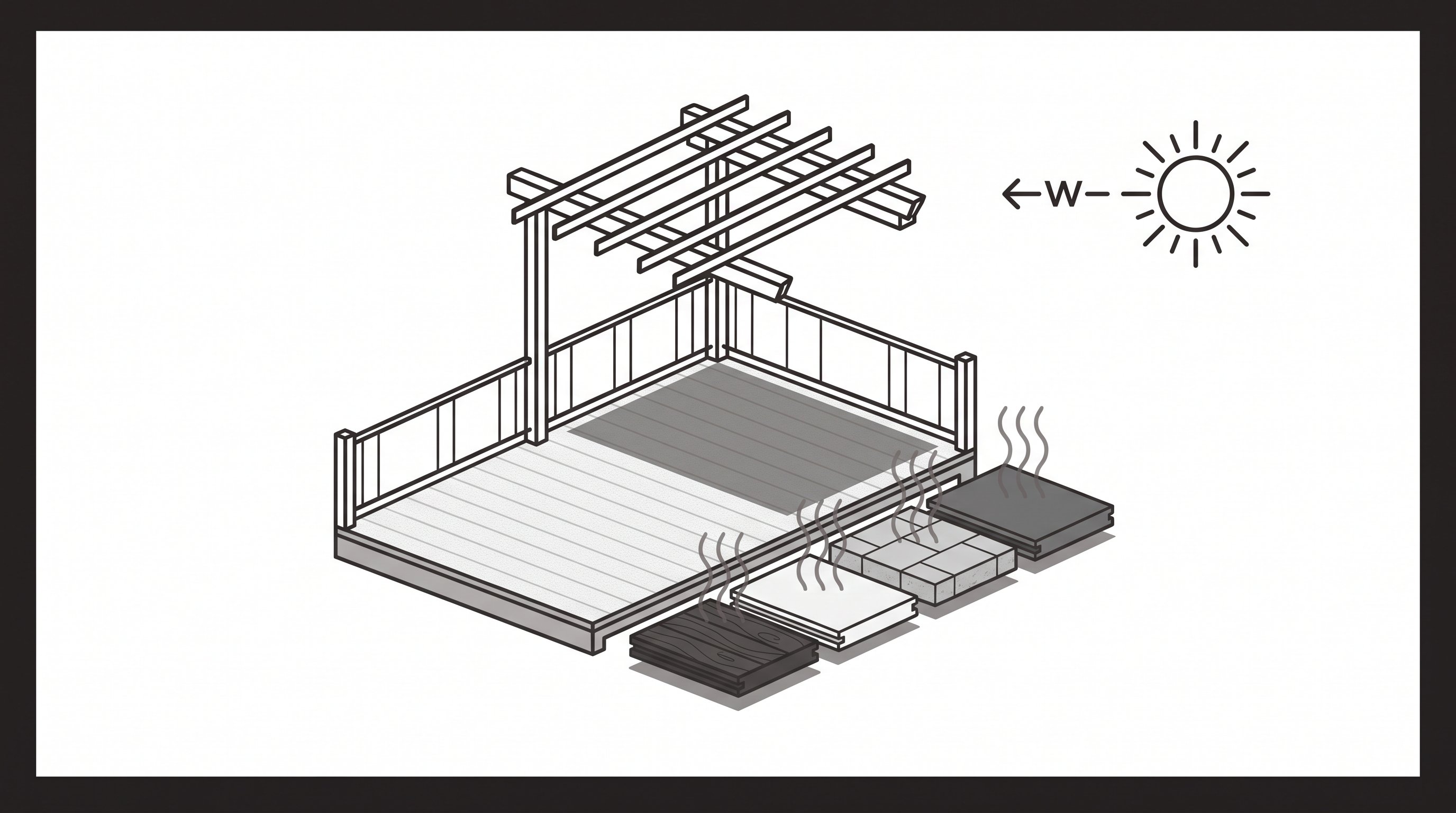
We've found this is especially valuable on west- and southwest-facing backyards, where late-day sun is relentless. In those cases, spending more on premium boards without adding overhead protection can be the wrong priority. Often, a well-designed cover or pergola creates more daily value than upgrading to the priciest board line. Homeowners exploring outdoor living inspiration usually notice the same pattern: the spaces that get used most are the ones designed around comfort, not just appearance.
Covered decks also protect everything underneath them. Utah's UV is hard on cushions, rugs, grills, and finishes. Even high-quality outdoor furniture ages faster in full exposure. A roof or shade structure slows fading, reduces drying and cracking, and cuts down on how often you need to replace soft goods.
There's a practical seasonal benefit too. A covered deck stays more useful during spring rain, shoulder-season wind, and light snow events. Add heaters, lighting, and a fire feature, and many Utah homeowners comfortably use the space from early spring into late fall.
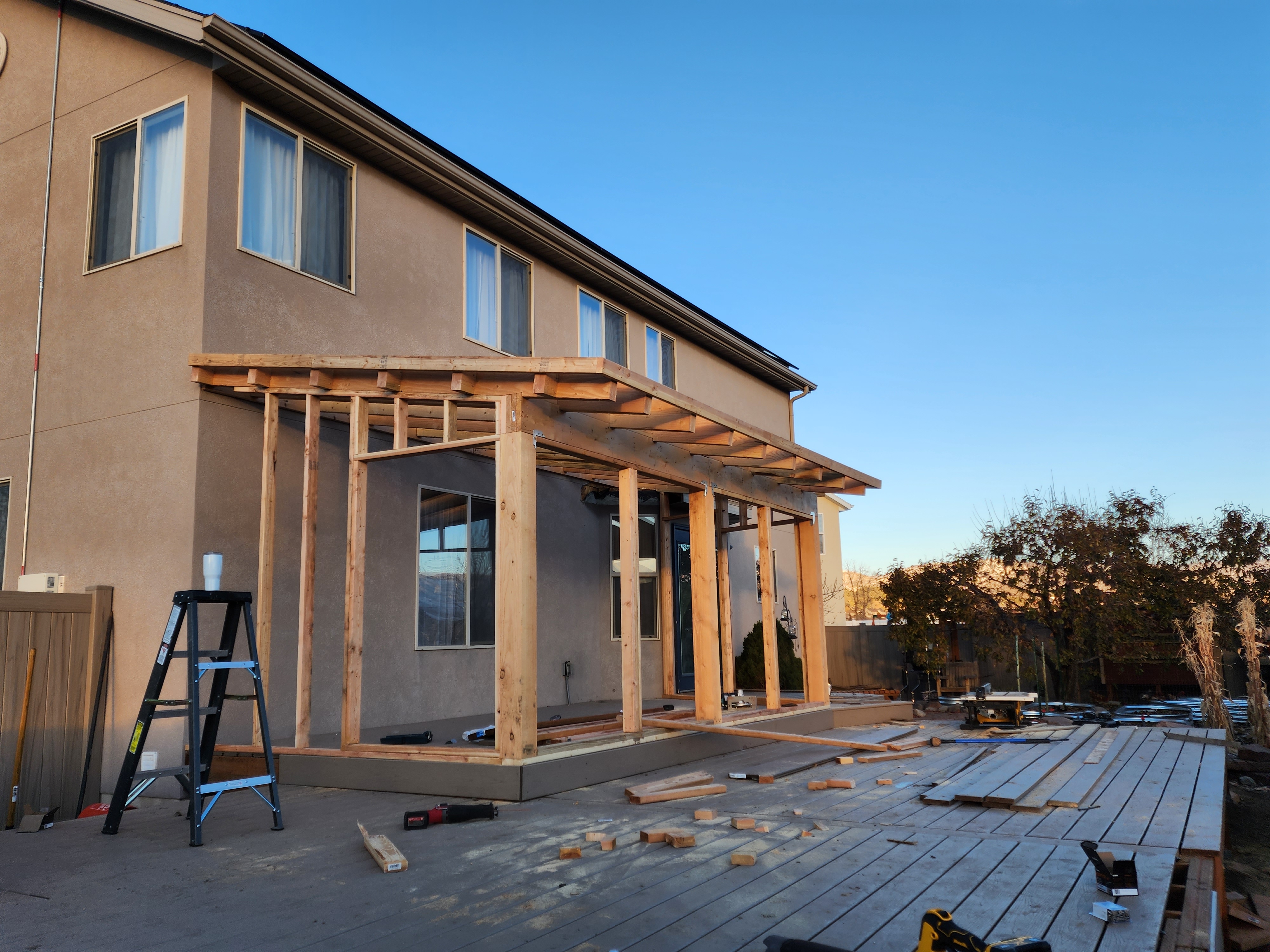
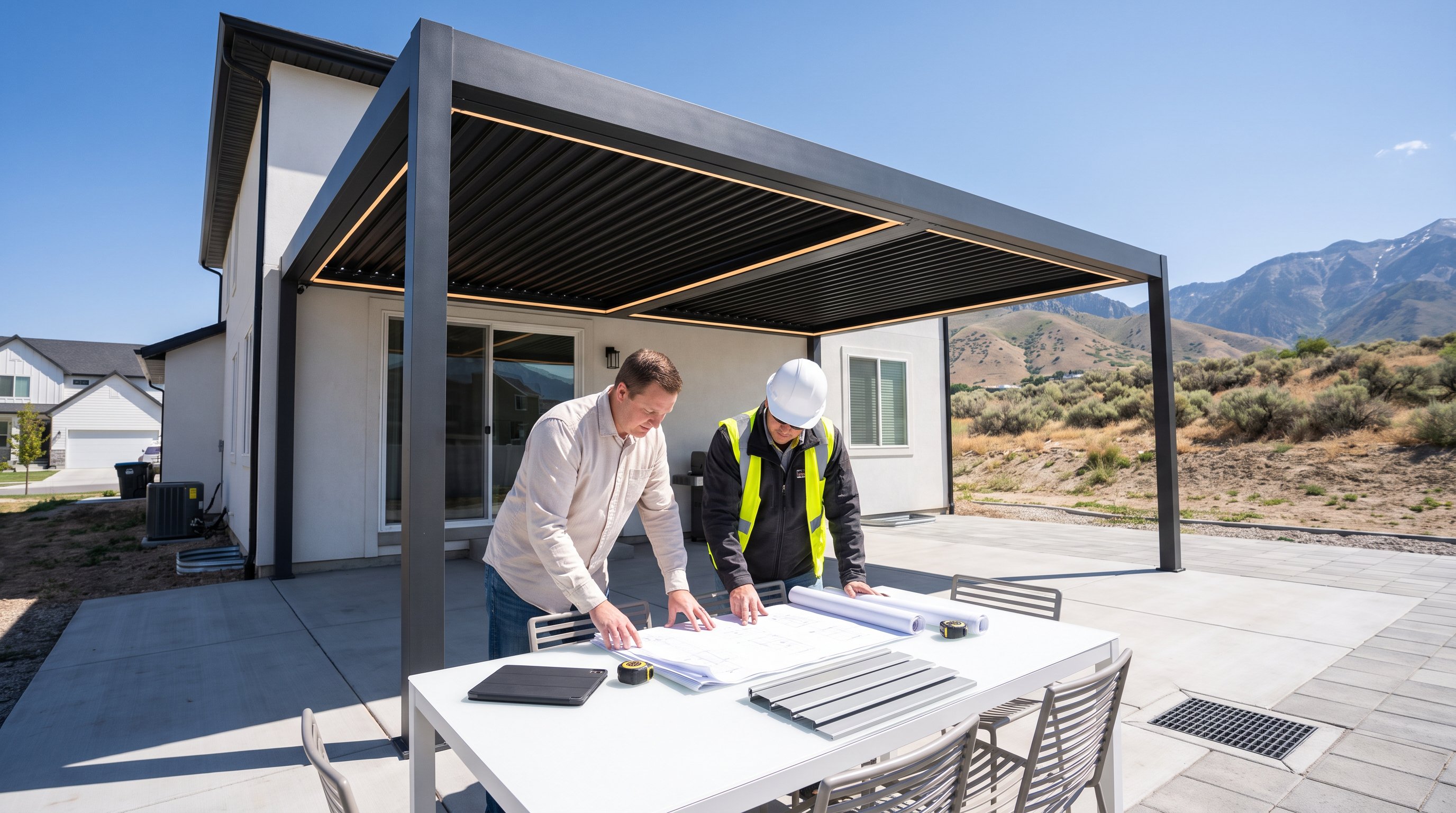
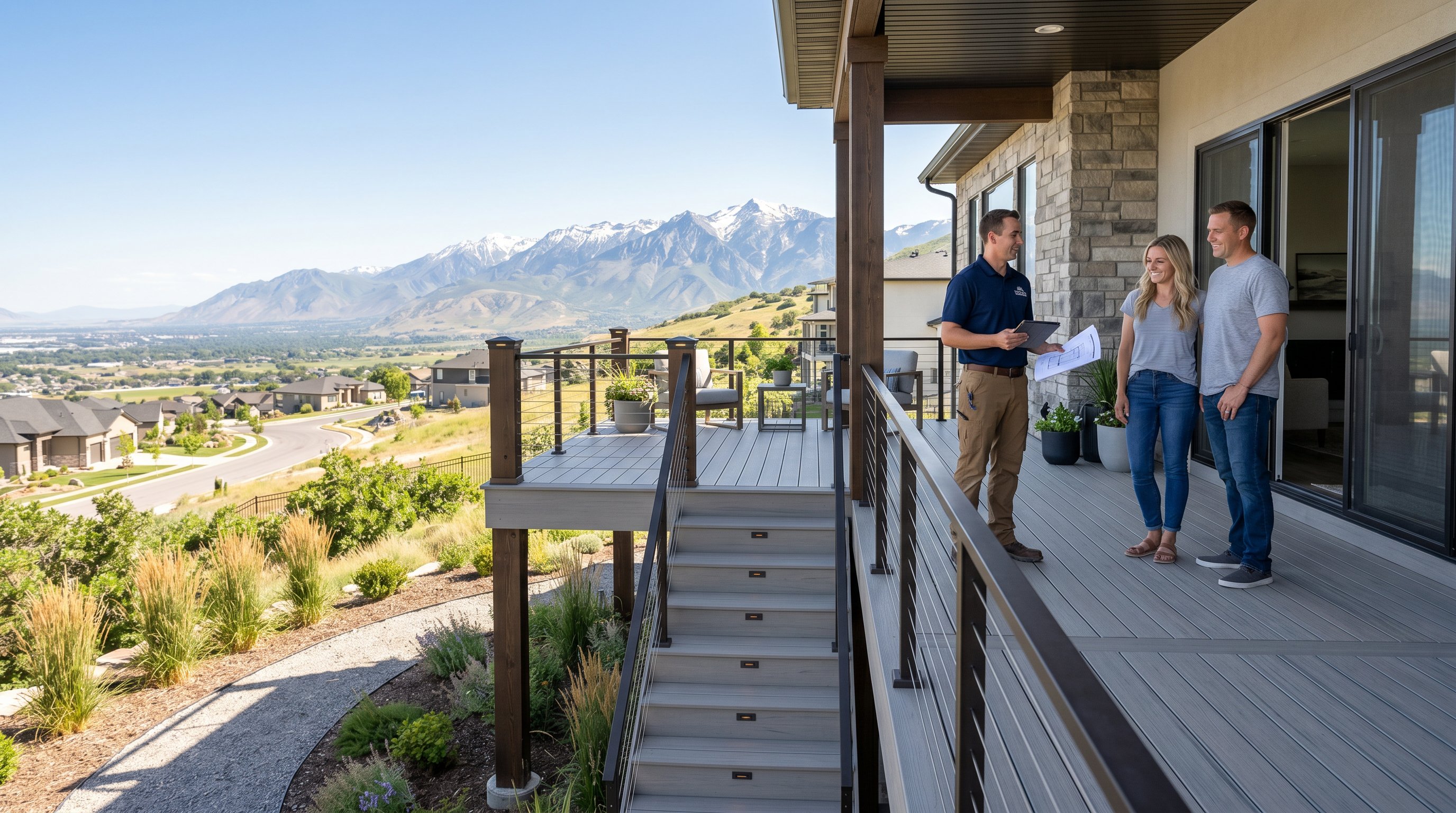
That doesn't mean every covered deck should be fully enclosed or heavy-looking. The best ones are balanced for the home and lot. In HOA-driven neighborhoods, structural planning matters, and so do permits. We handle those details regularly on projects like custom deck builds in Salt Lake City, where code compliance, snow-load engineering, and finished aesthetics all need to work together.
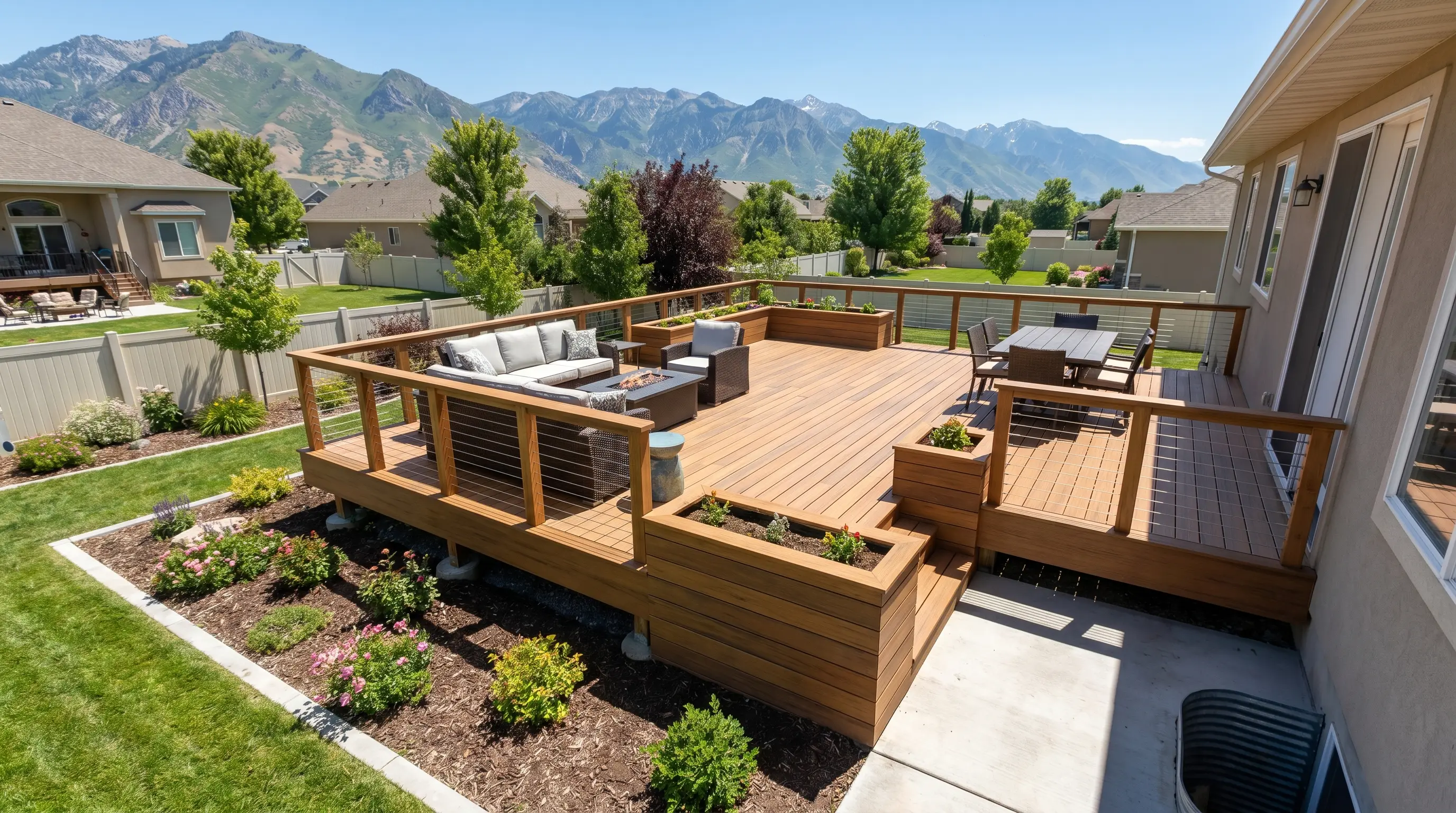
An open deck still makes sense in the right setting. If your yard gets partial shade already, your home blocks the worst afternoon exposure, or you genuinely want a sunny platform for grilling, container gardening, or mountain views, open can be the better choice.
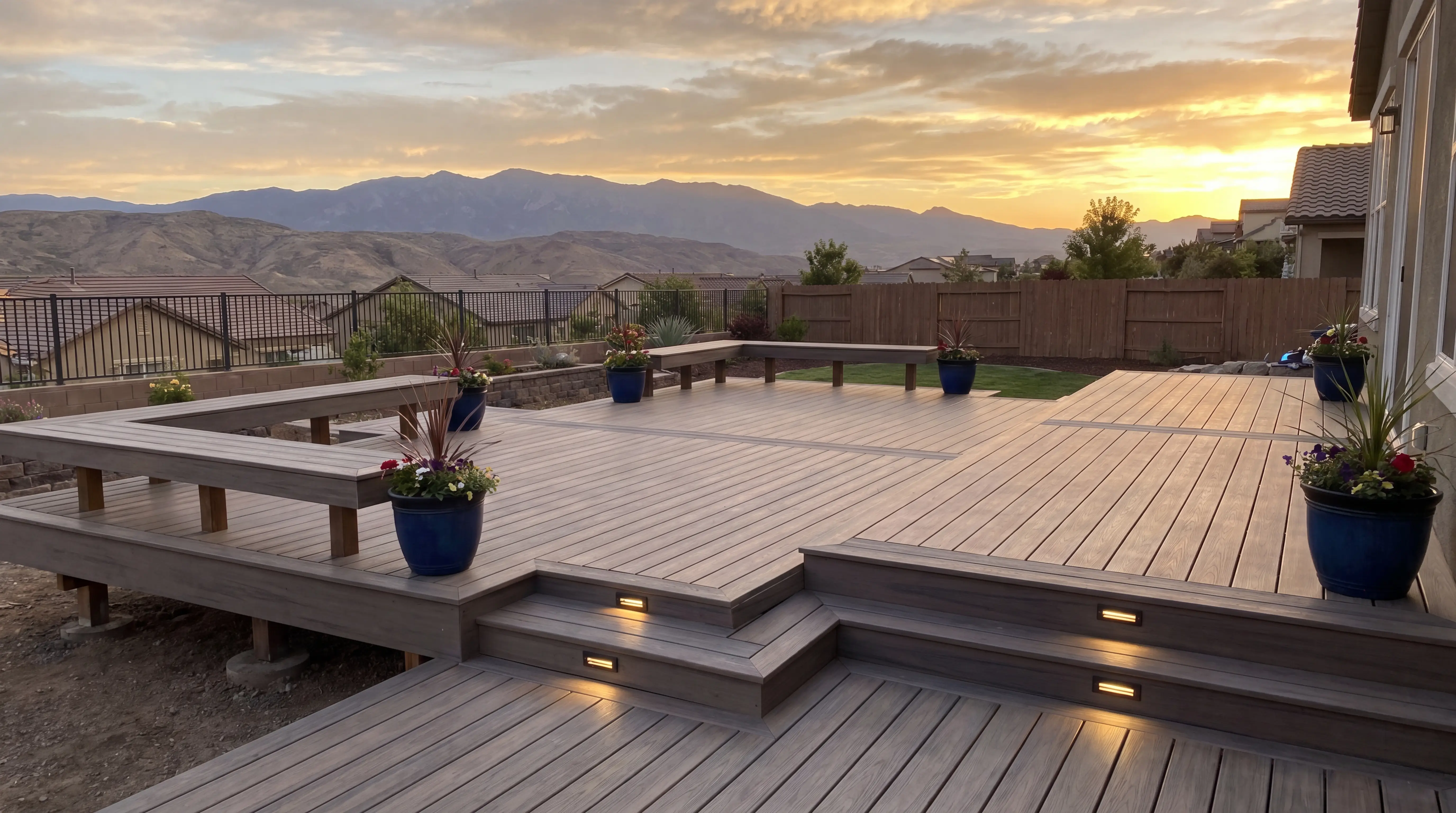
Open decks usually feel larger and less visually heavy. They preserve sightlines, bring in more winter sun, and can cost less than a fully covered structure. For homes with great east-facing light or cooler foothill locations, that openness can be a feature, not a flaw.
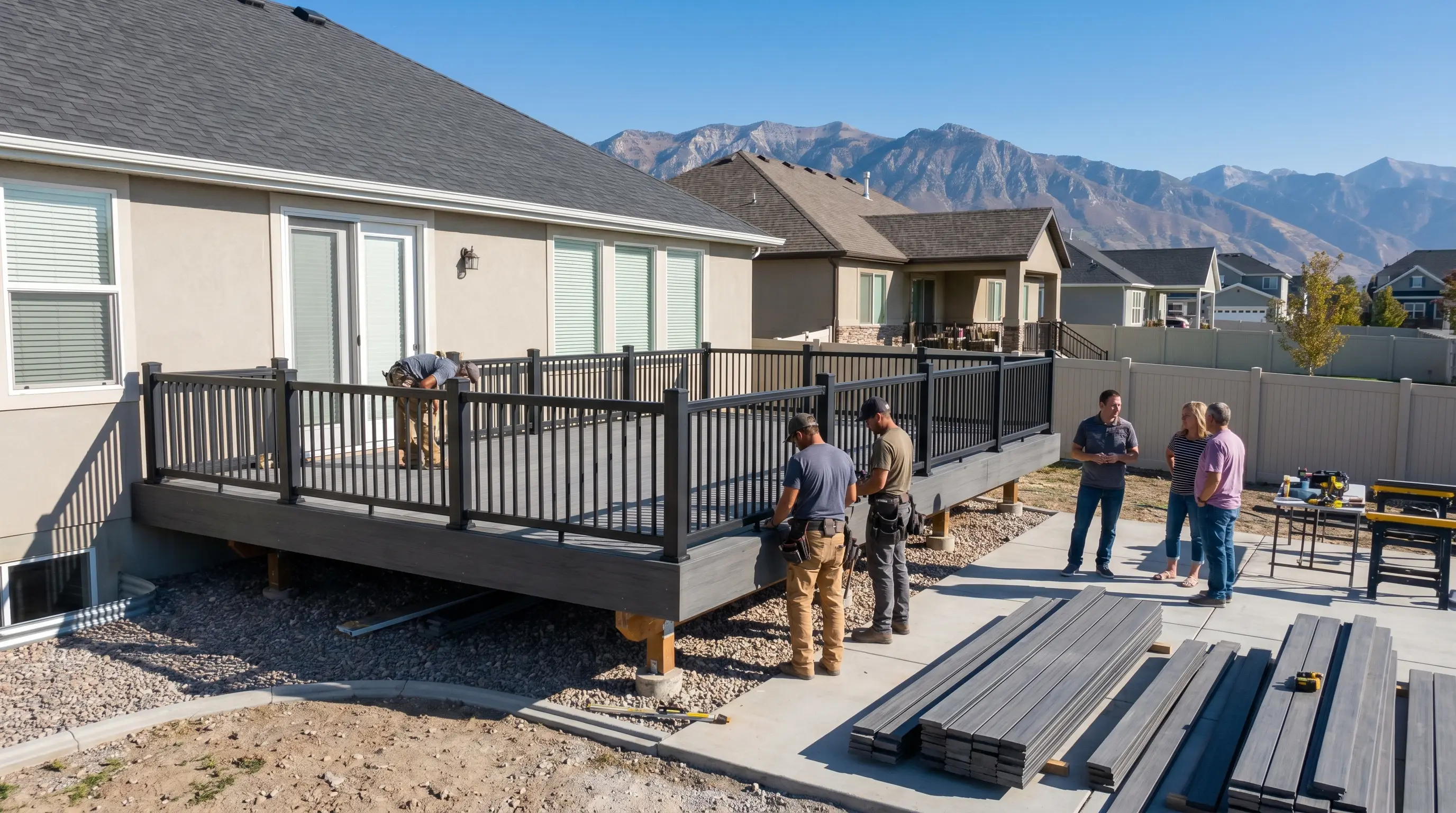
But it only works when we're honest about heat. Board color becomes more important. Lighter tones usually feel better under direct sun. Railing choice matters too, since bulky materials can trap heat and interrupt views. And with open layouts, low-maintenance materials matter even more because the surface takes the full hit from UV, dust, moisture, and snow.
That's why many homeowners researching Utah County composite deck options land on capped composite for exposed builds. It doesn't eliminate planning, but it gives you a much better long-term baseline than traditional wood in our climate.
For most homeowners, the best answer comes down to five factors: sun exposure, how you'll use the space, maintenance tolerance, structural requirements, and budget.
First, study the lot. A west-facing backyard in Bluffdale or Eagle Mountain behaves differently than a shaded yard in Alpine. If afternoon sun blasts the deck for hours, covered usually wins. If your house, trees, or neighboring structures already create relief, open may perform just fine.
Second, think about use. Dining, lounging, and family time typically benefit from shade. Tanning, grilling, and view preservation may lean open. A deck should match actual habits, not just aspirational ones.
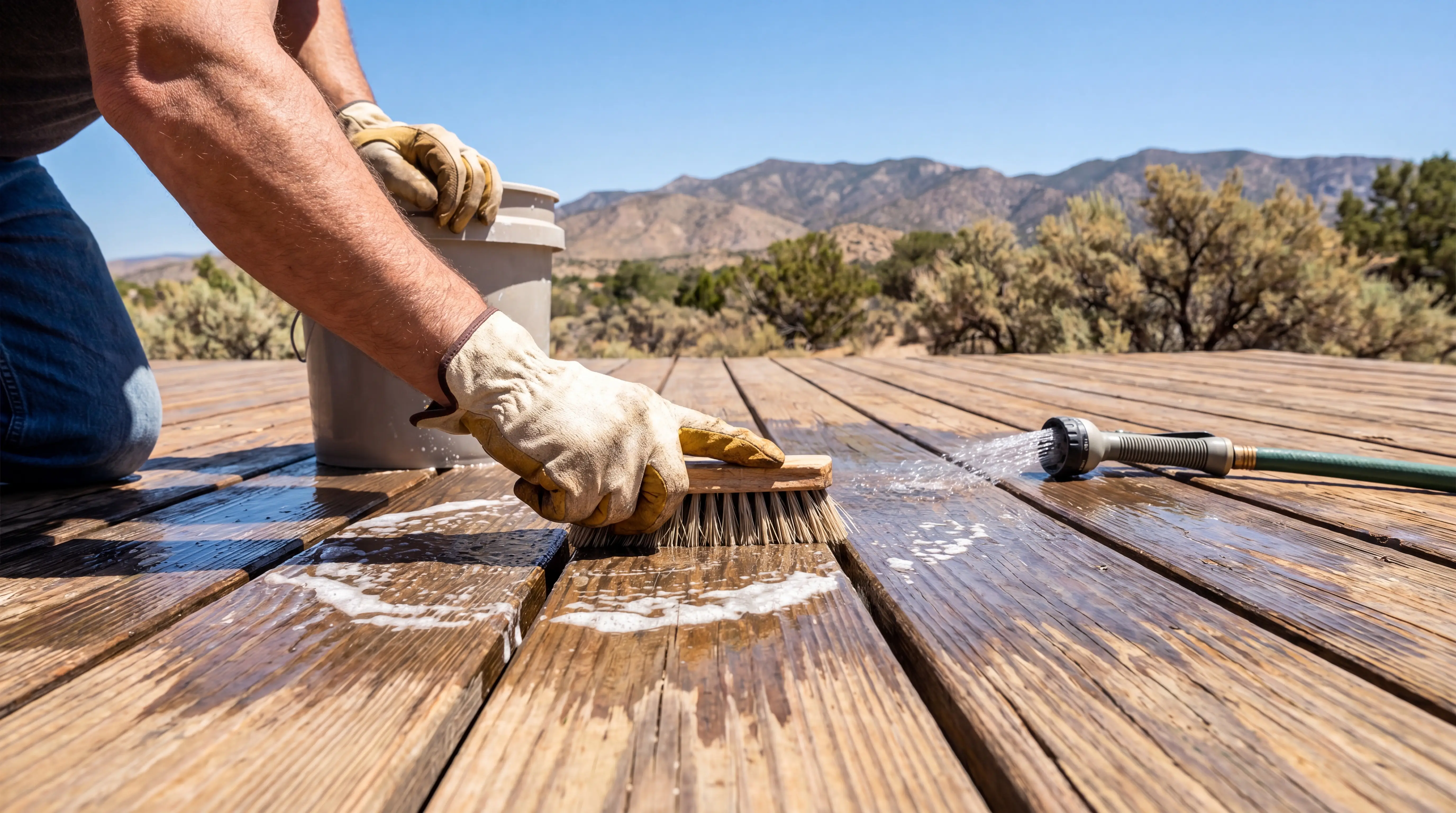
Third, be realistic about maintenance. Natural wood can be beautiful, but Utah sun and dry air are rough on it. Composite is often the better fit for busy families, rental properties, and anyone tired of sanding and sealing. We talk through that daily with homeowners considering Utah County deck builders for new builds and resurfacing projects.
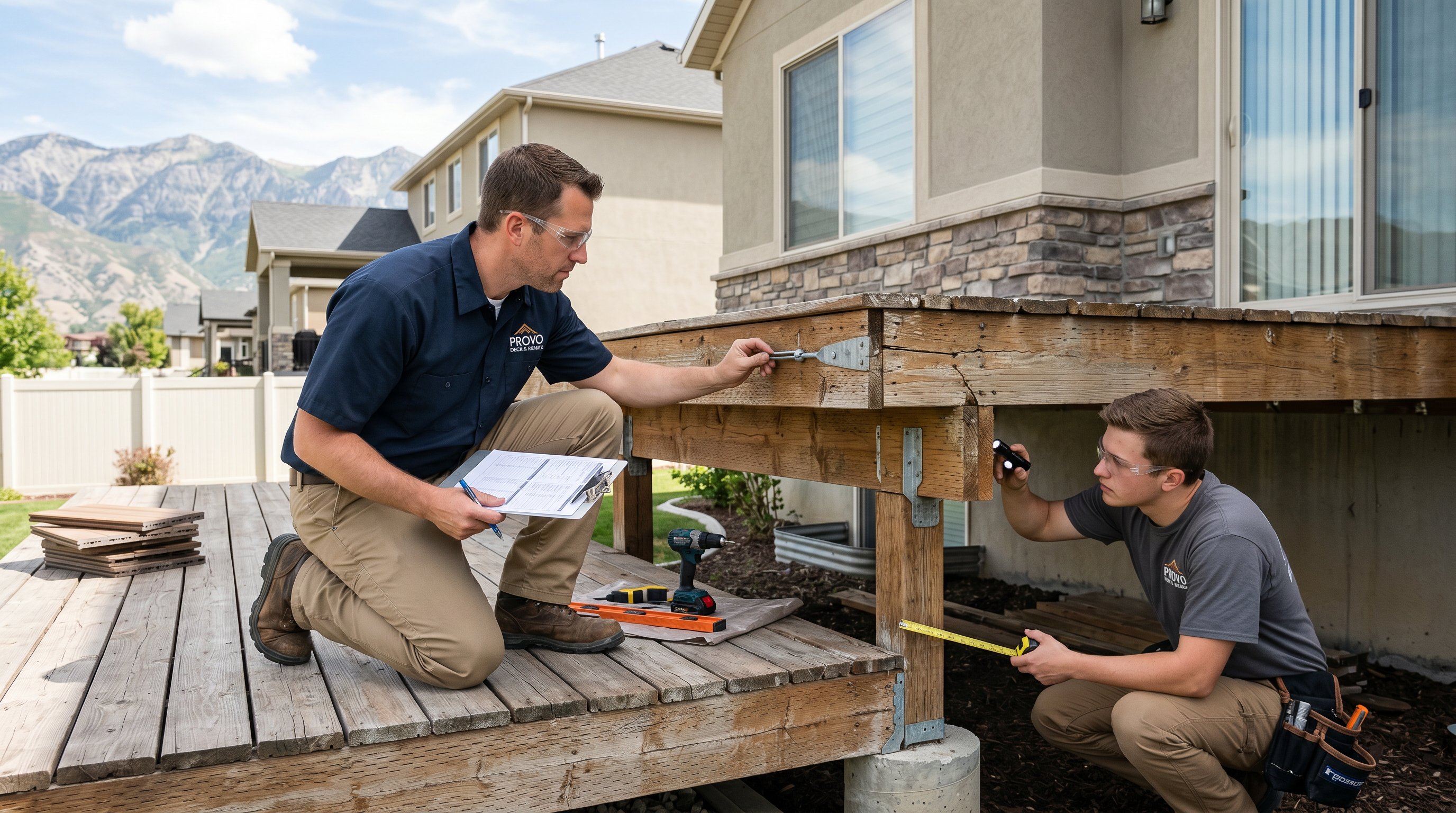
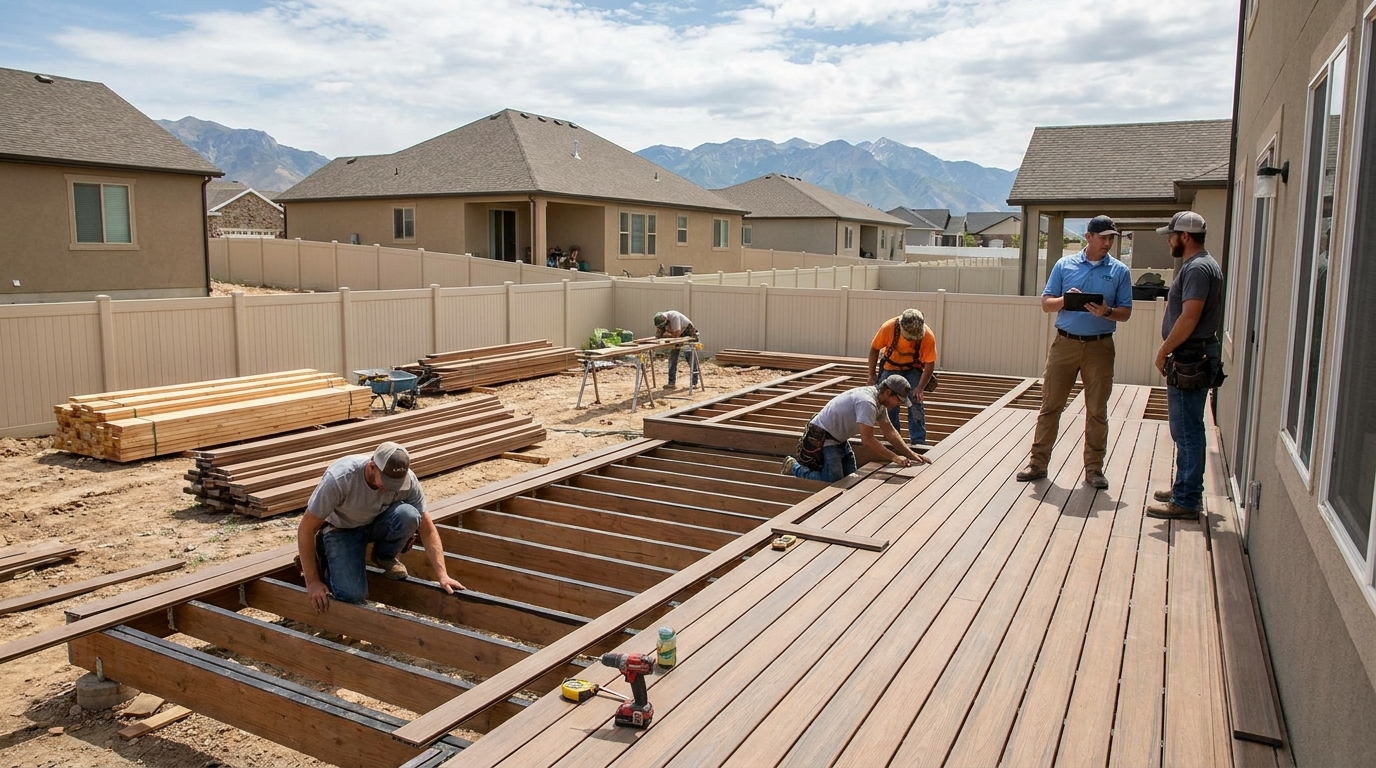
Fourth, don't ignore structure. Covered decks carry added engineering needs, especially with snow loads and footing depth. In Utah, footings typically need to go below the frost line, often 30 inches or more. Roofed structures also trigger more permitting and HOA review in many cities.
Finally, consider total value, not just base price. According to the Cost vs. Value Report, decks and patios can return meaningful resale value, but the real payoff is usability. A deck that sits empty because it's too hot is cheaper on paper and worse in practice.
We've seen that firsthand across the Wasatch Front, whether it's a fully custom backyard retreat or a straightforward resurfacing job. Even for homeowners outside the core valley, the same climate logic applies when hiring deck builders in Tooele or planning a Provo composite deck: build around the sun, not around assumptions.
For Utah heat, covered decks usually win on comfort, protection, and day-to-day use. Open decks still make sense when views, winter light, and full sun are the goal. The right answer depends on your lot, your schedule, and how you actually live outside. We always recommend designing for Utah's climate first, then choosing materials and features that make the space worth using.

.avif)
.avif)












.png)



.webp)