Deck maintenance in Utah starts with an annual safety inspection, cleaning that matches the decking material, and protection against strong summer sun and winter moisture. Snowmelt can expose drainage problems, while dry air and UV exposure wear down wood finishes and leave boards rough underfoot. We recommend separating surface care from structural repairs: washing and sealing won't fix a weak connection or a rotting joist. This guide explains what to inspect, how to clean wood and composite safely, and which seasonal tasks help protect your deck without damaging its surface.
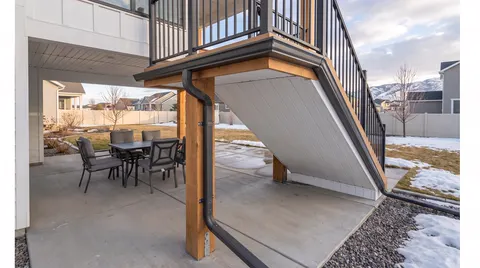
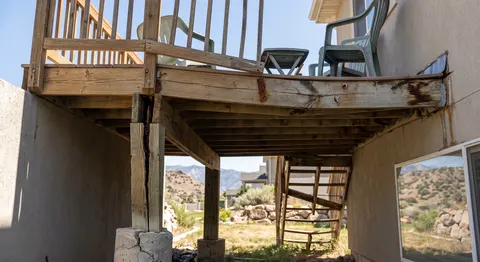
Inspect your deck each spring after the snow clears, and look again after a storm causes visible damage. We start with the walking surface, then examine railings, stairs, and accessible framing from a safe position.
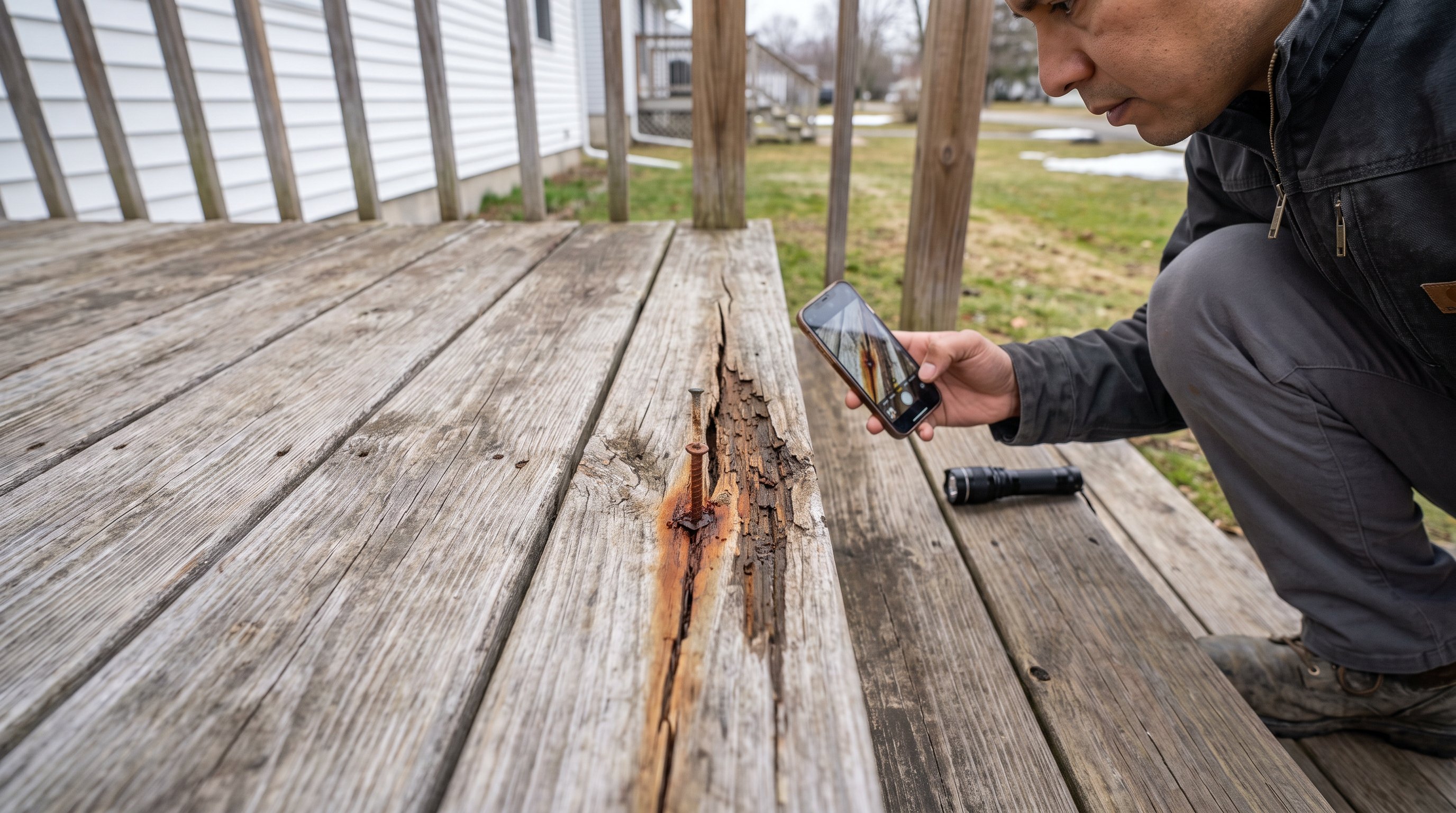
Look for changes rather than judging by color alone. Gray wood may simply be weathered: a soft board, shifting stair, or widening gap at the house needs closer attention.
Focus your inspection on these areas:
These deck repair signs deserve attention before another season of use. Keep people off the affected area if you find soft decking, unstable rails, or structural movement: widespread sagging or separation from the house warrants closing the deck until a qualified professional assesses it.
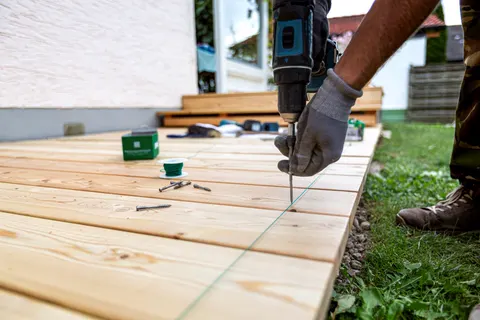
A loose board screw and a failing structural connector are different problems. Don't substitute ordinary screws for approved connector fasteners, and don't assume tightening hardware fixes damaged wood beneath it.
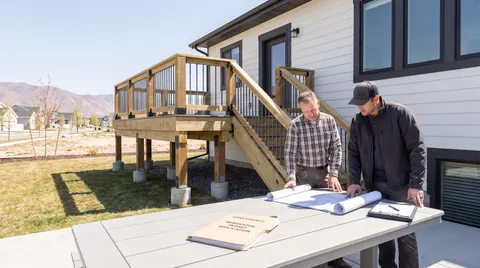
The choice between deck repair or replacement depends on the framing and connections, not just the visible boards. At 3Sixty Industries, we consider resurfacing only when the existing structure is sound and suitable for the new decking's support requirements.
Take dated photos of questionable areas. Comparing the same connection or crack over time can reveal movement that's easy to miss during a quick walk across the deck.
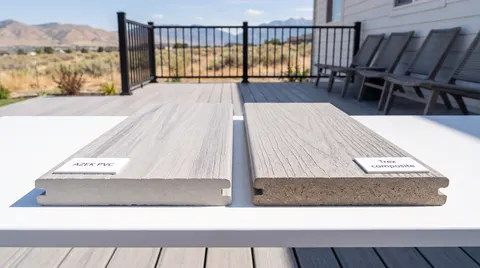
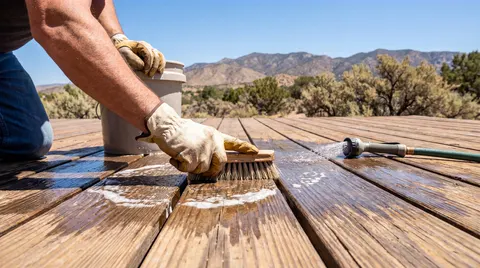
Clean your deck with products and tools approved for its specific material. We recommend identifying the decking brand and product line before treating composite, because care instructions differ between older uncapped boards and newer capped products.
Remove furniture and planters, then sweep away grit and leaves. Clear debris from board gaps without gouging the edges: blocked gaps hold moisture against boards and framing.
For routine cleaning, follow this sequence:
Composite deck maintenance doesn't mean no cleaning. Pollen, food residue, and damp leaves can support surface mildew even on moisture-resistant decking. Treat grease spills promptly, and avoid solvents, wire brushes, or abrasive pads unless the manufacturer specifically permits them.
Wood needs a cleaner suited to its finish and condition. Don't mix cleaning chemicals, and protect nearby plants according to the product label. A dark patch that remains after cleaning may need assessment rather than stronger chemicals, especially if the wood also feels soft.
Pressure washing isn't a universal shortcut. Excess pressure or a nozzle held too close can shred wood fibers or mark composite caps: some products restrict pressure washing altogether. Follow the decking manufacturer's pressure, tip, and distance limits rather than using one setting for every deck.
Cleaning can expose damage hidden beneath dirt. Stop if boards move, crumble, or reveal substantial deterioration: those conditions call for professional deck repair, not another pass with the washer.
Match seasonal care to the material: wood needs finish renewal, while capped composite generally needs cleaning rather than sanding or sealing. Both need clear drainage paths and careful snow removal through Utah's freeze-thaw weather.
We recommend assessing wood finishes after cleaning and drying the surface. Many wood decks need refinishing roughly every one to three years, but sun exposure, foot traffic, and the finish manufacturer's instructions determine the actual schedule.
Water soaking quickly into bare-looking wood can signal worn protection, though that test alone doesn't establish whether the surface is ready for recoating. Peeling finishes, splinters, and incompatible old coatings may require preparation by a refinishing professional.
Sand wood only as needed to remove rough fibers or prepare for the chosen finish. Follow its surface-preparation directions, and remove sanding dust before coating. Don't sand capped composite: sanding can permanently damage its protective surface.
Choose a wood finish rated for exterior horizontal surfaces. Pigmented stains generally provide better UV protection than clear water repellents. Apply only within the product's temperature, moisture, and weather limits, not to sun-baked boards during a hot Utah afternoon.
For new projects, we often recommend capped composite to reduce refinishing work. It resists many problems associated with exposed wood, but it can still scratch, stain, and become hot in direct sun. Product warranties and care instructions matter more than claims that any board is damage-proof.
Remove leaves before snow buries them, and raise planters on compatible feet so water can drain underneath. Use deck-approved mats and furniture pads: some rubber-backed products can discolor composite or trap moisture.
For snow removal, use a soft broom for light snow or a plastic shovel without a metal edge, working along the boards. Don't chip bonded ice with metal tools. Use ice melt only when the decking manufacturer approves its ingredients and application.
Avoid piling shoveled snow in one corner. Snow weight varies with water content, so depth alone doesn't establish a safe load. Known drainage or connection problems deserve timely deck repairs before winter makes access harder.
Schedule a spring inspection, keep drainage gaps clear, and save your decking manufacturer's care instructions where you can find them. We recommend fixing safety concerns before spending money on cleaning or finish work: a fresh-looking surface can hide an unsafe frame. If your inspection raises concerns about repair or resurfacing, call 3Sixty Industries at 435-660-1944 for a free quote.