
In an AZEK vs Trex comparison, Trex usually offers the lower entry price, while AZEK's wood-free PVC construction offers an advantage where moisture exposure matters most. For a Utah deck, we also weigh summer surface temperatures, snowmelt, and the cost of the complete structure, not just the boards. Both brands offer low-maintenance alternatives to wood, but neither makes a deck heatproof, scratchproof, or maintenance-free. Here's how we compare their materials, performance, installed costs, and warranties so you can decide where spending more makes sense.
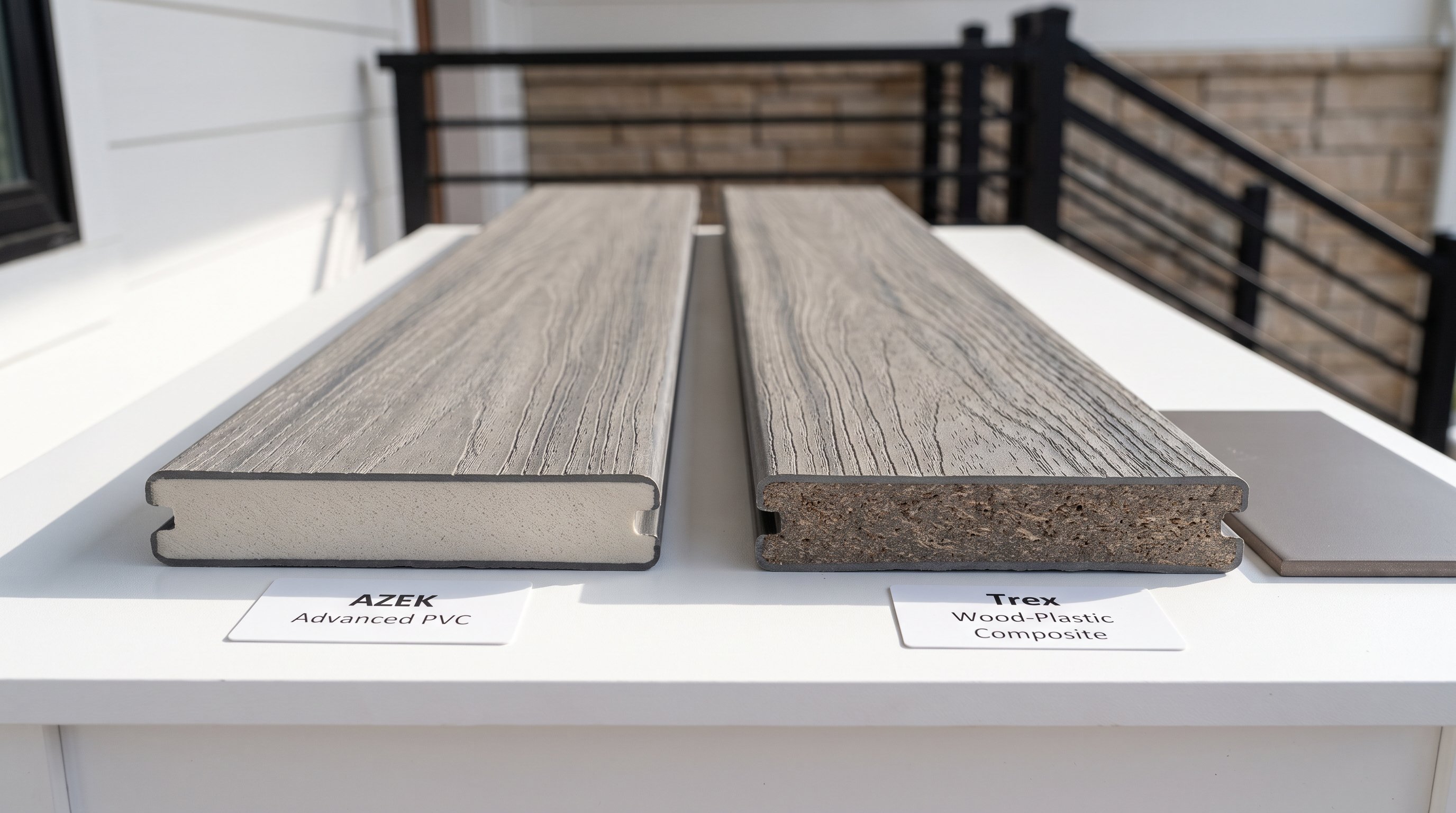
The main difference is inside the board: AZEK uses a wood-free cellular PVC core, while Trex combines wood fibers and plastic beneath a protective cap. That distinction affects moisture response, weight, and installation requirements, but it doesn't tell you which finished deck you'll prefer.
AZEK decking is sold within TimberTech's Advanced PVC product family. TimberTech also sells wood-plastic composite decking, so a quote that says only "TimberTech" doesn't identify the material. We recommend asking for the collection, color, and board profile in writing.
Trex's capped composite boards have a protective shell over the walking surface and sides. The shell helps resist stains and fading, while the wood-plastic core provides the board's body. Its wood content doesn't mean it needs the sanding and staining schedule of cedar or redwood.
| Comparison point | AZEK capped PVC | Trex capped composite |
|---|---|---|
| Core material | Cellular PVC without wood fibers | Wood fibers blended with plastic |
| Appearance | Grain and color variation depend on collection | Grain and color variation depend on collection |
| Moisture consideration | Wood-free core avoids wood-fiber absorption | Cap protects the exposed walking surface |
| Routine upkeep | Cleaning rather than staining | Cleaning rather than staining |
Appearance is a collection-level choice, not a reliable brand-wide ranking. Both offer wood-look textures, and some boards have more pronounced grain or color variation than others.
We suggest viewing several full-size samples beside your siding and railing choice. A small chip can hide repeating grain patterns or strong color streaks. Check the samples in direct sun and shade: a gray that looks neutral indoors may read blue against warm-colored masonry.
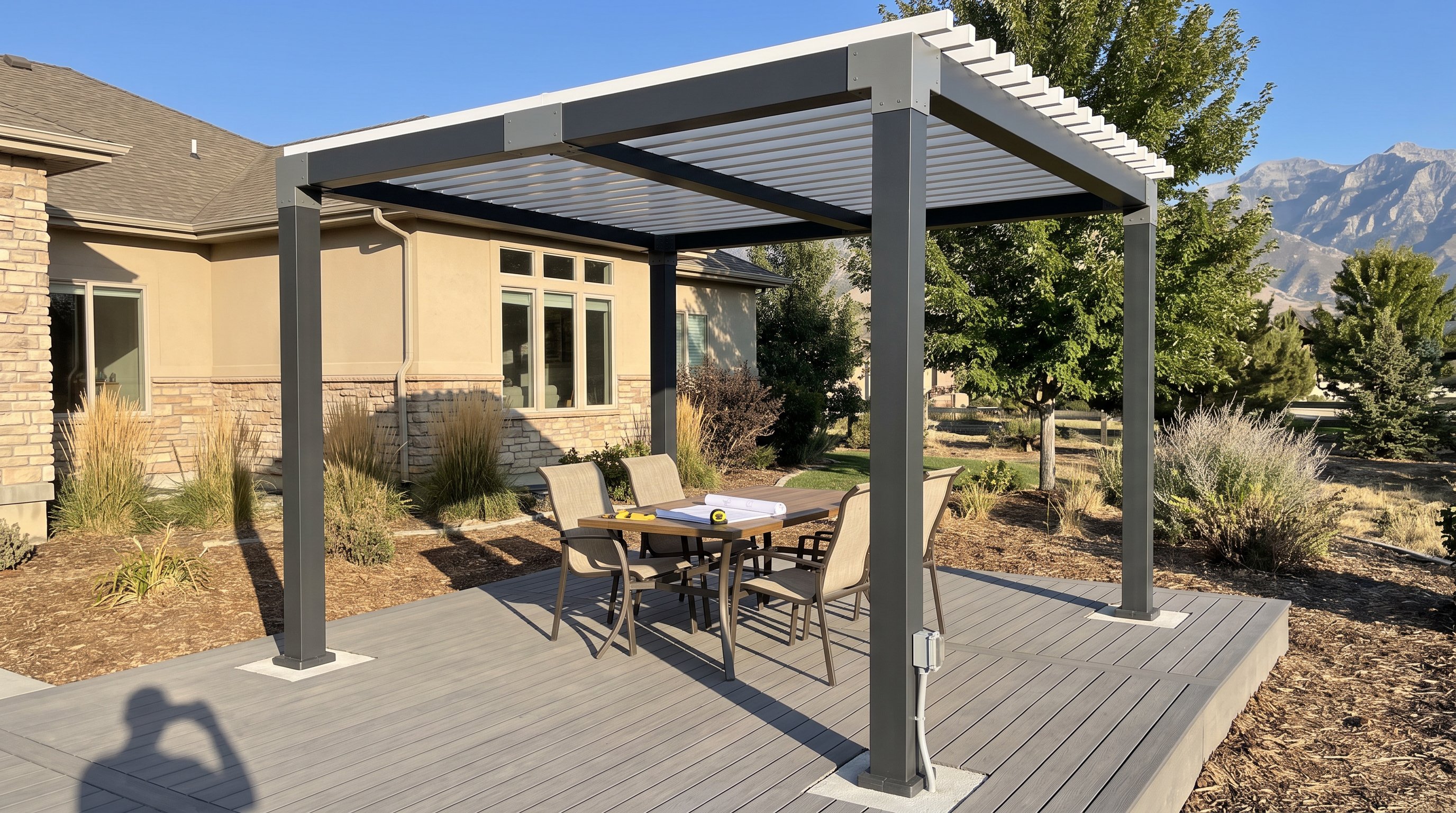
Both materials can perform well in Utah when the product suits the exposure and the installation follows its requirements. Color, shade, drainage, and framing matter alongside the brand.
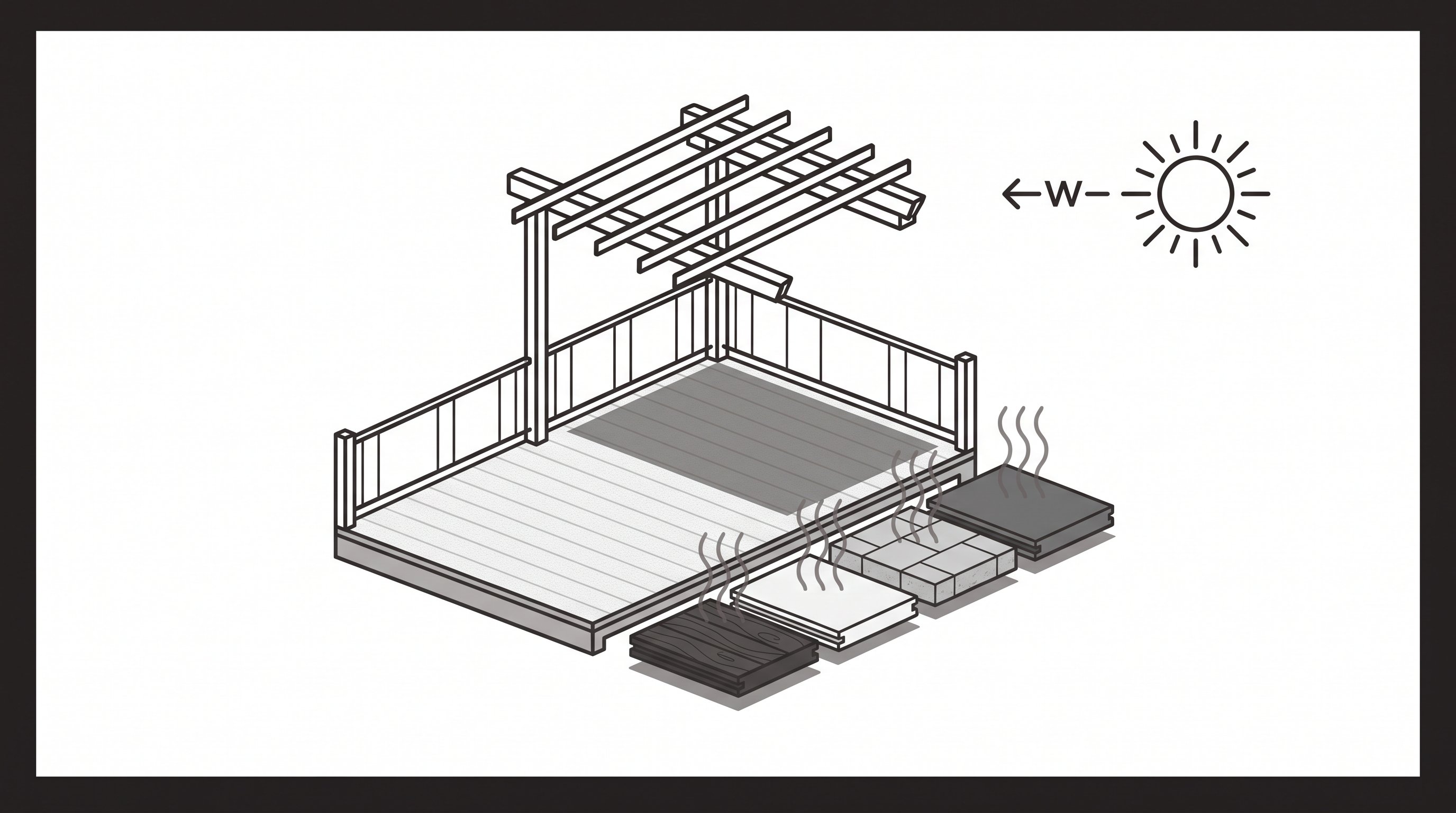
Neither material guarantees comfortable barefoot use during a Utah summer. Dark boards generally become hotter than light boards, and direct afternoon sun can make either surface uncomfortable.
Some AZEK and Trex collections use technology intended to reduce heat buildup. Those claims apply to specific products and comparison conditions: they don't establish that every PVC board stays cooler than every composite board.
We recommend comparing your actual color choices outdoors under the same conditions. Samples help reveal differences, though they won't reproduce every condition on a finished deck. If barefoot comfort matters, plan shade rather than relying on board selection alone.
AZEK's wood-free core provides a material advantage against moisture absorption associated with wood fibers. Trex's cap also provides substantial protection, but neither product replaces proper drainage, open board gaps, or ventilation beneath the deck.
Snow capacity comes from the structural design, including the joists, beams, connections, and footings, not from choosing PVC over composite. Decking span limits still matter, and diagonal layouts may need closer joist spacing under the manufacturer's instructions.
Temperature changes also move decking. We follow product-specific fastening and spacing requirements so boards have room to expand and contract without compromising the installation.
Both products resist ordinary wear, but dragging a grill or a metal chair can damage either surface. Use suitable furniture feet and lift heavy items rather than sliding them.
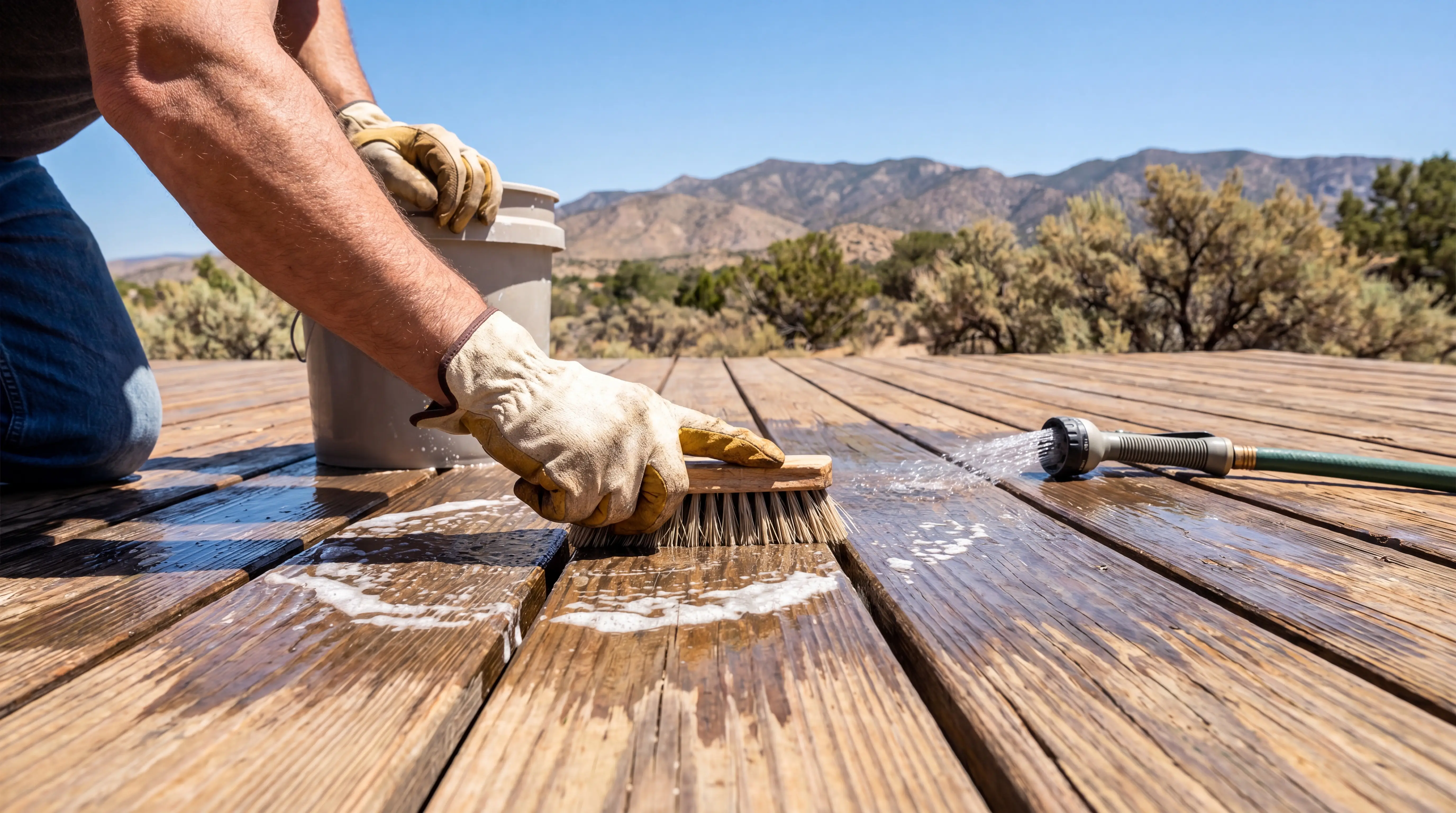
Remove leaves and dirt before they collect in gaps. Surface debris can support mildew even on a wood-free board, so moisture resistance doesn't mean a cleaning-free deck.
For winter care, use the manufacturer's approved snow-removal tools and deicers. Metal shovel edges can gouge decking. The Trex deck-care guide explains product-specific cleaning precautions: check the equivalent instructions for your selected AZEK collection before using a pressure washer or chemical cleaner.
Trex typically provides the lower starting price, while AZEK generally requires a larger material investment. The fair comparison is two itemized quotes with the same deck dimensions, framing, stairs, and railing, not two prices for loose boards.
Our September 2026 planning estimates for a new capped-composite deck are $65–$95+ per square foot installed. Composite resurfacing is estimated at $35–$55 per square foot when the existing framing is suitable for reuse. These are budget ranges, not fixed bids or AZEK-specific pricing.
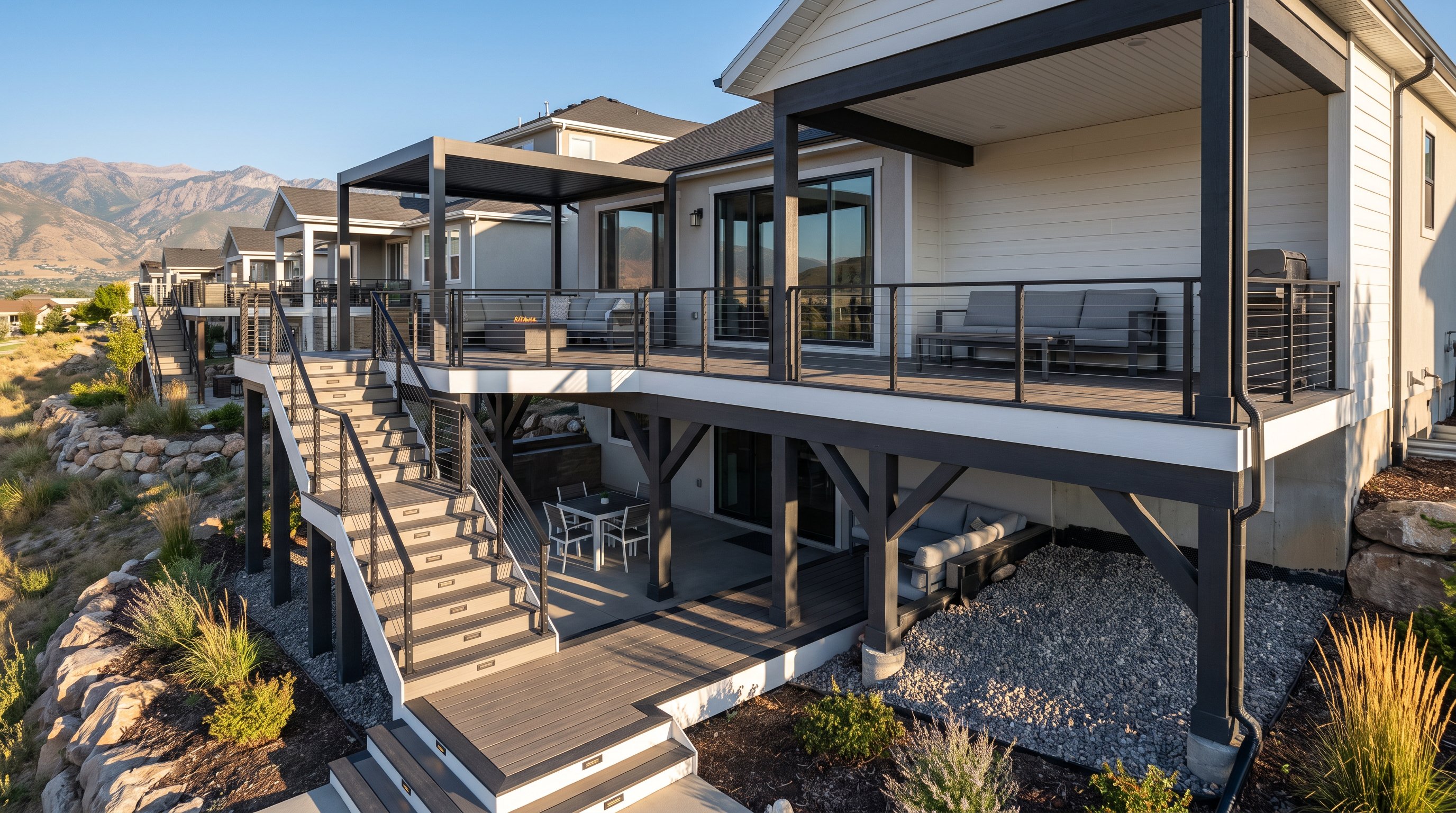
For a hypothetical 320-square-foot new composite deck, that range translates to about $20,800–$30,400 or more. Height above grade, stair layout, railing selection, terrain, and site access can change the total. We price AZEK separately by collection and project scope rather than applying an unsupported brand surcharge.
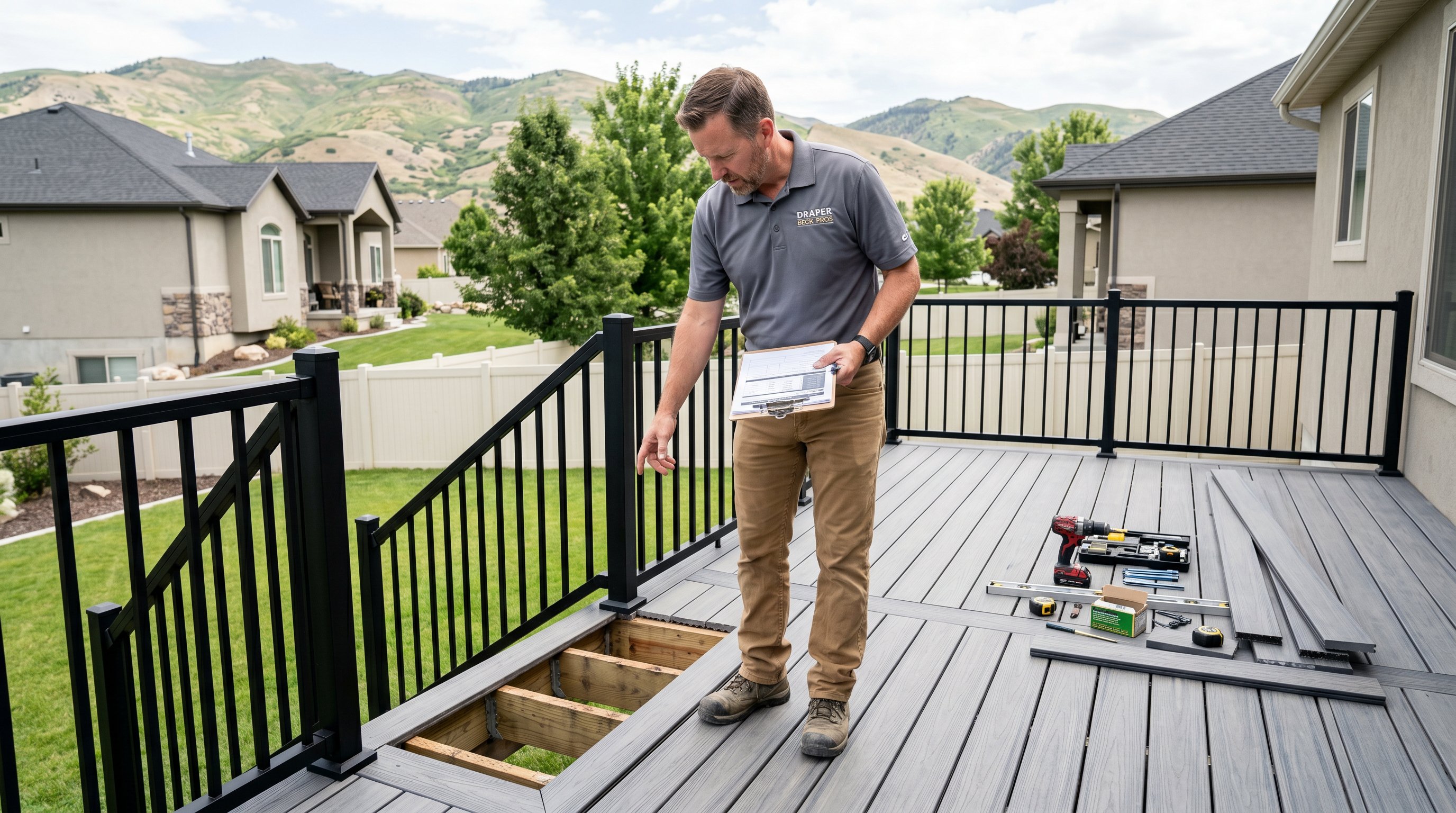
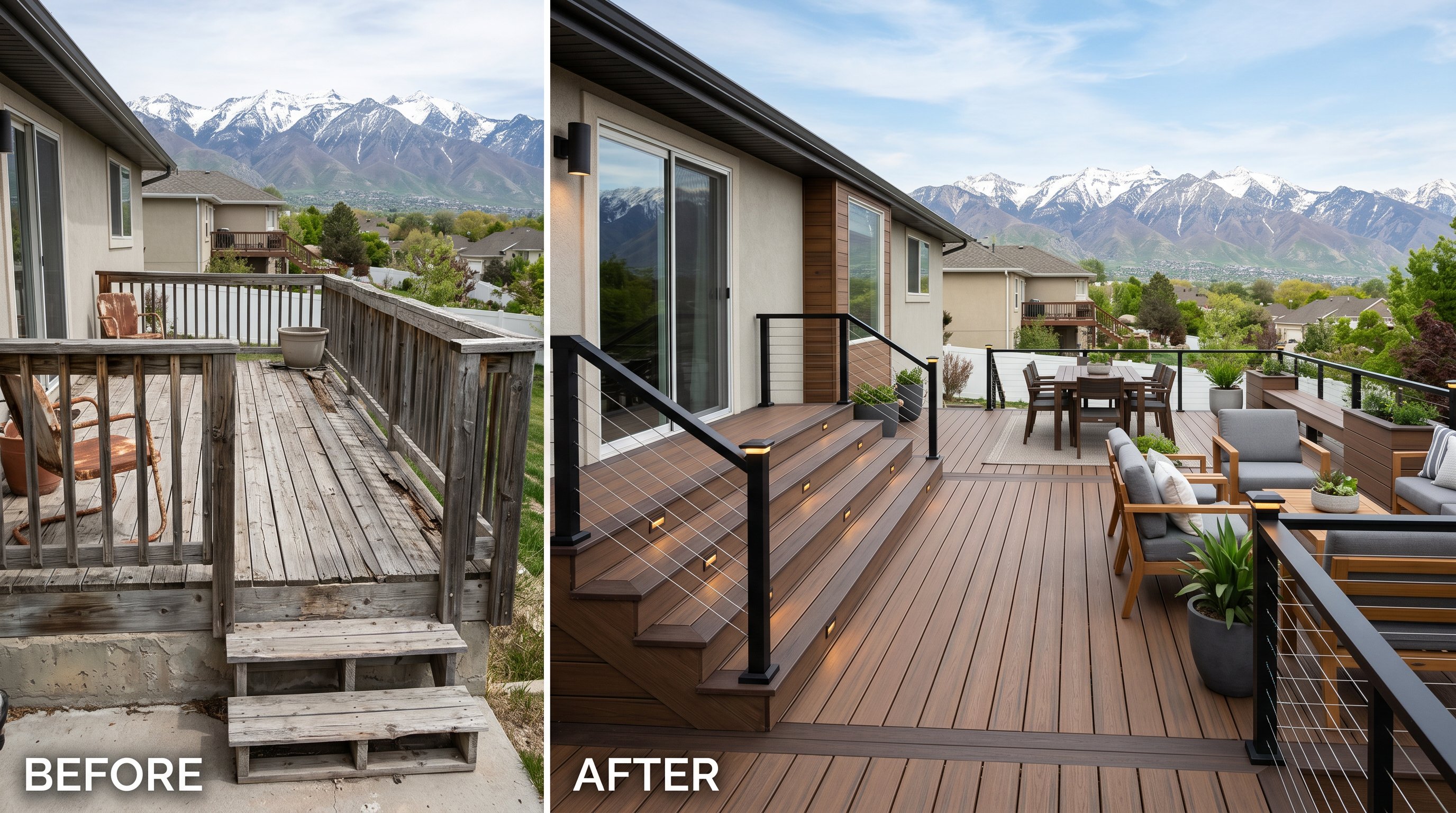
Resurfacing only saves money when the structure warrants keeping. We check the framing condition, connections, and compatibility with the new decking before treating board replacement as a viable option.
Both brands are intended for long service with proper installation and care, but a warranty length isn't a forecast of replacement day. Exposure, structural condition, workmanship, and maintenance affect how long the whole deck remains useful.
AZEK Advanced PVC products commonly carry limited lifetime product coverage and separate 50-year fade-and-stain coverage. Trex residential coverage varies by collection, with terms ranging from 25 to 50 years. Confirm the warranty attached to the exact product at purchase because terms can change.
We recommend checking what triggers a claim, whether coverage becomes prorated, and whether labor is included. Transfer rules and installation exclusions also matter. Read the current TimberTech warranty documents alongside the selected Trex warranty rather than comparing only the largest number on the brochure.
Choose Trex when controlling the initial budget matters most and you find a collection that meets your appearance and comfort needs. Consider AZEK when a wood-free core and its available finishes justify the added cost, especially around frequent wetting.
For a full-sun Utah deck, we wouldn't choose either brand before comparing light-colored samples and considering shade. For a replacement deck, we'd inspect the structure before deciding whether premium boards are the best use of the budget.
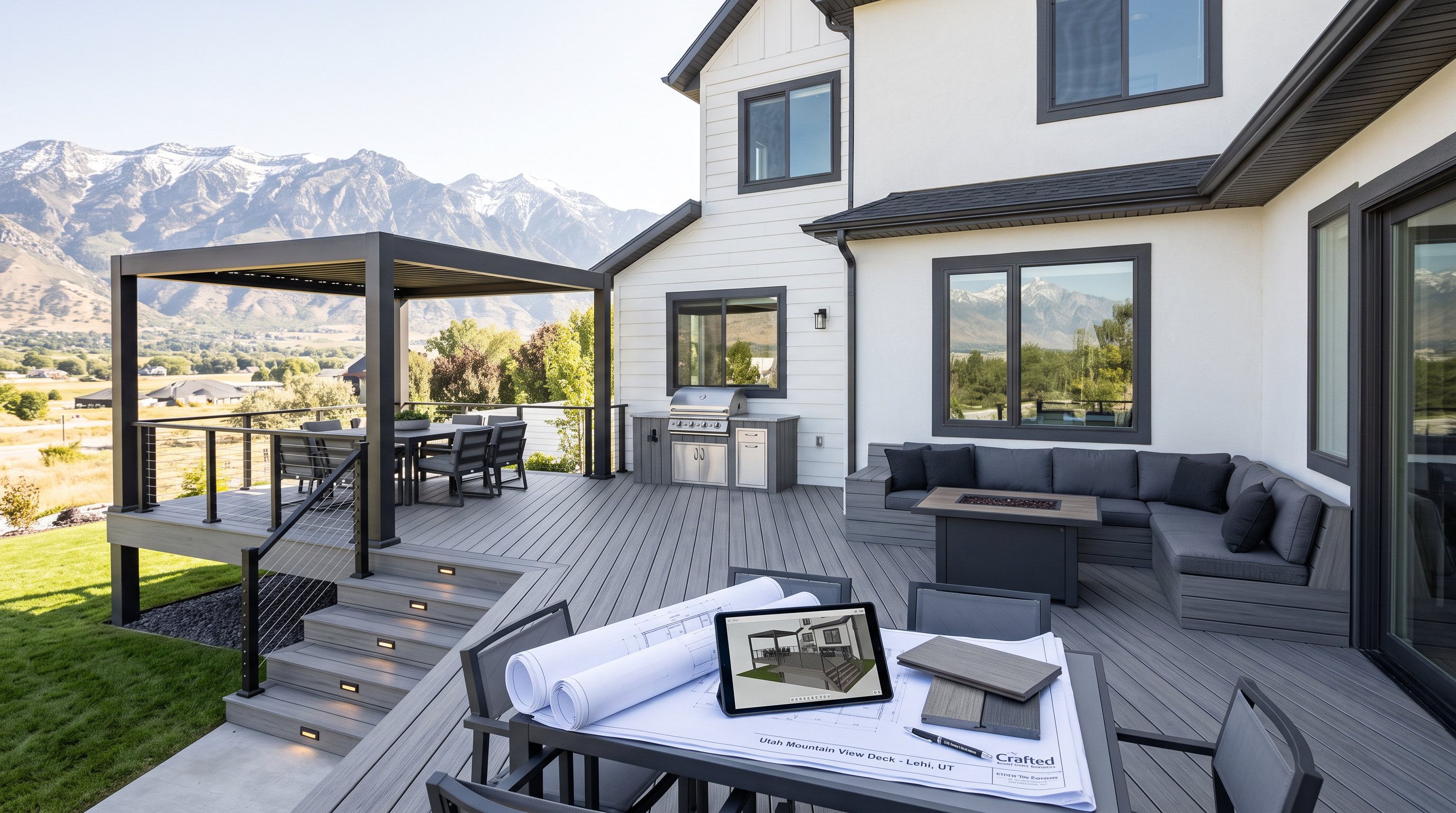
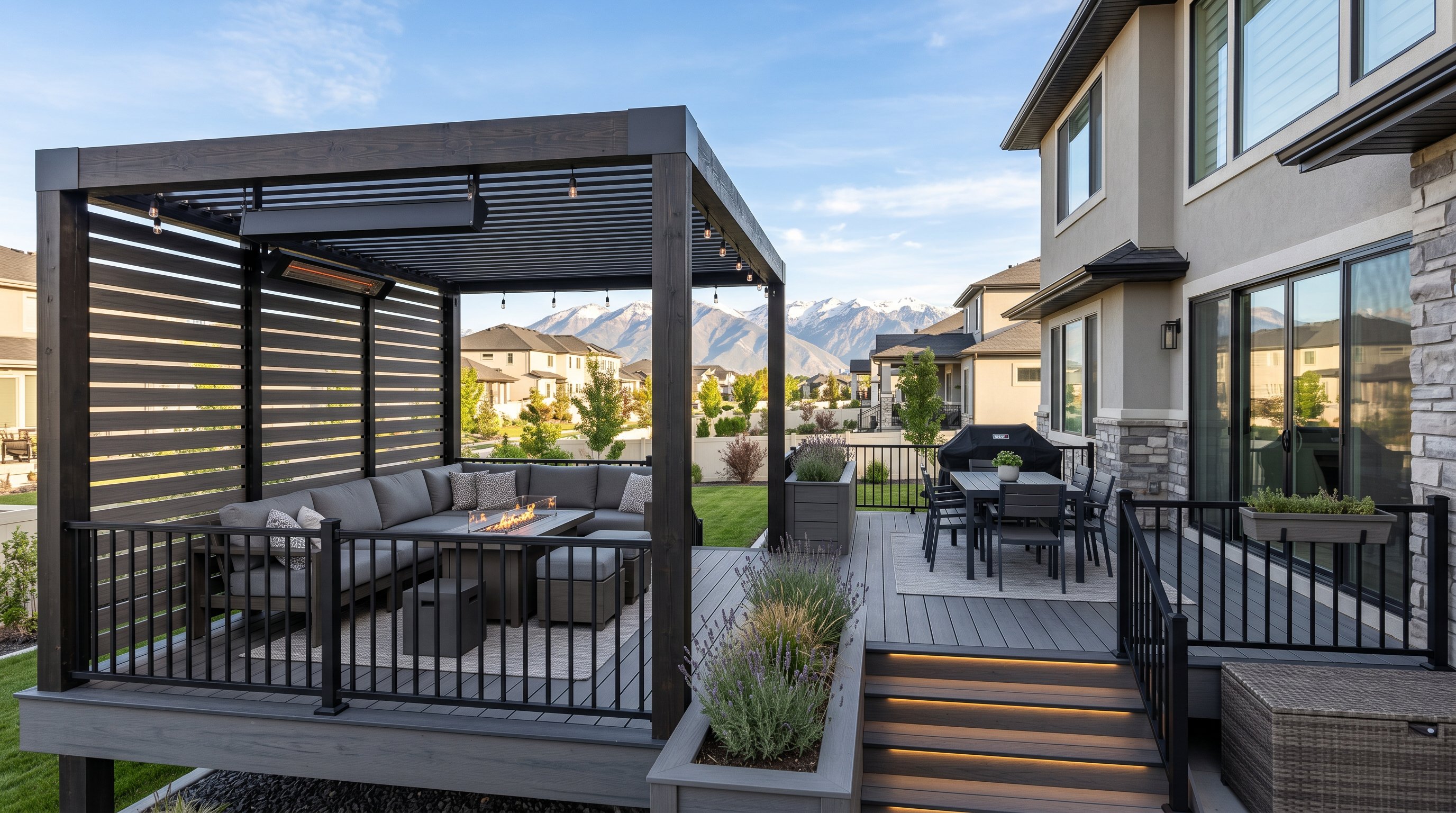
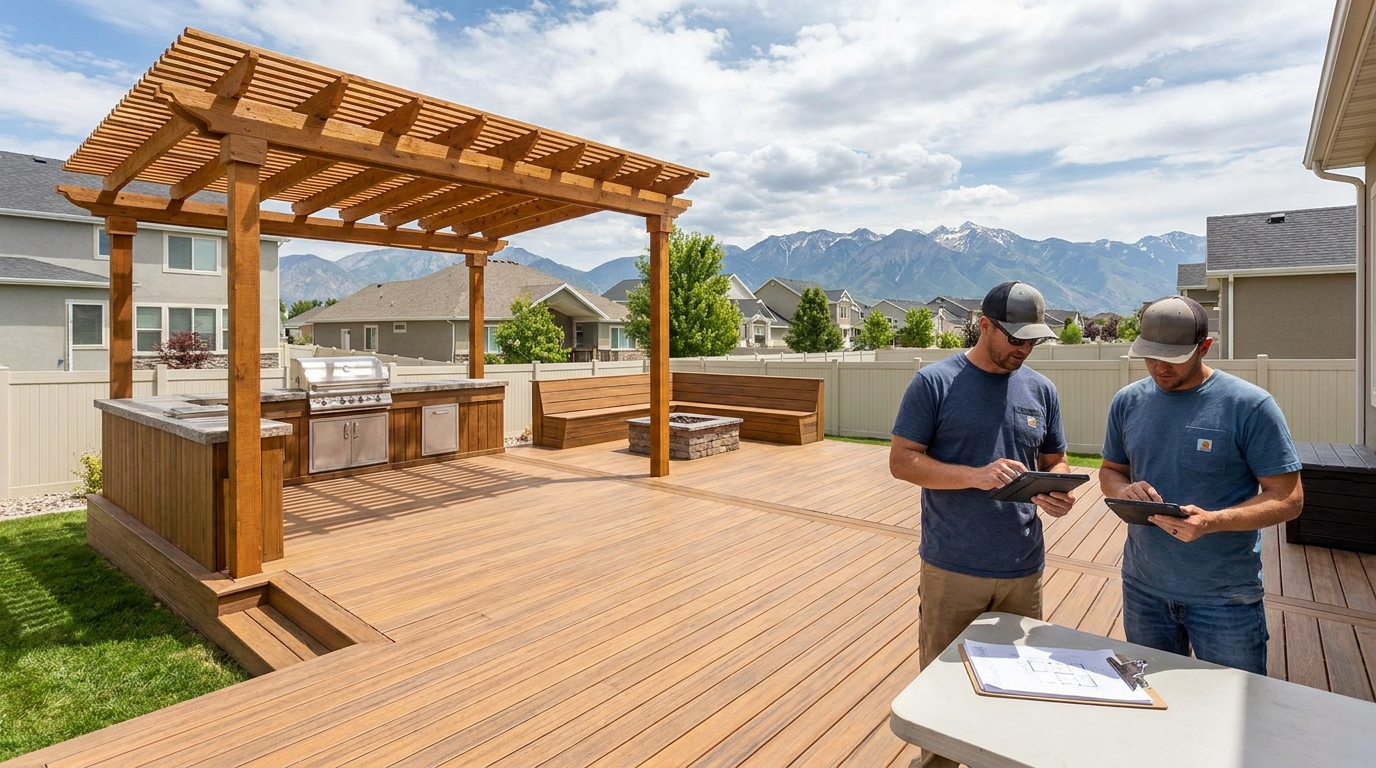
At 3Sixty Industries, we plan custom decks and outdoor living spaces around those trade-offs. Our free in-home estimates and 3D design mockups help you compare the complete build rather than make a decision from a display board.
Bring two preferred colors, an approximate deck size, and your must-have features to the conversation. Then request a free quote to compare AZEK or Trex decking for your backyard.

.avif)
.avif)






.png)


.webp)