
In 2026, a professionally installed pergola often costs about $2,100 to $6,400, while a large custom or motorized structure can exceed $15,000. A basic kit may cost $1,000 to $5,000 before installation. For Utah homeowners, snow loads, deep footings, intense UV exposure, permits, and site access can change the final pergola cost. This guide explains what your money covers, which choices raise the price, and how to set a practical budget before requesting quotes.
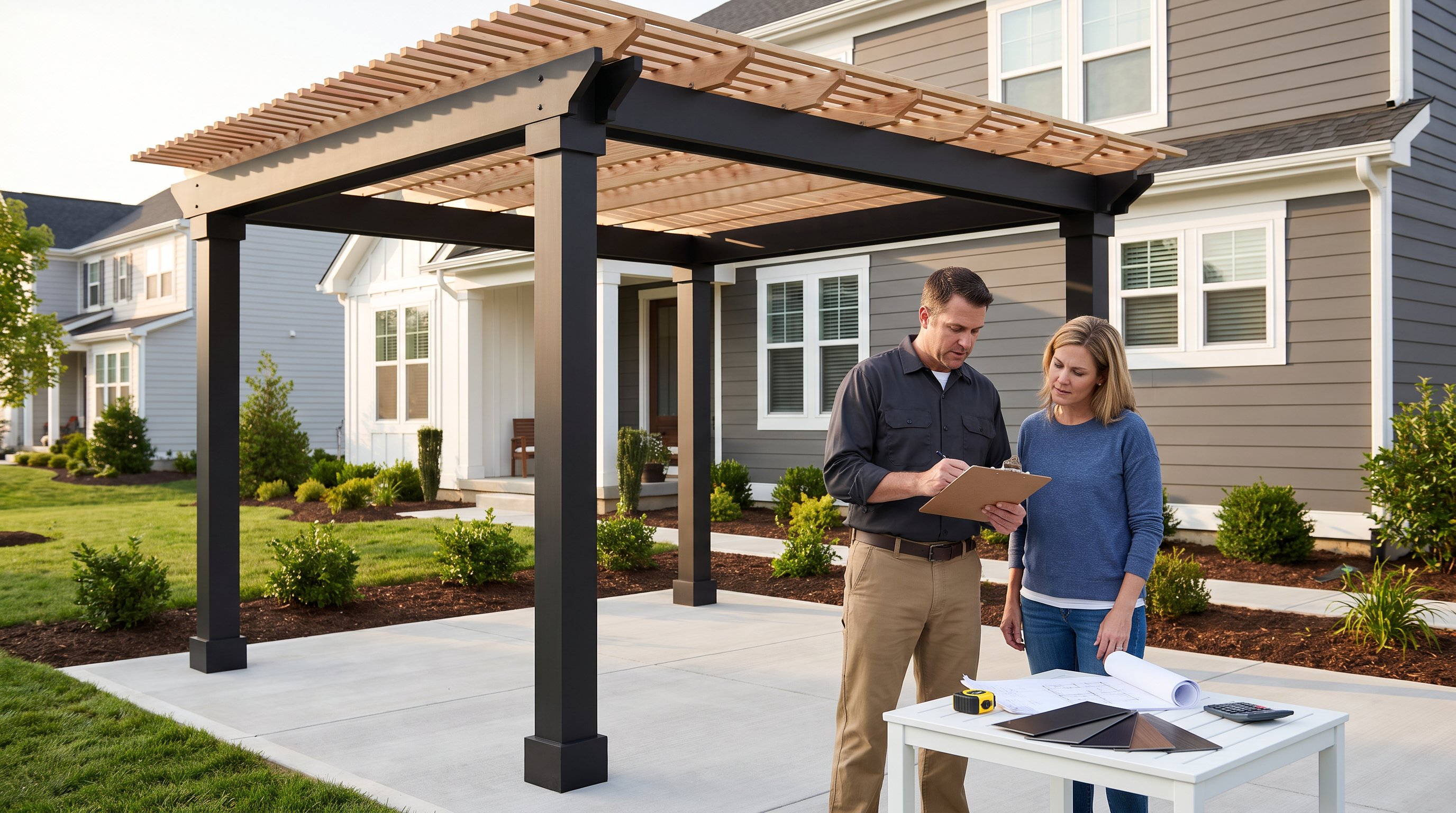
A standard 10-by-10 pergola usually costs about $2,000 to $6,000 installed. A 12-by-12 structure commonly falls between $2,900 and $8,600, depending on materials, footing requirements, roof style, and labor. Across common residential projects, homeowners often spend around $2,100 to $6,400, while a basic DIY kit may start near $1,000.
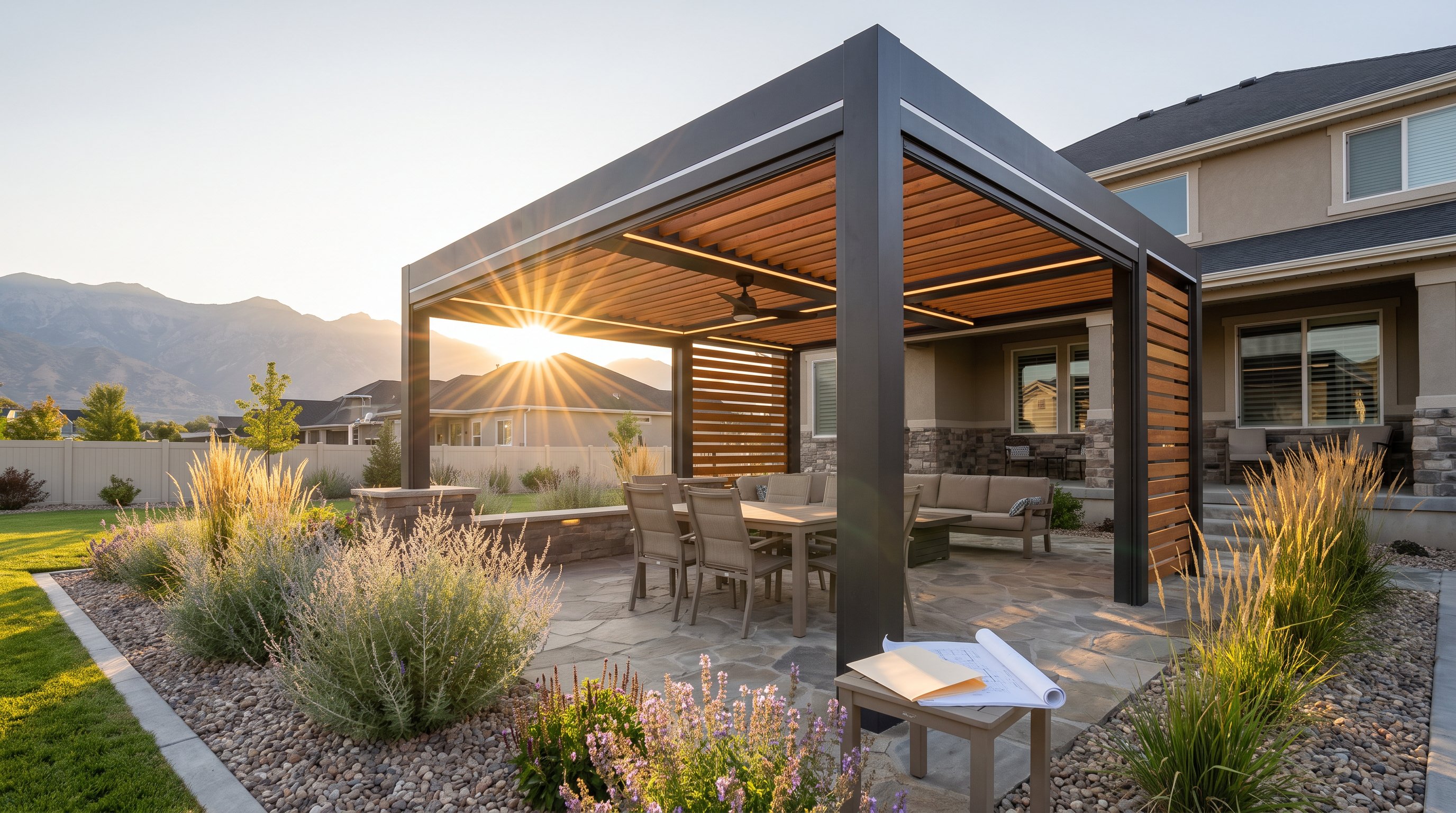
These figures are estimates, not fixed quotes, and were checked for this article in September 2026. A large custom pergola can cost $8,000 to $15,000 or more. Motorized louvered systems may range from $15,000 to $50,000 because they include specialized roof components, electrical work, controls, and more involved installation.
An installed price may include design, material delivery, posts and beams, concrete footings, fasteners, labor, cleanup, and permit coordination when required. It may not include electrical connections, removal of an existing structure, extensive grading, or upgrades to a connected deck. Ask each contractor for an itemized quote so you can compare the same scope of work.
Material, size, and roof design have the largest effect on pergola cost. A small freestanding shade structure with simple posts costs far less than a large attached pergola with a covered roof, lighting, and custom joinery.
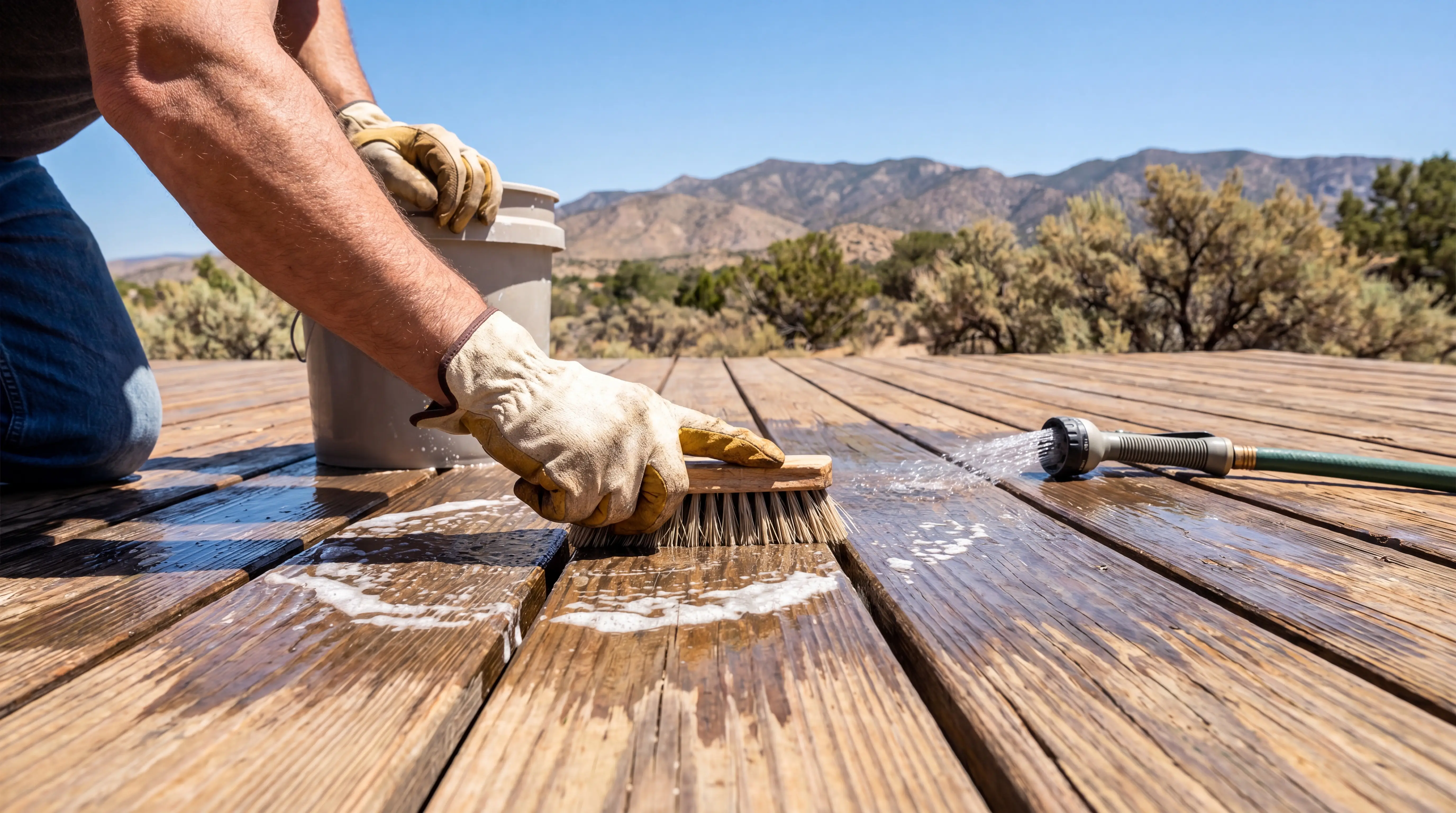
Wood offers the most traditional appearance, but Utah's dry air and strong UV exposure increase maintenance. Pressure-treated pine generally costs less than cedar, while cedar offers natural resistance to decay and insects. Either wood option needs periodic staining or sealing to limit fading, cracking, and moisture damage.
Aluminum requires little maintenance and resists rust, but its price depends on the thickness, finish, roof system, and engineering. Vinyl can reduce upkeep, although it offers fewer design options and may not provide the same visual weight as timber. For Utah projects, we also consider how the structure will handle snow, wind, freeze-thaw movement, and summer heat.
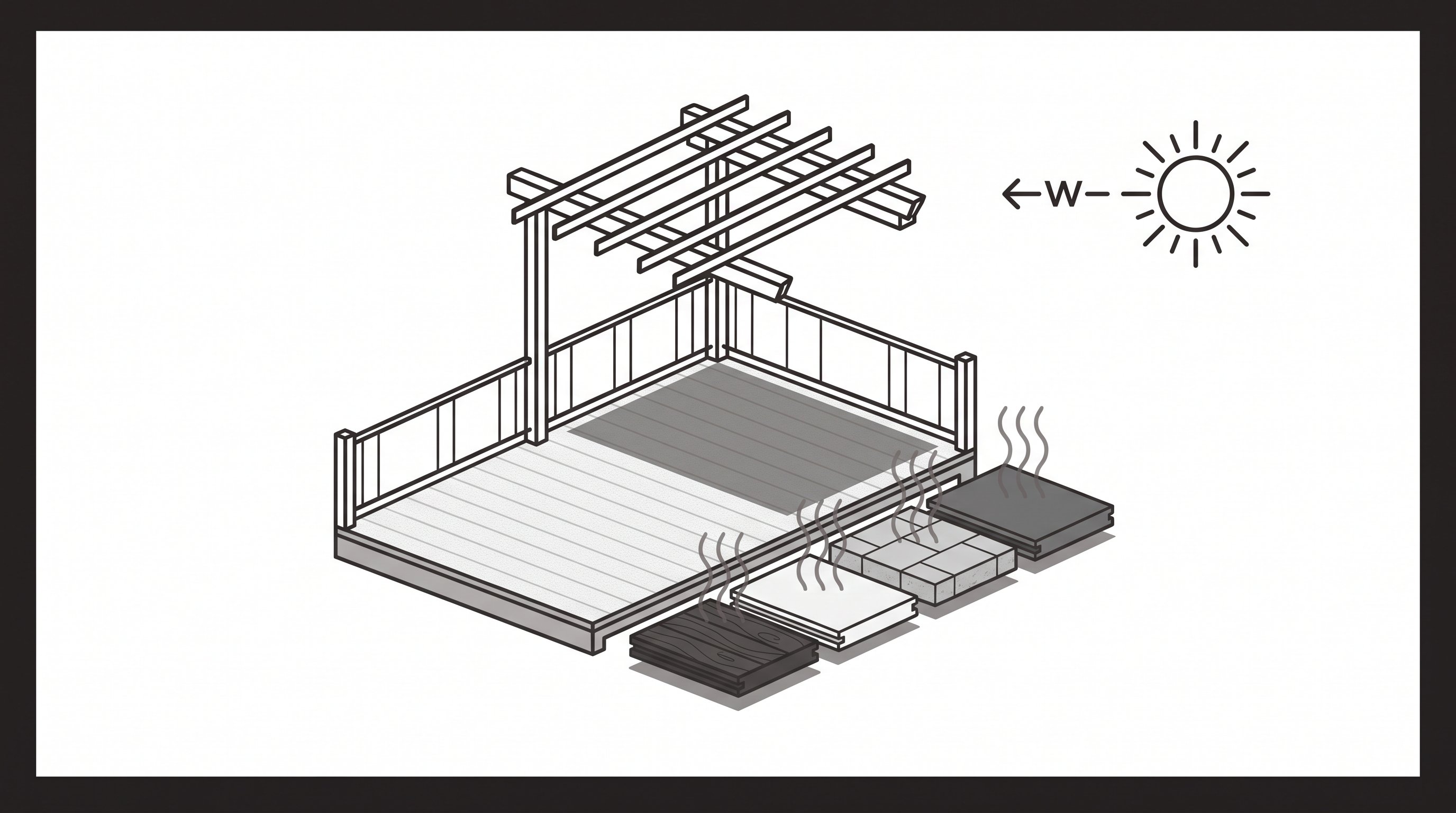
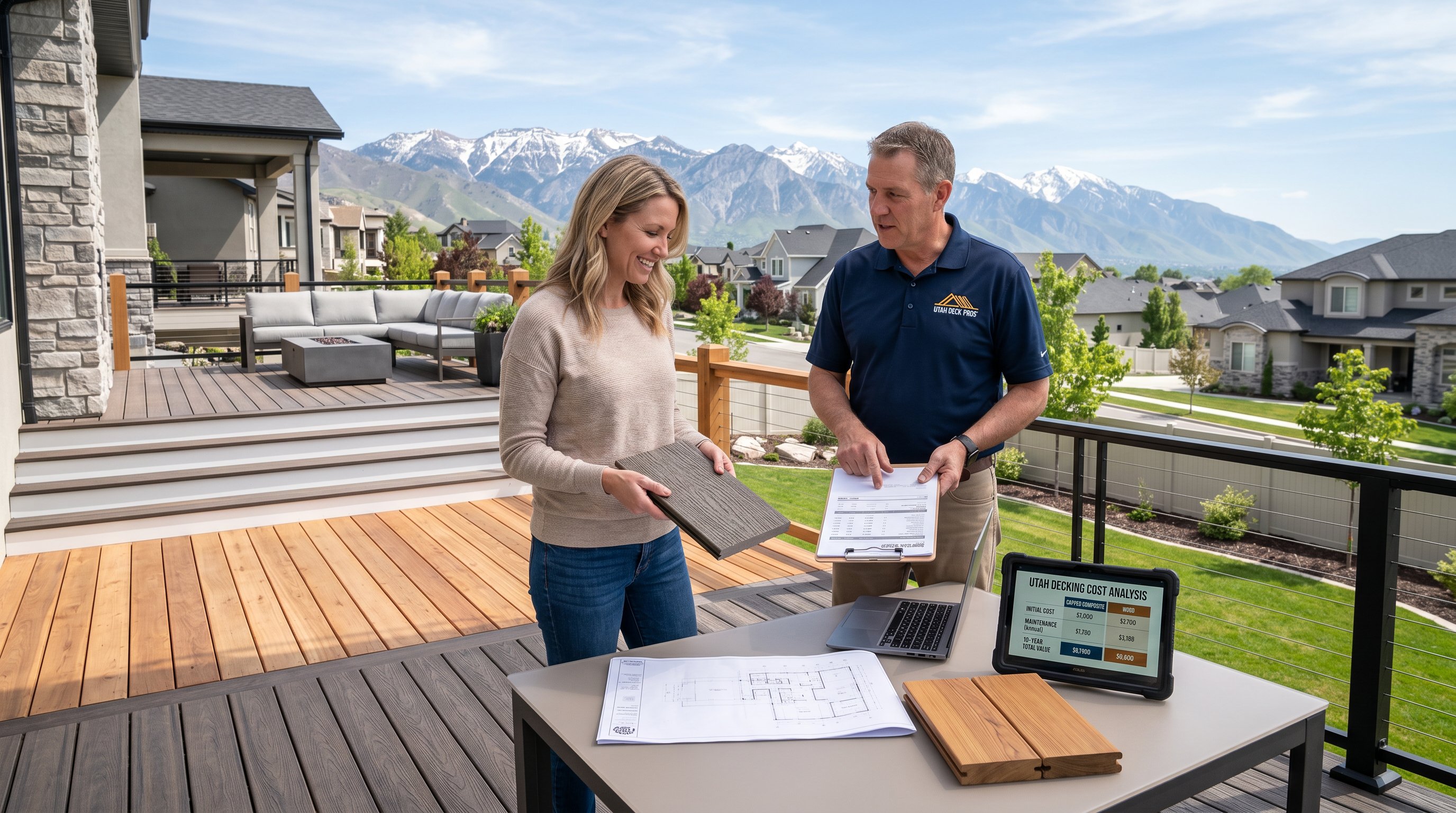
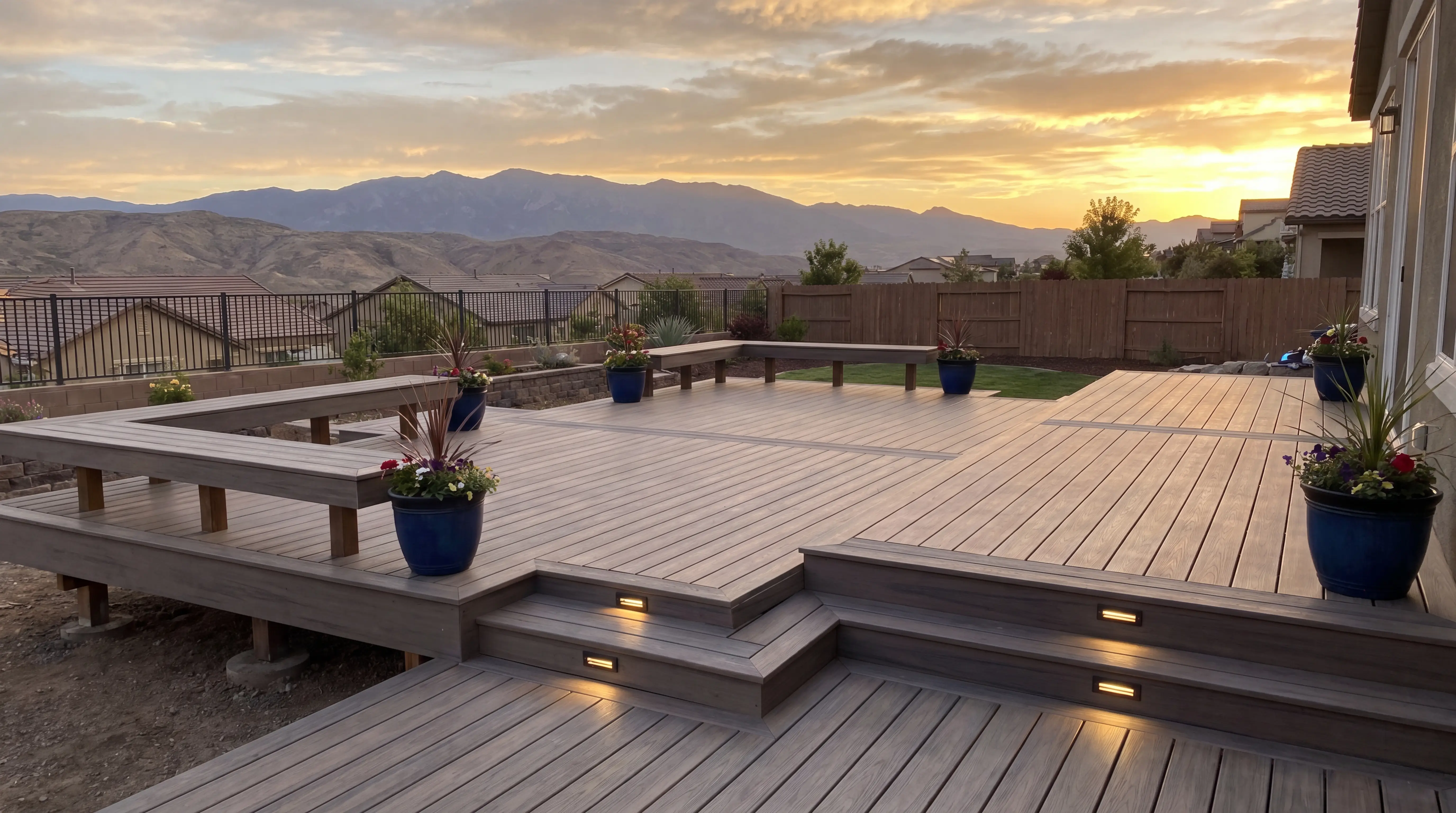
A custom timber or aluminum pergola has no single price per square foot. We price it according to the design, structural requirements, access, finish, and connection to the home. Homeowners comparing a pergola with a new deck should also account for the deck surface itself. For example, supplied estimates place new capped composite decking at about $65 to $95 or more per square foot and natural wood decking at roughly $45 to $65.
Size affects both material quantity and labor time. An 8-by-8 pergola works for compact seating, while a 10-by-10 structure can cover a small conversation area. A 12-by-14 or larger pergola gives an outdoor dining table or kitchen more usable shade, but it requires more posts, beams, concrete, and possibly stronger connections.
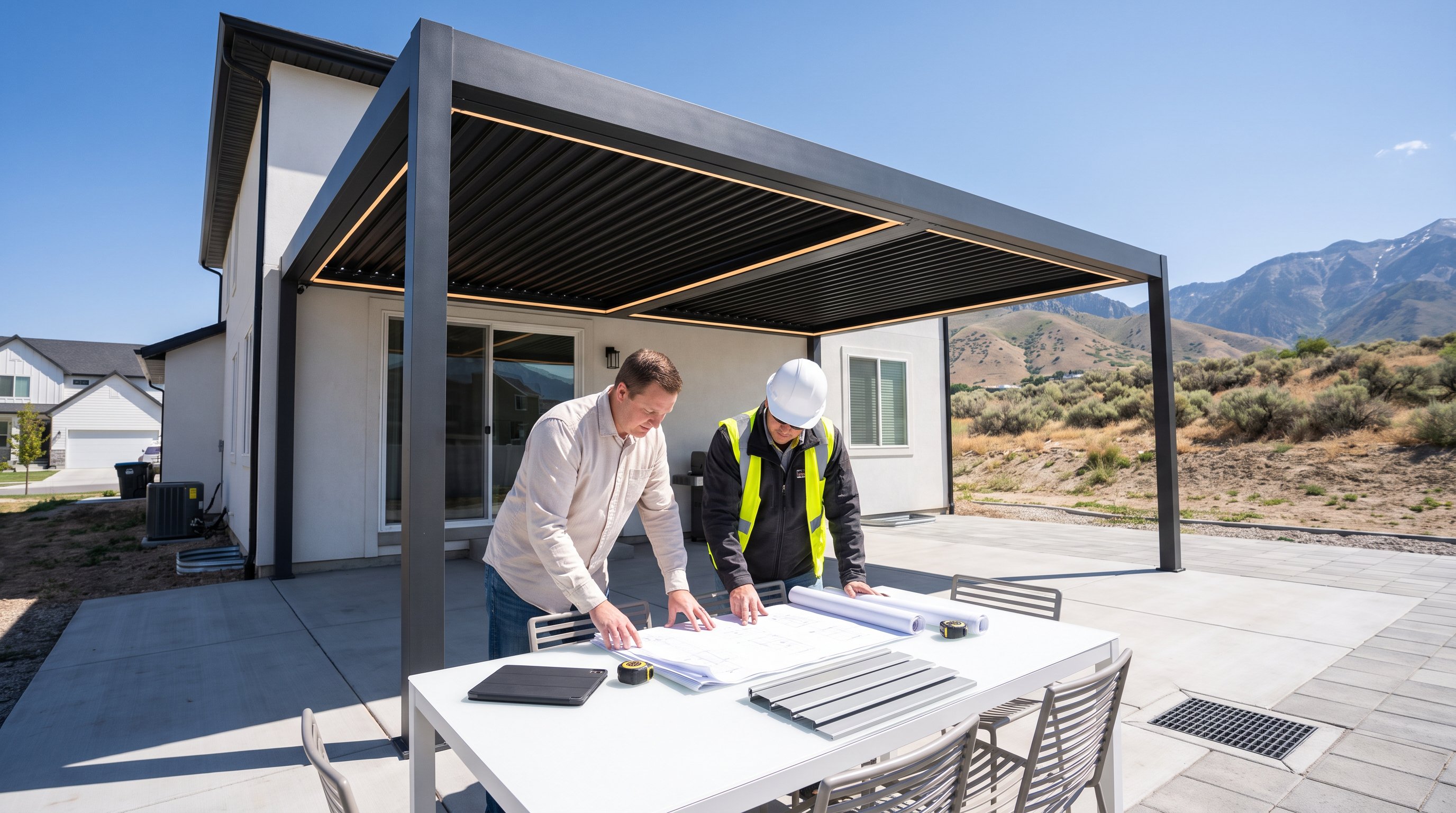
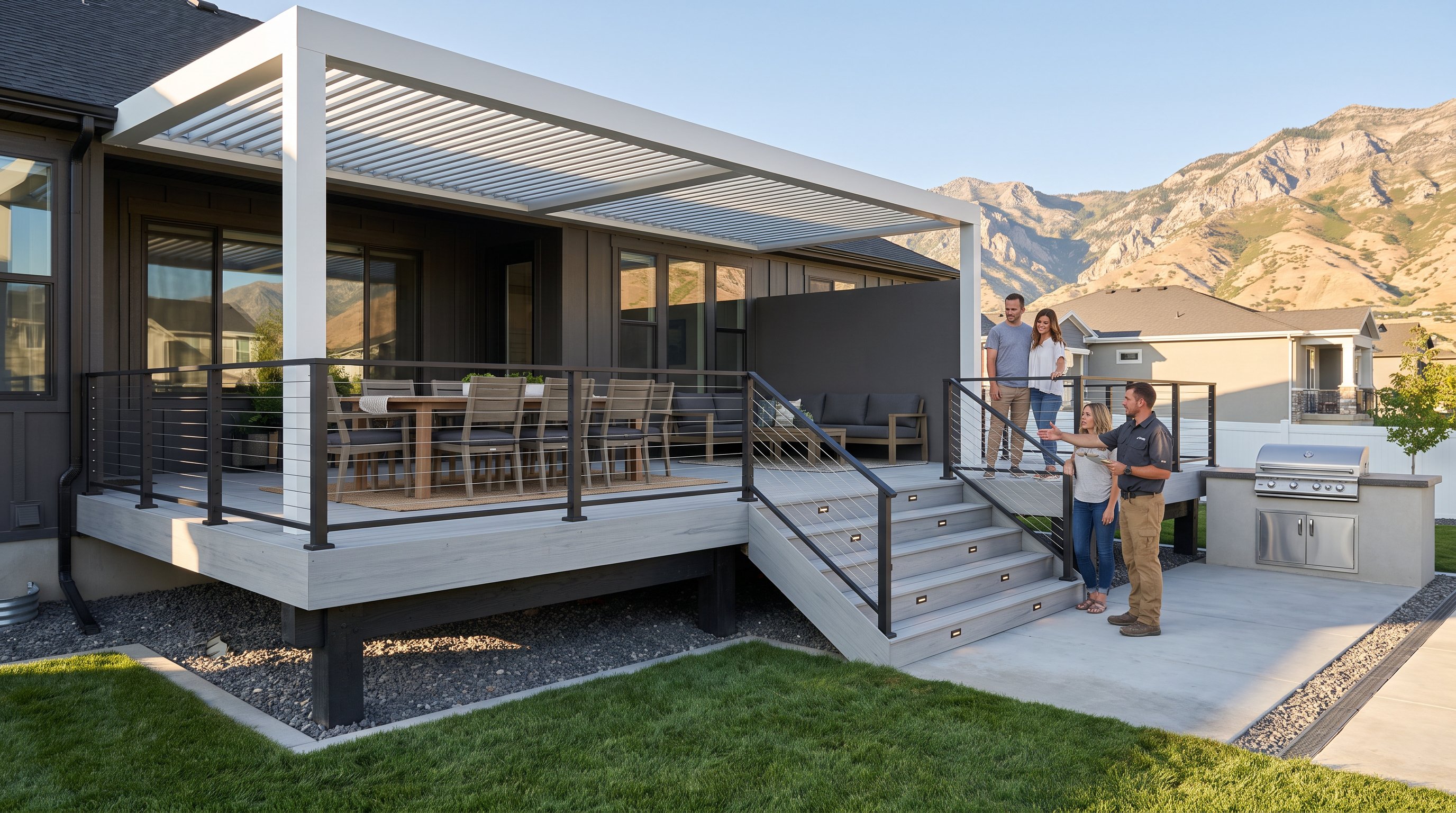
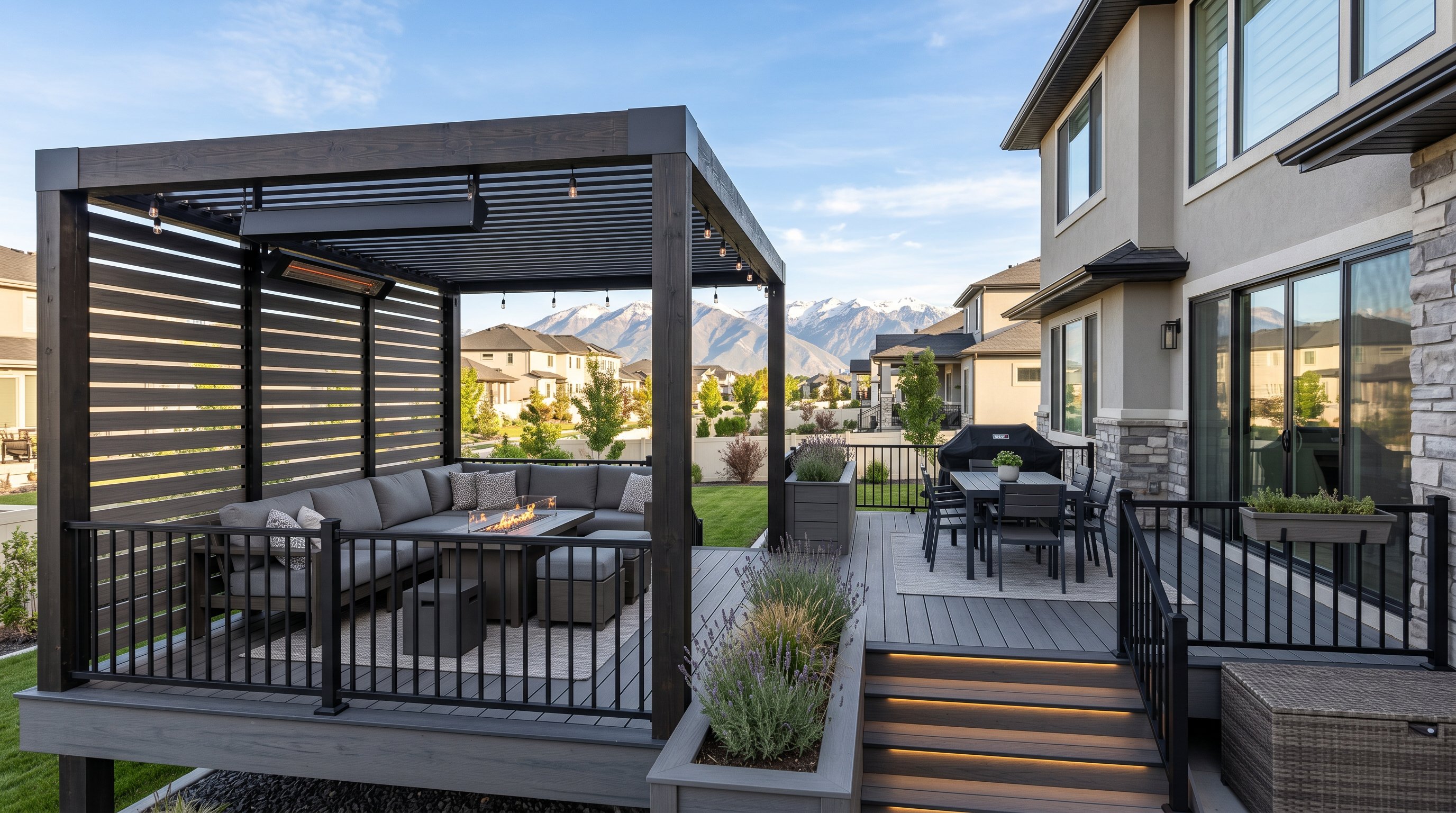
Attached pergolas can cost more than freestanding structures because the contractor must detail the connection to the house and coordinate flashing or other water-management measures. Curved beams, decorative lattice, privacy screens, motorized louvers, integrated LED lighting, and electrical wiring also increase the scope.
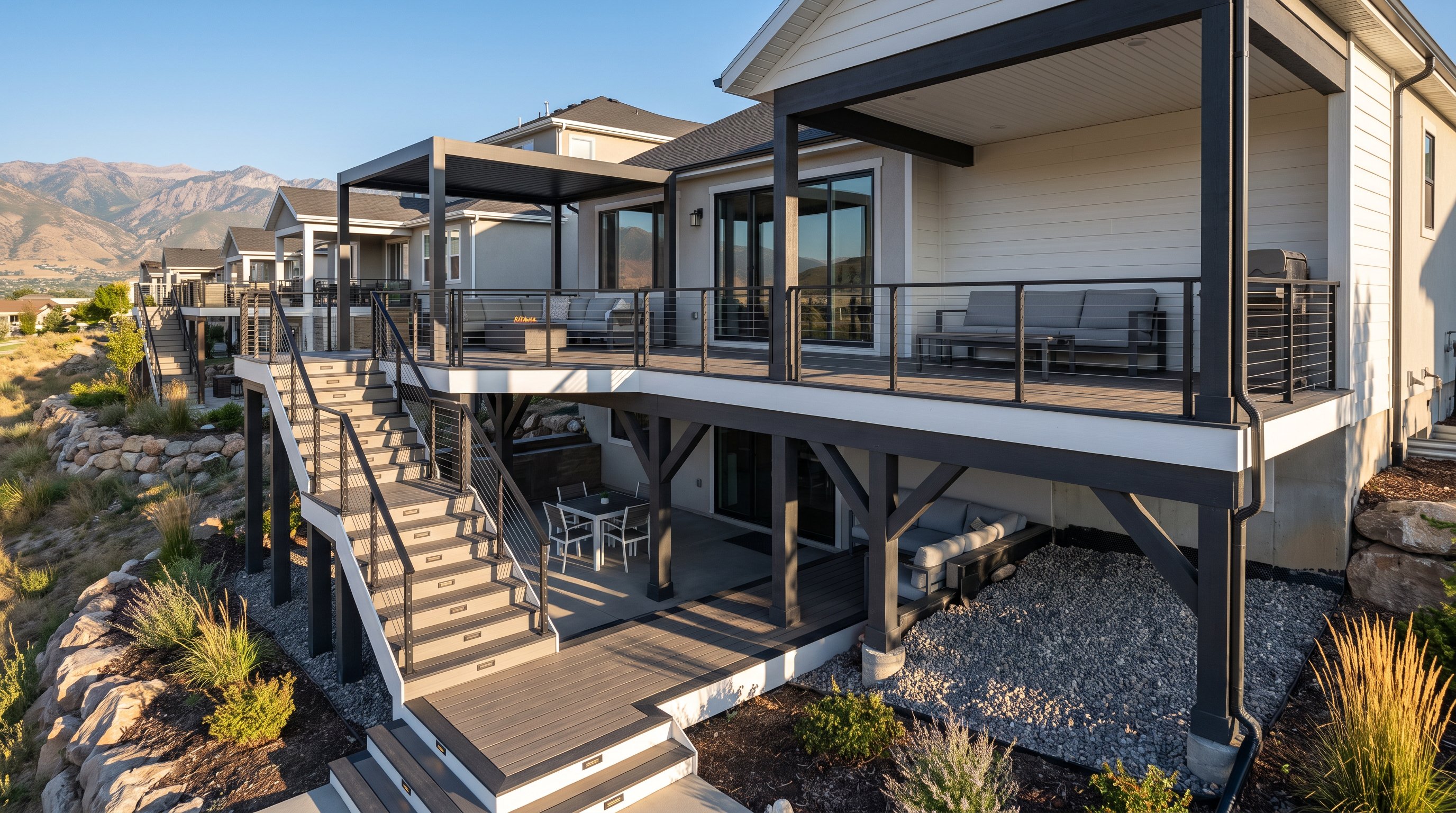
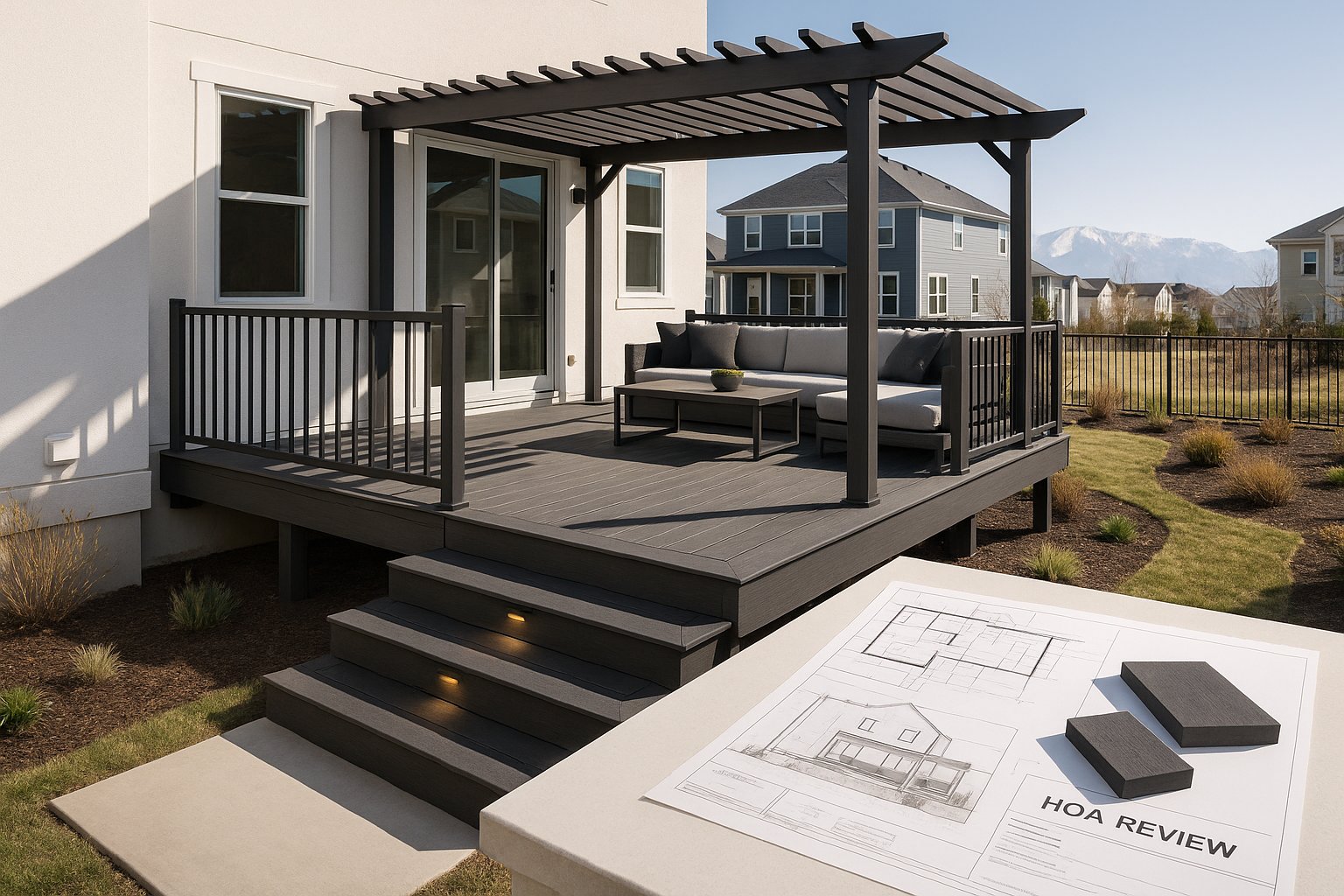
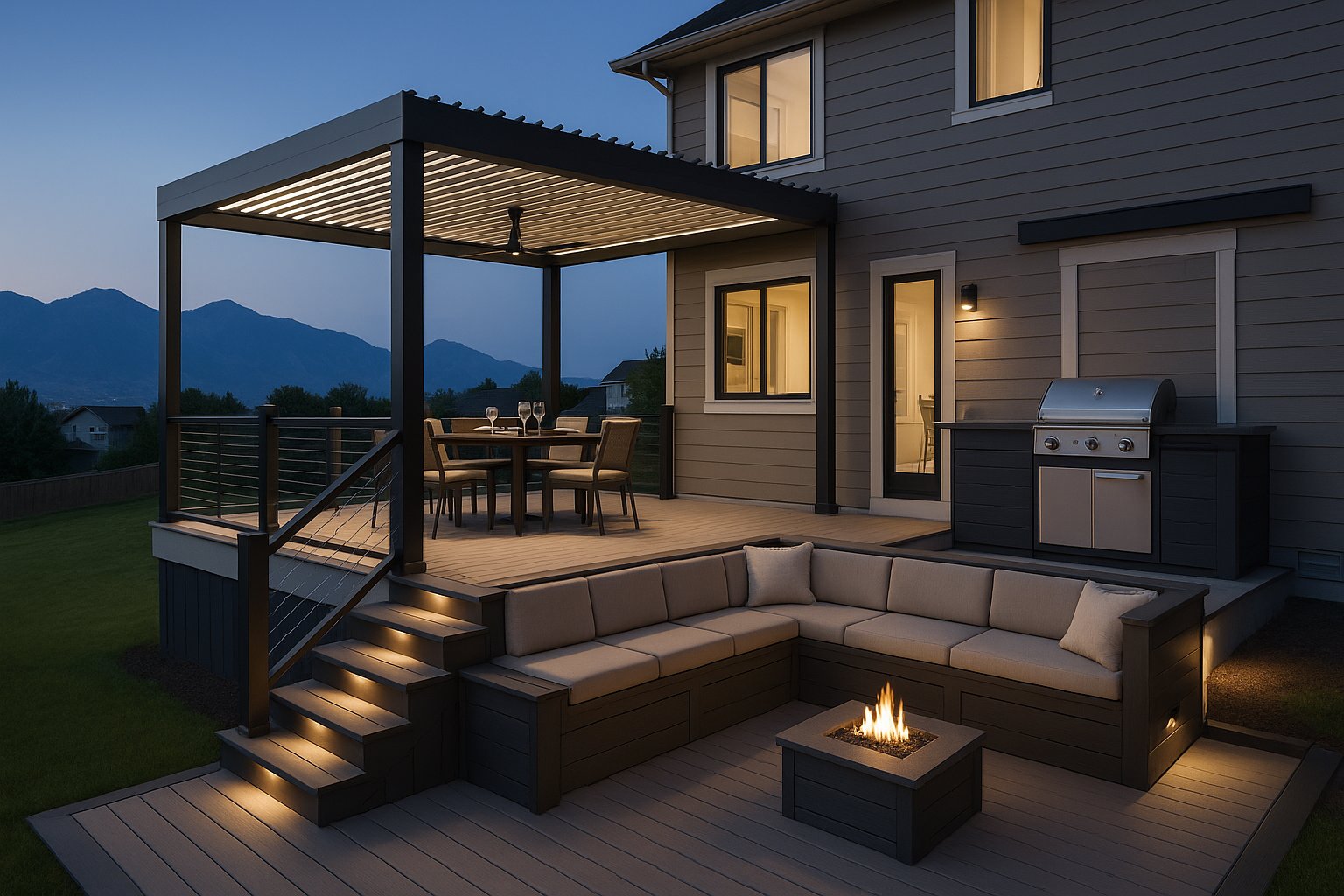
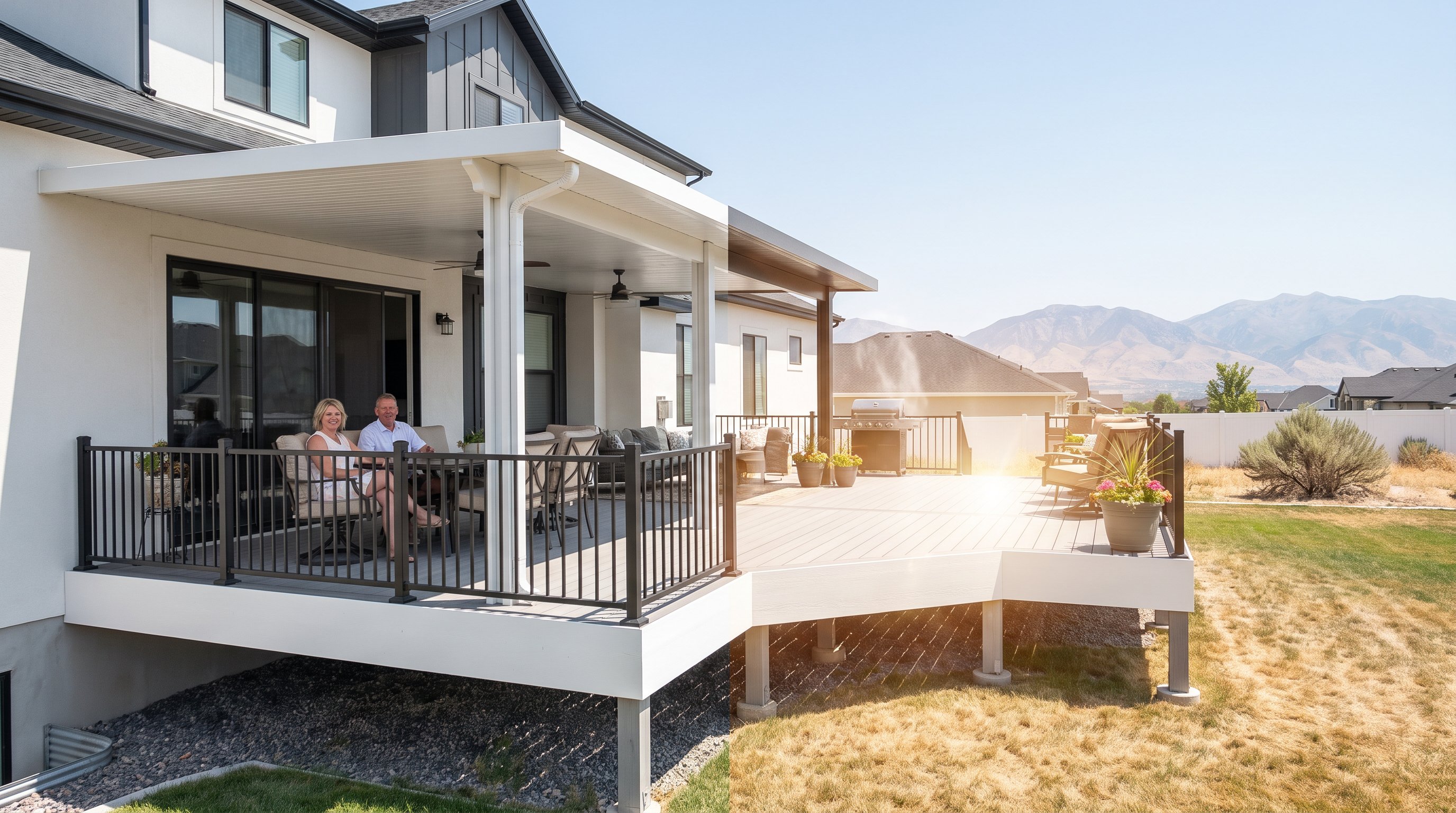
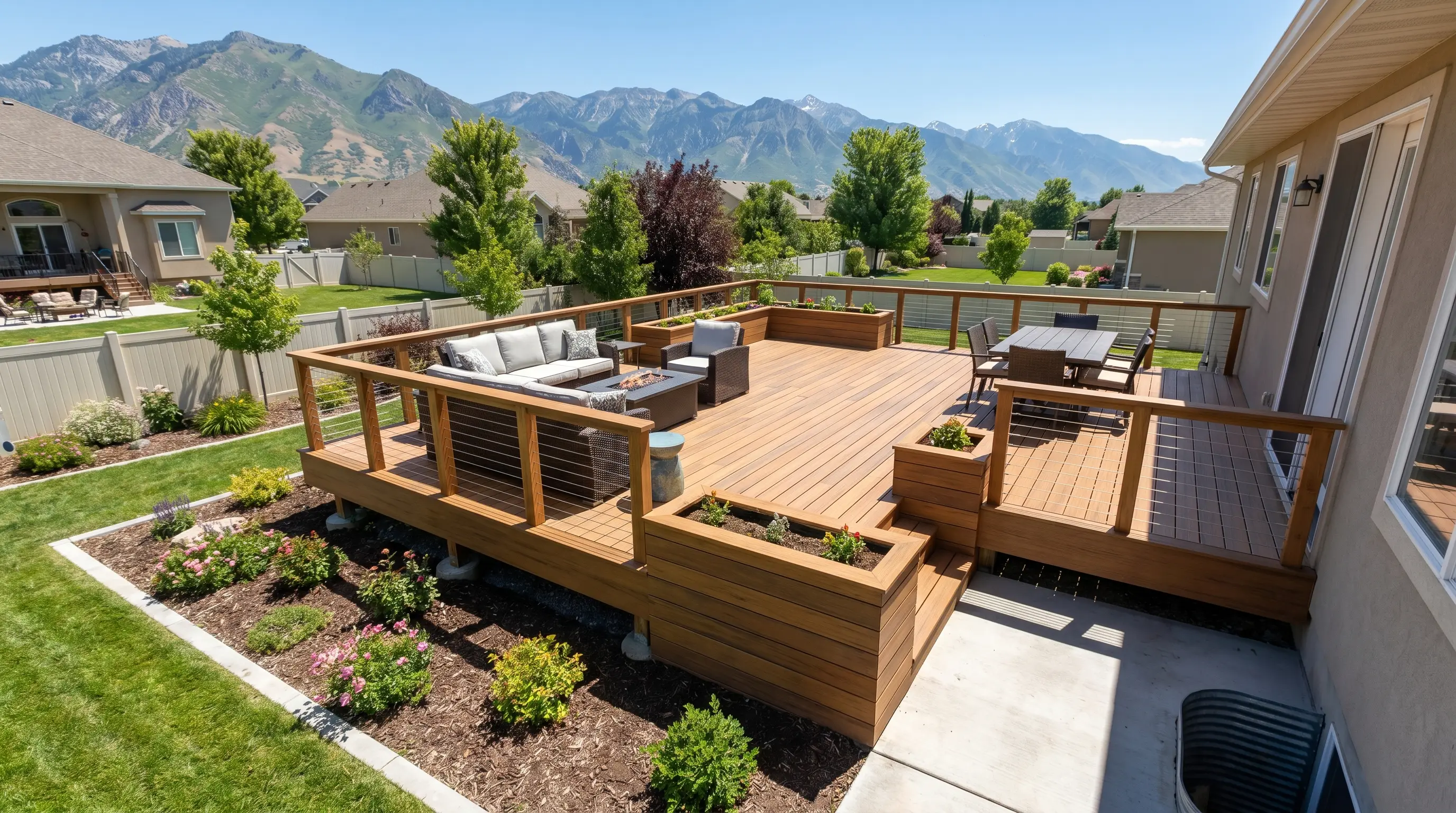
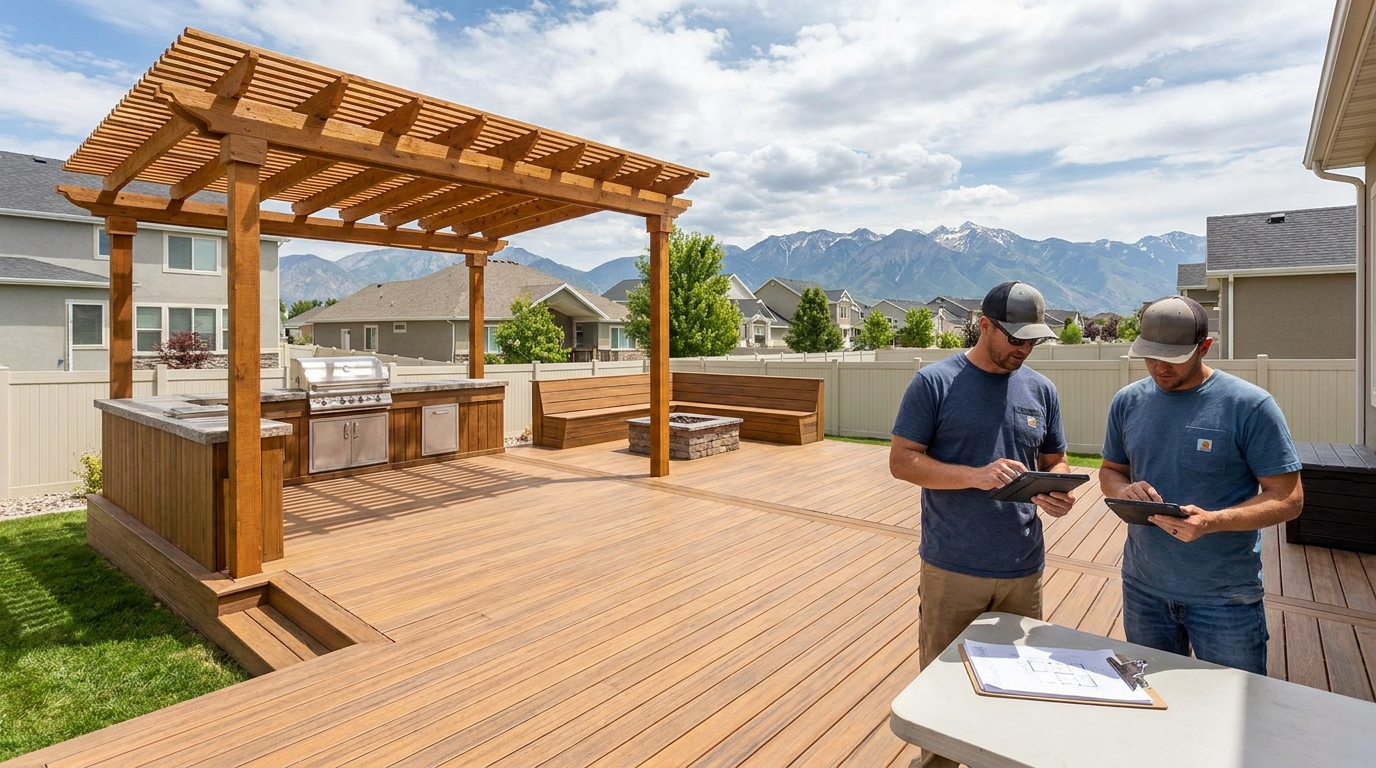
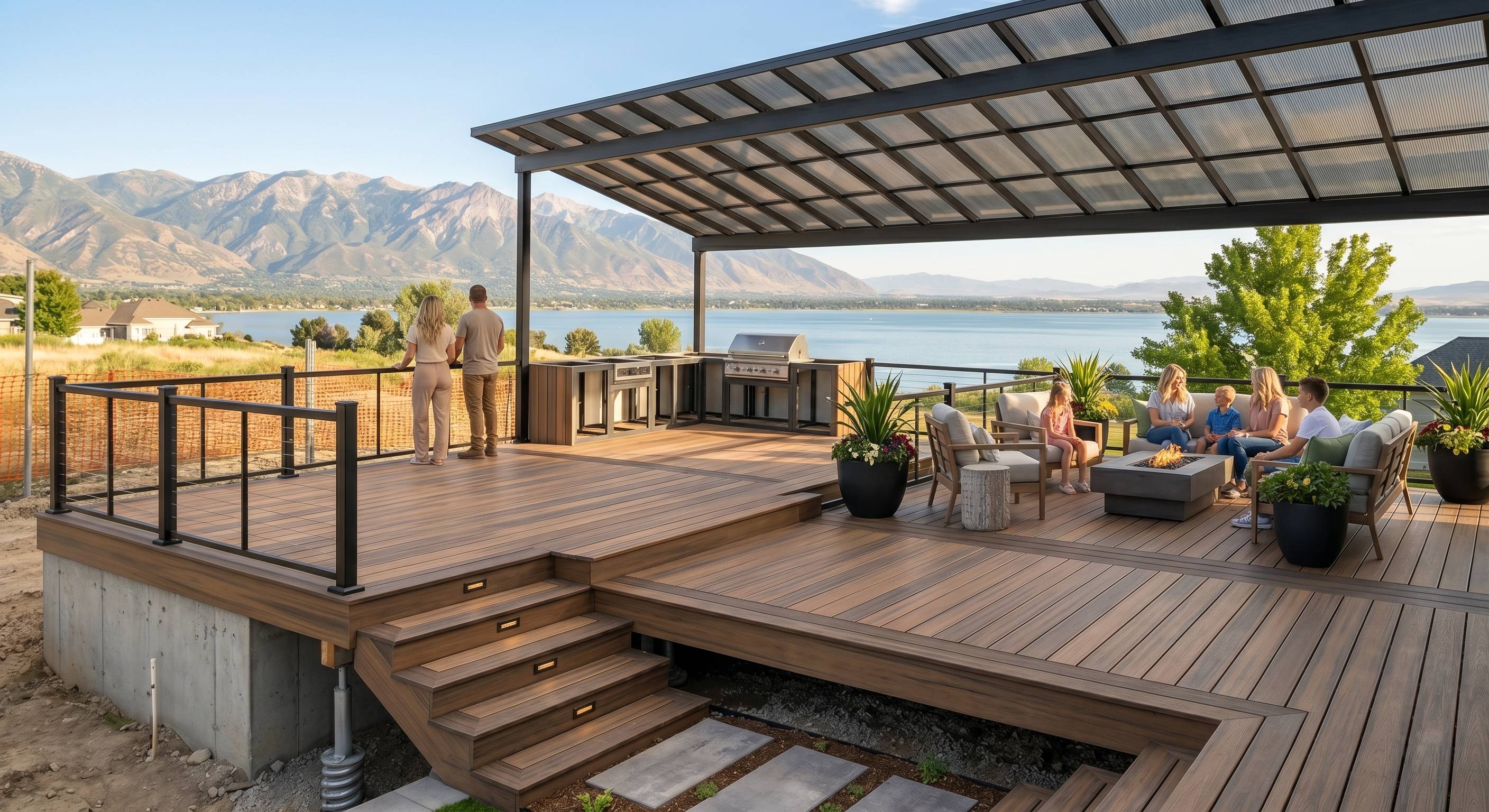
A pergola that forms part of a larger pergola build may share design and site work with a deck, which can make the overall project more efficient. The quote should still separate each feature so you know exactly what the pergola cost includes.
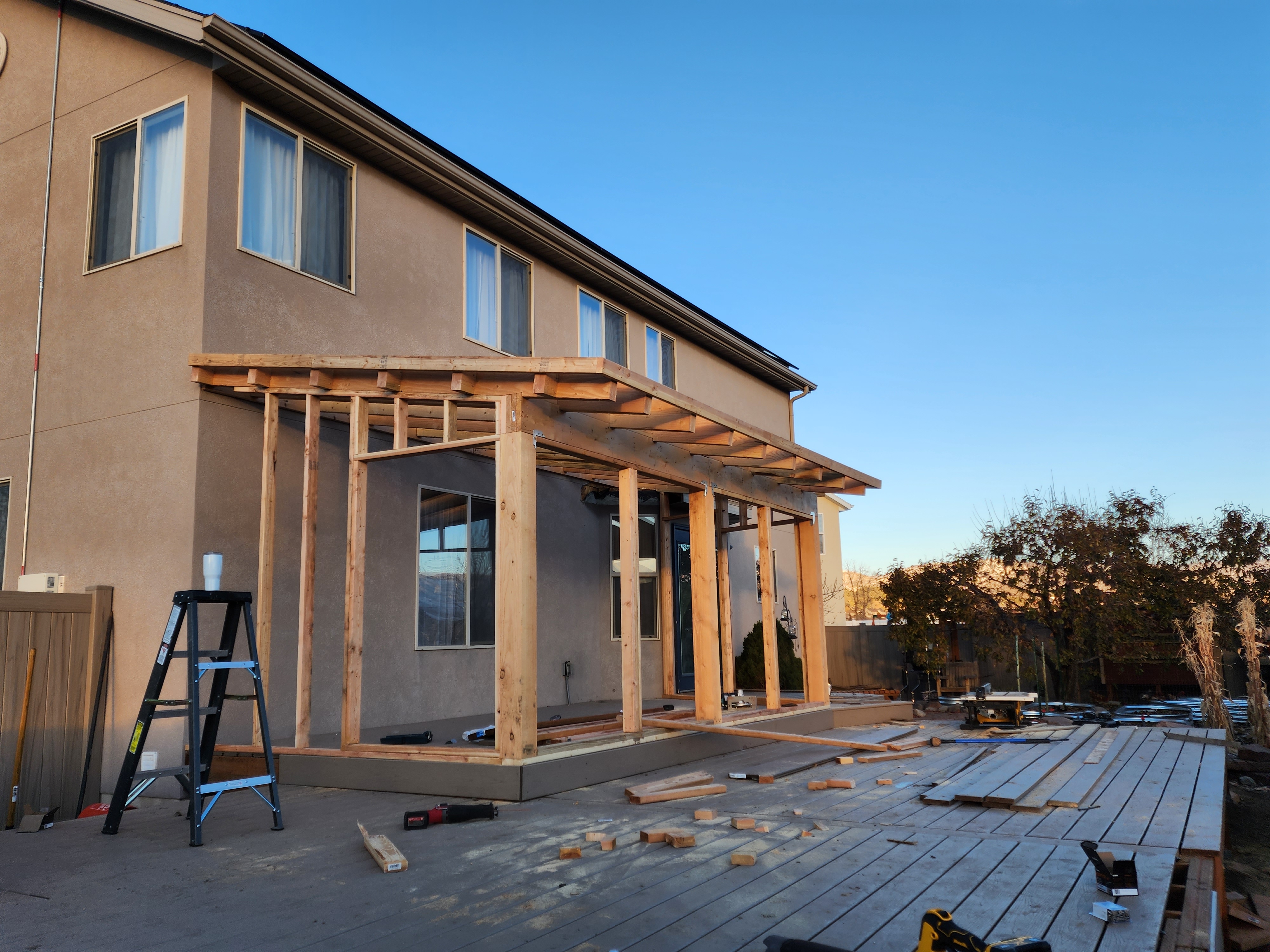
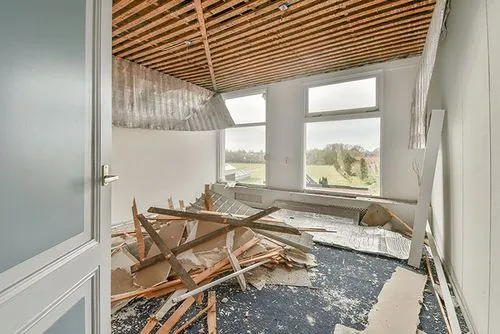
Labor and site preparation can change the pergola installation cost as much as the materials. A level, open yard allows faster footing excavation and material handling. Sloped ground, poor access, existing concrete, landscaping, utility conflicts, or an old structure that must be removed adds time and equipment.
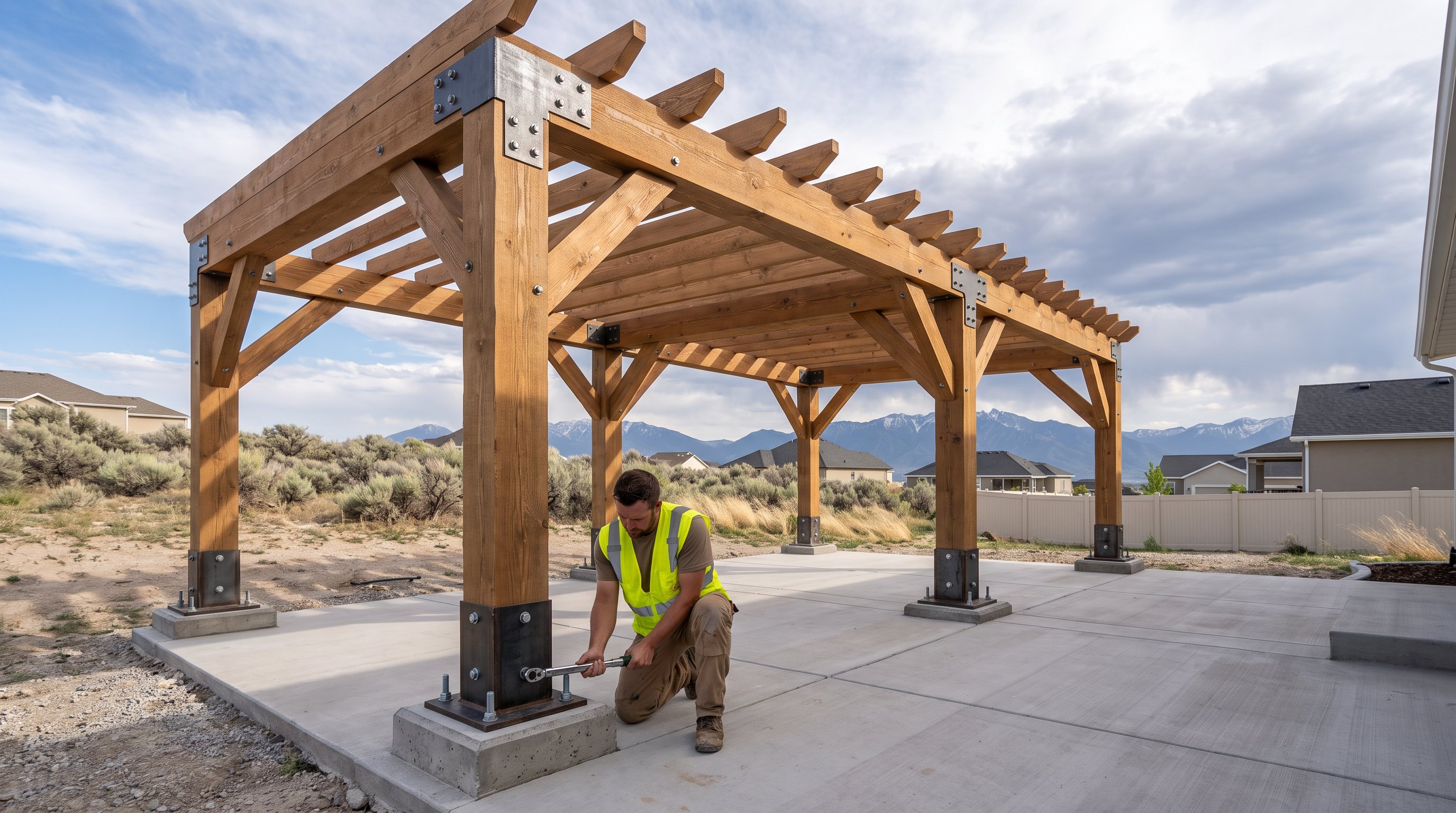
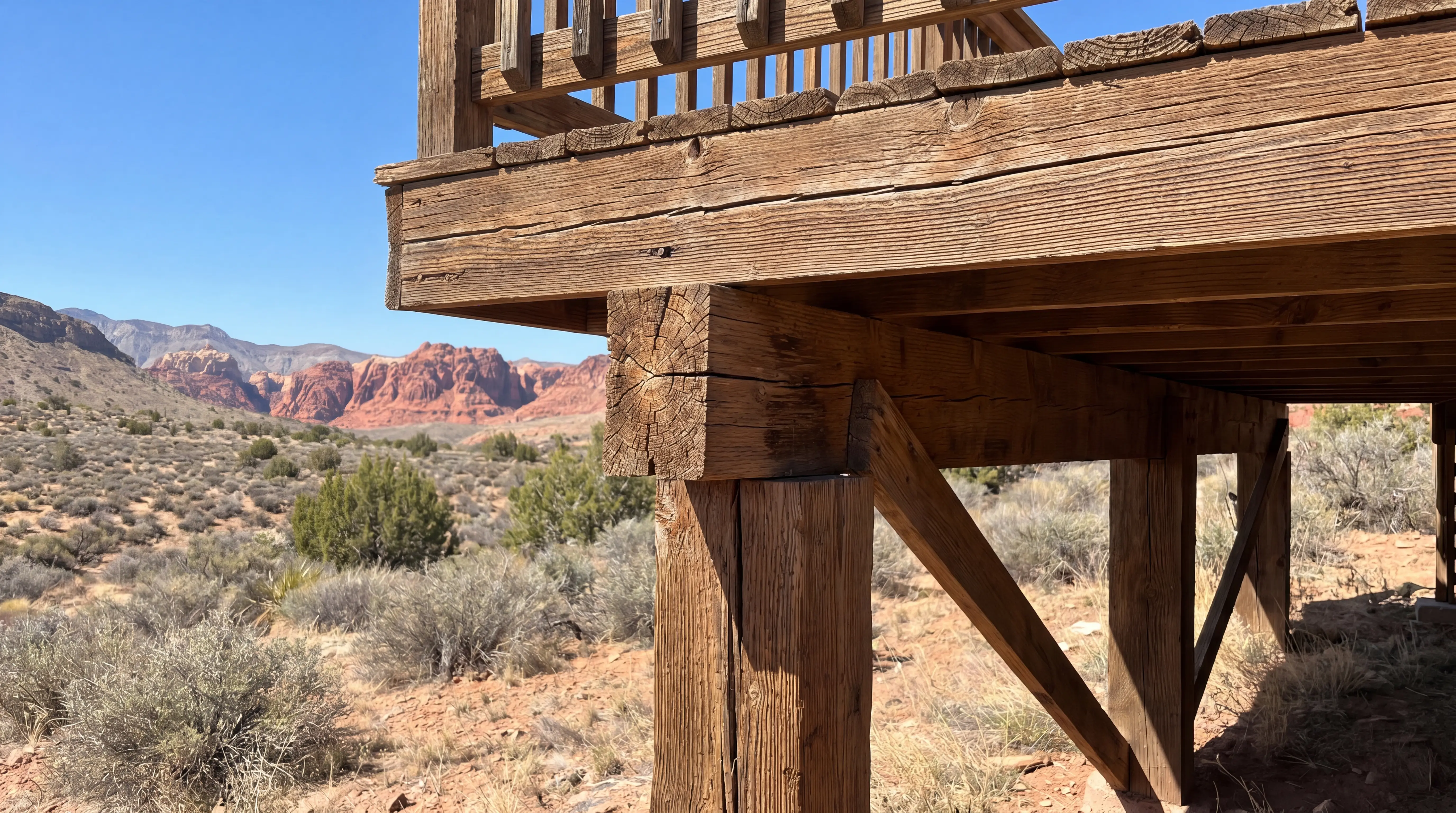
Utah footings must account for freeze-thaw movement. Shallow concrete can heave as soil freezes and shifts, leaving posts out of level. The required depth depends on the project and local requirements, so the contractor should confirm the footing design instead of using a generic kit instruction.
The structure may also need heavier posts, beams, connectors, or hardware when it must carry local snow loads or resist strong wind. These are safety and durability costs, not optional decoration. A project that looks inexpensive on paper can become more expensive if the initial estimate ignores excavation, concrete, hauling, inspection, or difficult access.
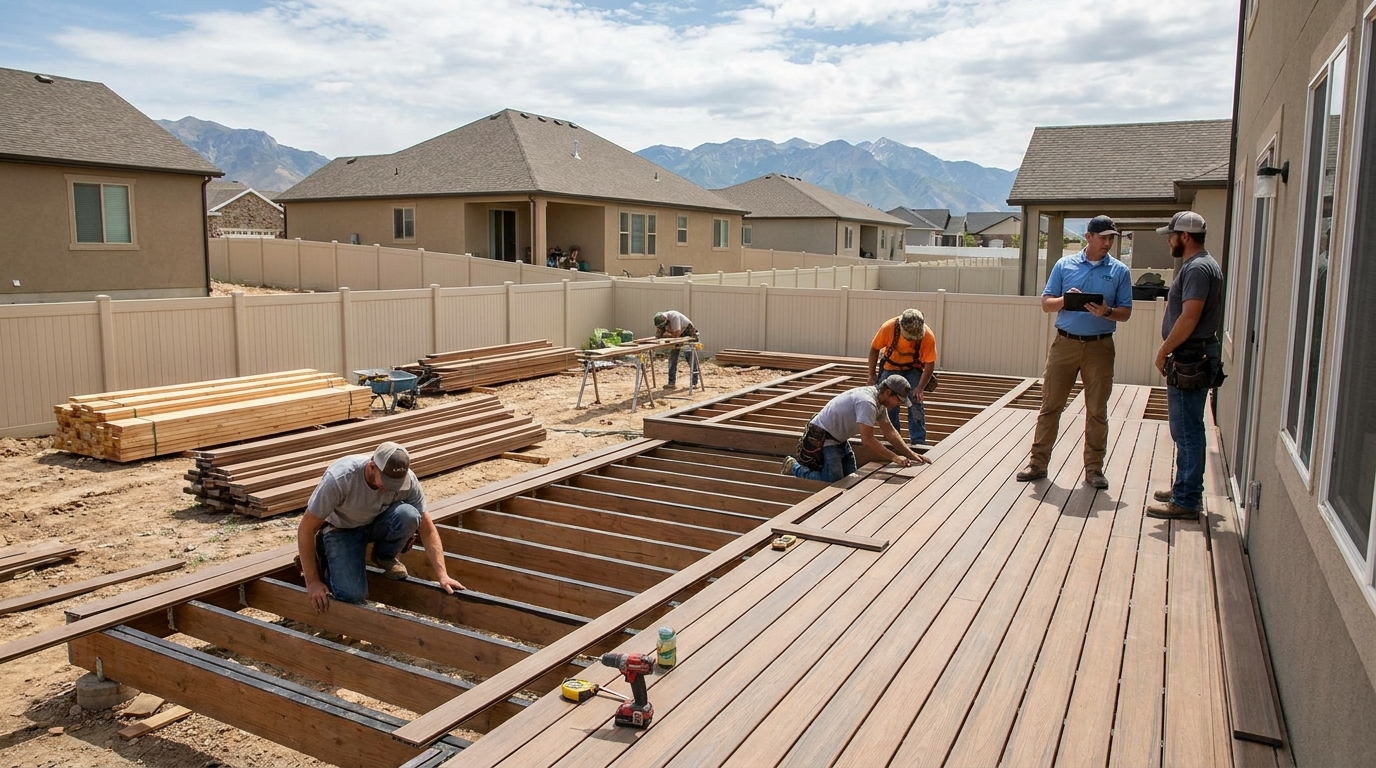
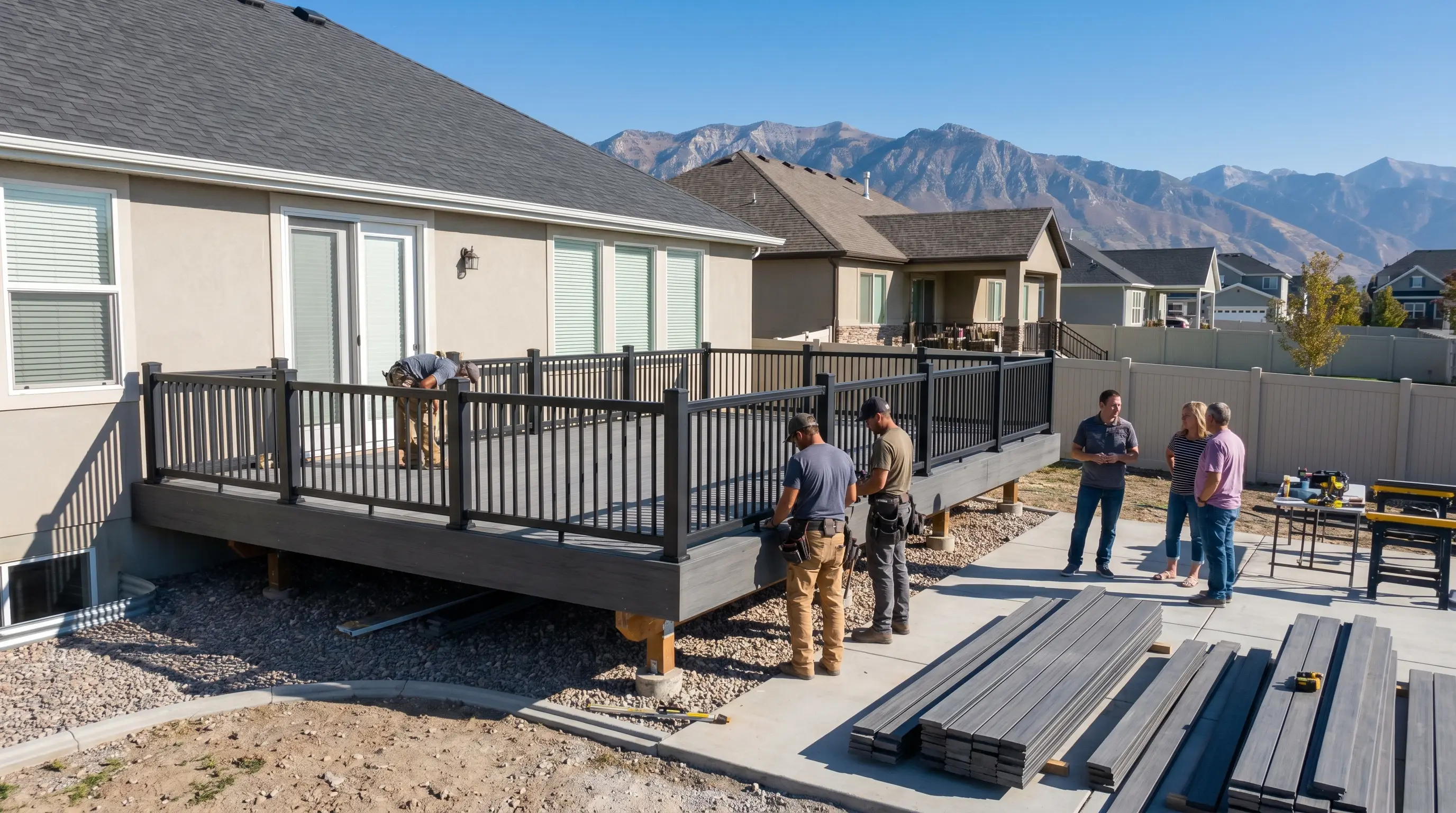
Standard deck projects often take two to six weeks from footing excavation to final walkthrough, depending on permitting and weather. A pergola-only project may take less time, but the schedule still depends on inspections, material availability, ground conditions, and the design's complexity.
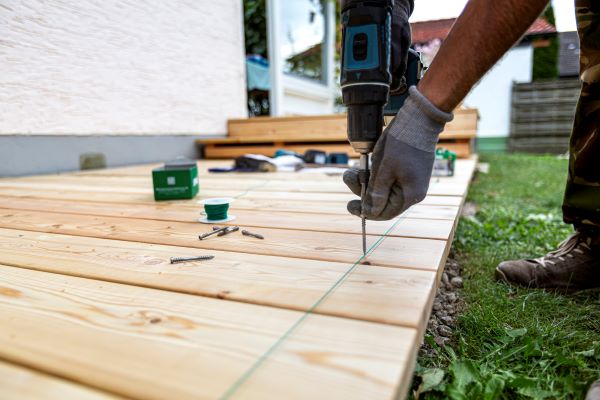
A DIY kit can cost about $1,000 to $5,000, depending on size and material, before you account for tools, delivery, footings, permits, and hired help. Kits simplify cutting and drilling, but they don't remove the need for accurate layout, level footings, safe lifting, and correct assembly.
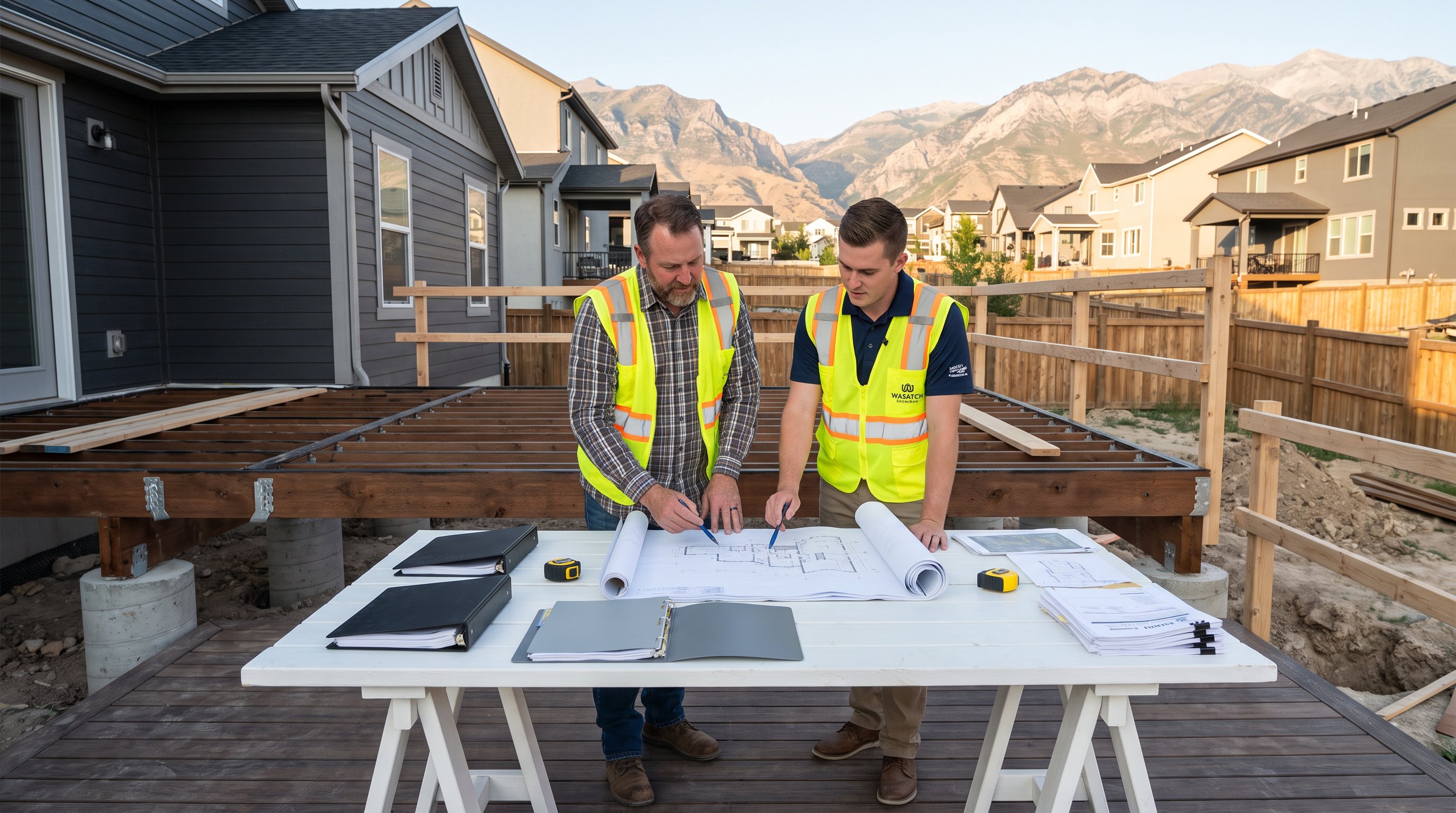
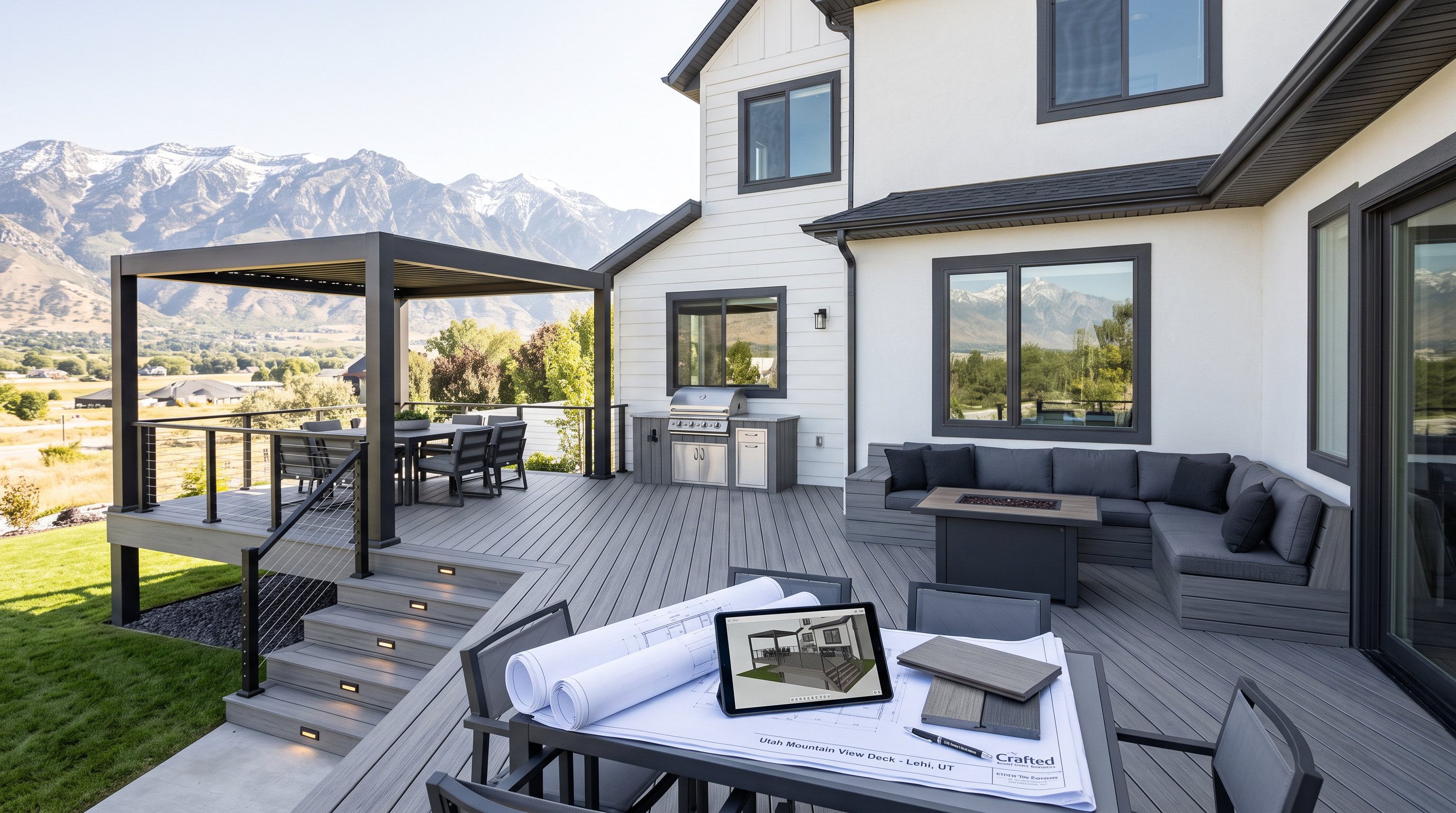
Professional installation costs more upfront but includes construction experience and responsibility for the structural assembly. We provide free in-home estimates and 3D design mockups so homeowners can review the proposed structure before construction begins. For a custom structure connected to a deck or home, that planning can prevent expensive changes later.
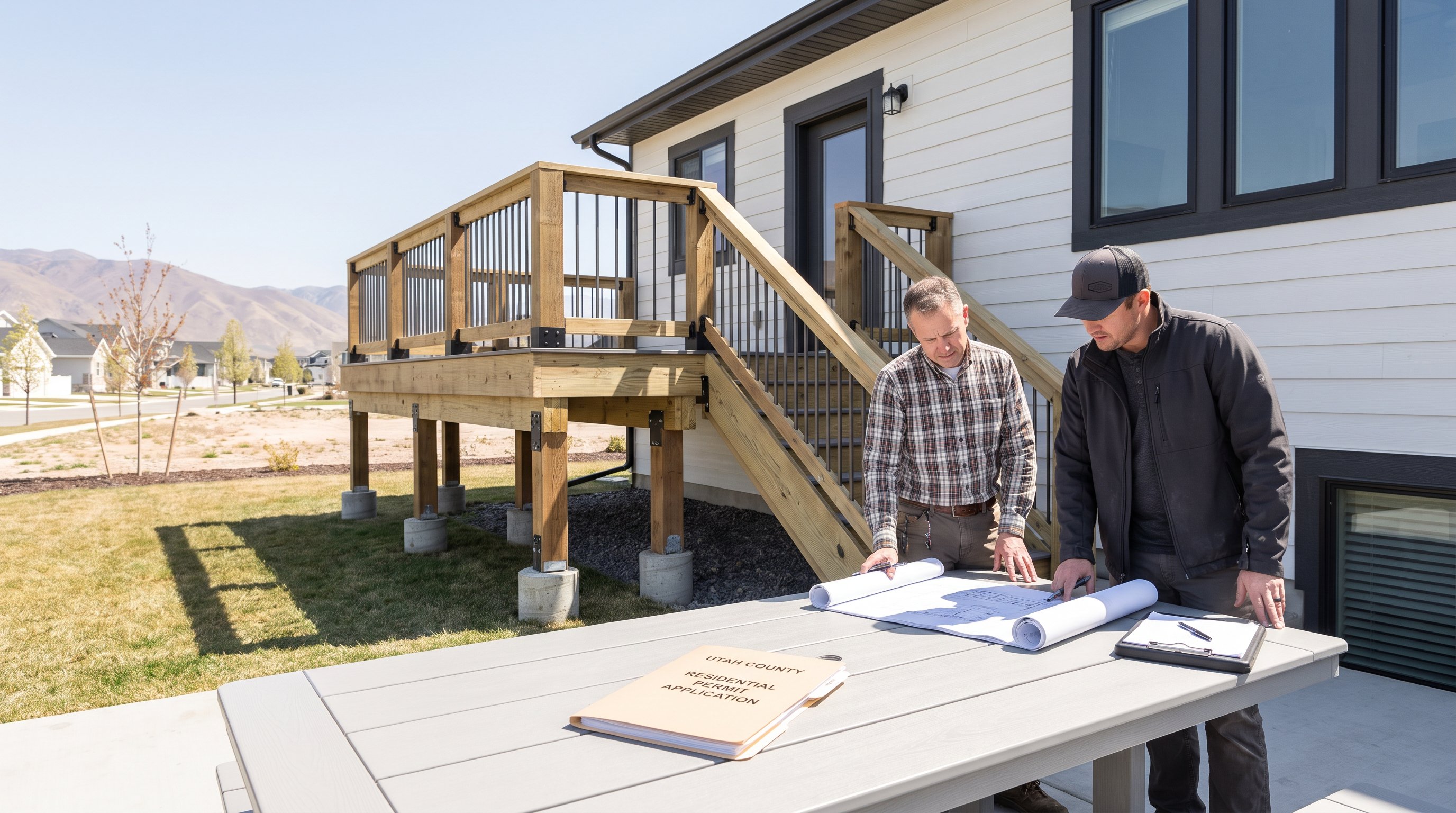
Utah homeowners should confirm permit and HOA requirements before construction, because rules vary by city and project conditions. An attached pergola, a taller structure, electrical wiring, or a structure above a city's size threshold may require approval. HOA design rules can add another review layer even when a city permit is not required.
Permit fees are estimates that commonly range from $50 to $500 based on location and project scope: the amount should be confirmed with the city handling your permit. Rules change, so we do not treat one city's requirement as a statewide rule. Your contractor may also need to submit drawings or structural information, particularly for an attached structure or a project with significant snow-load demands.
Utah's climate creates several local cost factors. Intense sun favors finishes and materials that resist UV damage. Heavy winter snow requires sound framing and connections. Freeze-thaw cycles make footing depth and drainage important. A sloped yard may require additional excavation, retaining work, or revised post heights.
HOA approval can affect both schedule and design. Some associations regulate setbacks, colors, roof visibility, attachment points, and screening. We can coordinate permit documents and structural plans when the project requires that review. A pergola remodel may also need inspection or approval if the work changes the structure rather than simply replacing cosmetic elements.
Set your budget from the complete scope, not from the price of the posts and beams alone. Start with the footprint and purpose: shade for two chairs costs less than shade for an outdoor kitchen, dining table, or hot tub. Then decide whether the pergola will stand alone, attach to the house, or become part of a new deck.
Request an itemized estimate that lists materials, footings, labor, delivery, permits, electrical work, grading, demolition, finish work, and cleanup. Ask whether the price includes engineering or structural drawings when those documents may be required. Also ask how the contractor handles changes caused by underground conditions or an inspection.
Choose materials with long-term maintenance in mind. Lower upfront wood costs may lead to recurring sealing and repair work, while aluminum or other low-maintenance options may cost more at installation. For a deck-and-pergola project, capped composite decking can reduce splintering, warping, and fading concerns in Utah's sun, although the deck surface carries its own cost.
A practical next step is to request a free quote with your preferred size, location, shade goal, and material choice. See how we design and build them on our pergola builds page, or call us at 435-660-1944 to discuss the right starting point. If you're weighing resale value, read Do Pergolas Add Appraisal Value in Utah?
A professionally installed pergola in 2026 generally costs between $2,100 and $6,400, depending on size, materials, and design complexity. Basic DIY kits start around $1,000, while large custom or motorized pergolas can exceed $15,000.
Pergola cost is largely affected by material choice (wood, aluminum, vinyl), size, design complexity, site preparation, and local climate requirements like snow loads and footing depth, especially in Utah.
Professional installation ensures structural safety, correct footing, and compliance with permits. It also reduces risks of costly errors and provides design expertise, though DIY kits cost less upfront, they may lack these benefits.
Utah’s extreme weather and freeze-thaw cycles require deeper footings, snow-load engineering, and UV-resistant materials, which add to construction and material costs. Local permits and HOA approvals may also increase expenses.
Wood pergolas offer a classic look but need regular sealing or staining in Utah's sun. Aluminum resists rust and needs less upkeep, but usually costs more upfront. Both vary widely with size, roof style, and footing requirements, so compare itemized quotes rather than a per-square-foot number.
Yes, features such as integrated LED lighting or motorized louver roofs increase labor and material costs. Motorized systems especially can raise total costs from around $15,000 up to $50,000 due to specialized components and electrical work.

.avif)
.avif)












.png)



.webp)