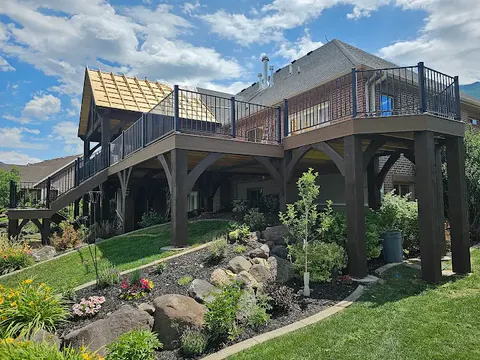
A pergola can turn a hot, underused backyard into one of the most enjoyable spaces on a Utah property. But when homeowners in Salt Lake County or Utah County ask whether pergolas add appraisal value, the honest answer is: sometimes. Appraisers don't assign a guaranteed dollar amount simply because a pergola exists. They consider its permanence, construction quality, condition, permits, and usefulness within the broader outdoor living area. We'll explain what makes a pergola count as a meaningful property improvement, and how to build one that supports both everyday enjoyment and future resale appeal.
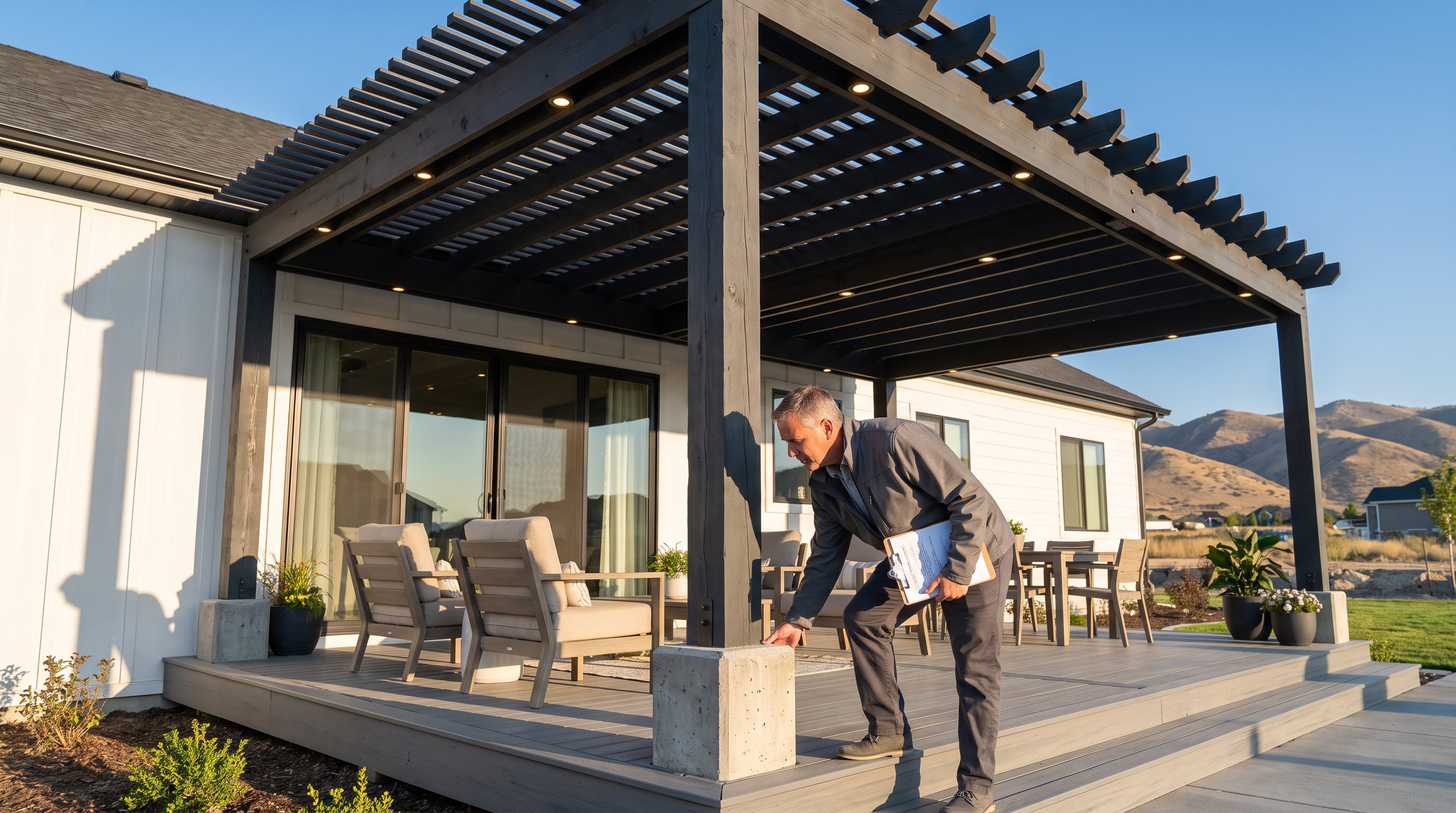
Outdoor improvements are usually evaluated differently from interior rooms. A pergola generally isn't counted as finished living-area square footage, especially if it has an open roof and no walls. Instead, it may be considered a site improvement or an accessory feature that contributes to the property's overall appeal, functionality, and marketability.
The appraiser will compare the home with similar properties nearby. If well-designed outdoor living spaces are common in the neighborhood, a quality pergola may help the home compete. If it looks oversized, unfinished, or out of place, it may receive little credit. The improvement still matters, but its influence may appear indirectly through the home's condition and buyer appeal rather than as a separate line-item value.
In Utah, climate is part of the equation. Shade is especially useful during Wasatch Front summers, while structural design must account for winter snow, wind, and freeze-thaw movement. A pergola that is attractive but poorly engineered won't impress an appraiser, or protect the homeowner's investment.
A pergola is more likely to be treated as a permanent improvement when it is anchored to properly designed footings, built from durable materials, and constructed in compliance with local requirements. Attached structures may carry additional weight because they connect directly to the home, although attachment also increases permitting and engineering considerations.
Permits, plans, inspection records, invoices, and warranty information give an appraiser evidence that the structure is a legitimate improvement rather than a temporary kit. Integrated electrical work, lighting, motorized louvers, finished decking, and a connected patio can further demonstrate that the pergola functions as part of a complete outdoor room.
That distinction matters. A freestanding canopy sitting on movable blocks may be viewed much like patio furniture. A permitted, anchored structure with thoughtful drainage and permanent finishes is easier to recognize as part of the property.
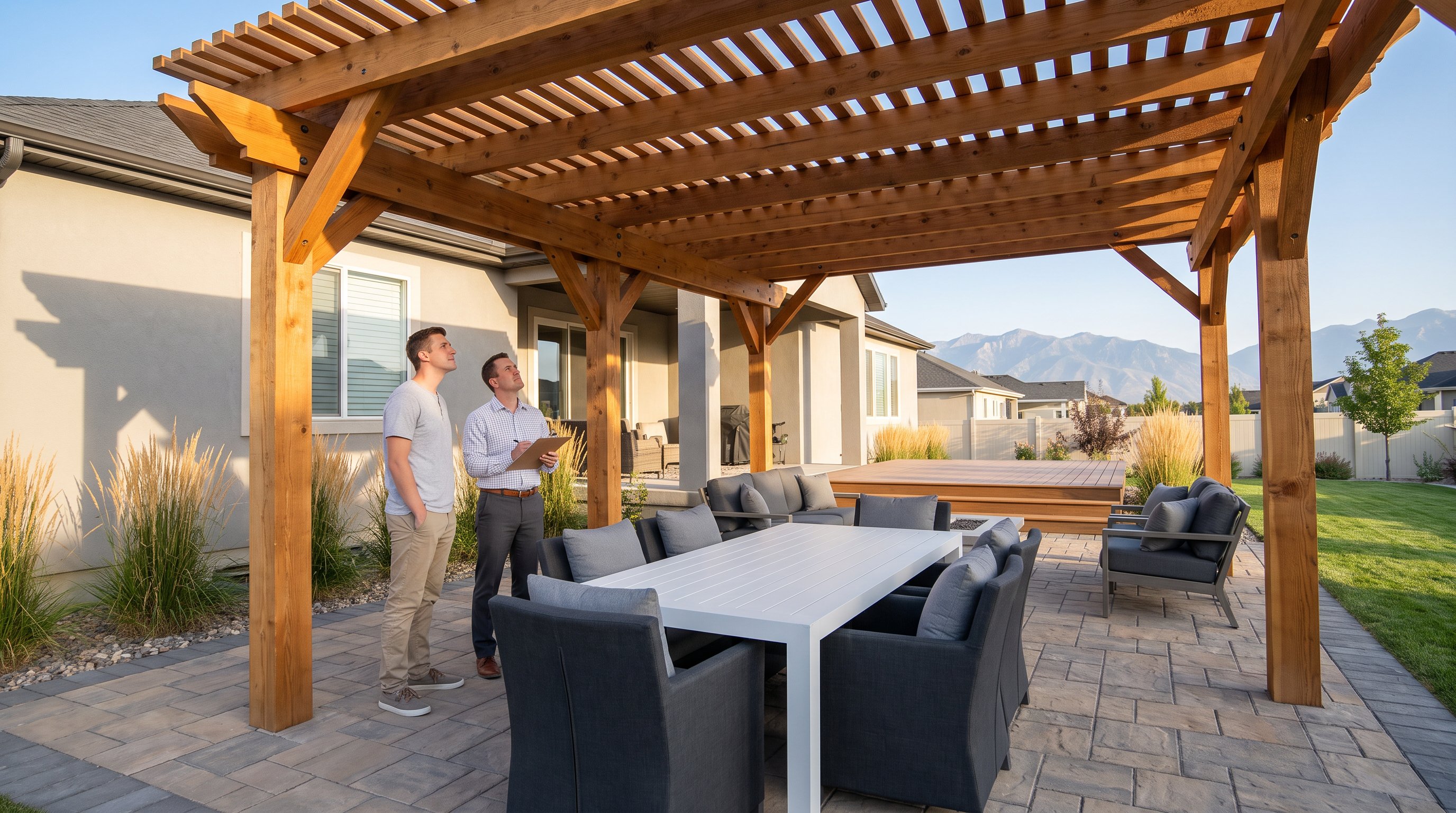
There is no dependable Utah-wide formula for calculating a pergola's appraisal value. A $20,000 structure will not automatically add $20,000 to the appraised price, and national remodeling-return percentages should be treated as broad planning guidance, not a promise.
The strongest financial benefit often comes from improved buyer perception. A pergola can make a patio feel finished, create a defined dining or lounge area, and make the backyard easier to use for more months of the year. In a competitive market, those details may help a home attract stronger offers or sell faster. That marketability benefit can be meaningful even when the appraiser doesn't assign a precise replacement-cost figure.
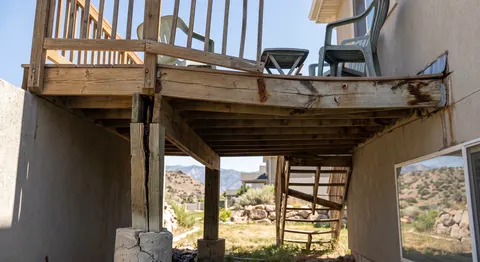
Value depends on the starting point. A bare yard beside an otherwise updated home may gain more from a pergola than a property already burdened by deferred maintenance. We usually encourage homeowners to address structural problems, drainage, exterior deterioration, and dated high-impact areas before adding luxury features. Buyers notice when a beautiful pergola is paired with an aging deck or neglected landscaping.
Location matters, too. In Park City, Draper, Salt Lake City, Lehi, and other communities where outdoor entertaining is part of the lifestyle, a polished shade structure may resonate strongly. Still, the improvement should be proportional to the neighborhood. Overbuilding can make recovering the cost more difficult.
Resale-friendly design starts with proportion. The pergola should comfortably cover the seating or dining area without overwhelming the yard or blocking important mountain, valley, or neighborhood views. Its columns, roof lines, colors, and trim should relate to the home rather than look like an unrelated backyard add-on.
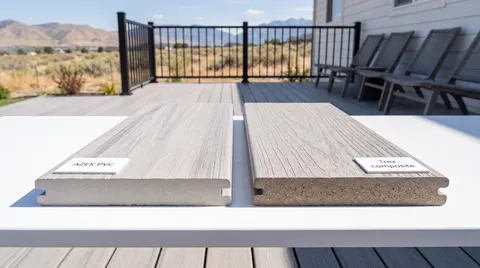
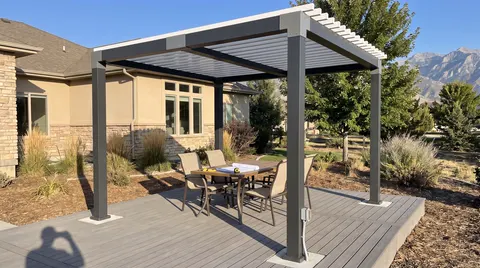
Materials also influence how buyers perceive durability. Cedar and other natural woods offer warmth and character, but Utah's intense UV exposure and dry air require regular staining and maintenance. Capped composite decking around the structure can reduce splintering, fading, and seasonal upkeep. Powder-coated aluminum offers another practical option, particularly for modern homes or motorized louvered systems.
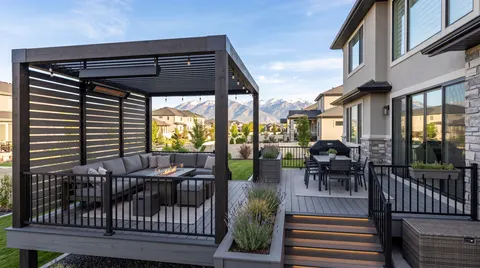
Function is where a pergola earns its keep. Integrated low-voltage LED lighting extends summer evenings and improves safety. Privacy screens, ceiling fans, heaters, outdoor kitchens, and fire features can make the space more usable, provided they are properly designed and permitted. Adjustable louvers are attractive because they provide flexibility during intense sun, sudden weather, and shoulder seasons.
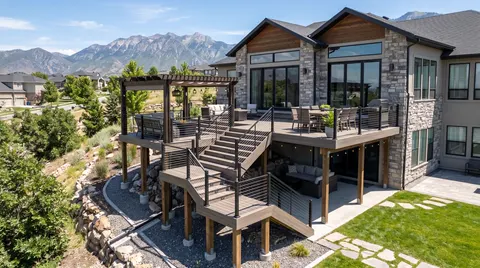
We also recommend planning drainage from the beginning. Water should move away from the house and finished surfaces, not collect around posts or foundations. A coherent design, pergola, deck, patio, stairs, railings, and landscaping, will generally create more appeal than a standalone structure with mismatched materials. Homeowners considering a new project can review our custom pergola builds for ideas that fit Utah properties.
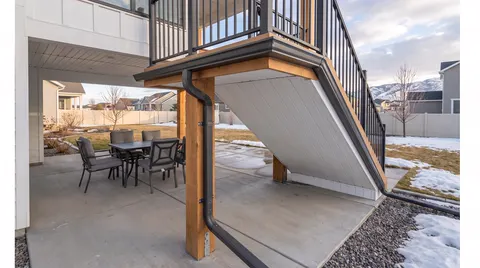
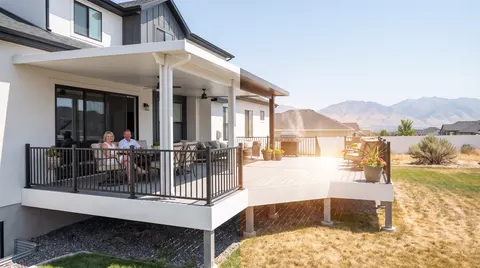
A pergola is rarely the only way to improve an outdoor area, and the best choice depends on the property's current layout. Decks create usable elevated space, especially where a sloped lot or second-story door makes a patio impractical. They can also serve as the foundation for a pergola, seating, lighting, and outdoor cooking.
Patios are often more accessible and can feel permanent when built with concrete, pavers, or quality masonry. They may be a better fit for ground-level entertaining, hot tubs, or low-maintenance yards. A pergola placed over a finished patio typically feels more purposeful than one installed over bare grass.
Covered patios and roof extensions offer greater protection from sun, rain, and snow, but they can be more expensive and may involve additional structural, setback, and permitting requirements. They also change the home's exterior more substantially. A pergola provides partial shade and an open-air feeling, which many buyers prefer.
From an appraisal perspective, there is no universal winner. A permitted deck with sound framing may have stronger contributory value than a decorative pergola. In another property, a pergola may complete an already excellent patio and deliver the missing function. We compare the project with the home's layout, neighborhood expectations, and the homeowner's priorities, not just the construction price.
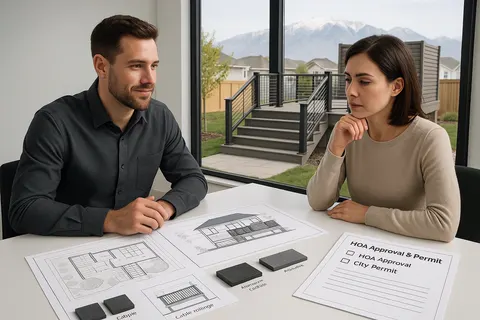
We can make a pergola easier to evaluate by treating it like a real construction project from day one. Start by confirming setbacks, height limits, HOA rules, and permit requirements with the local jurisdiction. Requirements can differ between Salt Lake City, Sandy, Herriman, Lehi, Provo, Saratoga Springs, and surrounding communities. An HOA may also require drawings, material samples, and approval before work begins.
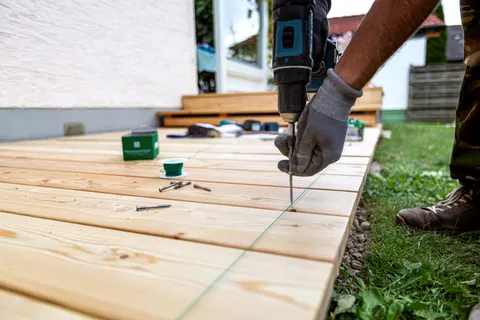
Structural details matter in Utah. Footings should extend below the local frost line, often 30 inches or more, depending on jurisdiction and design, and the framing and connections should be sized for local snow and wind loads. Proper flashing, post anchoring, drainage, and corrosion-resistant hardware help the structure remain stable through temperature swings.
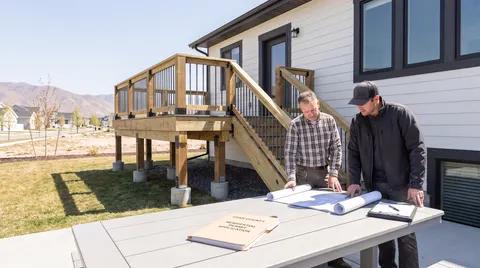
Keep a project file containing approved plans, permit information, inspection sign-offs, contractor invoices, material specifications, and photographs of concealed framing before finishes are installed. When it's time to sell, this documentation can answer questions quickly and support the improvement's credibility.
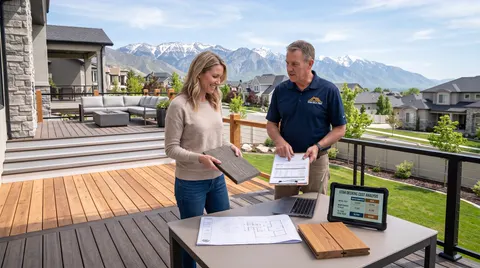
A professional 3D design can also prevent expensive mistakes involving scale, rooflines, or sightlines. At 3sixty Industries, we provide free in-home estimates and 3D mockups, handle permitting and structural plans where appropriate, and communicate throughout construction. Homeowners exploring an existing structure may also consider pergola remodeling options when the frame is sound but the finishes, shade, or layout need improvement.
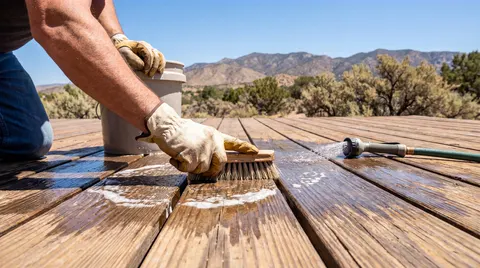
Finally, maintain the pergola. Clean debris, inspect connections, refresh wood finishes, and keep lighting and drainage working. An appraiser sees condition first. A neglected structure can reduce confidence, while a clean, cared-for outdoor space signals responsible ownership.
So, do pergolas add appraisal value in Utah? They can, particularly when they're permanent, permitted, climate-ready, and integrated with a useful deck or patio. But the smartest reason to build one is that it improves the way we live today. If the design suits the home, the neighborhood, and Utah's demanding weather, that enjoyment can translate into stronger buyer appeal later. We should build for both: a backyard we'll use often and an improvement future buyers can understand.
Pergolas can add appraisal value in Utah when they are permanent, properly anchored, made with durable materials, permitted, and integrated with outdoor living spaces like patios or decks. They improve buyer appeal even if not assigned a specific dollar amount by appraisers.
A pergola counts as a permanent improvement when it is anchored to designed footings, built to local codes with durable materials, and supported by permits and inspection records. Attached pergolas connected to the home generally carry more appraisal weight.
To maximize resale appeal, a pergola should be proportionate to the yard, match the home's architectural style, use weather-resistant materials like capped composite or powder-coated aluminum, and include functional features such as integrated lighting, drainage, and possibly adjustable louvers.
Utah's extreme weather, including hot summers and heavy winter snow, requires pergolas to be structurally engineered for snow loads, anchored below the frost line, and built with weather-resistant materials to maintain durability and meet appraisal expectations.
Pergolas offer partial shade and an open-air feel preferred by many buyers, typically involve lower costs and simpler permits than covered patios. They complement patios and decks by enhancing usability and aesthetics but are rarely valued as finished living space by appraisers.
Homeowners should obtain necessary permits, use durable, climate-appropriate materials, provide documentation of construction and inspections, design the pergola to suit the home and neighborhood, and maintain the structure well to positively influence appraisals and buyer perception.

.avif)
.avif)